Dämonische Nacht — History & Facts
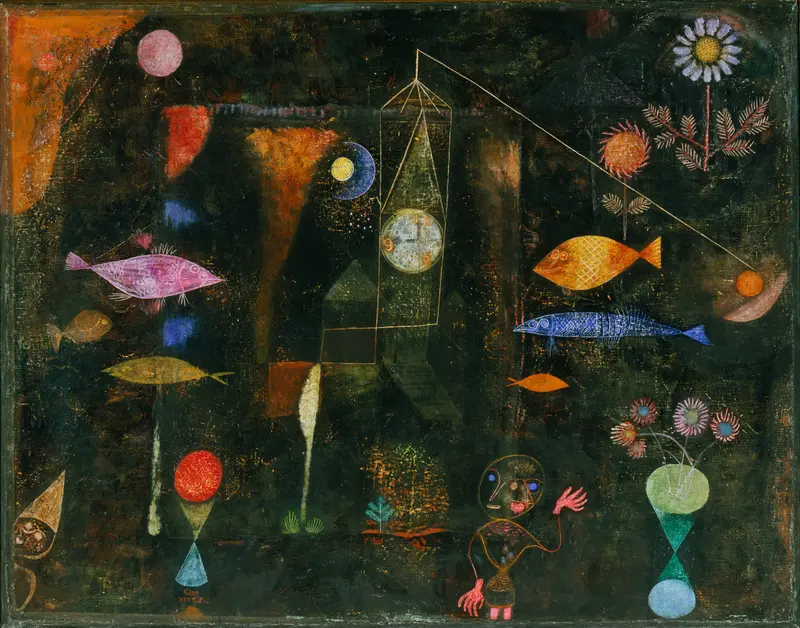
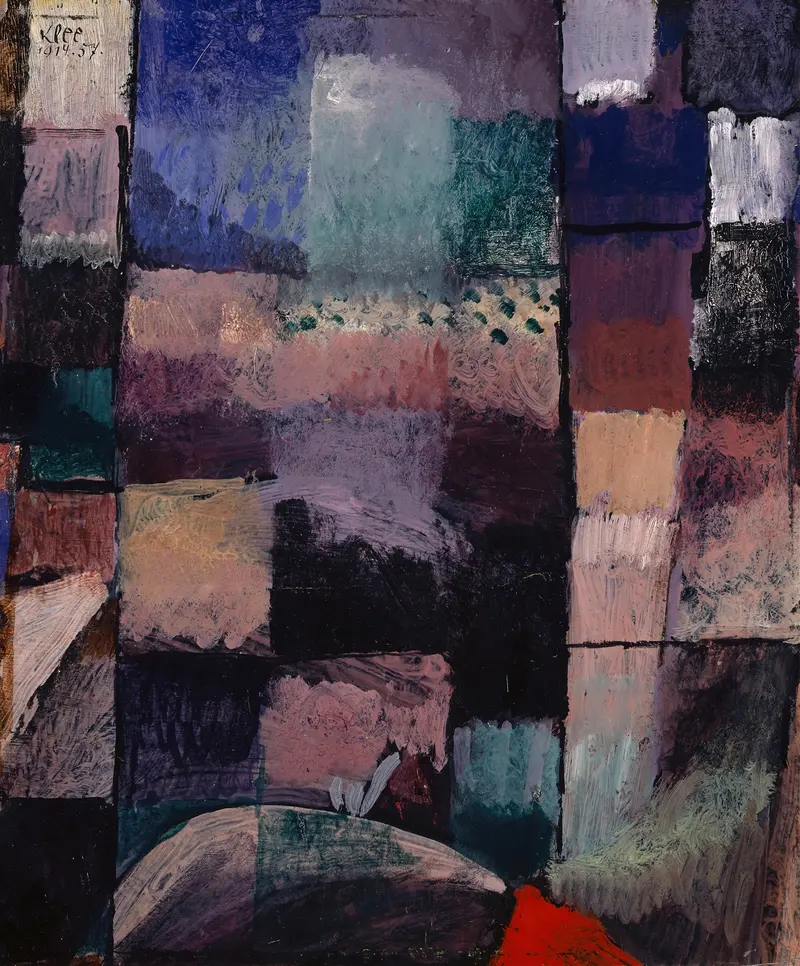
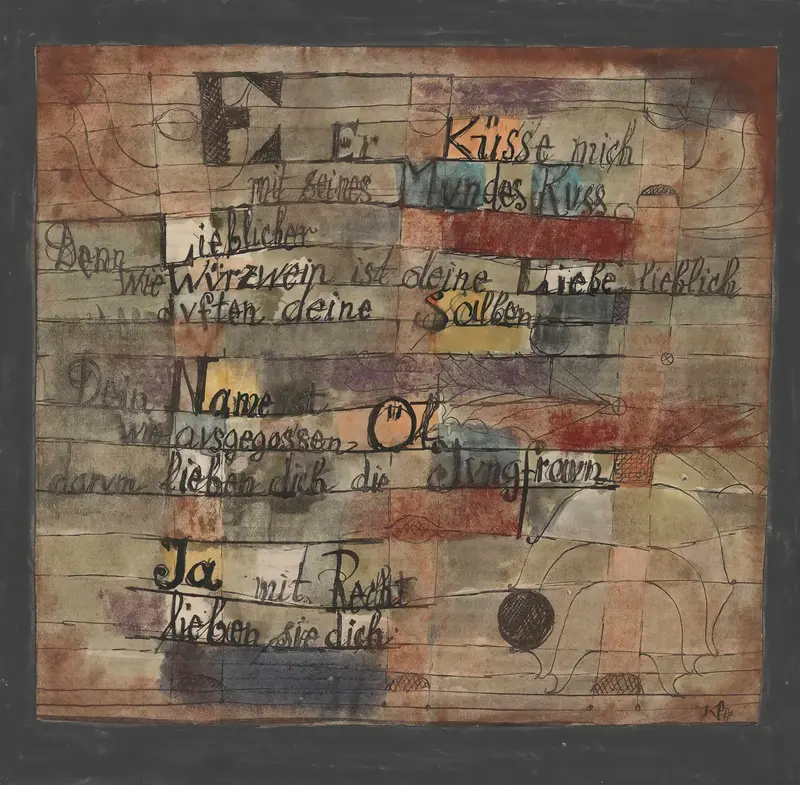
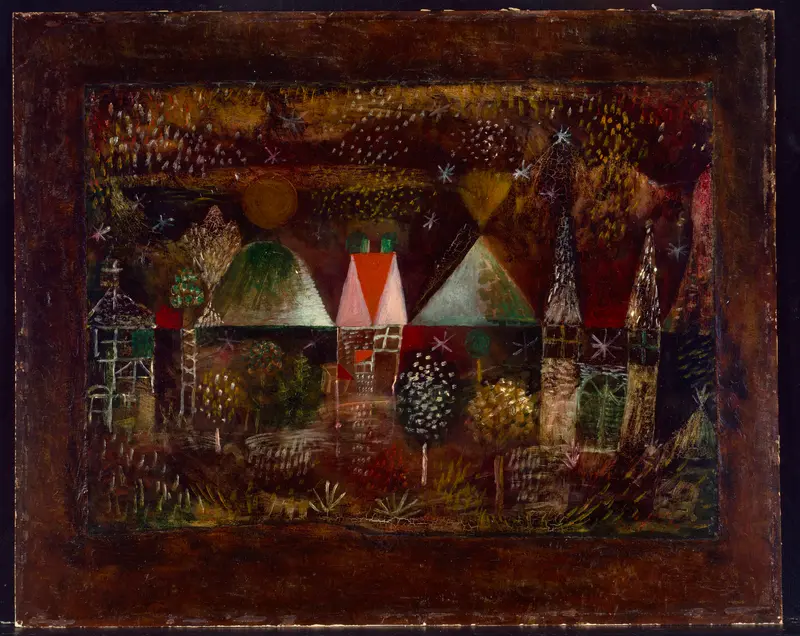
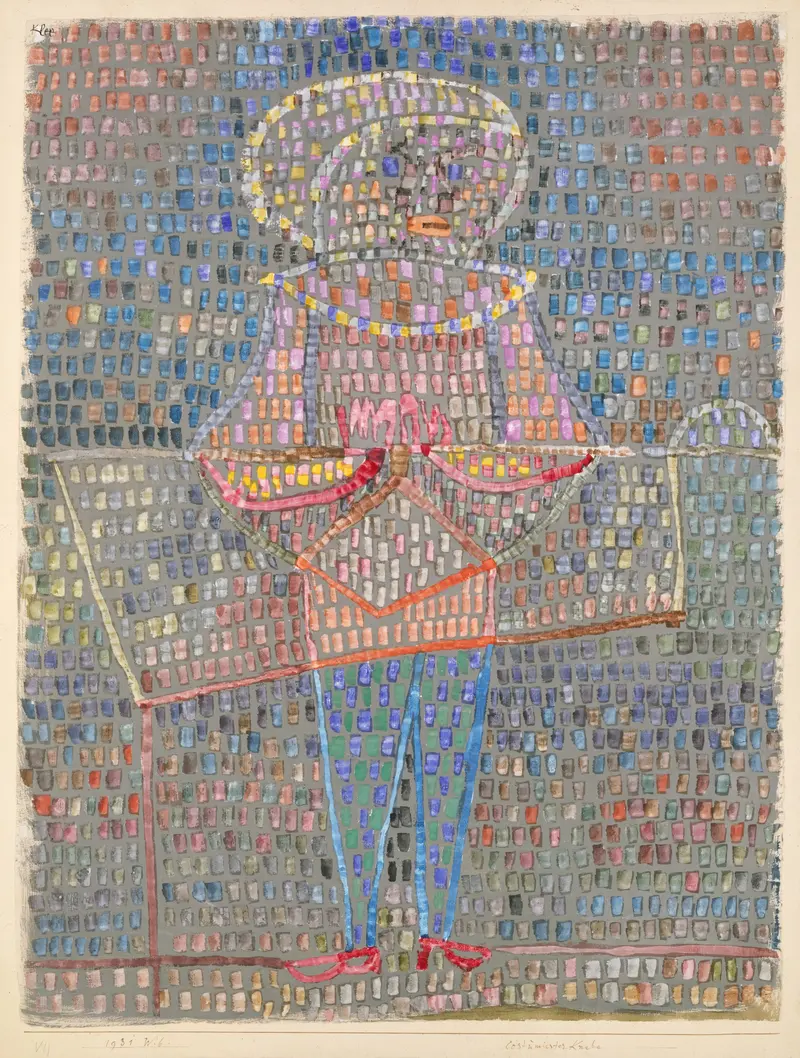
In Dämonische Nacht, Paul Klee uses dark colors and abstract forms to create a mysterious atmosphere. The painting features swirling shapes and figures that seem to dance across the canvas. Hints of blue and green contrast with deeper blacks and browns, adding depth to the composition.
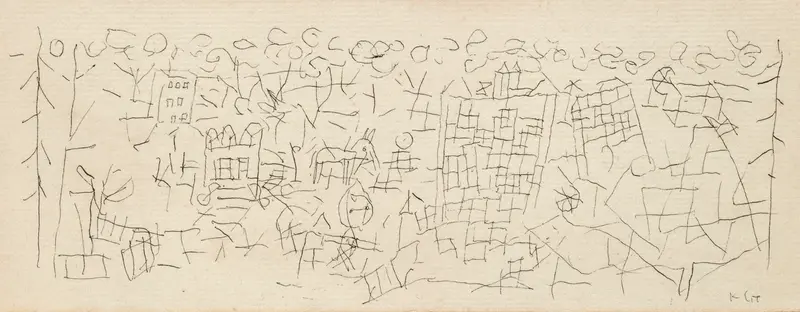
The overall effect is both unsettling and intriguing, inviting viewers to explore its complexities. The painting is executed in oil on canvas, showcasing Klee's signature style of combining abstraction with emotional expression. Viewers can observe the intricate layering of colors and forms, which create a sense of movement within the piece. Klee's use of line is particularly notable, as it guides the eye through the chaotic yet harmonious arrangement.
This work exemplifies the principles of Expressionism, emphasizing personal experience over realistic representation. Paul Klee was a Swiss artist associated with the Expressionist movement, known for his unique blend of abstraction and symbolism. Dämonische Nacht reflects Klee's fascination with the subconscious and the dreamlike quality of night. An interesting fact about this work is that it was created during a period when Klee was exploring the themes of darkness and light, which often appear in his later works.
This painting remains a significant example of Klee's innovative approach to art.