Danaë — History & Facts
When Titian painted Danaë in 1554, he was revisiting a subject that had already stirred the courts of Europe—this version was created specifically for Philip II of Spain, who would become one of the most powerful monarchs of the age. The painting is one of at least six versions by Titian of the same myth, each subtly different, and it is said that the king kept it in his private chambers, away from public eyes. The work’s sensuality and daring subject matter were whispered about in both Venice and Madrid, sparking fascination and, at times, controversy.
Few paintings of the period so openly celebrated the union of the divine and mortal, or so candidly explored the theme of desire. At the heart of the canvas lies the myth of Danaë, imprisoned by her father, King Acrisius, who feared a prophecy that her son would cause his death. Titian captures the precise moment when Jupiter, transformed into a shower of gold, descends upon Danaë as she reclines on her bed, her body bathed in warm, golden light. The coins and droplets that spill from the sky are not only a symbol of Jupiter’s divine power but also a sly nod to the transactional nature of desire and fate.
A maidservant—sometimes absent, sometimes present in other versions—gathers the golden coins, her gesture underscoring the earthly consequences of this heavenly encounter. Compared to Correggio’s Danaë, where the mood is more dreamlike, Titian’s version is direct, physical, and boldly sensual. After its creation, this Danaë became part of the Spanish royal collection, cherished by Philip II and later admired by generations of connoisseurs and collectors. The painting’s journey through history reflects the shifting tastes and moral codes of Europe, surviving wars and palace moves, and always retaining its air of private luxury.
Today, it stands as a testament to Titian’s late style—his brushwork looser, his colors more daring, his figures more alive than ever. The exact medium used is still debated, though oil on canvas is most likely. Whether displayed in royal apartments or museum galleries, Danaë remains a central work in the story of Venetian painting and the enduring power of myth.
More Artworks by Titian
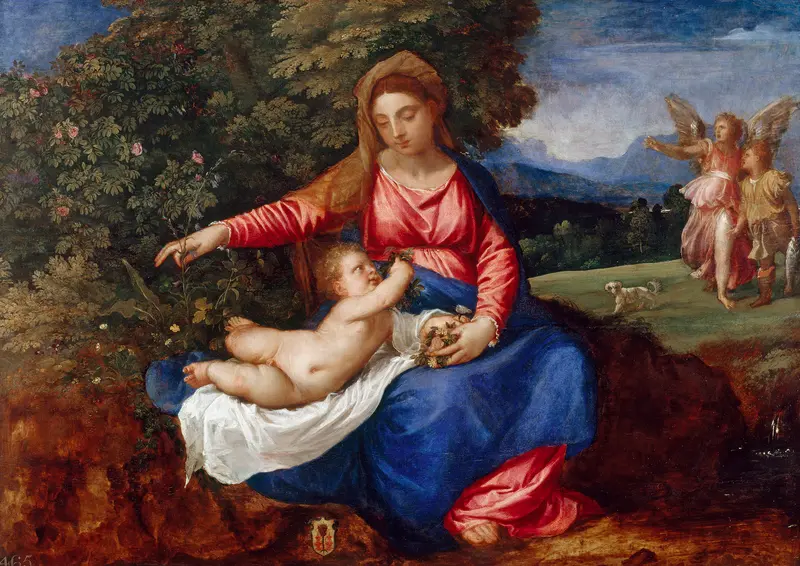
Madonna and Child in a Landscape with Tobias and the Angel
Titian
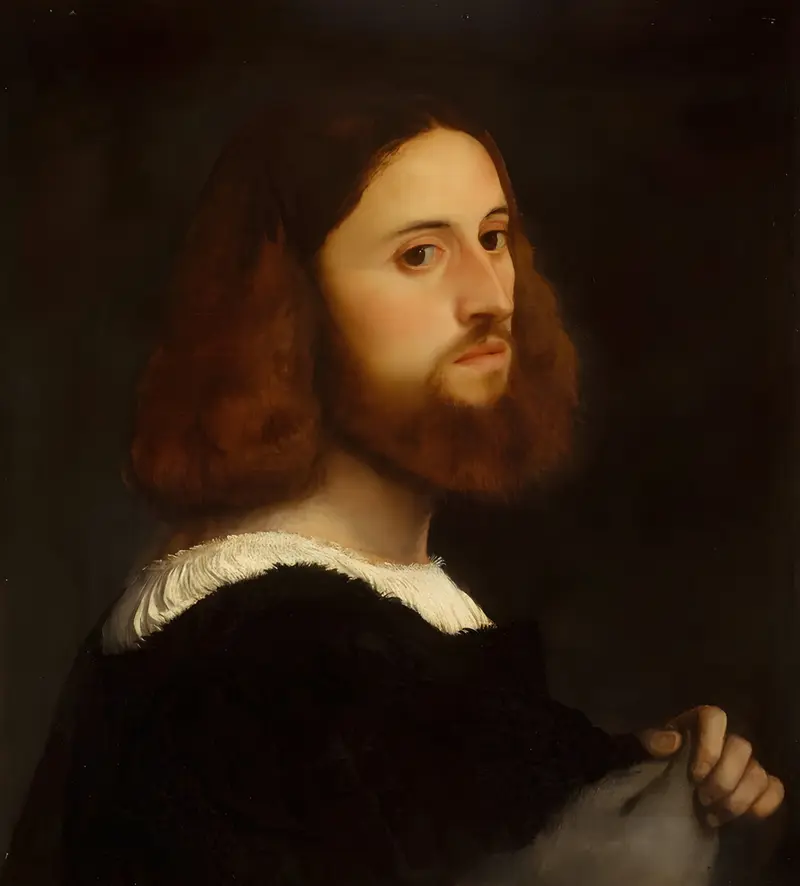
Portrait of a Man
Titian
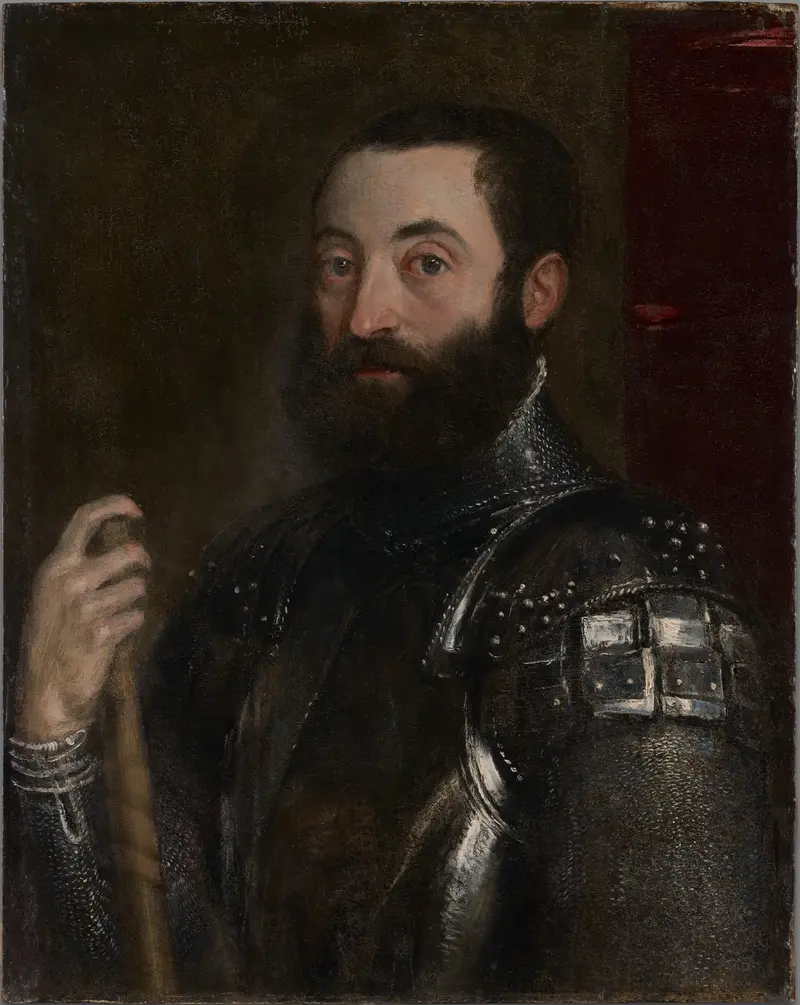
Portrait of Guidobaldo II della Rovere, Duke of Urbino
Titian
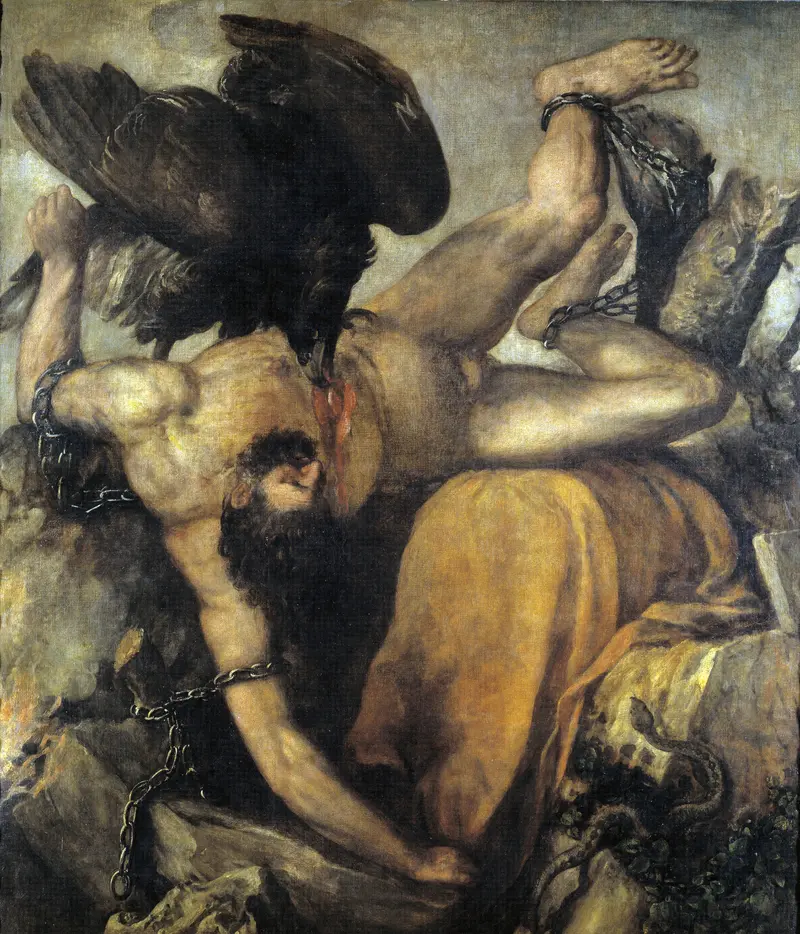
Tityus
Titian
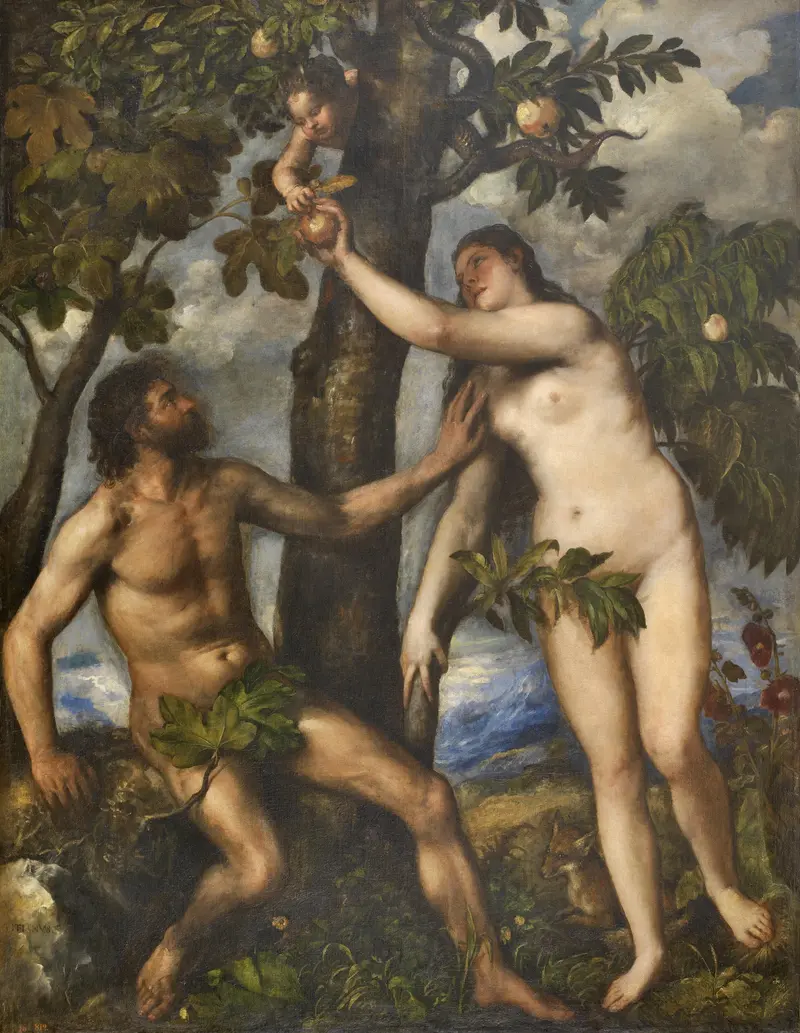
The Fall of Man
Titian
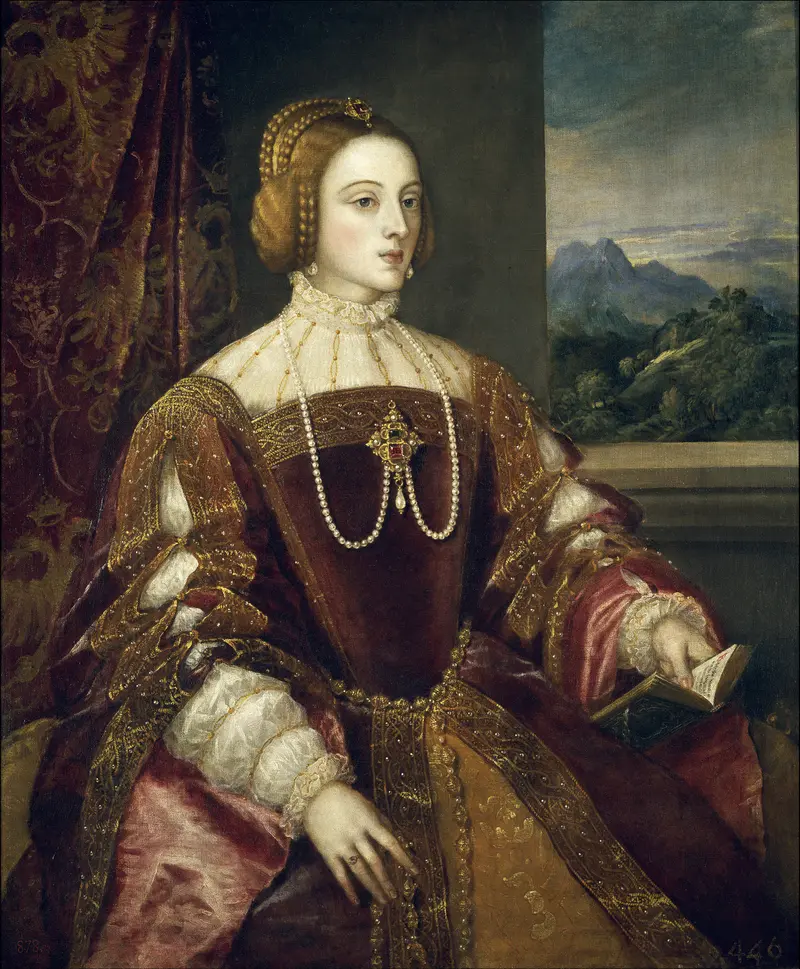
Portrait of Isabella of Portugal
Titian
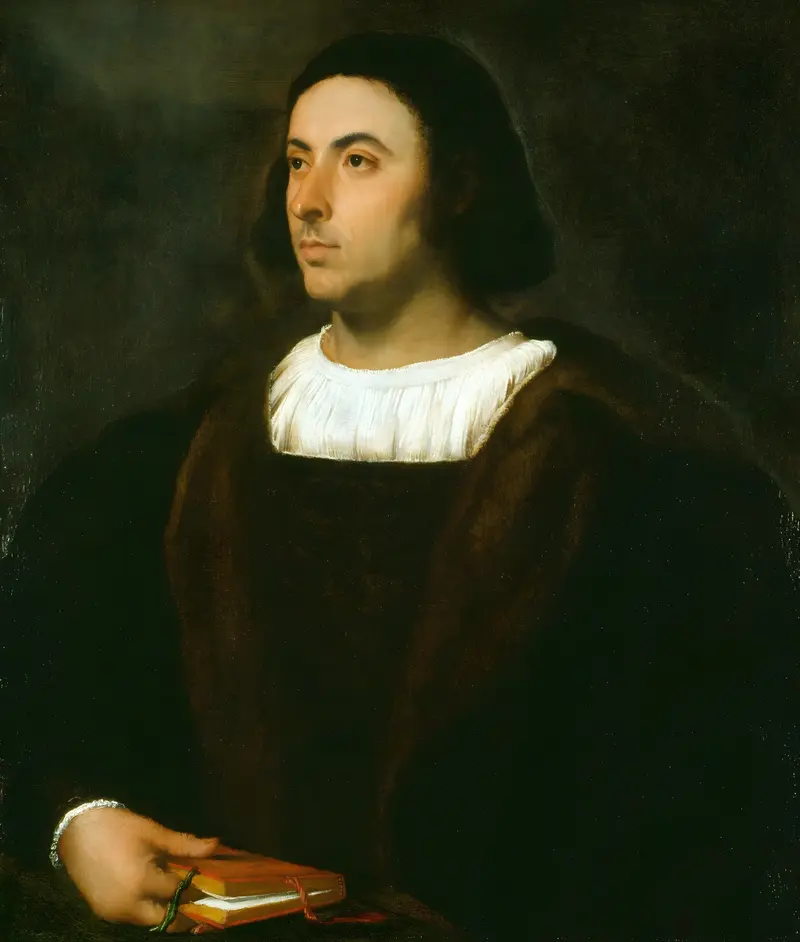
Portrait of Jacopo Sannazaro
Titian
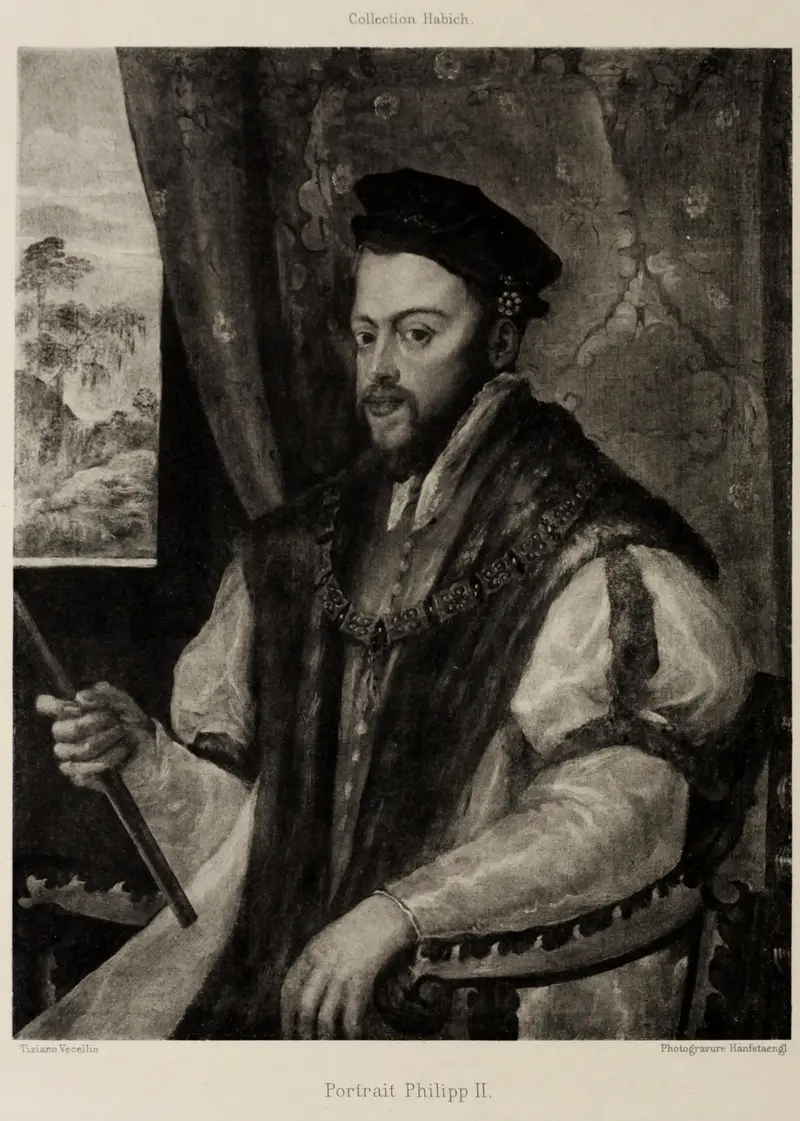
Portrait of King Philip II of Spain
Titian
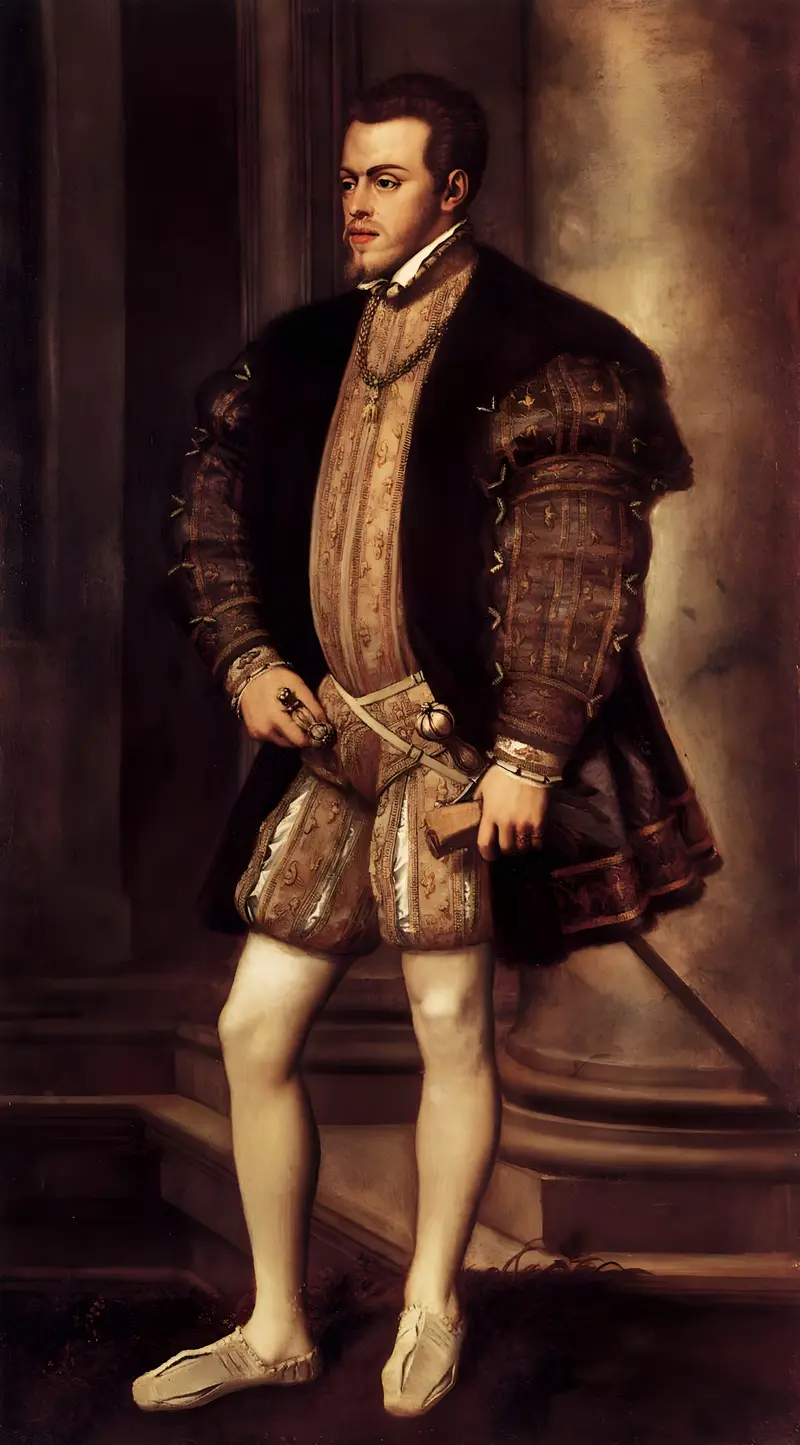
Portrait of Philip II of Spain
Titian
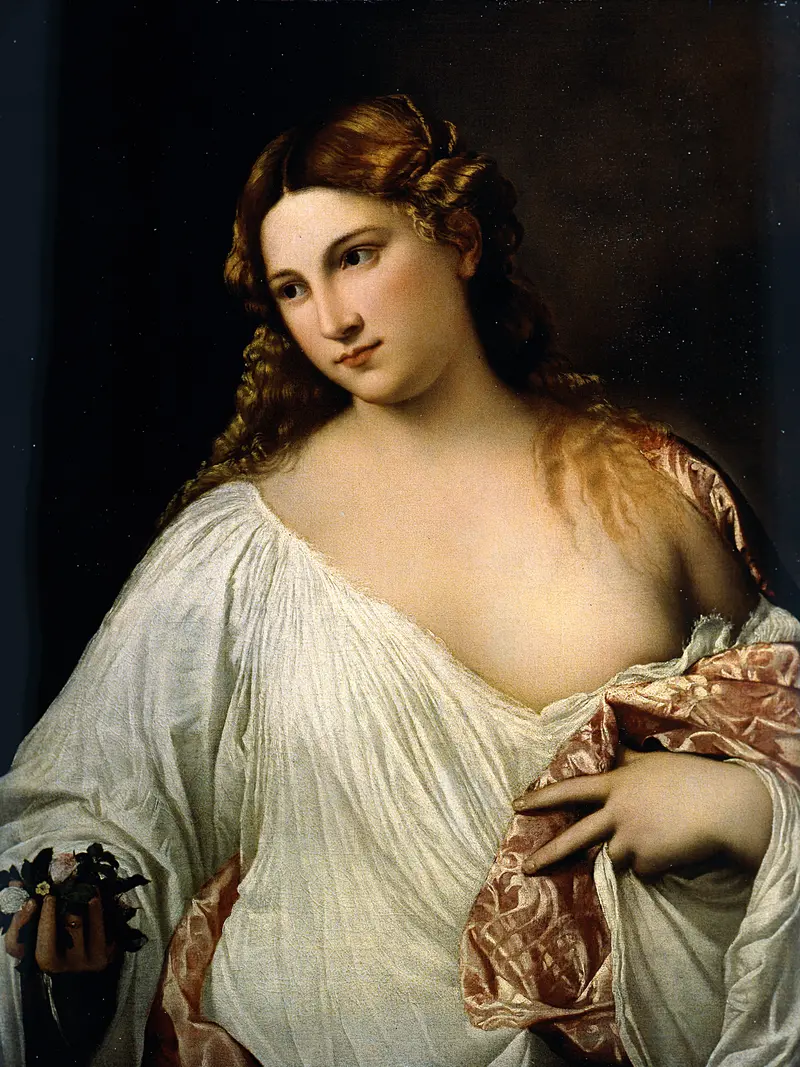
Flora
Titian