
Dans in de herberg — History & Facts
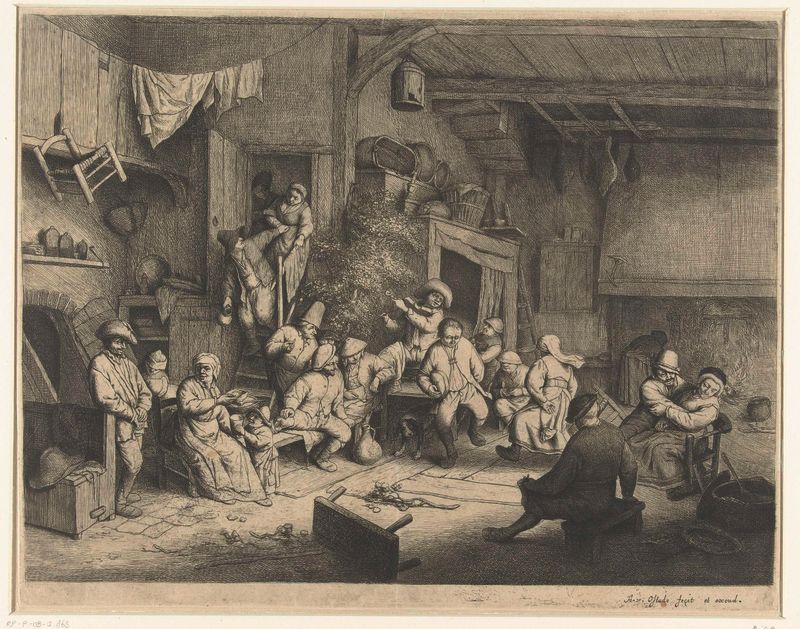
In a world where chaos reigns, a quiet awakening can transform the mundane into the sublime. Each brushstroke invites you to pause and consider the layers beneath the surface, revealing the heartbeat of human experience. Look to the left at the jovial figures dancing with abandon, their colorful garments swirling like autumn leaves caught in a playful breeze. Notice the warm light cascading from the lantern above, illuminating their faces as it dances upon the wooden beams of the tavern.
The masterful interplay of light and shadow creates an atmosphere thick with camaraderie, while the earthy palette of ochres and deep reds grounds the scene in a rustic authenticity that draws you in. Yet, beneath this vibrant revelry lies a tension, a contrast between joy and the ephemeral nature of pleasure. The laughter and movement of the joyous dancers juxtapose the stillness of an elderly man seated in the corner, his gaze fixed on a scene that holds both nostalgia and a hint of melancholy. This deliberate inclusion of diverse characters serves as a reminder of the fleeting moments that define our lives, bridging the gap between celebration and solitude. Created between 1650 and 1654, the artist found his stride in Haarlem, where he produced this work amid the flourishing Dutch Golden Age.
During this period, the art world was abuzz with the exploration of genre painting, reflecting the daily lives of people, and the joy found in simple pleasures. The artist’s keen observations of social interaction and human emotion are vividly encapsulated in this piece, inviting viewers to engage with the lived reality of his time.
More Artworks by Adriaen van Ostade
Browse all →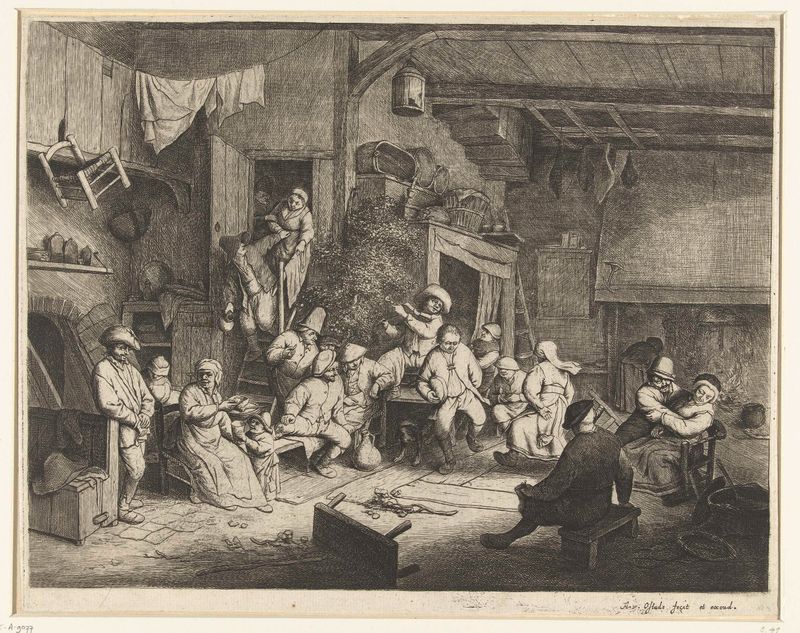
Dans in de herberg
Adriaen van Ostade
Dance at the Inn
Adriaen van Ostade

Travellers Halted At A Country Inn
Adriaen van Ostade
‘The Skaters’: Peasants in an Interior
Adriaen van Ostade

Dans in de herberg
Adriaen van Ostade

Merrymakers in an Inn
Adriaen van Ostade
Peasants Brawling in a Tavern
Adriaen van Ostade
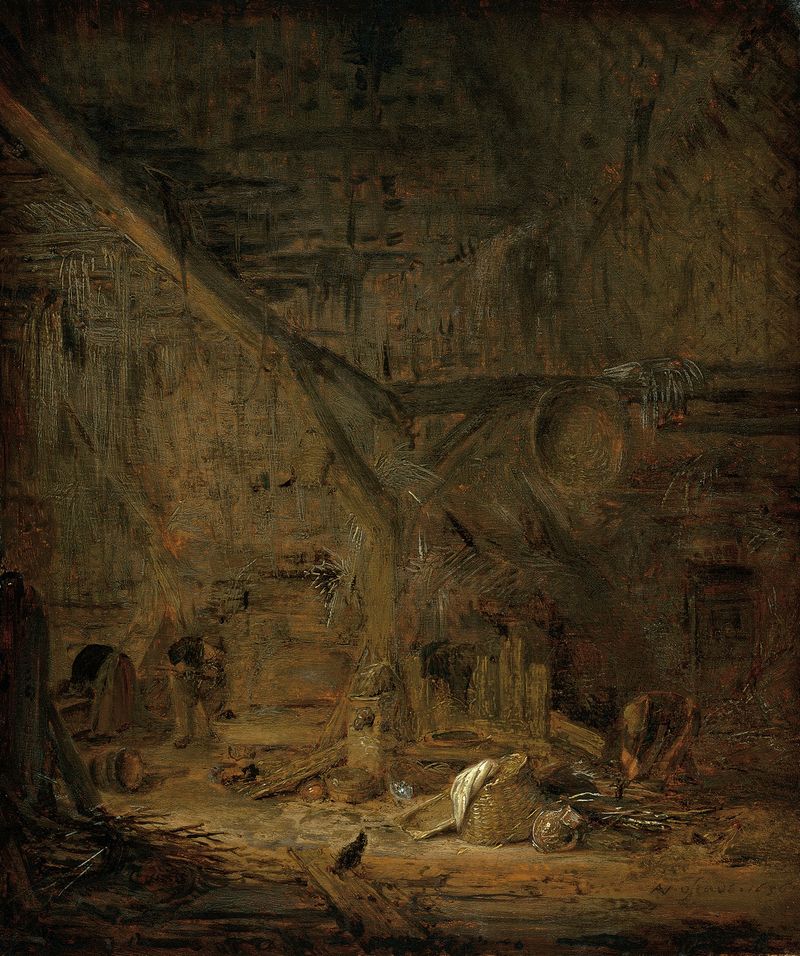
Interior of a Barn
Adriaen van Ostade

Man with a Tankard at a Window
Adriaen van Ostade
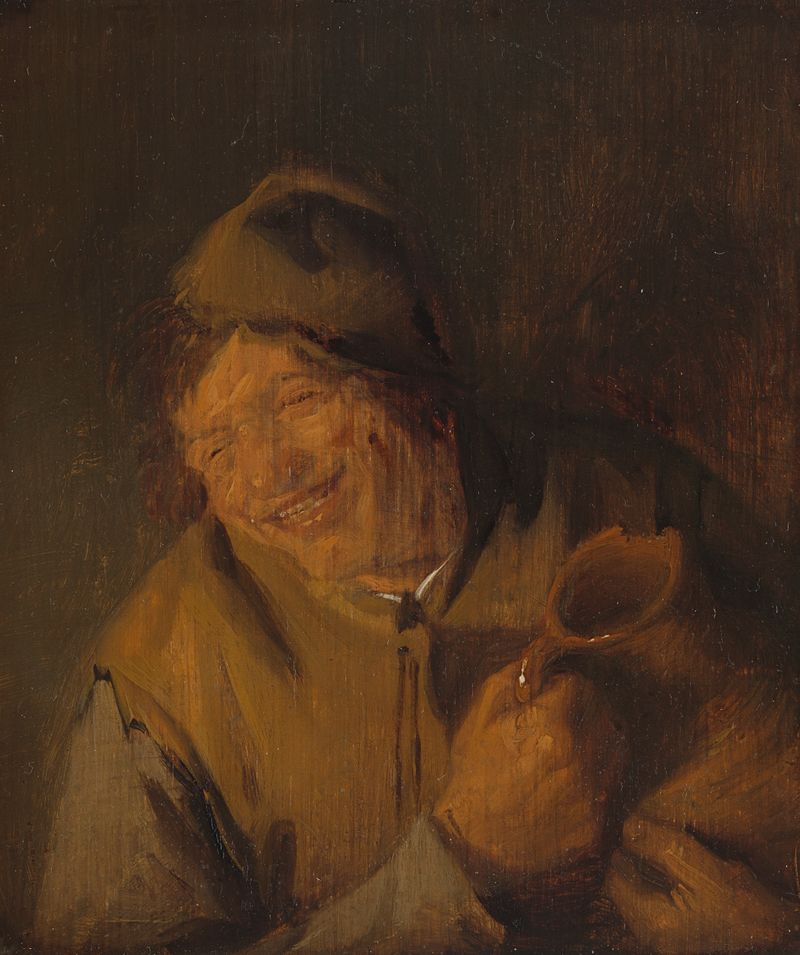
The Merry Peasant
Adriaen van Ostade





