
Dans in de herberg — History & Facts
What if beauty was never meant to be finished? In a world where the fleeting moments of joy are captured yet never fully contained, Dans in de herberg embodies this delicate tension between the ephemeral and the eternal. Look to the left at the lively figures lost in a dance, their bodies revolving in a blur of motion. The warm, earthy tones of ochre and burnt sienna envelop the scene, creating an inviting atmosphere as light filters in through the windows. Notice how the brushstrokes convey both the vibrancy of the festivities and the subtle shadows that whisper of secrets and stories untold.
Each element combines harmoniously, striking a balance between celebration and contemplation, urging the viewer to dwell in the moment. Delve deeper into the complexity of human connection depicted here. The laughter and mirth contrast sharply with the distant, contemplative gazes of others in the tavern, revealing a spectrum of emotions from joy to introspection. The central figures are vibrant in motion, while others are still, suggesting a dialogue between action and inaction, emphasizing that beauty often resides in both the dance and the quiet pause.
Here, the composition is not merely a record of a lively gathering; it reflects the intricate dance of life itself, one where balance is both sought and elusive. During the years 1650 to 1654, Adriaen van Ostade was immersed in the thriving art scene of the Dutch Golden Age, painting in Haarlem. This period marked his mastery of genre scenes, as he sought to capture the everyday lives of ordinary people amidst the cultural richness of the time. Amidst economic prosperity and social change, he transformed simple moments into profound explorations of human nature, leaving an indelible impression on the world of art.
More Artworks by Adriaen van Ostade
Browse all →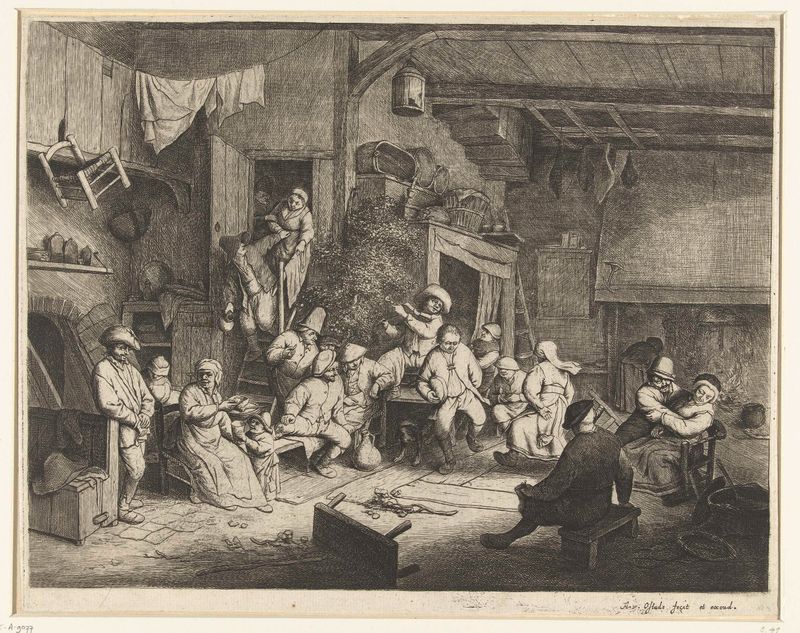
Dans in de herberg
Adriaen van Ostade
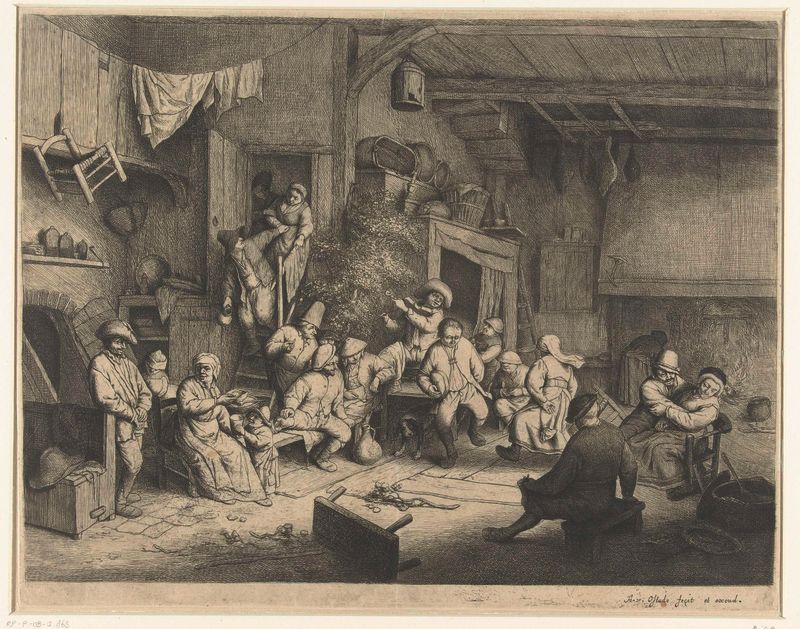
Dance at the Inn
Adriaen van Ostade

Travellers Halted At A Country Inn
Adriaen van Ostade
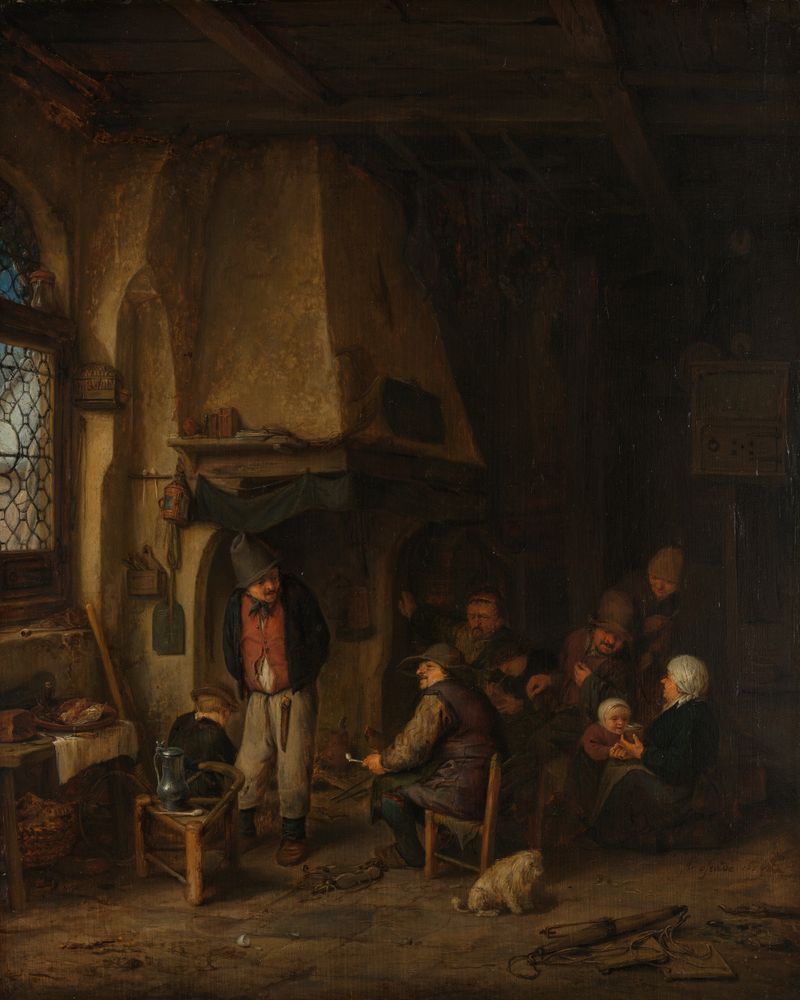
‘The Skaters’: Peasants in an Interior
Adriaen van Ostade

Dans in de herberg
Adriaen van Ostade

Merrymakers in an Inn
Adriaen van Ostade
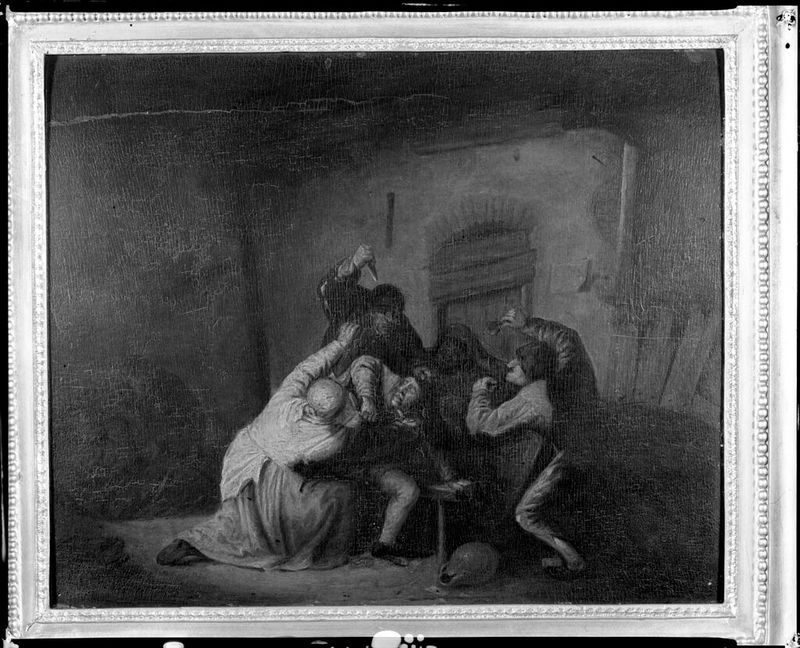
Peasants Brawling in a Tavern
Adriaen van Ostade
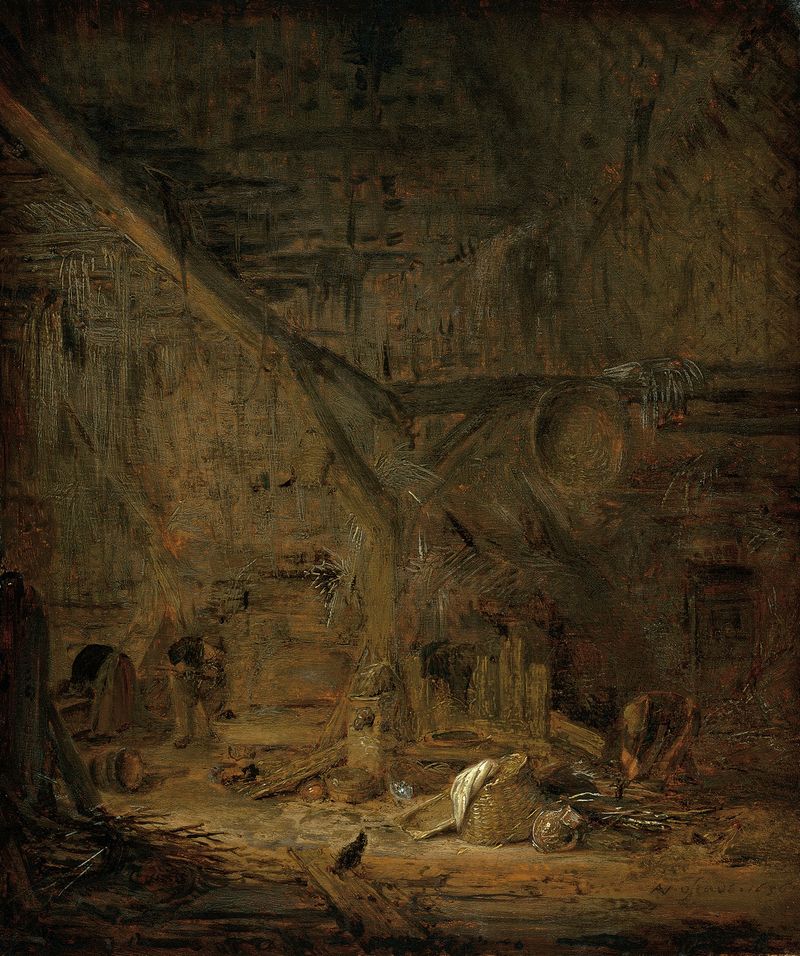
Interior of a Barn
Adriaen van Ostade

Man with a Tankard at a Window
Adriaen van Ostade
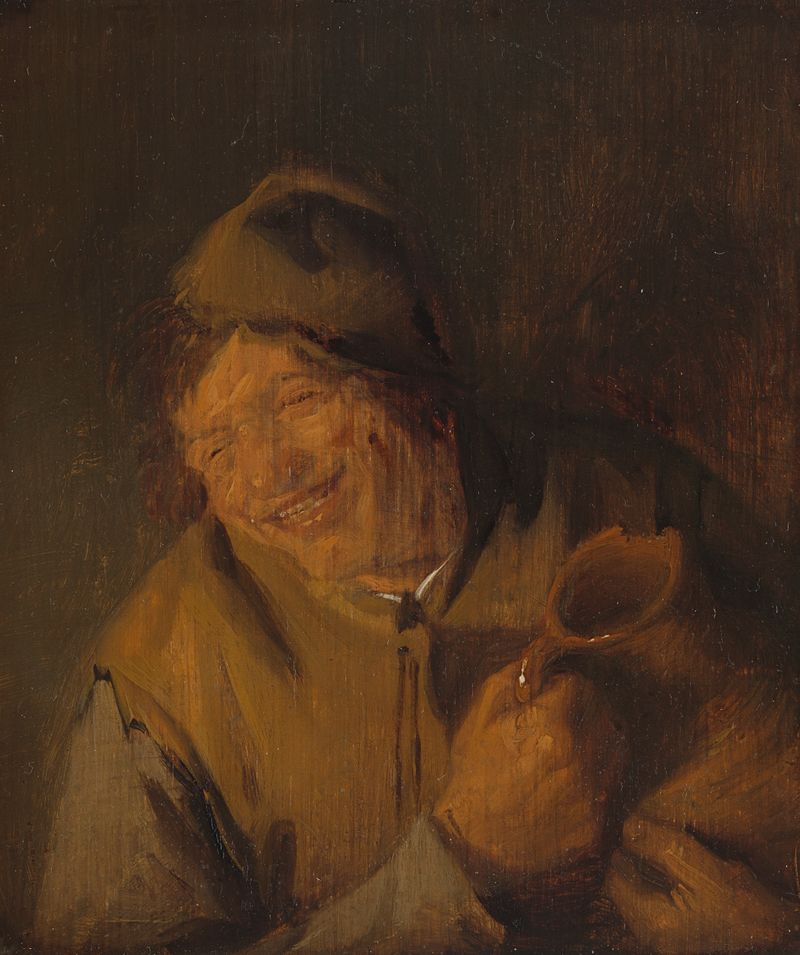
The Merry Peasant
Adriaen van Ostade





