
Dansende landlieden en toeschouwers bij een dorp — History & Facts
Can beauty exist without sorrow? In Jean-Jacques de Boissieu’s Dansende landlieden en toeschouwers bij een dorp, the elegant movements of dancers entwine with the stillness of onlookers, encapsulating the bittersweet essence of celebration amidst an undercurrent of melancholy. Look closely at the vibrant dancers in the foreground, their graceful forms caught in mid-motion, a blur of color against the muted tones of the village backdrop. Notice how the light dances off their costumes, illuminating their joy, while the shadowy figures of spectators linger at the edges, their expressions a mixture of admiration and uncertainty. The warm palette invites you into this lively scene, yet the subtle contrast between the jubilant dancers and the aloof observers hints at a deeper narrative. Hidden within this moment lies a tension; the dancers embody freedom and exuberance, yet the unmoving audience suggests a sense of longing and perhaps betrayal.
The juxtaposition of movement and stillness speaks volumes, suggesting that beneath the surface of joy, there may be stories of unfulfilled desires or unspoken grievances, allowing the viewer to ponder the complexities of human relationships and emotions. The harmonious gathering is wrapped in an unsettling silence, a reminder that every celebration might carry shadows of personal sorrow. De Boissieu created this work amidst the artistic fervor of 18th-century France, a time when classicism and romantic sentiments were beginning to merge. Painted between 1746 and 1810, he was deeply influenced by the pastoral life and social dynamics of that era.
This piece reflects not only the aesthetic trends of his time but also hints at the underlying themes of connection and estrangement prevalent in the human experience.
More Artworks by Jean-Jacques de Boissieu
Browse all →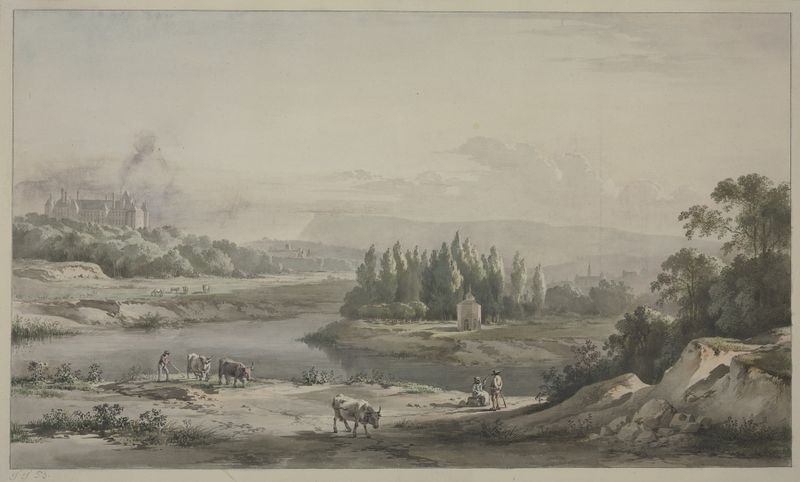
River Landscape
Jean-Jacques de Boissieu

Vestiges du temple d’Apollon au bord du Lac d’Auverne
Jean-Jacques de Boissieu

Vue du pont de la Guillotière à Lyon
Jean-Jacques de Boissieu
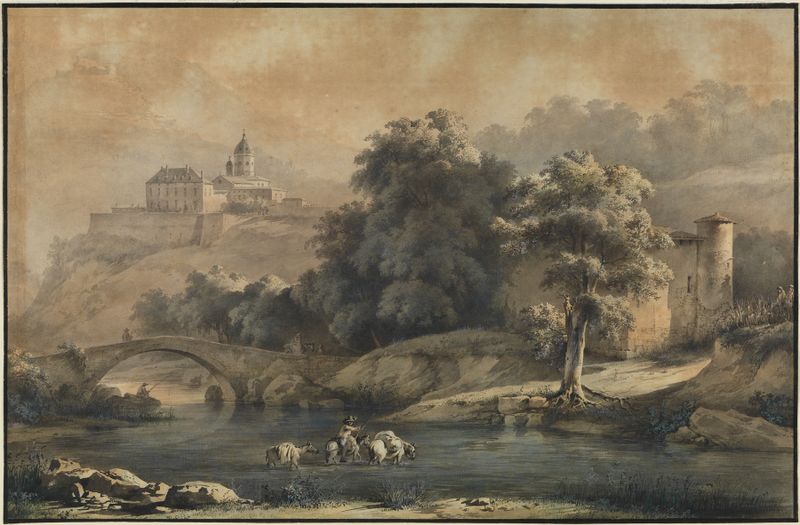
Flußlandschaft mit Bergkloster
Jean-Jacques de Boissieu
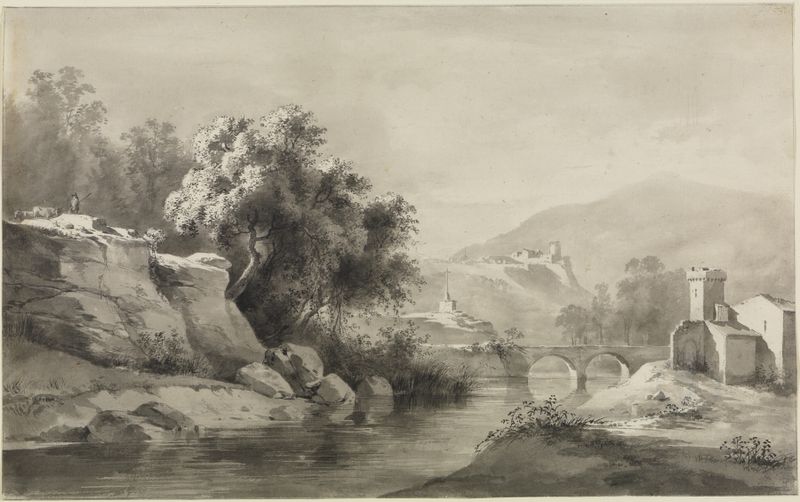
Flusslandschaft mit Doppelbogenbrücke und Kreuz
Jean-Jacques de Boissieu
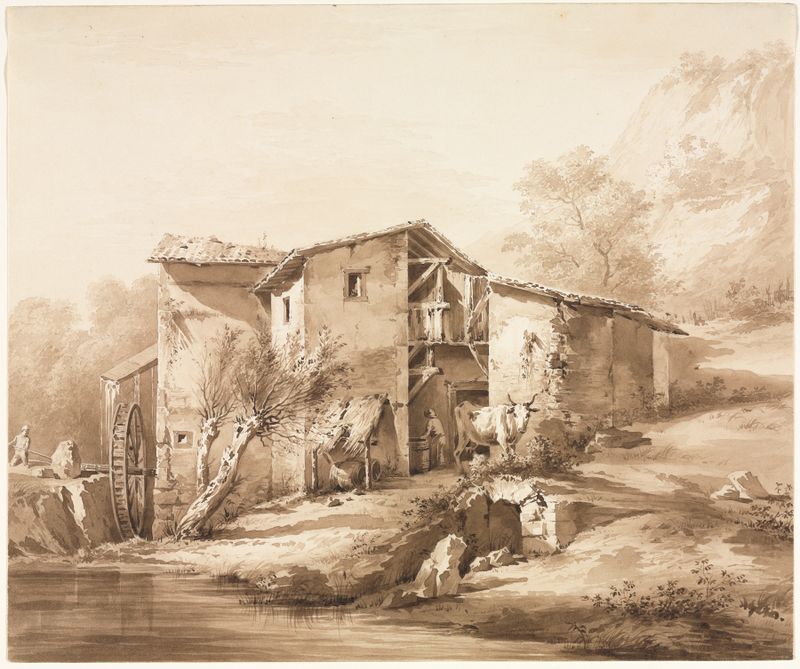
Landscape with Watermill
Jean-Jacques de Boissieu

Château Galliard
Jean-Jacques de Boissieu

Flußlandschaft bei L’Arbresle im Lyonnais
Jean-Jacques de Boissieu
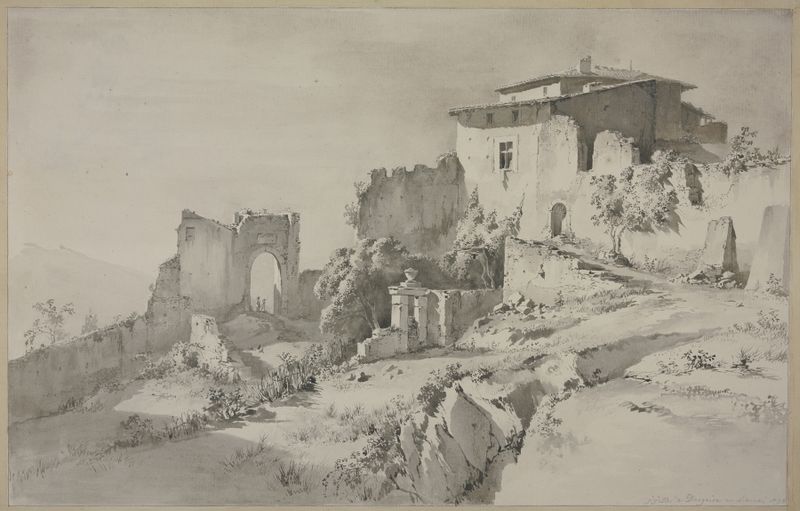
Landscape near Dargoire
Jean-Jacques de Boissieu

Tree with leafless treetop
Jean-Jacques de Boissieu





