
Dante and Virgil in Hell — History & Facts
In Dante and Virgil in Hell, William Bouguereau presents a vivid scene filled with dark colors and intense emotions. The figures of Dante and Virgil are central, depicted with expressions of horror and contemplation. Surrounding them are tortured souls, adding to the painting's dramatic atmosphere.
The setting is a fiery, chaotic hellscape that reflects the torment described in Dante's work. The painting is executed in oil on canvas, showcasing Bouguereau's skill in capturing human emotion and detail. The use of light and shadow enhances the three-dimensionality of the figures, making them appear almost lifelike. Bouguereau's meticulous attention to detail is evident in the textures of the skin and the flowing drapery of the garments.
This work exemplifies the Academic style, characterized by its realism and adherence to classical themes. William Bouguereau was known for his realistic style and ability to convey deep emotion through his art. This painting, created in the c. 1850s, reflects his fascination with literary themes, particularly those from classical literature.
An interesting fact about this work is that it was inspired by Dante Alighieri's Divine Comedy, specifically the Inferno, which explores themes of sin and redemption. Bouguereau's interpretation brings a unique perspective to this well-known narrative.
More Artworks by William Bouguereau

A Study For The Secret
William Bouguereau
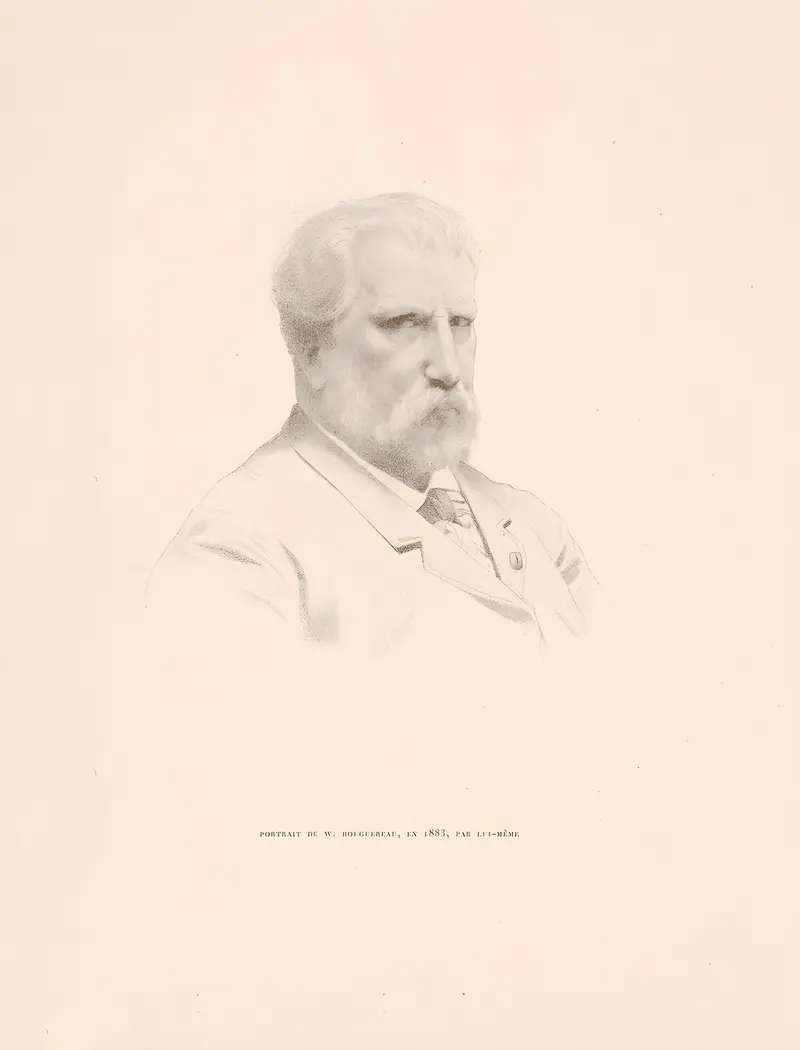
Portrait de W. Bouguereau, en l899
William Bouguereau
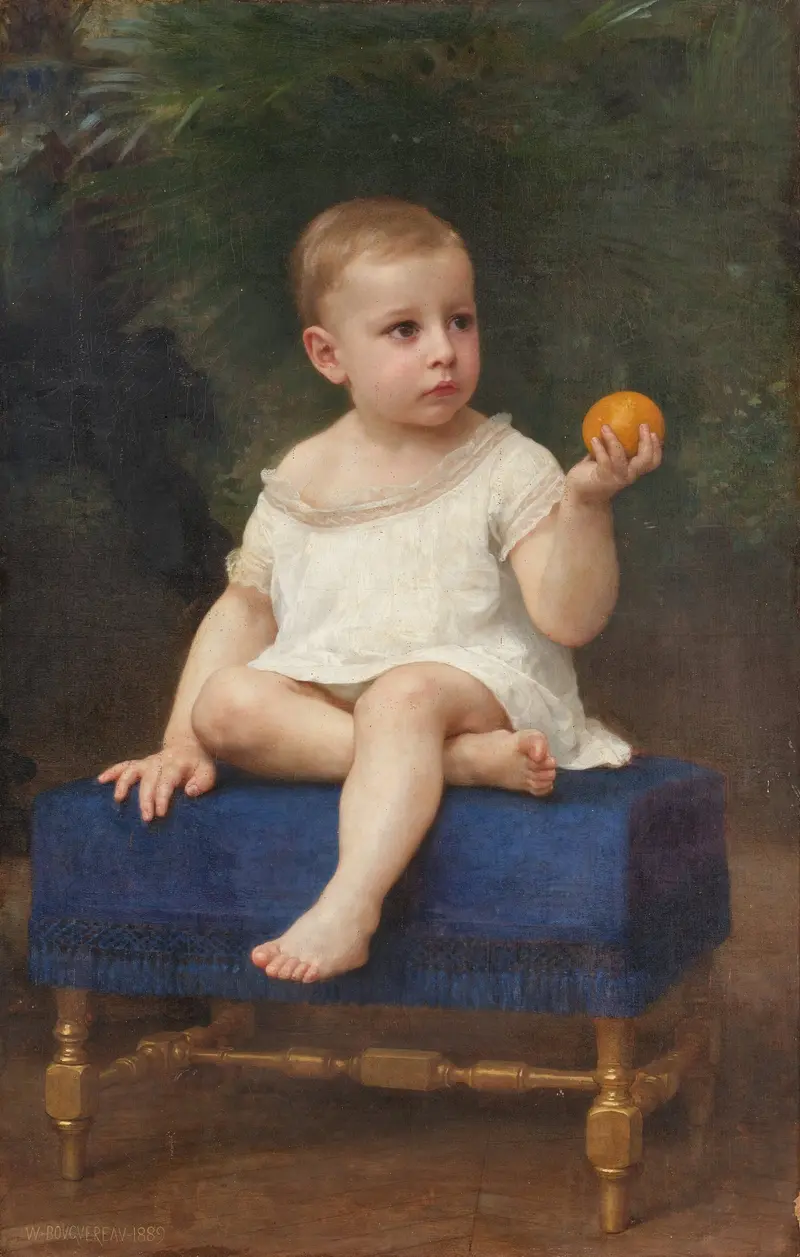
Portrait of a Child of Madame Porter
William Bouguereau
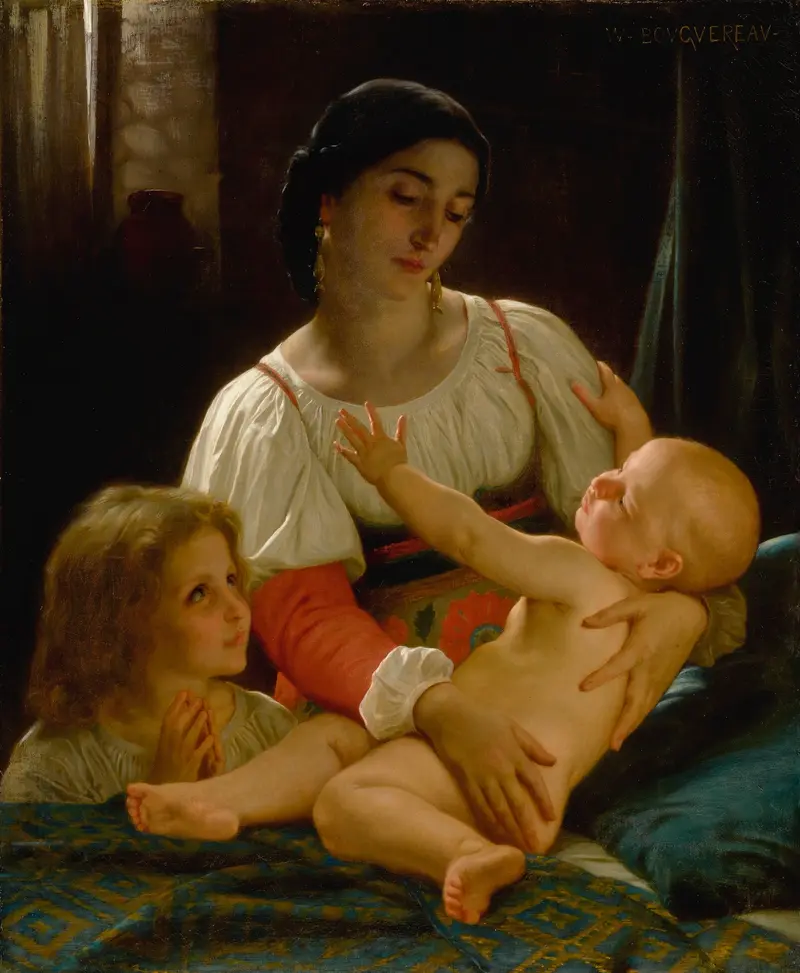
Le Réveil
William Bouguereau
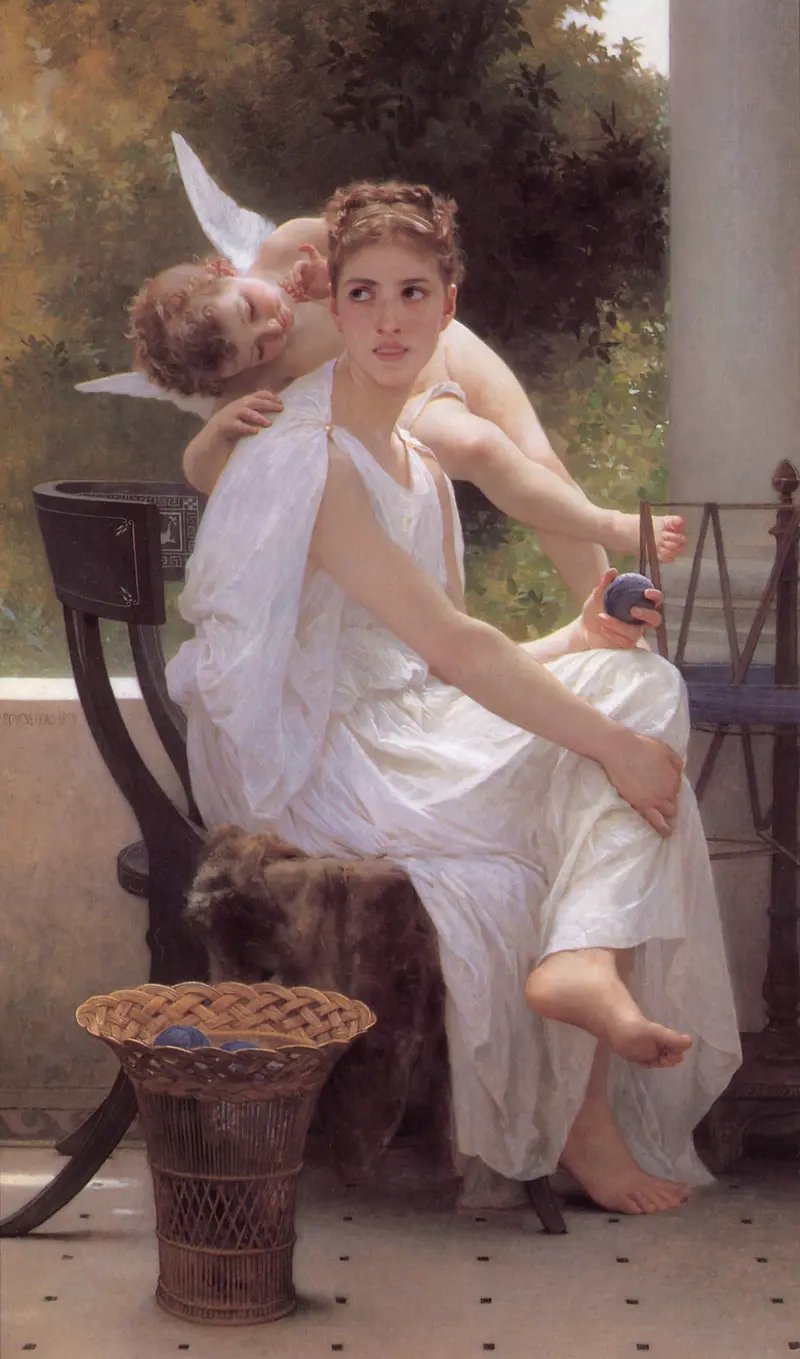
Le travail interrompu
William Bouguereau
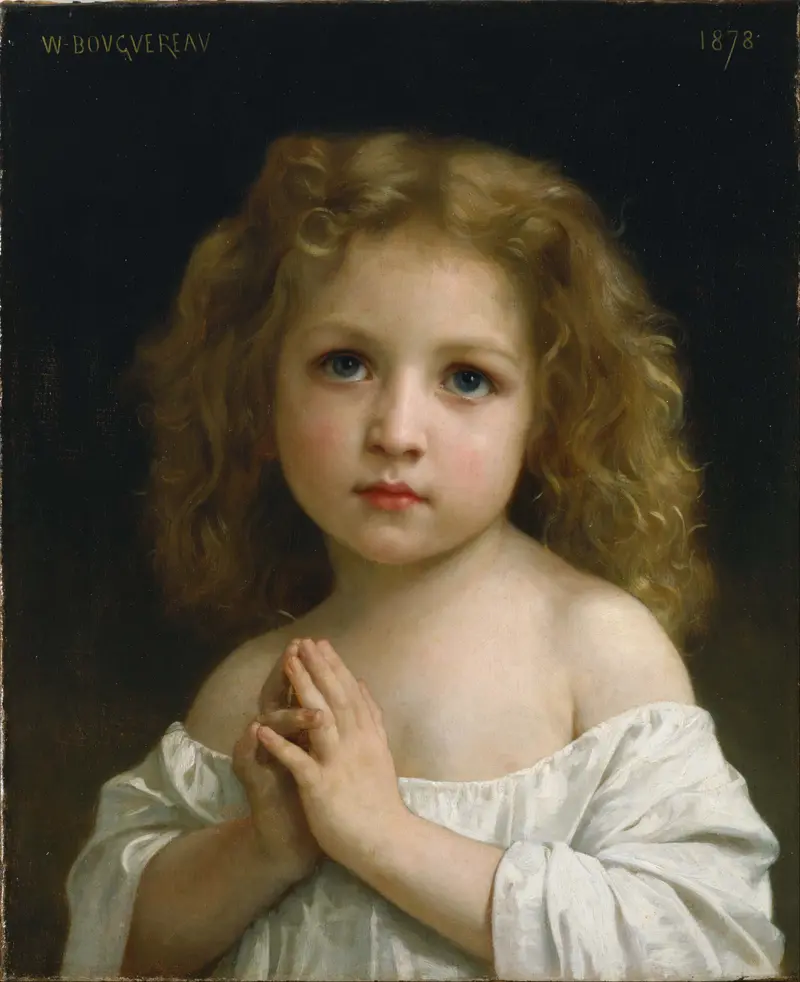
Little Girl
William Bouguereau
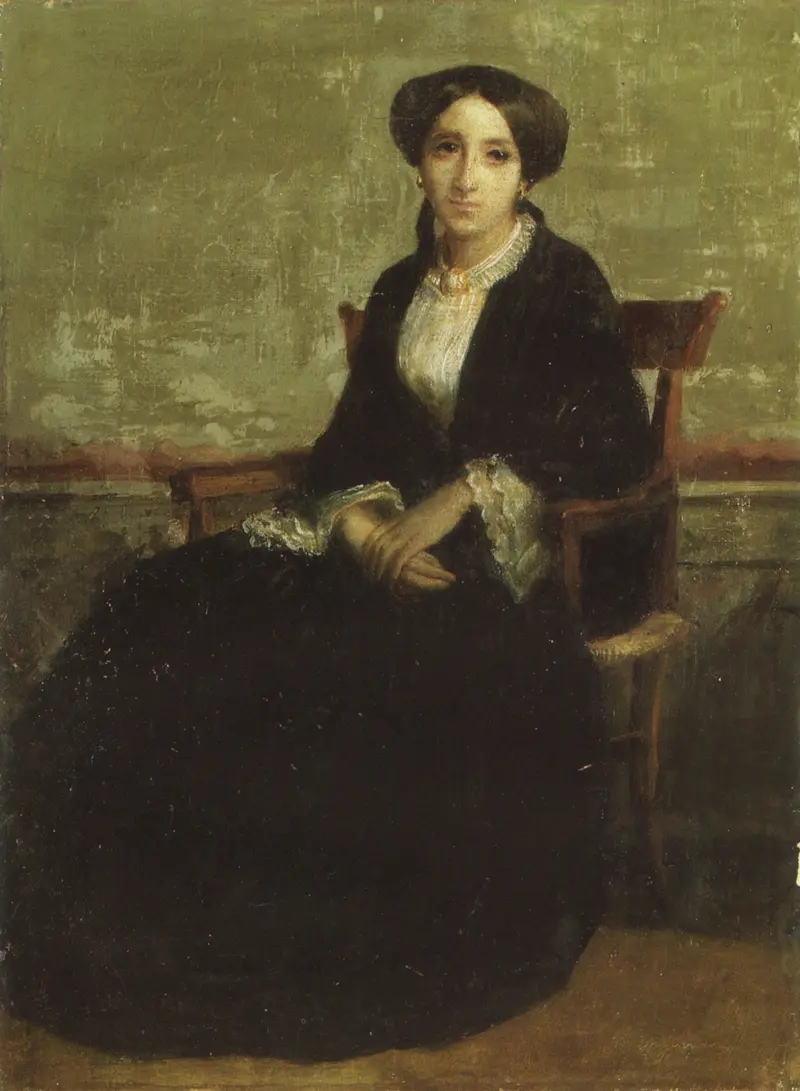
Portrait of Céline Geneviève
William Bouguereau

Bohémienne Au Tambour De Basque
William Bouguereau
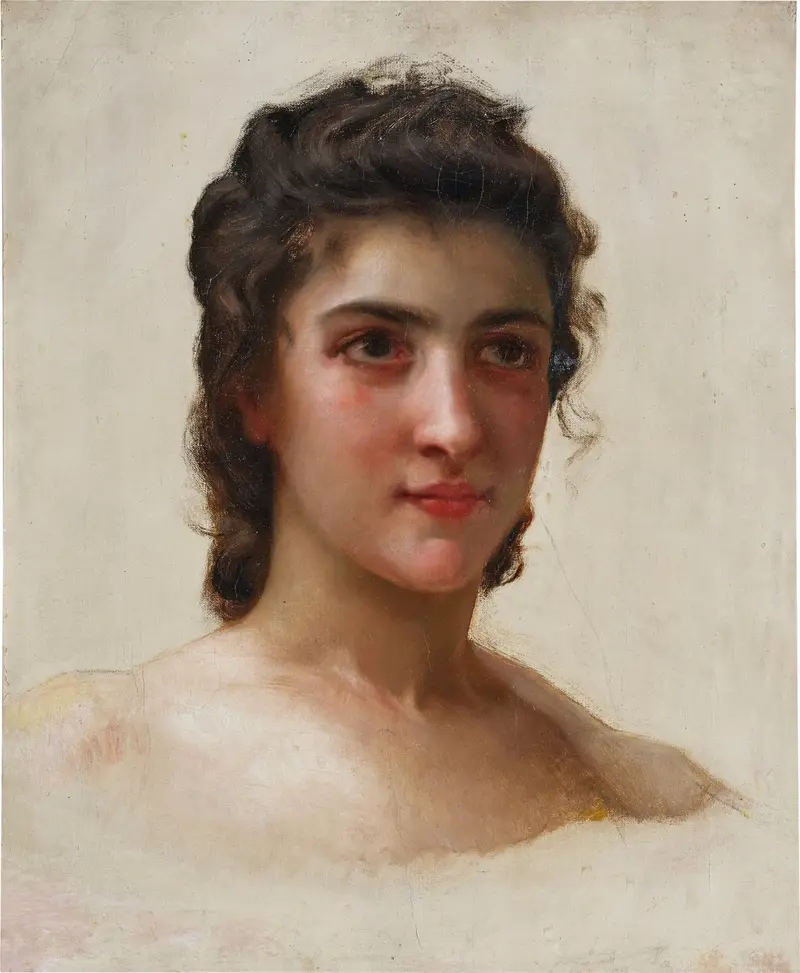
Portrait Study of Gabrielle Drunzer
William Bouguereau
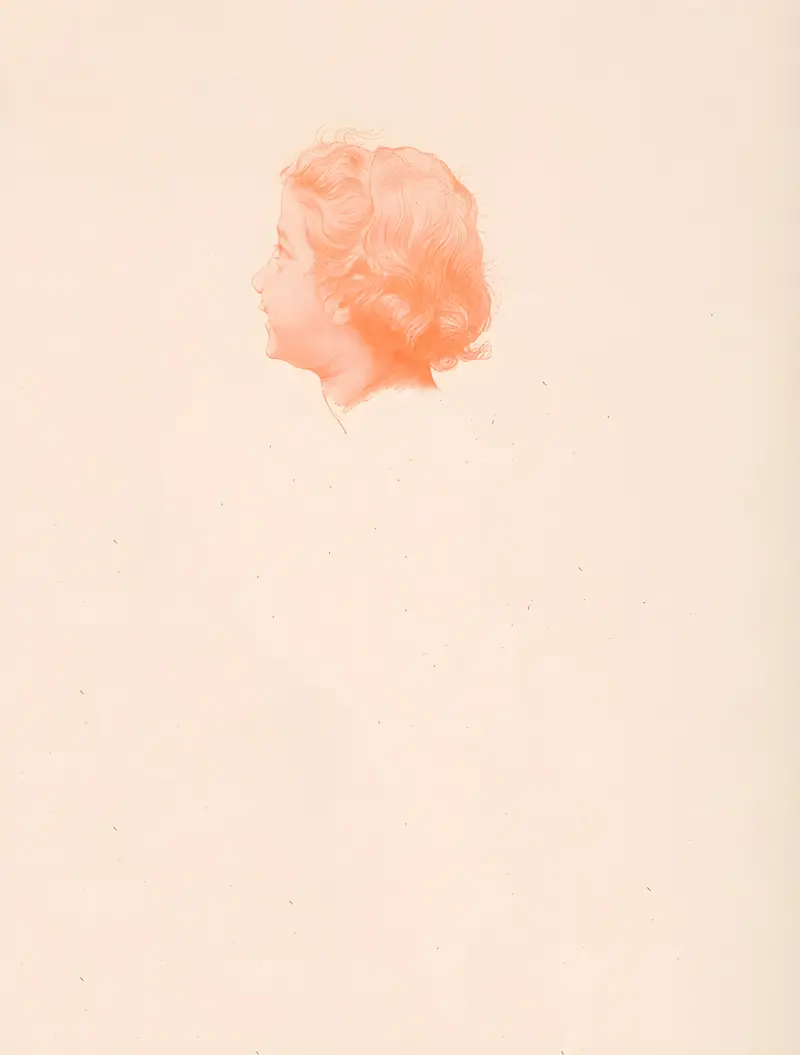
Tête d’enfant
William Bouguereau





