
Dante and Virgil in the Ninth Circle of Hell — History & Facts
Around their feet, naked bodies writhe and crouch, half-submerged in a glassy, icy surface that catches the faint light, their limbs contorted in anguish or despair. The misty, pale light isolates the figures from the deep darkness above, emphasizing their suffering and the chilling, oppressive atmosphere of the scene. The background fades into near-blackness, with only the faintest outlines of more bodies, suggesting an endless expanse of torment.
The paint is handled with smooth, blended transitions, especially in the flesh tones and the eerie glow on the ice, while the brushwork in the background is looser, dissolving forms into shadow. The composition centers the two standing figures, their vertical forms anchoring the scene amid the chaos of the damned, while the scattered bodies and blocks of ice create a sense of disorder and cold immobility. Small details, such as the glistening reflections on the ice and the desperate gestures of the figures, heighten the sense of suffering and isolation.
In the lower right corner, a muscular figure twists upward, his hand gripping his head in a gesture of agony, his body partially submerged in the icy surface. Several pale, block-like forms resembling chunks of ice protrude from the ground around the figures, catching the spectral light. The left edge of the painting is crowded with more indistinct, contorted bodies, their forms dissolving into the darkness and mist.
The cold illumination falls most strongly on the exposed backs and shoulders of the suffering figures near the center, while the far background and corners remain shrouded in deep shadow.
Sources: Wikidata Q59115057 · Wikipedia: Dante and Virgil in the Ninth Circle of Hell · Image source (Wikimedia Commons)
More Artworks by Gustave Doré

The Deluge
Gustave Doré
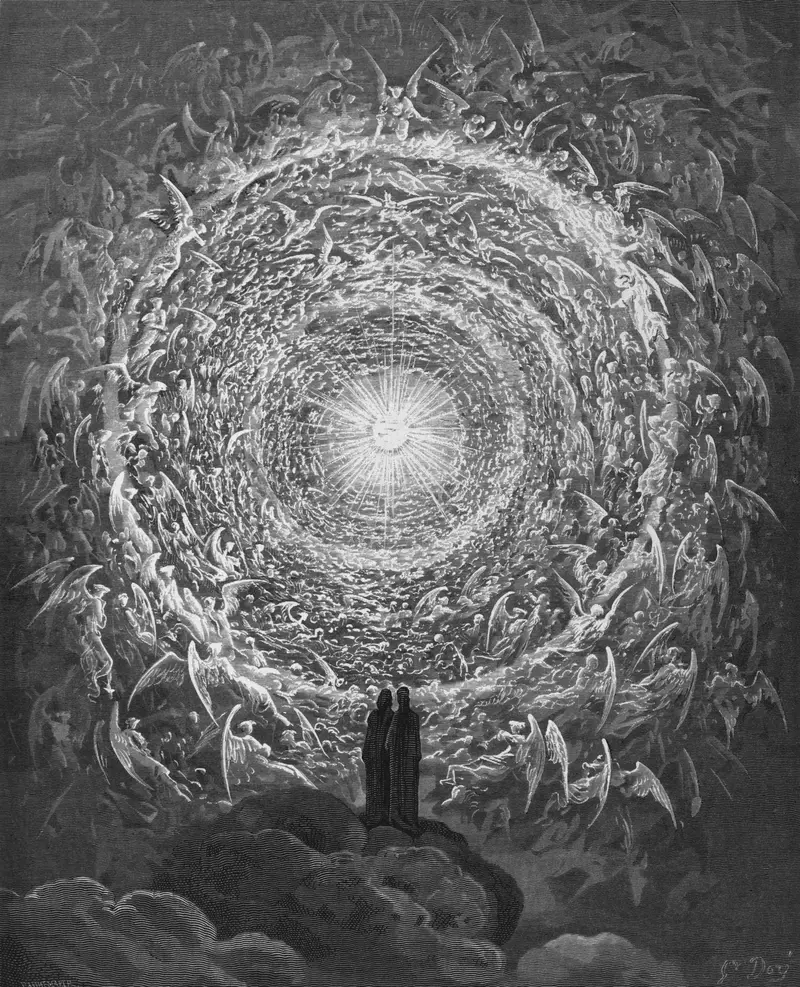
The Empyrean (Paradiso, Canto 31)
Gustave Doré
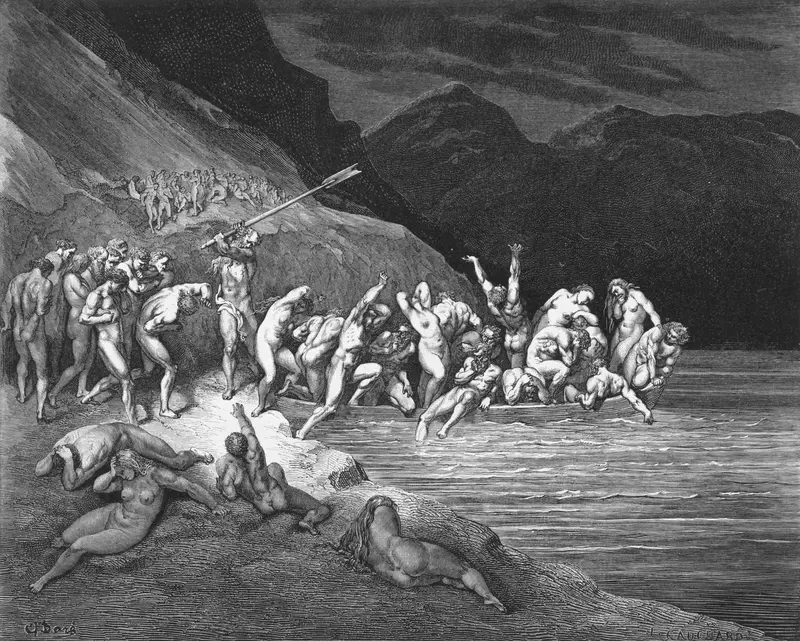
Charon (Inferno, Canto 3)
Gustave Doré
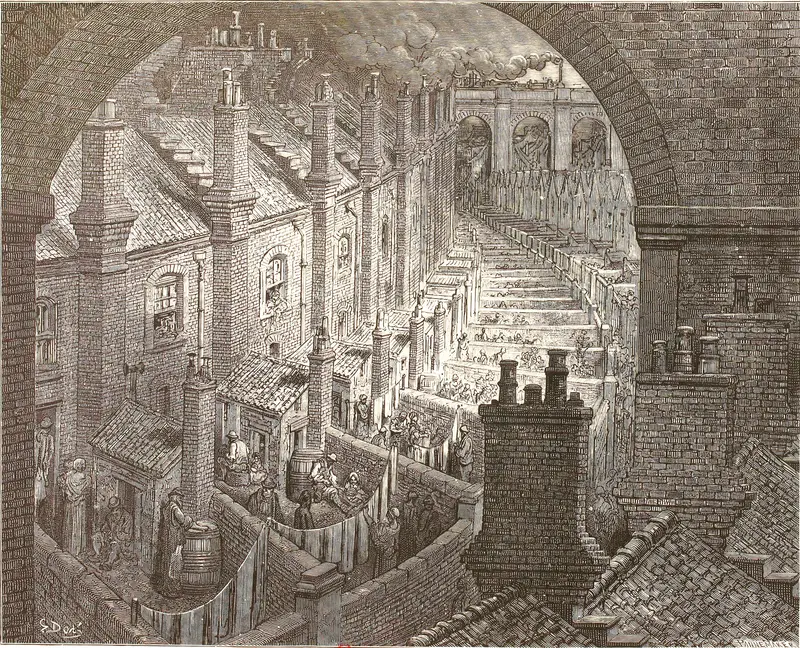
Over London by Rail
Gustave Doré
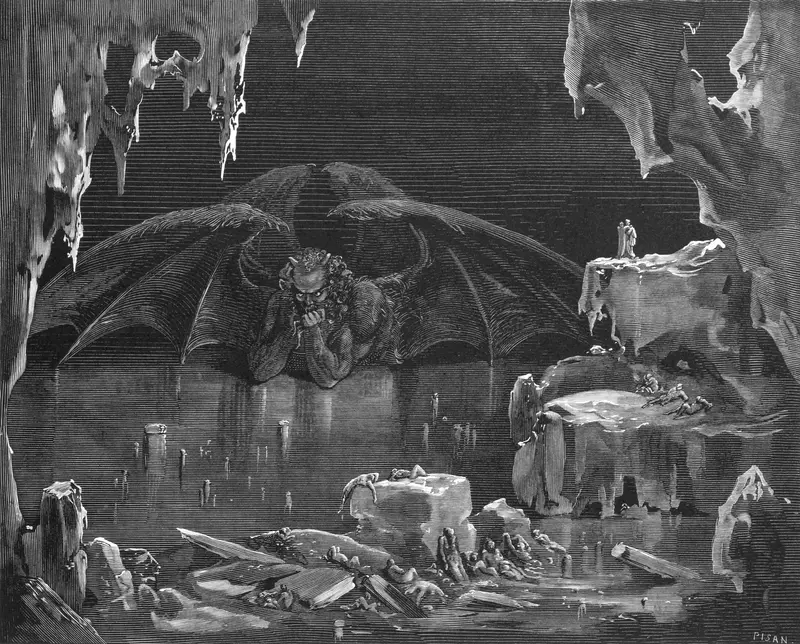
Lucifer, King of Hell
Gustave Doré
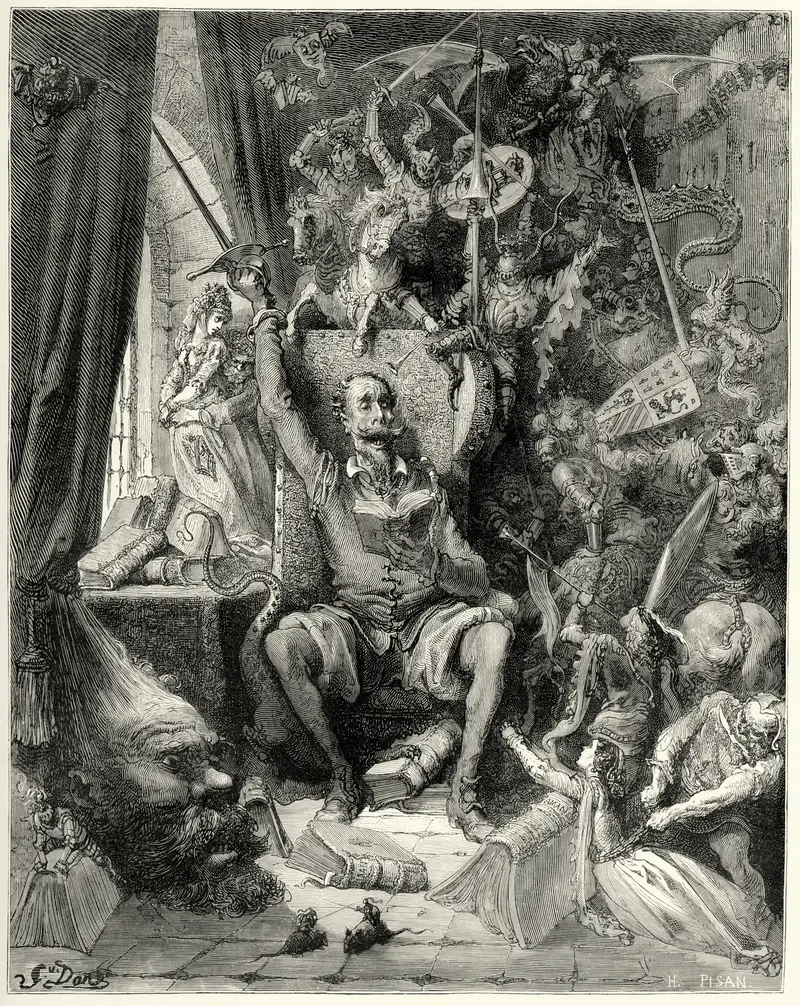
Don Quixote in His Library
Gustave Doré
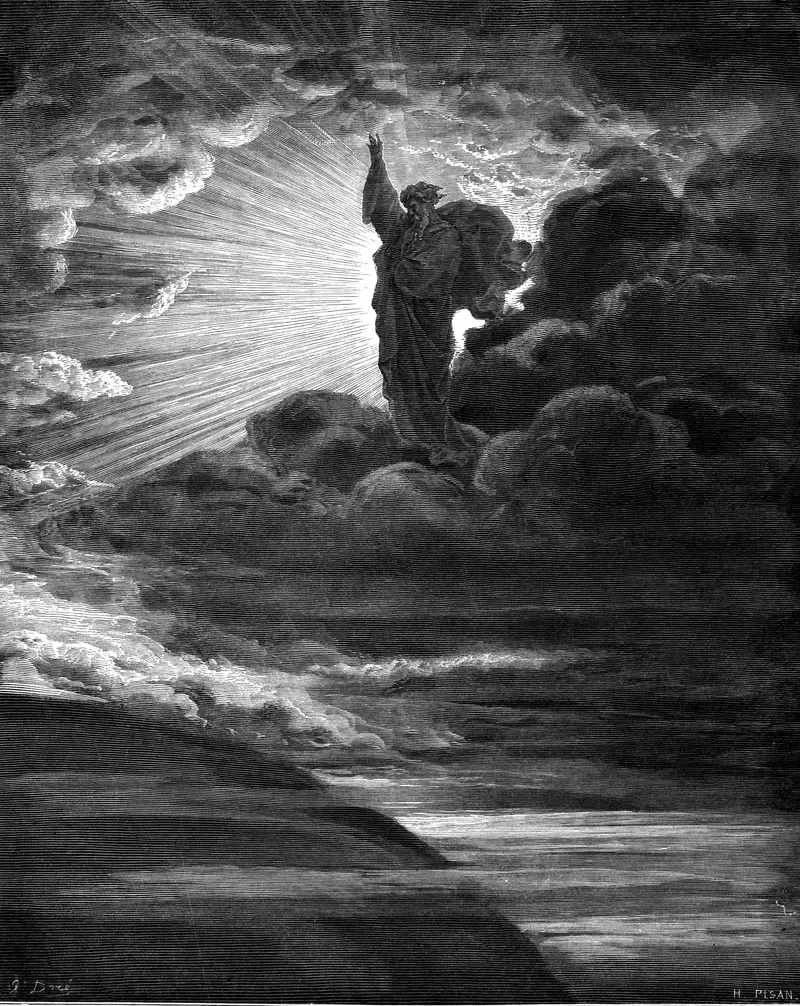
The Creation of Light
Gustave Doré
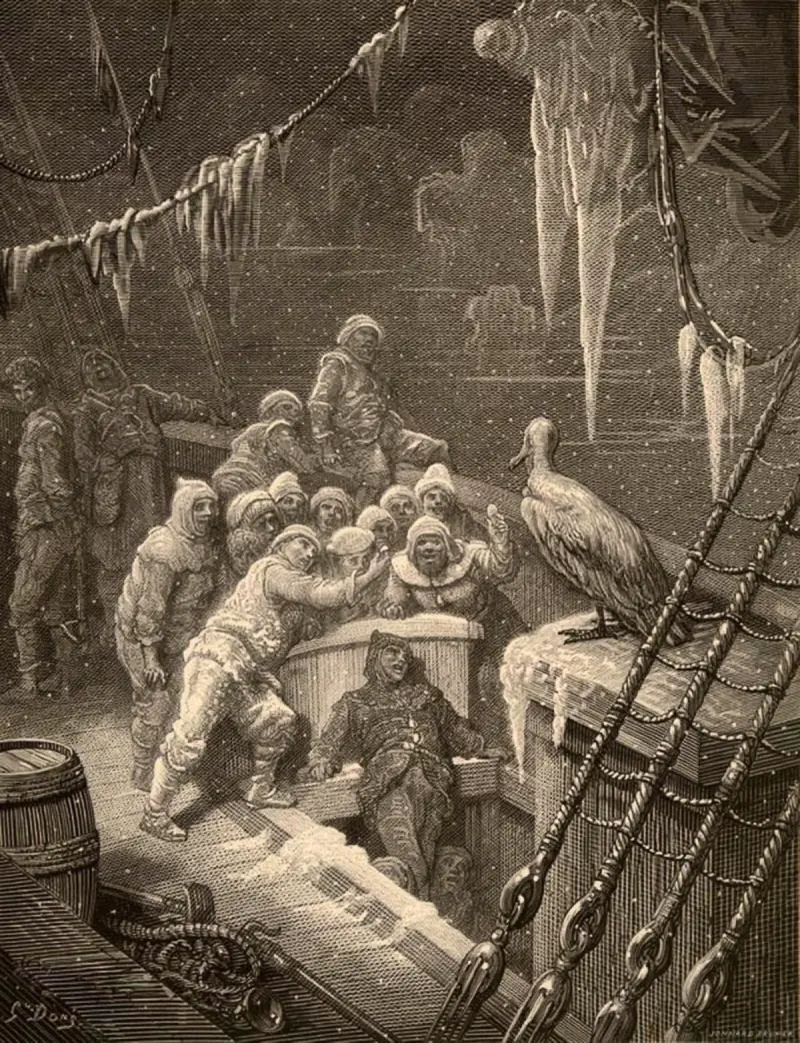
The Albatross (The Rime of the Ancient Mariner)
Gustave Doré
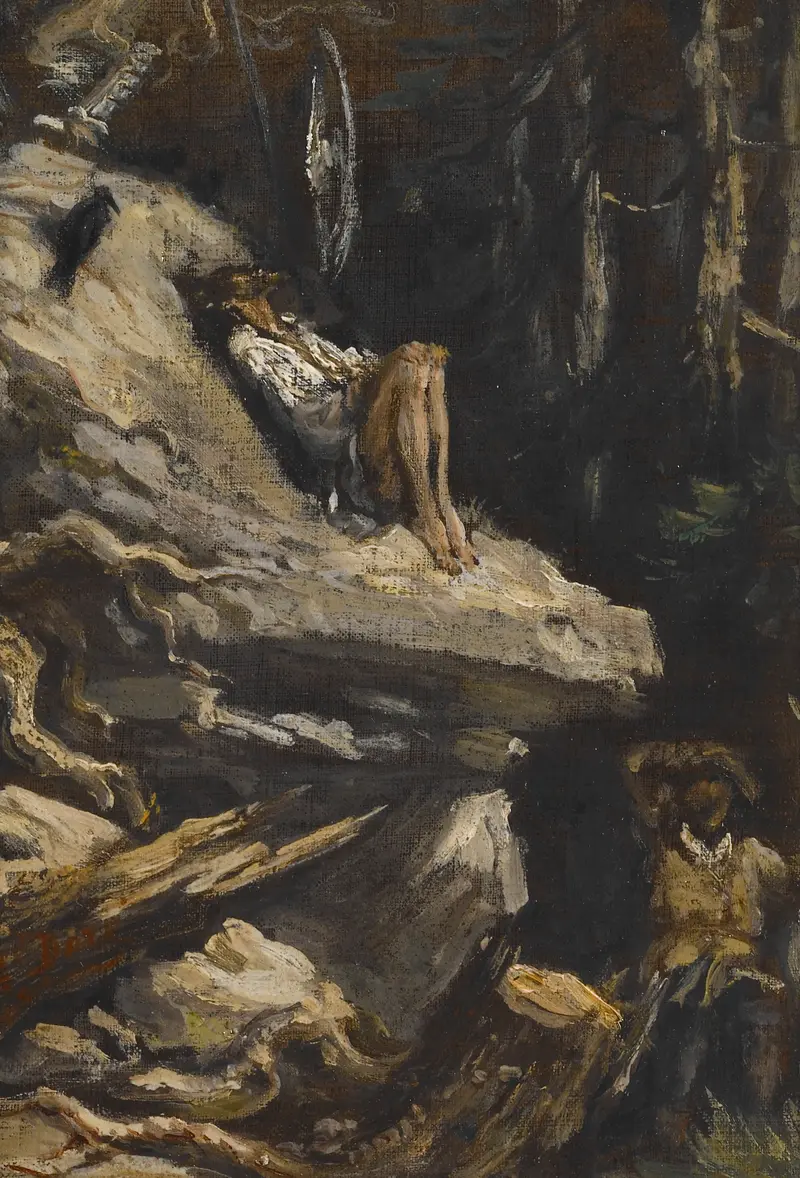
"'Alas!' answered Sancho, 'I found him in his shirt, lean, pale, and almost starved, sighing for his Lady Dulcinea'" from Don Quixote
Gustave Doré
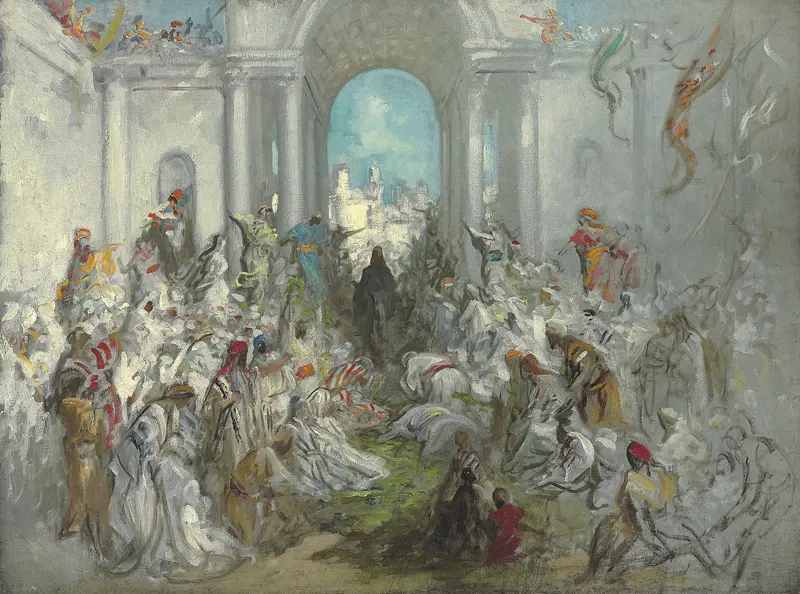
Christ's Entry into Jerusalem
Gustave Doré



