
"'Alas!' answered Sancho, 'I found him in his shirt, lean, pale, and almost starved, sighing for his Lady Dulcinea'" from Don Quixote — History & Facts
Few illustrators have left as indelible a mark on the literary imagination as Gustave Doré did with his visual interpretations of Don Quixote. When Doré’s engravings for Cervantes’ classic appeared in 1863, they were hailed as a revelation, praised for capturing the tragicomic spirit of the knight and his squire. These images became so influential that, for generations, readers pictured Doré’s Quixote and Sancho before any other.
The particular scene, 'Alas!' answered Sancho, 'I found him in his shirt, lean, pale, and almost starved, sighing for his Lady Dulcinea', stands out for its raw sympathy, offering a glimpse into the emotional cost of Quixote’s quest. In this moment from the novel, Sancho Panza discovers his master in a state of utter desolation, stripped of his armor and dignity, longing for the unattainable Dulcinea. Doré chooses to emphasize the vulnerability of Don Quixote: his gaunt figure, draped only in a shirt, sits slumped in a sparse interior, the light falling harshly on his hollow cheeks. Sancho, ever the loyal companion, stands nearby, concern etched on his face.
The stark contrast between Quixote’s frailty and the sturdy presence of Sancho underscores the reversal of their usual roles. Unlike earlier, more heroic depictions by artists such as Honoré Daumier, Doré’s vision is unflinching in its humanity, inviting the viewer to pity as much as to laugh. The exact date and medium of this particular work remain uncertain, as Doré’s Don Quixote illustrations were produced as engravings for mass publication rather than as unique paintings or drawings. These images were widely disseminated across Europe, shaping the popular image of Cervantes’ characters.
While the original plates and preparatory drawings have sometimes surfaced in auctions and collections, most viewers know Doré’s Quixote through the printed page. Today, his illustrations are celebrated as a high point in 19th-century book art, and continue to be reprinted and exhibited, a testament to their enduring power and the artist’s gift for storytelling in line and shadow.
Sources: Wikidata Q27896795 · Image source (Wikimedia Commons)
More Artworks by Gustave Doré

The Deluge
Gustave Doré
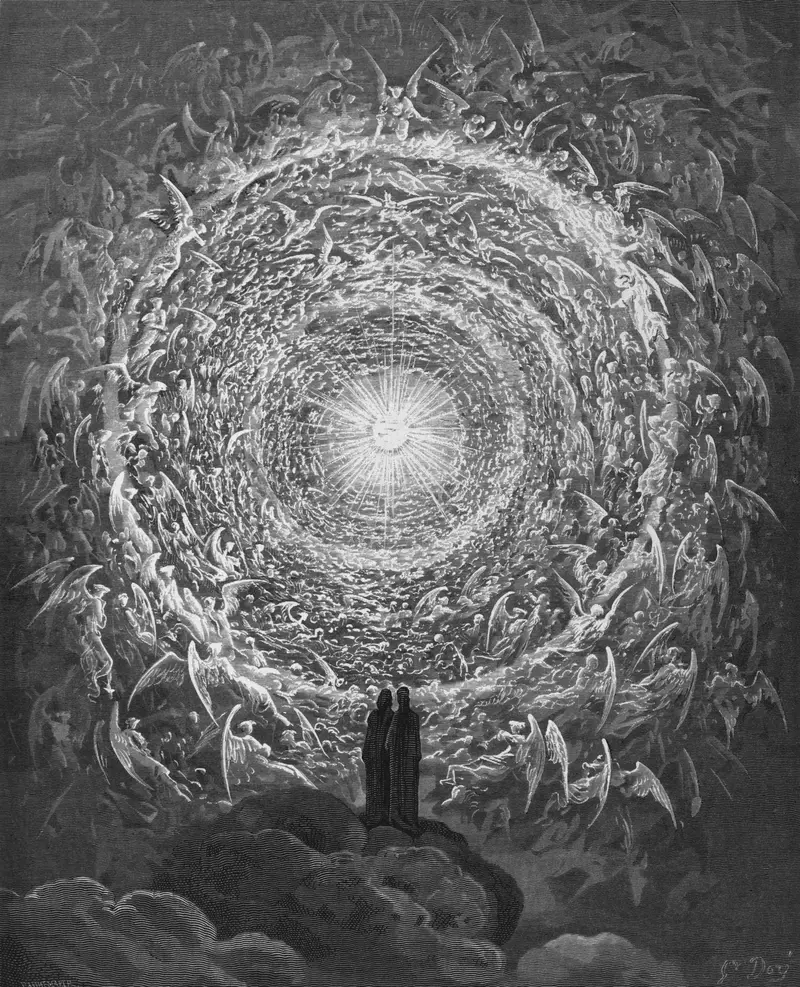
The Empyrean (Paradiso, Canto 31)
Gustave Doré
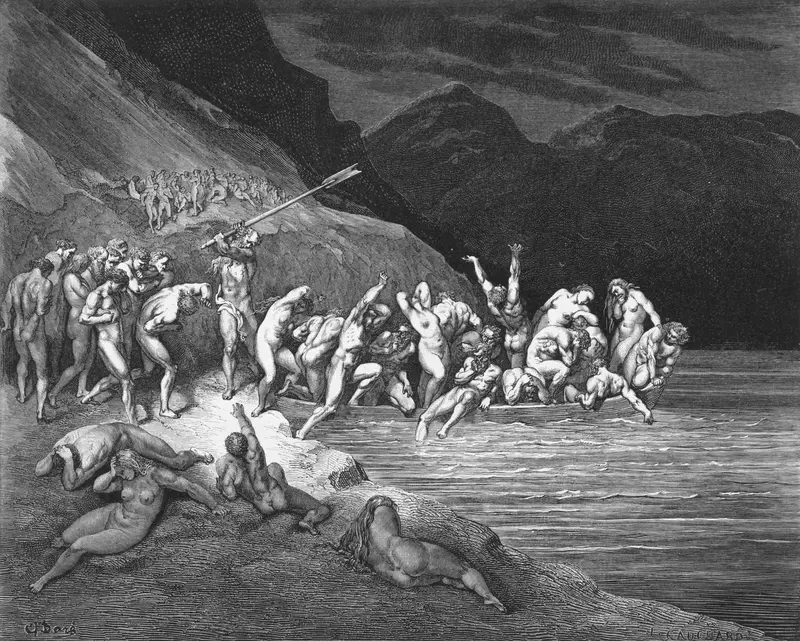
Charon (Inferno, Canto 3)
Gustave Doré
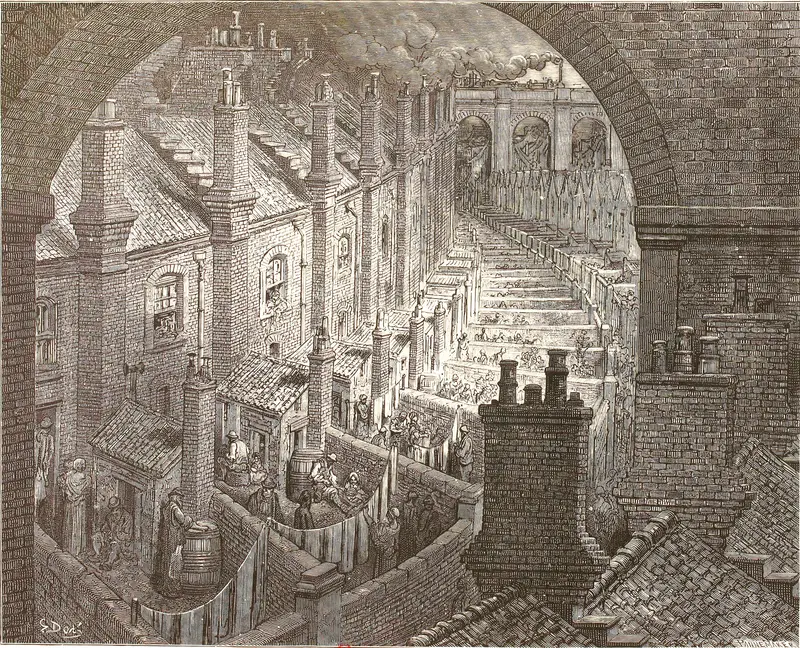
Over London by Rail
Gustave Doré
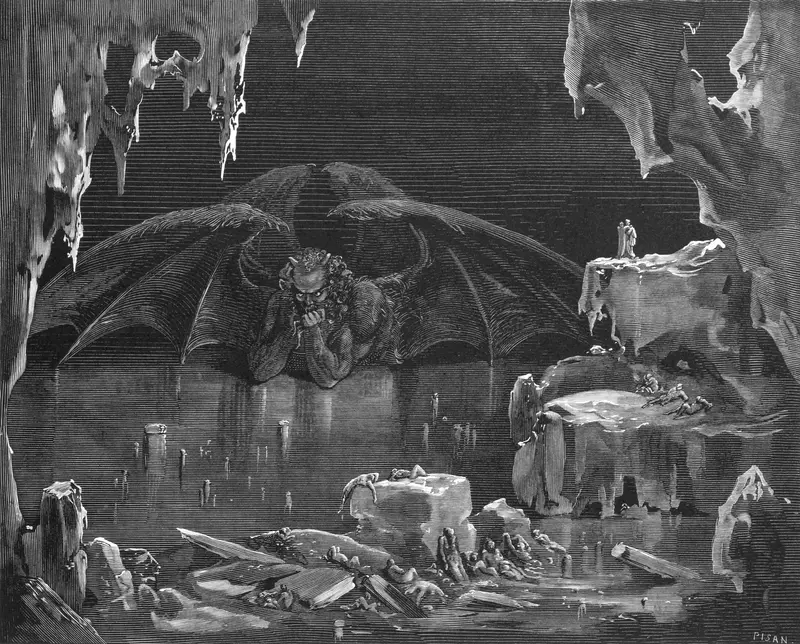
Lucifer, King of Hell
Gustave Doré
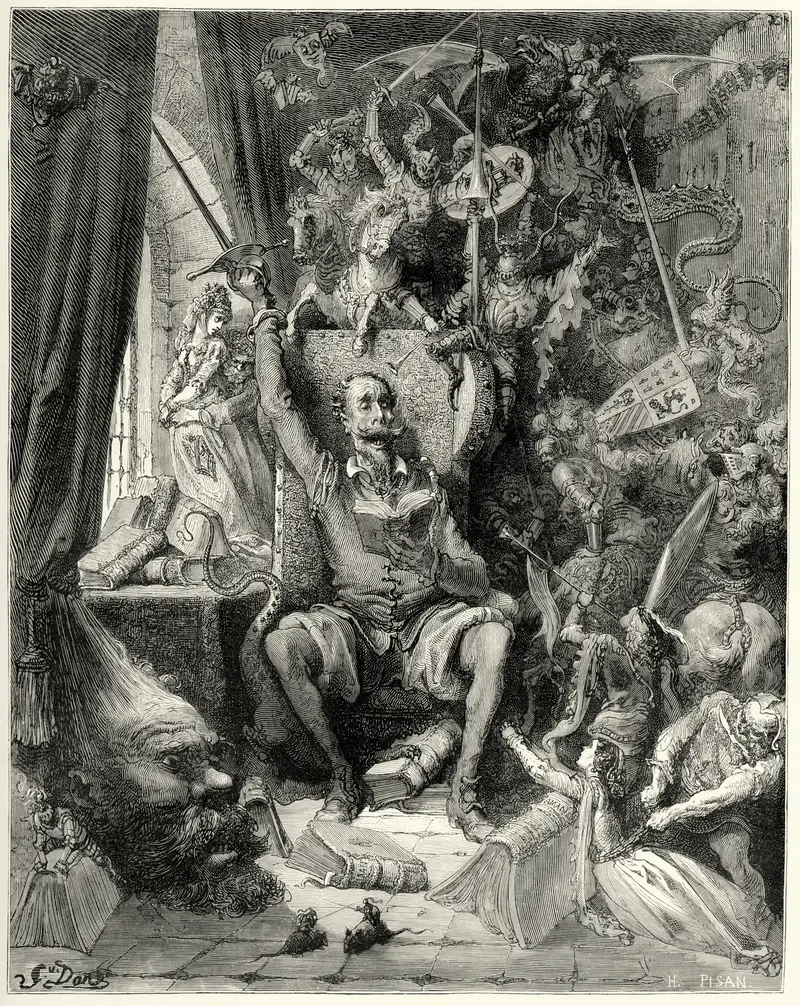
Don Quixote in His Library
Gustave Doré
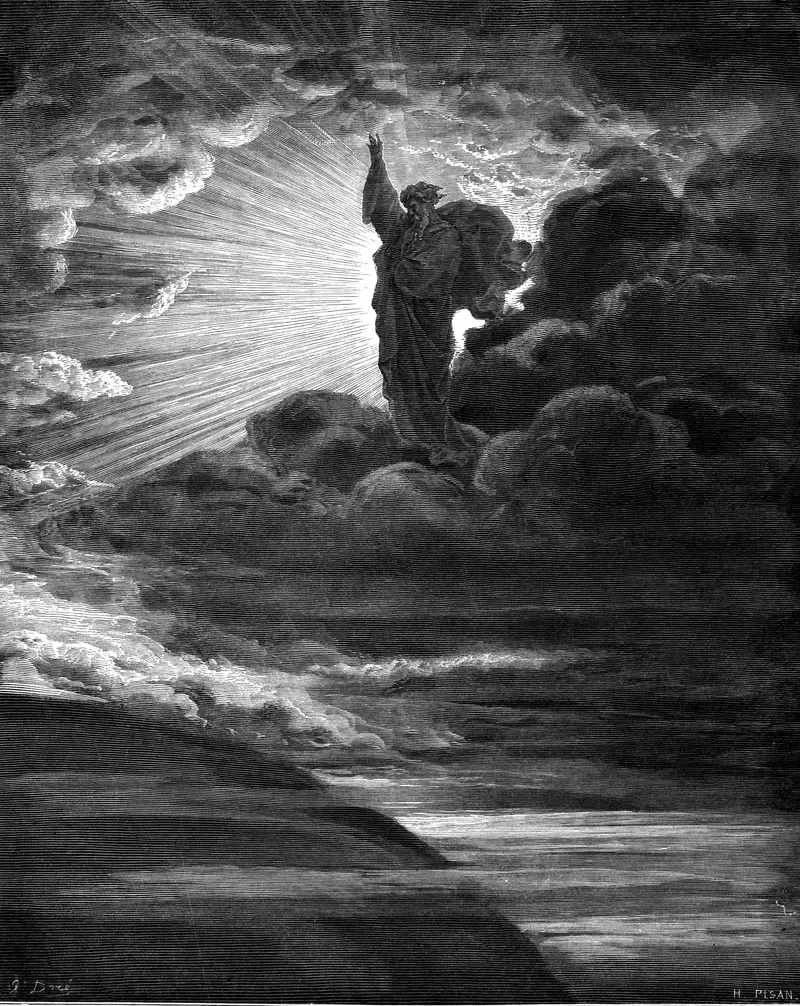
The Creation of Light
Gustave Doré
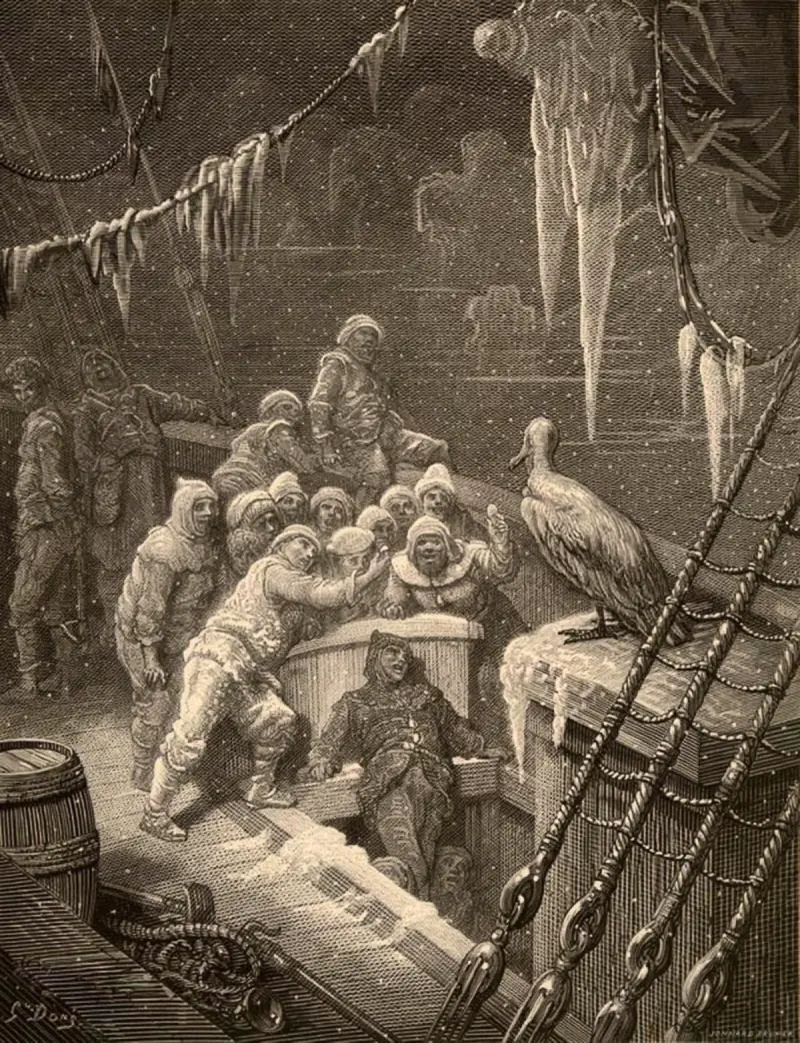
The Albatross (The Rime of the Ancient Mariner)
Gustave Doré
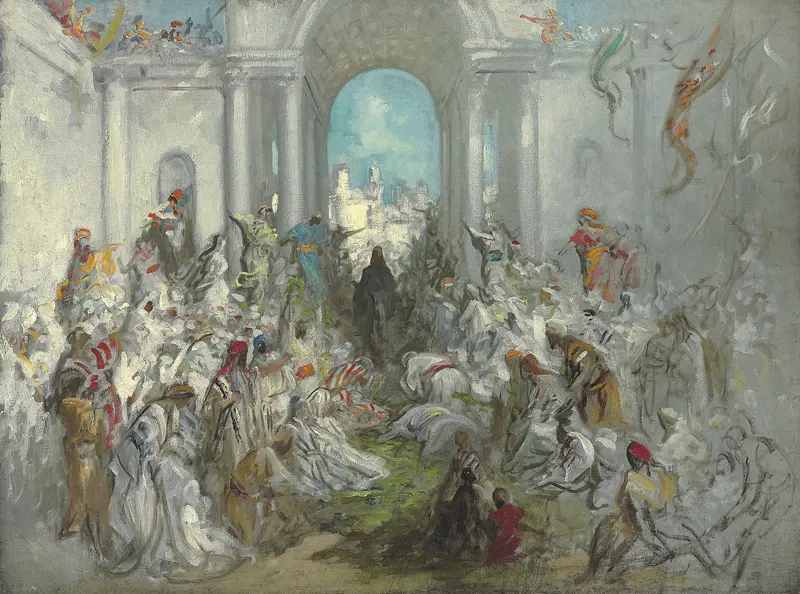
Christ's Entry into Jerusalem
Gustave Doré
Guitar Player
Gustave Doré




