
Christ's Entry into Jerusalem — History & Facts
When Gustave Doré turned his attention to the story of Christ’s entry into Jerusalem in 1876, he was already famed across Europe for his dramatic biblical illustrations, but this work stands apart as a rare, large-scale painting on the subject. Doré’s vision of the triumphant arrival—celebrated on Palm Sunday—was so influential that his imagery shaped how generations of readers visualized the New Testament. While the exact commission for this painting remains uncertain, it is known that Doré’s biblical scenes were in high demand among collectors and religious institutions in the late nineteenth century, eager for his theatrical sense of narrative. The scene Doré chose unfolds at the moment Jesus, seated humbly on a donkey, enters the city gates of Jerusalem to the adulation of a swelling crowd.
Children and adults spread palm branches and cloaks before him, a gesture of honor and prophecy. Doré’s composition surges with movement: the throng presses in, faces alight with hope and awe, while the city’s ancient walls loom in the background. The light falls directly on Christ, isolating him in a halo of brightness amid the tumult, underscoring his dual role as both king and sacrificial figure.
Unlike Giotto’s more restrained treatment of the same event in his Arena Chapel frescoes, Doré’s version brims with the energy and spectacle of a public festival, yet the central figure remains calm, almost sorrowful, foreshadowing the events to come. The precise history of this painting after its creation is not fully documented, a common fate for Doré’s larger canvases, many of which were dispersed across Europe and America after his death in 1883. It is thought to have been exhibited in Paris soon after its completion, alongside other biblical works, but its subsequent journey is unclear. Today, Christ’s Entry into Jerusalem is most often encountered in reproduction, a testament to Doré’s enduring influence on religious art and illustration.
The painting marks a late period in Doré’s career, when he sought to establish himself as a serious painter rather than merely an illustrator, blending his gift for narrative clarity with the grandeur of historical painting.
Sources: Wikidata Q111821765 · Image source (Wikimedia Commons)
More Artworks by Gustave Doré

The Deluge
Gustave Doré
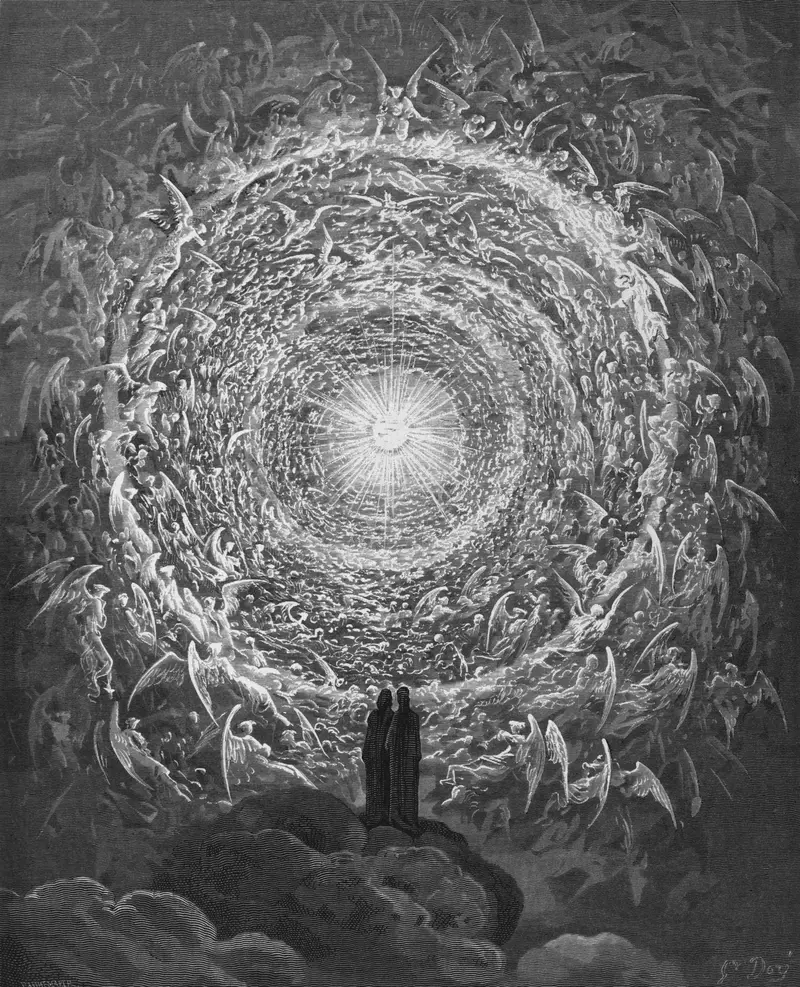
The Empyrean (Paradiso, Canto 31)
Gustave Doré
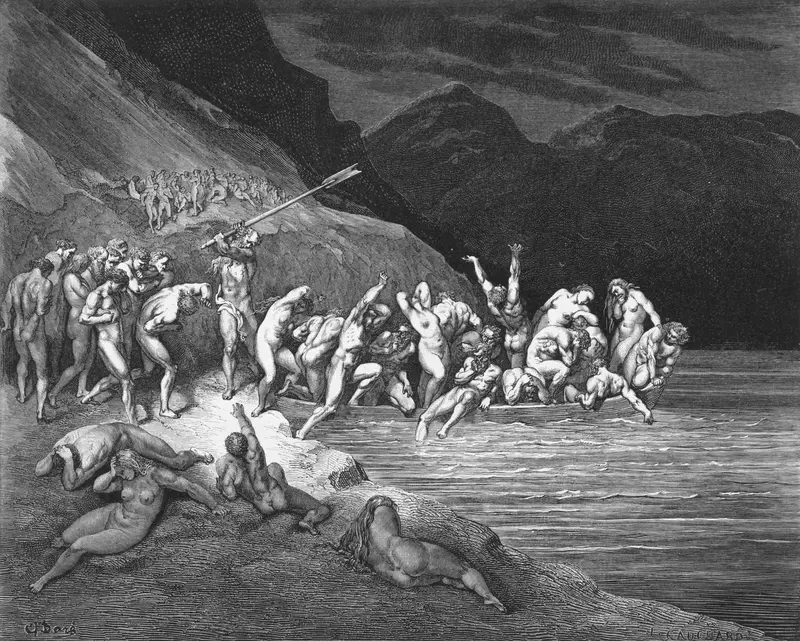
Charon (Inferno, Canto 3)
Gustave Doré
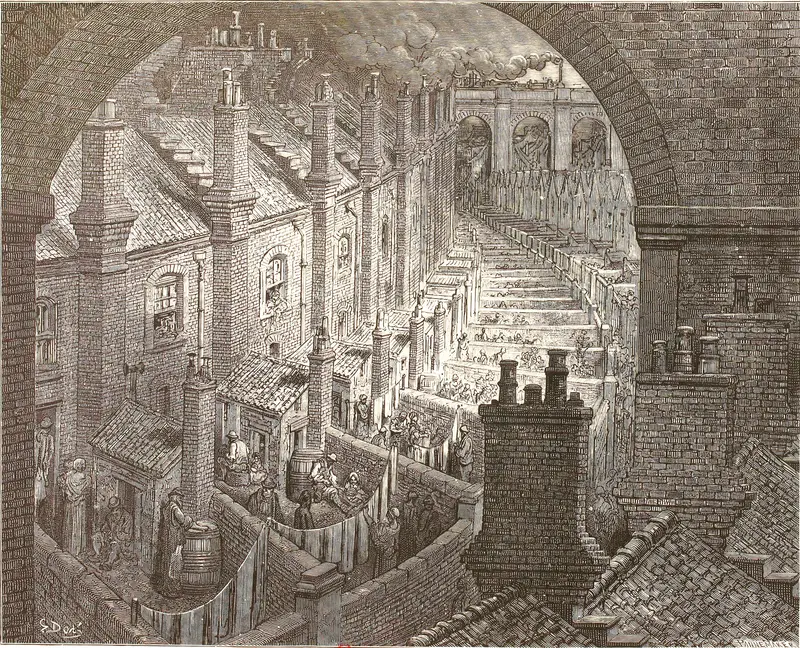
Over London by Rail
Gustave Doré
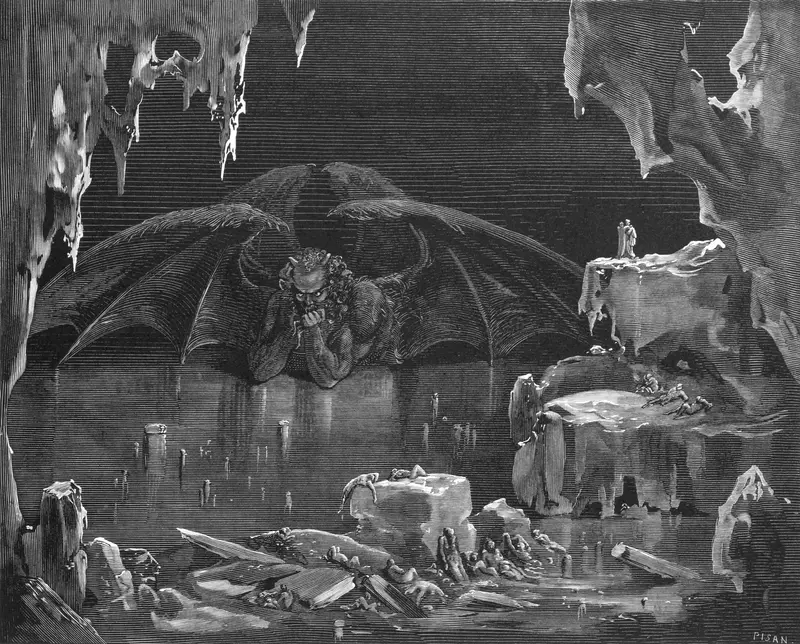
Lucifer, King of Hell
Gustave Doré
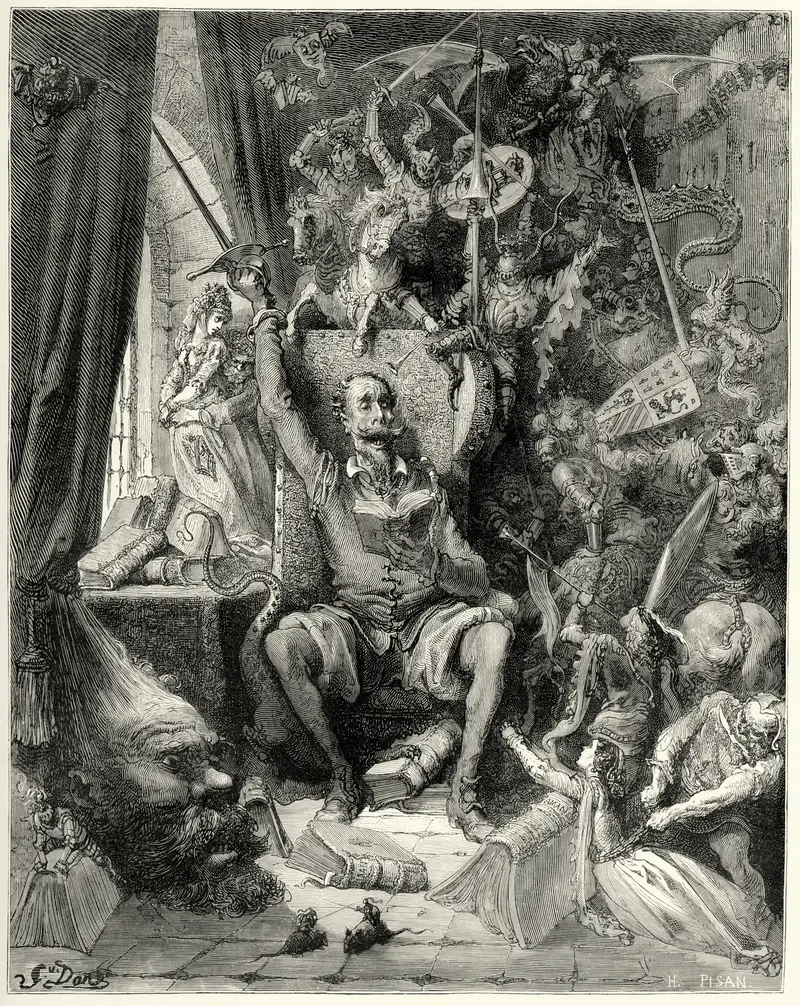
Don Quixote in His Library
Gustave Doré
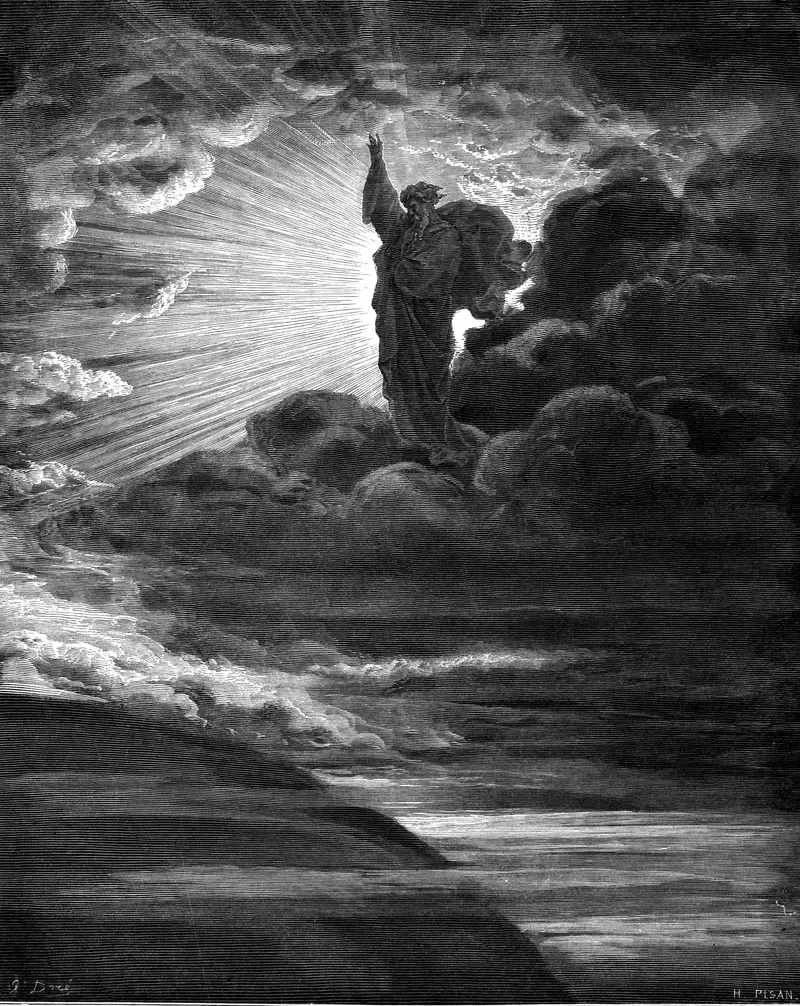
The Creation of Light
Gustave Doré
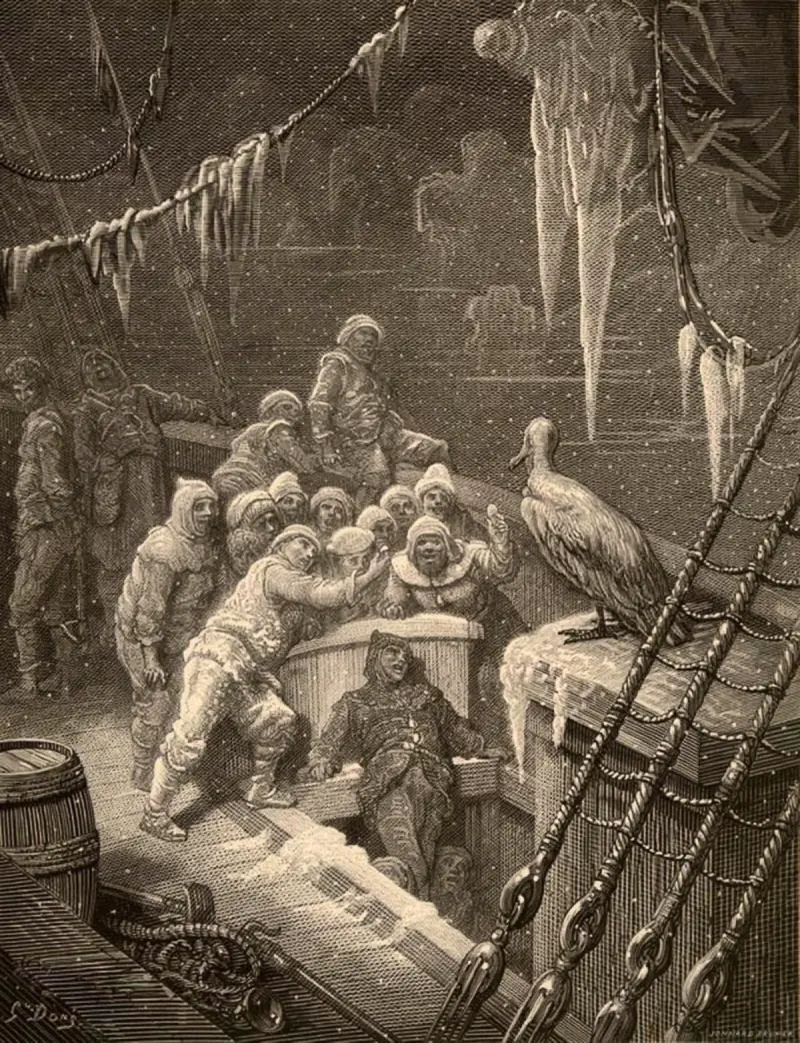
The Albatross (The Rime of the Ancient Mariner)
Gustave Doré
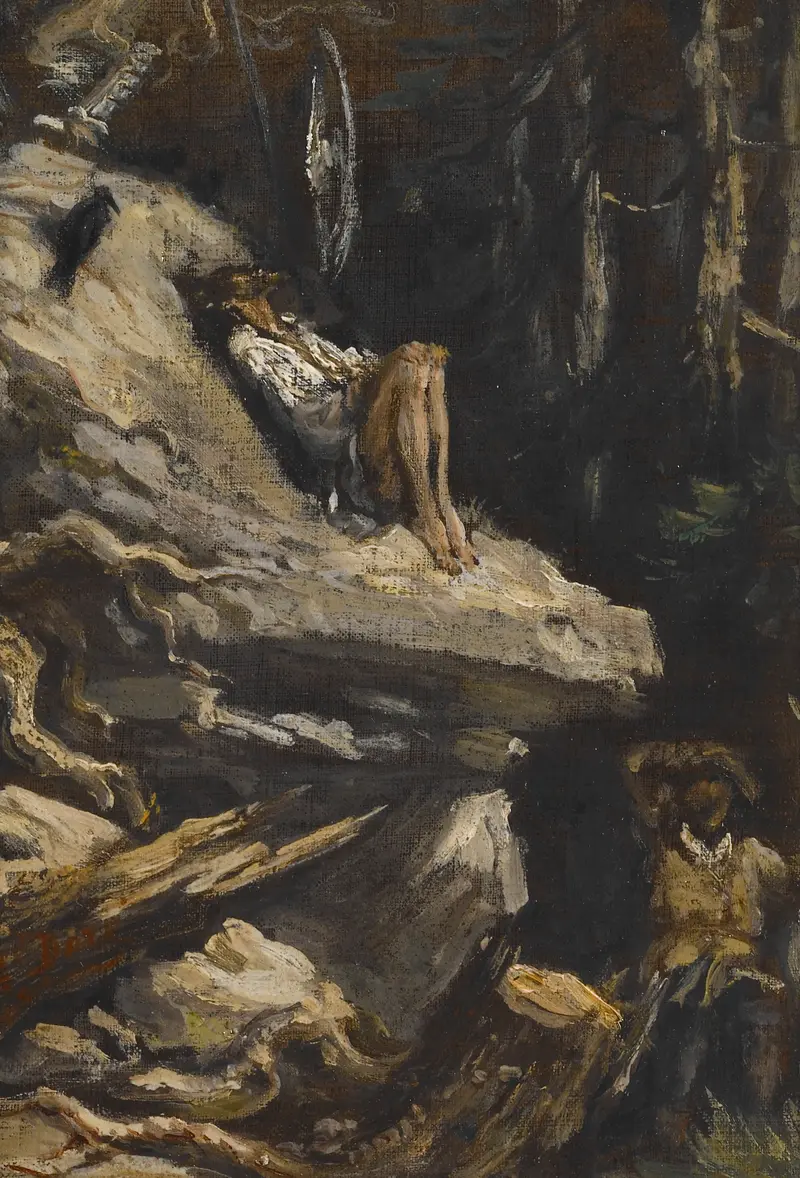
"'Alas!' answered Sancho, 'I found him in his shirt, lean, pale, and almost starved, sighing for his Lady Dulcinea'" from Don Quixote
Gustave Doré
Guitar Player
Gustave Doré





