
Das alte Haus — History & Facts
Could a single brushstroke hold eternity? In Das alte Haus, Otto Modersohn invites us to ponder the profound silence of a forgotten place, where time seems suspended, and memories linger like whispers in the wind. Look to the lower left at the weathered facade of the house, its edges softened by the passage of seasons. The muted palette of ochres and grays reflects the melancholic charm of decay, inviting the eye to explore its textured surfaces. Notice how the light dances delicately across the crumbling bricks, illuminating patches of overgrown grass that reclaim the ground.
The composition pulls us inwards, as the stark outline of the house stands bold against the expansive backdrop of a cloudy sky. This artwork masterfully contrasts the vitality of nature with the stillness of human creation. The overgrown flora encroaches upon the structure, symbolizing the relentless passage of time that renders manmade forms vulnerable. The absence of human presence amplifies this sense of void, suggesting that life and decay coexist in a fragile balance, each brushstroke capturing the essence of impermanence.
The house, once a sanctuary of life, now becomes a poignant reminder of what was lost. In 1922, Modersohn painted this work during a period marked by post-World War I introspection and artistic evolution in Germany. Living in the serene countryside of Worpswede, he found solace in depicting landscapes and structures that resonated with his personal experiences of loss and transition. The quietude of his surroundings deeply influenced his approach, leading to a body of work that reflects both a reverence for nature and an acknowledgment of human vulnerability.
More Artworks by Otto Modersohn
Browse all →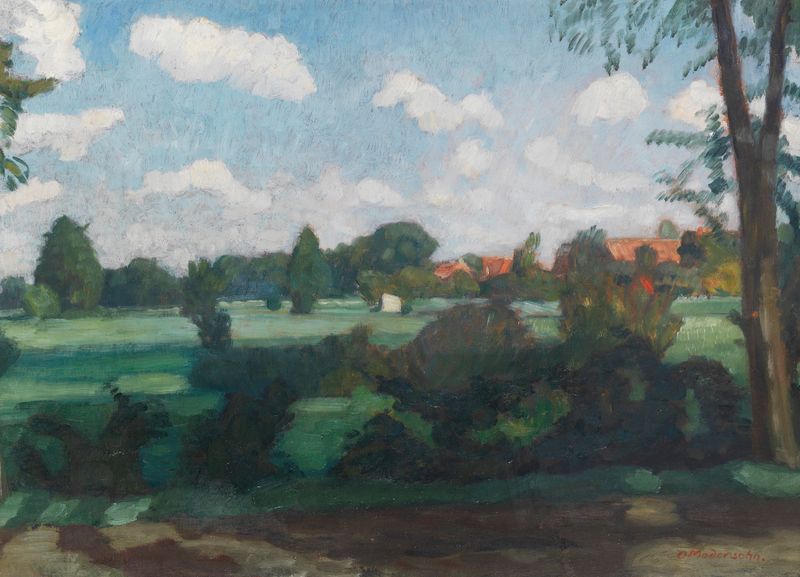
Sommerliche Wiesen bei Fischerhude
Otto Modersohn
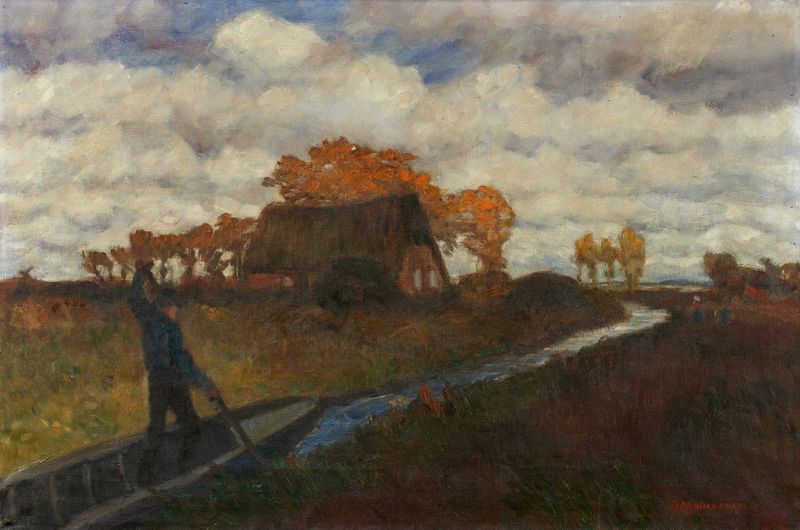
Herbstwetter
Otto Modersohn
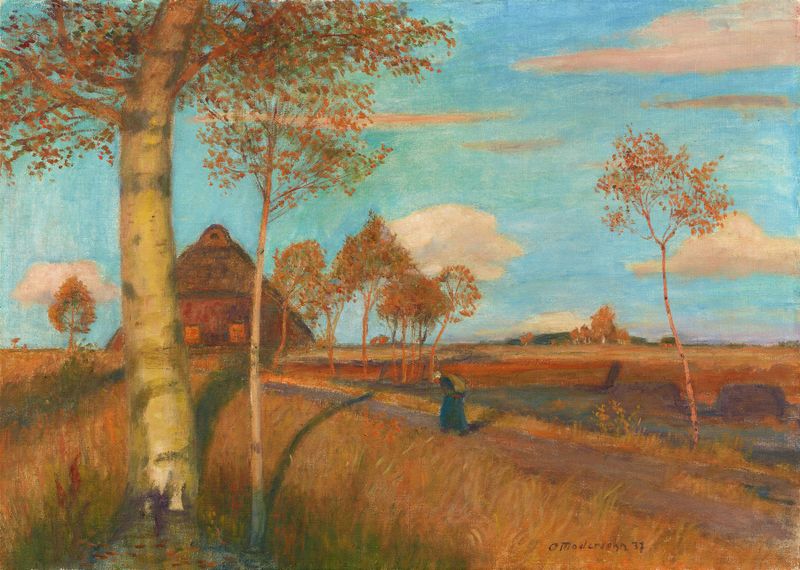
Abendsonne im Moor
Otto Modersohn
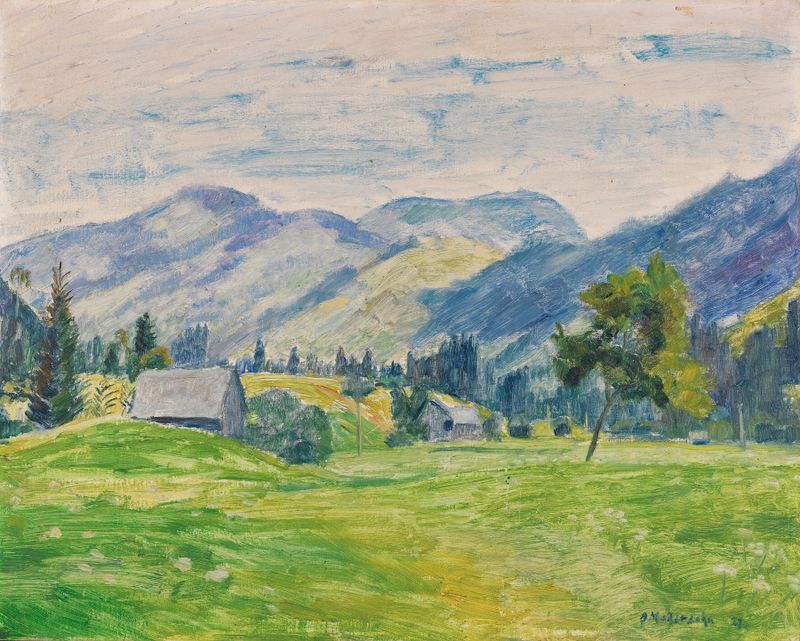
Lichter Sommertag im Allgäu (Unterjoch bei Hindelang)
Otto Modersohn
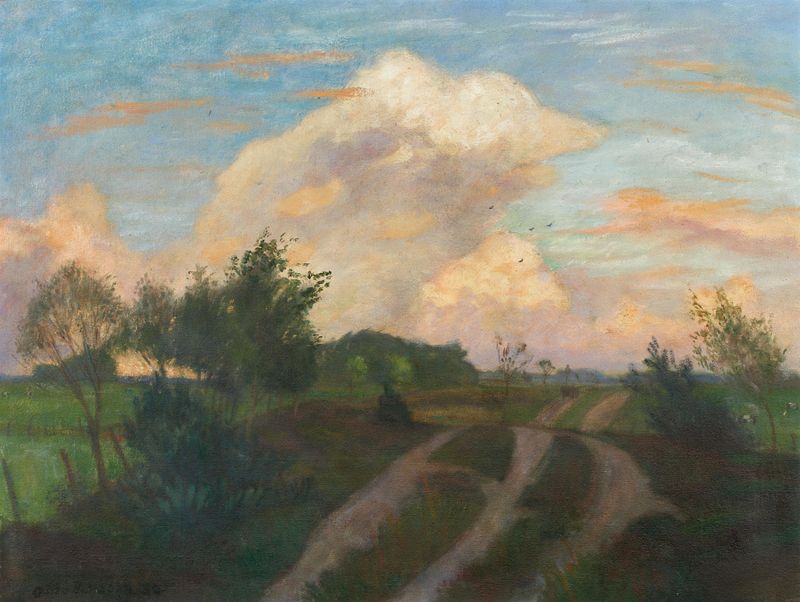
Sommerabend in der Surheide
Otto Modersohn
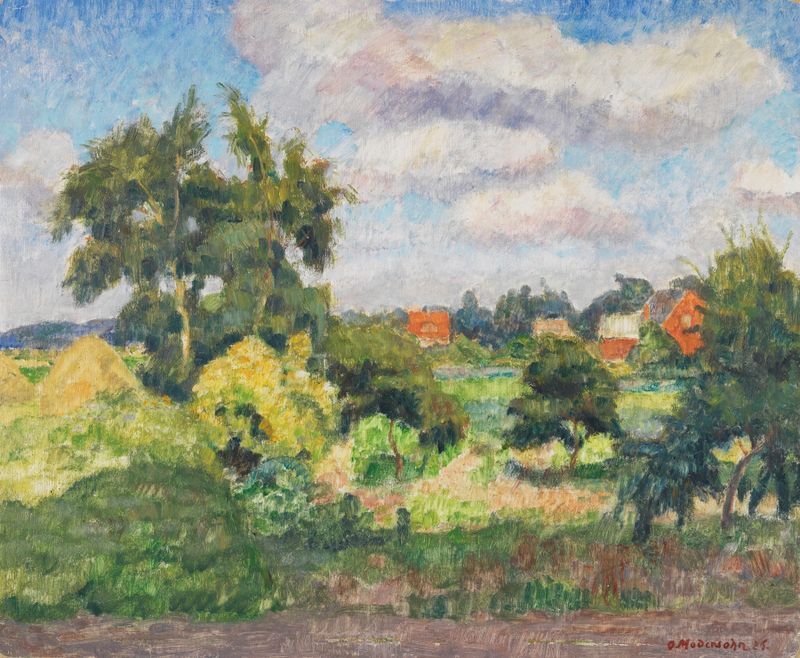
Sommertag in den Feldern bei Fischerhude
Otto Modersohn
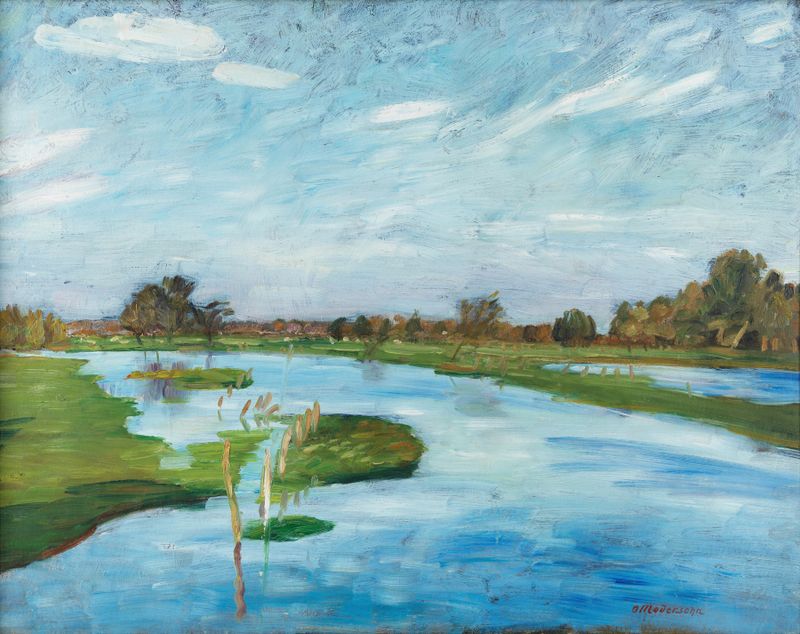
Überschwemmte Wümmewiesen
Otto Modersohn
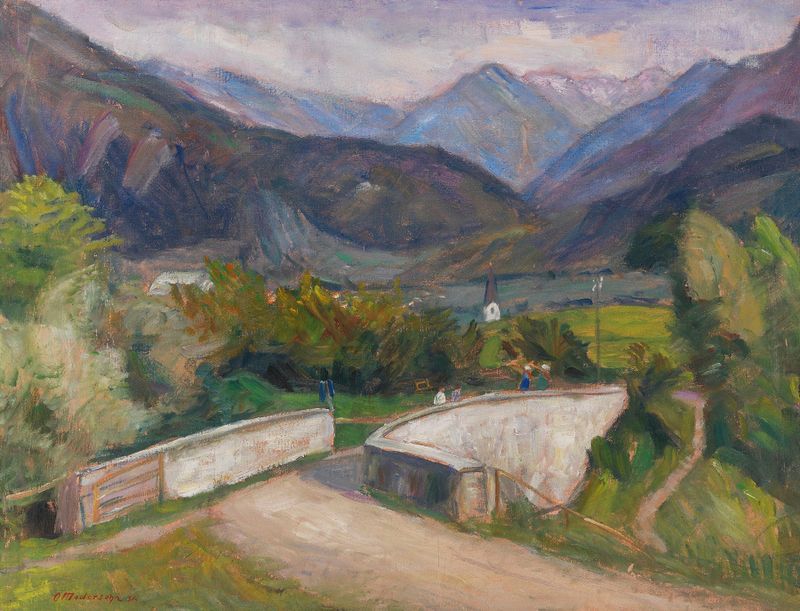
Zillenbachbrücke (Weg nach Gailenberg oberhalb von Hindelang im Allgäu)
Otto Modersohn
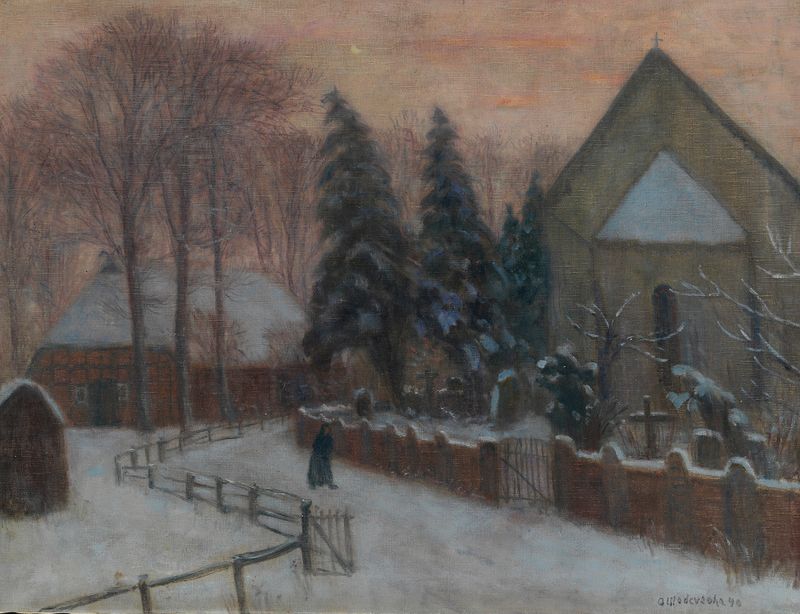
Winterabend, Fischerhuder Kirche mit Heimathaus
Otto Modersohn

Frühling
Otto Modersohn





