
das blasse Mädchen mit grauen Zöpfen — History & Facts
The first thing that seizes the eye in das blasse Mädchen mit grauen Zöpfen is the face itself: a mask-like oval, rendered in audacious swathes of green, pink, and orange, with dark braids tumbling down each side. The eyes, wide and outlined in black, hold the viewer in a gaze that is both direct and unreadable, as if daring us to decode the mind behind the color. Jawlensky’s brushwork is bold but never careless—each patch of color seems to pulse with its own inner light, and the pale, almost spectral background throws the figure forward, isolating her in a space that feels both intimate and strange.
The mouth, pursed and painted in a sharp red, becomes the painting’s quiet center of tension, hinting at withheld words or a secret known only to the sitter. Painted circa 1916, this work belongs to a moment in European art when portraiture was being radically reimagined. Alexej von Jawlensky, a Russian-born painter working in Germany, was at the forefront of the Expressionist movement, which sought to capture not the likeness but the inner life of its subjects. The flattened perspective and unnatural colors here recall the experiments of the Fauves in France, yet Jawlensky’s faces are more meditative, less wild—his sitters become icons, suspended between the personal and the universal.
History has kept few traces of this particular girl with her grey braids, but her presence lingers, inviting us to look again and ask what it means to see a soul through paint.
More Artworks by Alexej von Jawlensky

Murnau
Alexej von Jawlensky
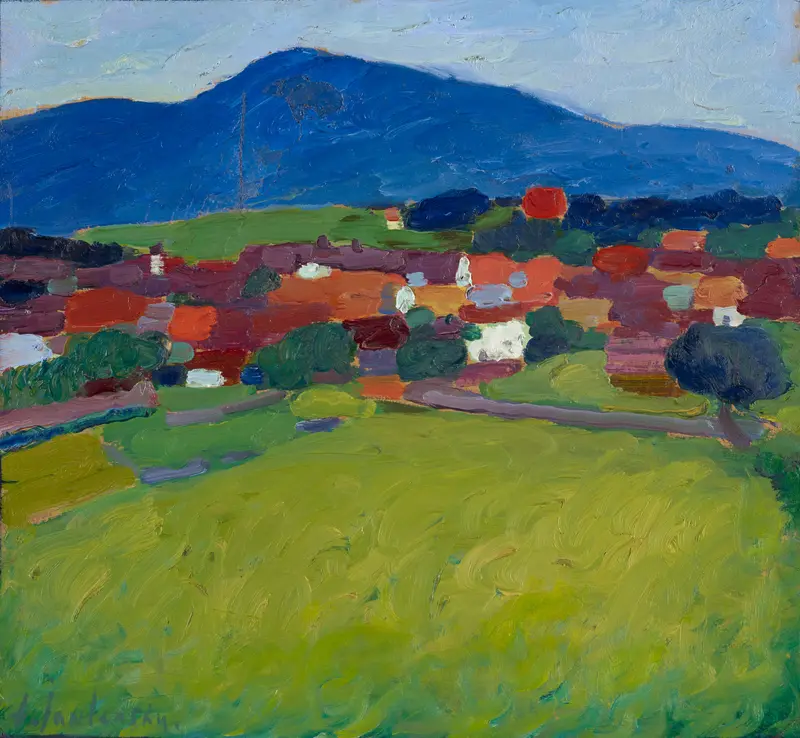
The Village Of Murnau
Alexej von Jawlensky
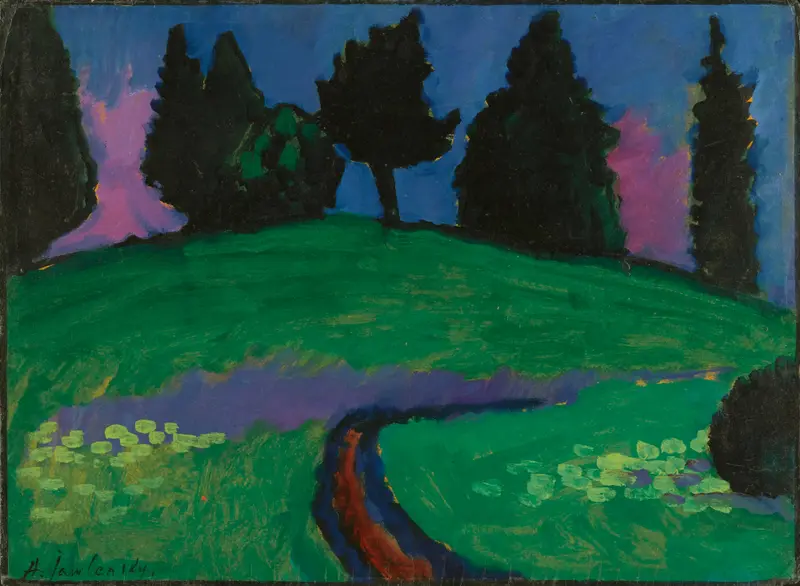
Dunkle Bäume über Grünem Hang (Dark Trees Over Green Slope)
Alexej von Jawlensky
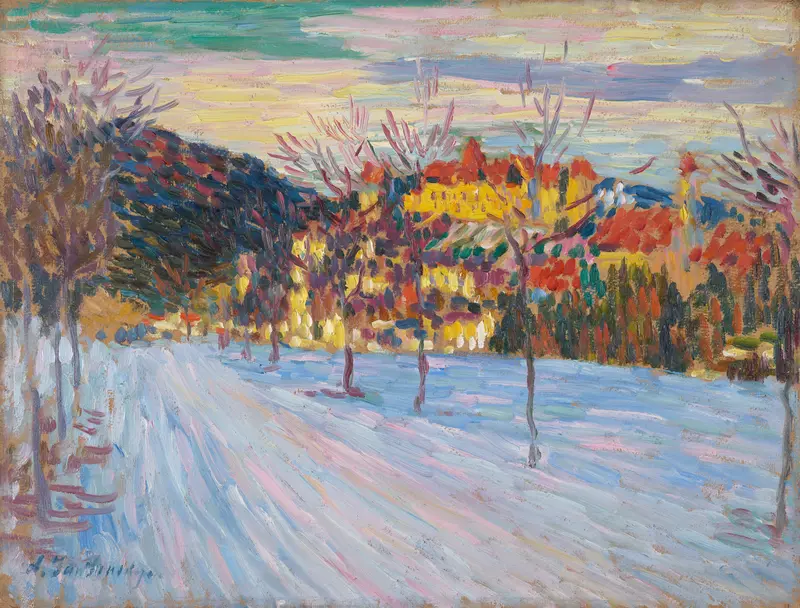
Füssen
Alexej von Jawlensky
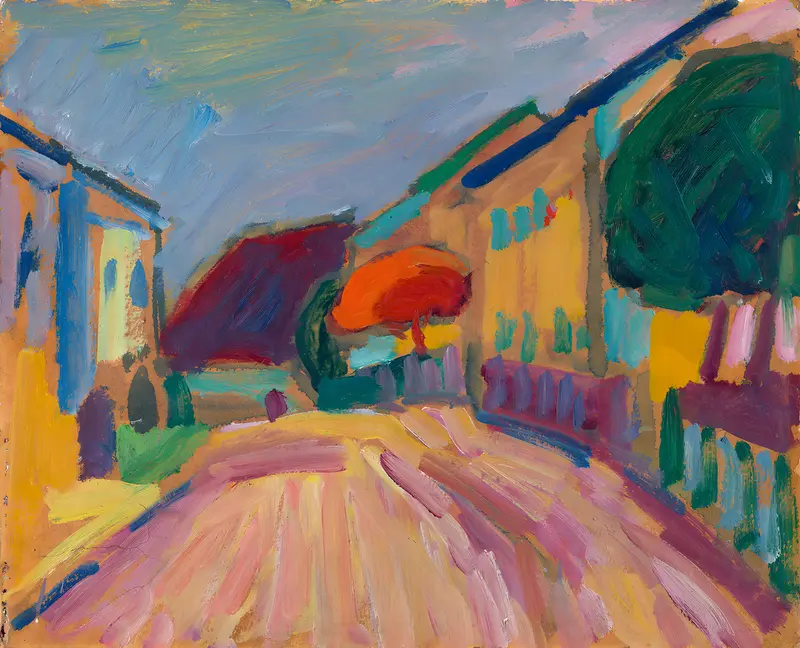
Sketch from Murnau
Alexej von Jawlensky
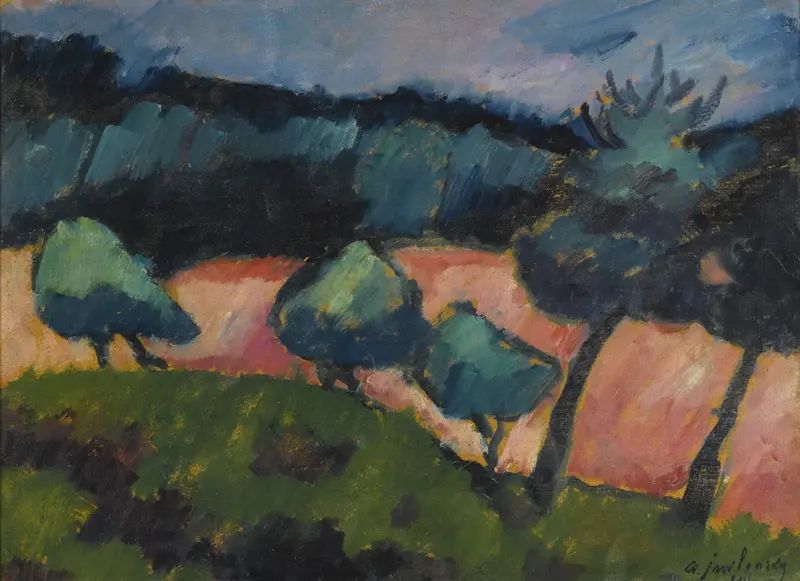
Bäume und Dünen in Prerow (Trees and dunes in Prerow)
Alexej von Jawlensky
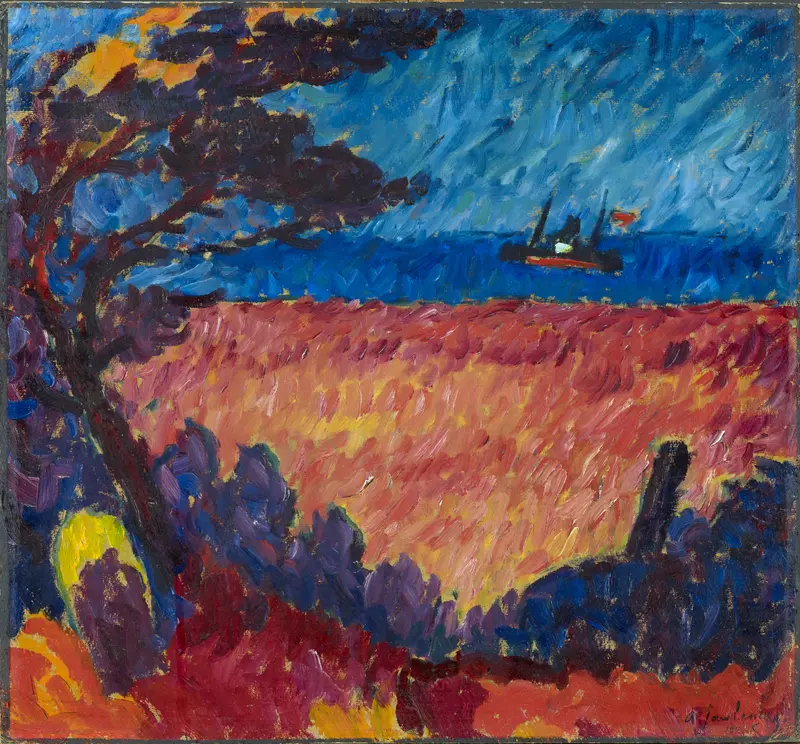
At The Baltic Sea
Alexej von Jawlensky
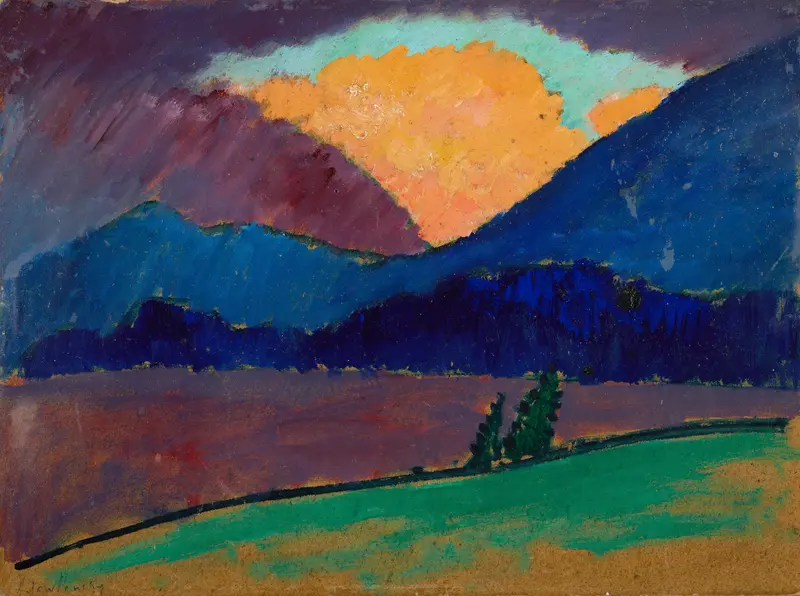
Summer evening in Murnau
Alexej von Jawlensky
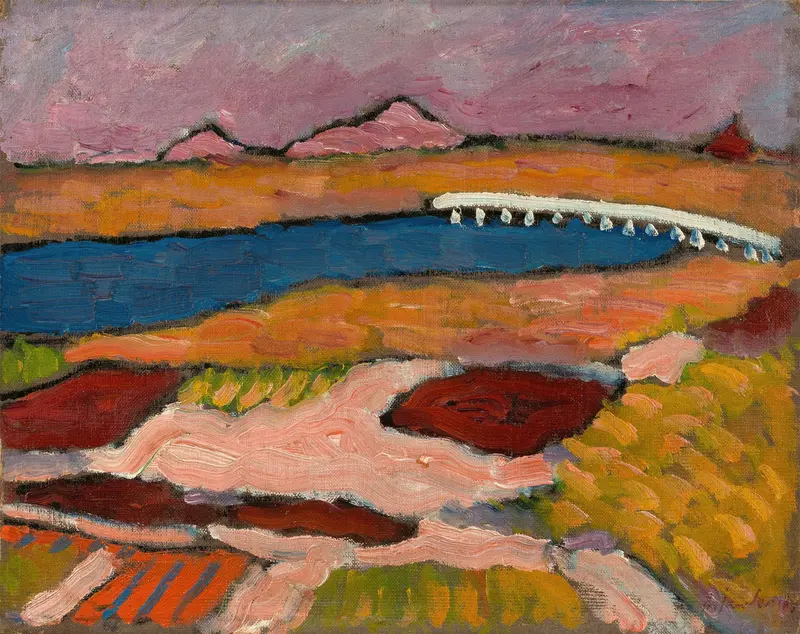
Prerow (Darß), Pommern
Alexej von Jawlensky
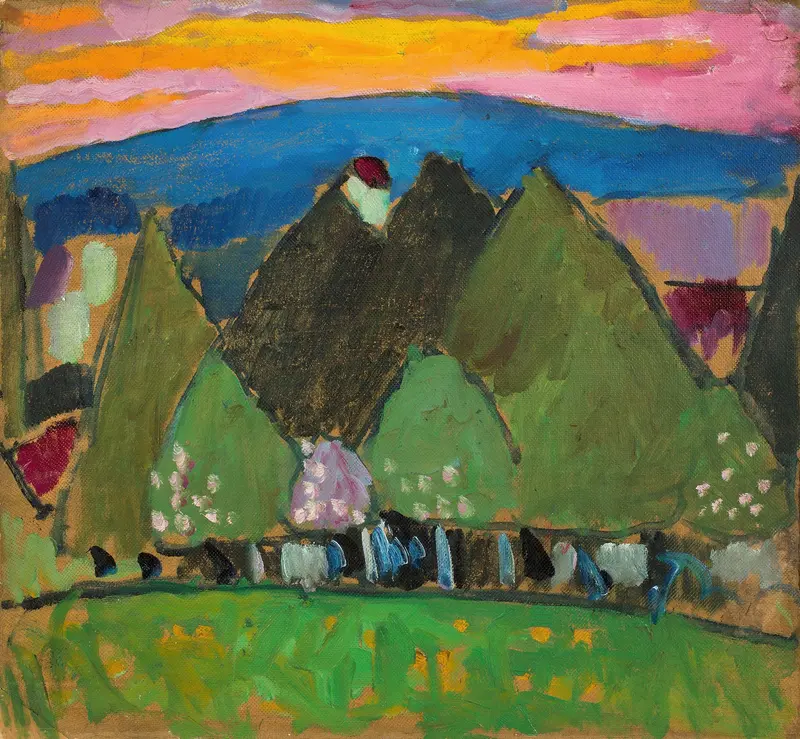
Landschaft mit Bäumen
Alexej von Jawlensky





