
Das ehemalige Carmeliter-Nonnenkloster und spätere Polizei-Gefangenenhaus in der Sterngasse in Wien — History & Facts
Where does light end, and longing begin? In the depths of echoing corridors and shadowed facades, the interplay of architecture and emotion weaves a narrative of destiny. Look to the left at the imposing structure, its austere façade layered with history. The meticulously captured bricks, glistening under a soft, golden light, invite the viewer to explore every crevice and corner. Notice how the artist uses a muted palette, blending earthy tones with gentle highlights, creating a sense of both gravitas and warmth that envelops the scene.
The shadows crawl across the ground, hinting at untold stories lurking within the walls of this former convent and later prison, a juxtaposition of sanctuary and confinement. Beneath the surface, there lie contrasts that resonate deeply. The solidity of the building stands in stark opposition to the ethereal quality of the light, suggesting the tension between security and vulnerability. The absence of human figures amplifies the sense of solitude, evoking emotions of longing and loss for those who once inhabited this space.
Each brushstroke carries a heavy weight of history, as if the structure itself breathes the memories of countless souls whose destinies were intertwined within these walls. Emil Hütter painted this work in 1882 while based in Vienna, a city at the forefront of the art world during this period. As the movement of realism was blossoming, he sought to capture the complexities of urban life and the remnants of the past, reflecting both the architectural beauty and the melancholic stories embedded in the city's fabric. This painting serves as a poignant reminder of the past, inviting viewers to contemplate the layers of history that shape our present.
More Artworks by Emil Hütter
Browse all →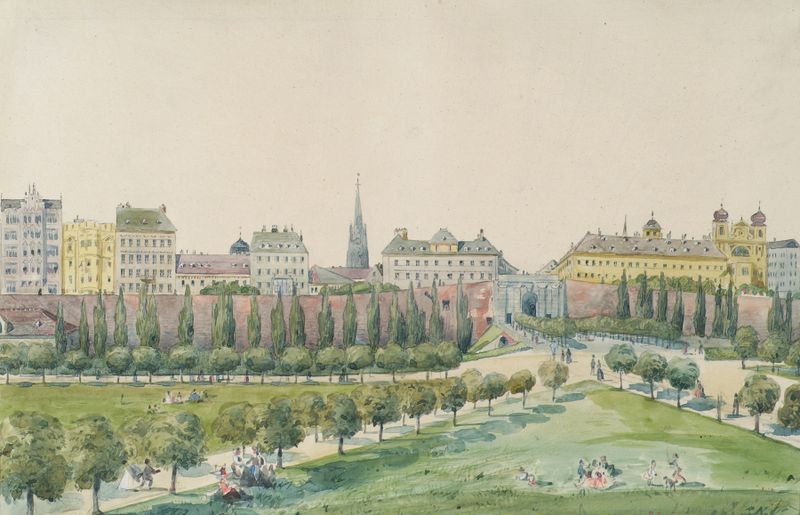
Die Stubenbastei und das Stubentor in Wien
Emil Hütter
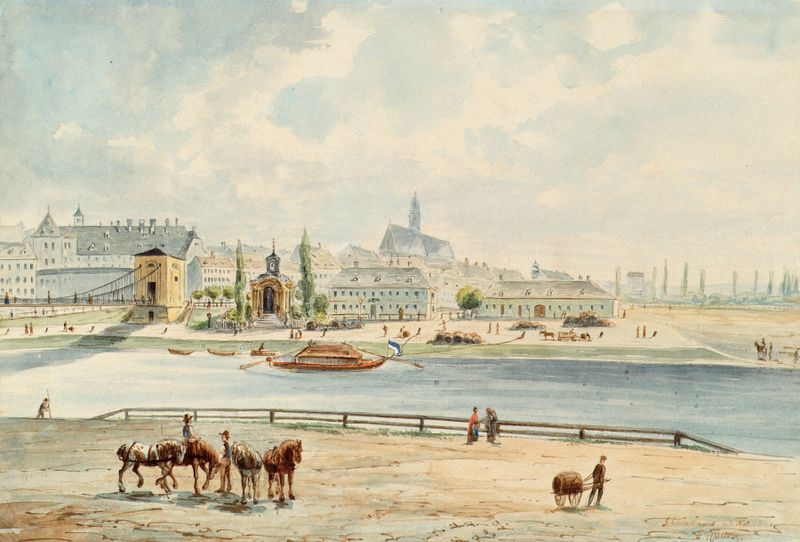
Die Schanzelmaut in Wien
Emil Hütter
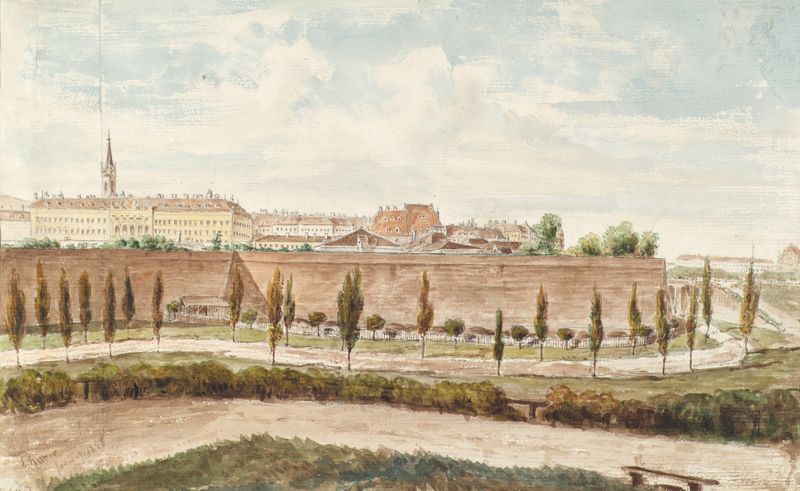
Die Augustinerbastei in Wien
Emil Hütter
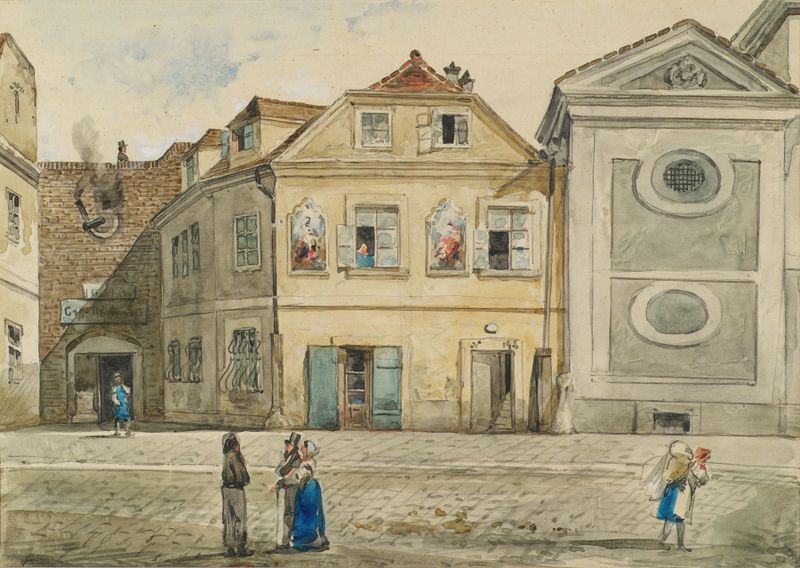
Das Scharfrichterhaus in Wien
Emil Hütter

Die Salzgries-Kaserne
Emil Hütter
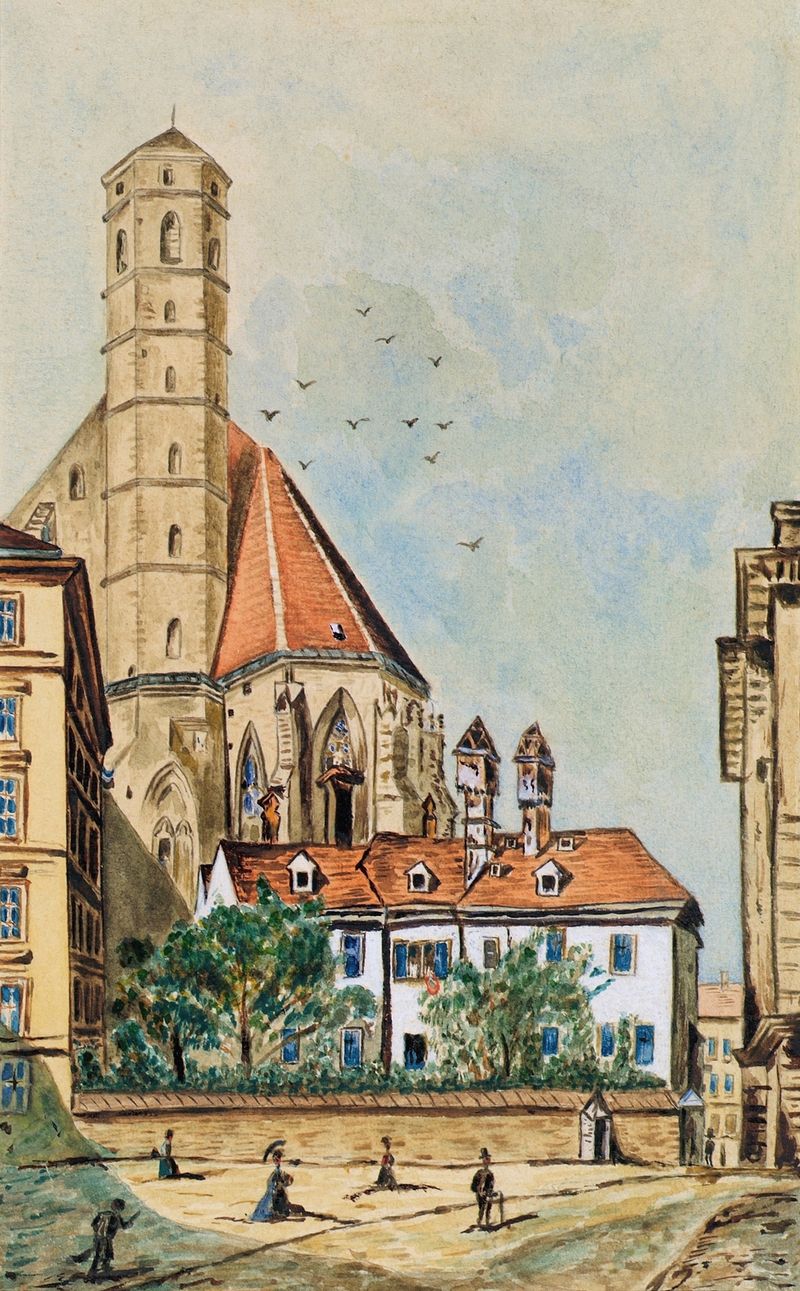
Die Minoritenkirche in Wien
Emil Hütter

Die Kirche zu St. Marx in Wien
Emil Hütter
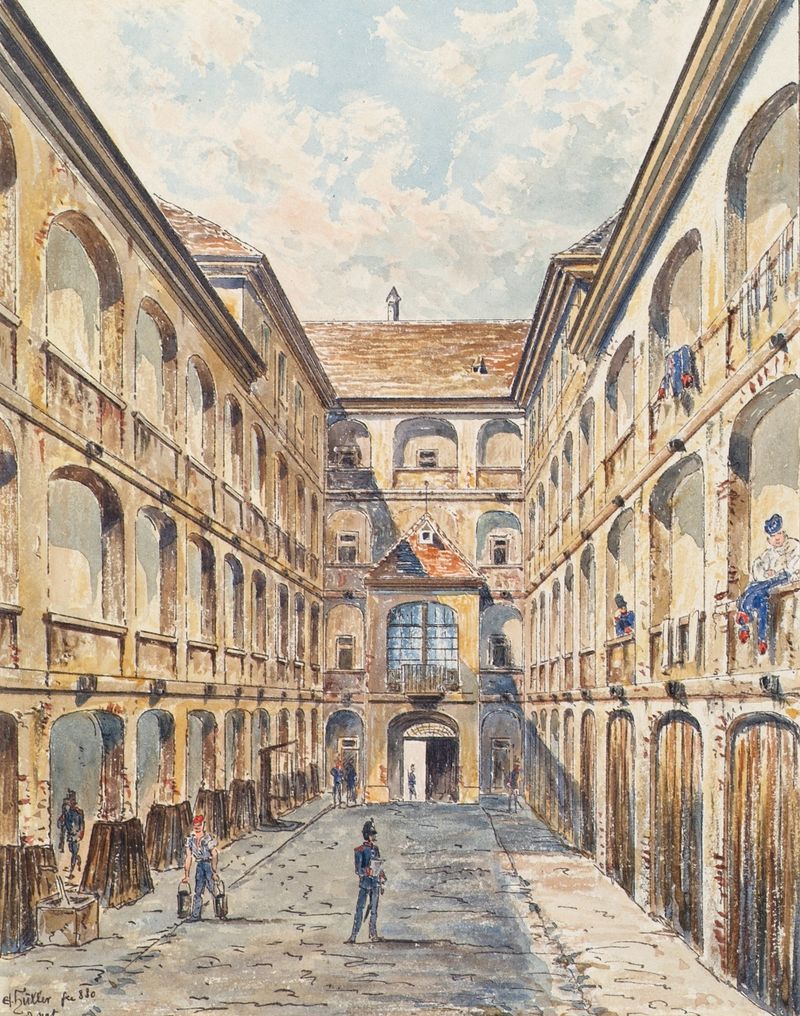
Der erste Hof der Salzgries-Kaserne in Wien
Emil Hütter
More Architecture Art
Browse all →
The statue of Liberty
Frédéric Auguste Bartholdi

View of Houses in Delft, Known as ‘The Little Street’
Johannes Vermeer

View of Houses in Delft, Known as ‘The Little Street’
Johannes Vermeer

The Cathedral in Rouen. The portal, Grey Weather
Claude Monet

The yellow house
Vincent van Gogh

The Church in Auvers-sur-Oise, View from the Chevet
Vincent van Gogh