
Das Haferfeld — History & Facts
Can beauty exist without sorrow? In Das Haferfeld, the delicate interplay between the golden hues of a serene field and the underlying sense of emptiness invites contemplation. This artwork beckons viewers into a quiet moment that speaks volumes about the simplicity of nature, yet hints at the unspoken weight of human emotion. Focus on the vibrant yellow-green of the oats swaying gently in the breeze, a striking contrast to the muted sky that looms overhead. Notice how the brushstrokes create a rhythmic pattern across the canvas, guiding your gaze from the foreground to the distant horizon.
The light, soft yet penetrating, casts gentle shadows that deepen the sense of solitude, evoking a poignant stillness, as if time itself has paused. Beneath its tranquil surface, the painting whispers of loss and longing. The absence of figures in this expansive landscape speaks to a profound solitude, leaving viewers to ponder what remains unseen. Each stroke, while celebrating nature's beauty, simultaneously reveals the melancholy of a world that can feel intrinsically empty, urging contemplation of life's fleeting moments and the spaces we inhabit. In 1906, Adolf Kaufmann painted this work during a period marked by a transition in the art world, as artists began to explore themes of realism and the emotional resonance of their subjects.
Living in Berlin, Kaufmann was influenced by the burgeoning movements that sought to capture the essence of everyday life while grappling with the emotional landscape of a changing society. This piece reflects both a personal vision and a broader artistic evolution, encapsulating a moment in time when nature's beauty became intertwined with deeper human experience.
More Artworks by Adolf Kaufmann
Browse all →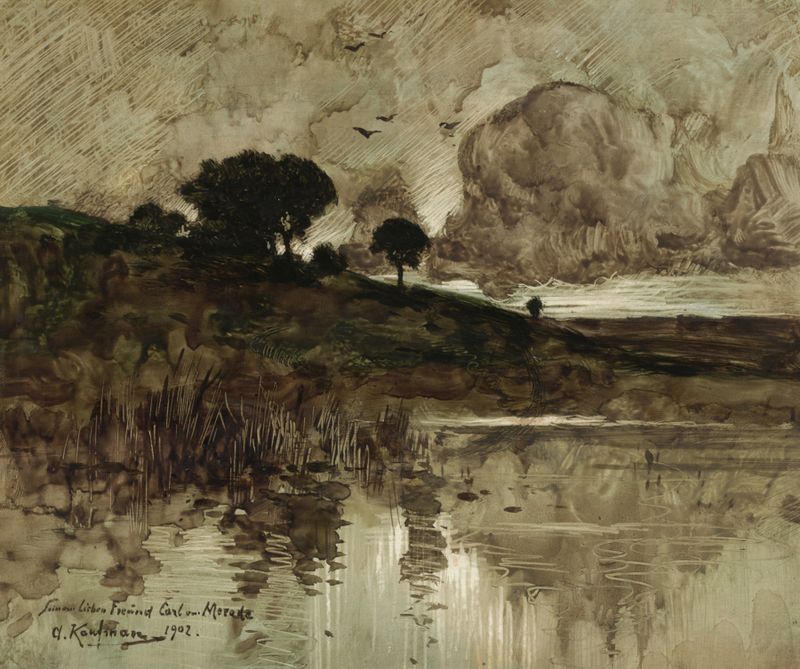
Herbstabend am See
Adolf Kaufmann
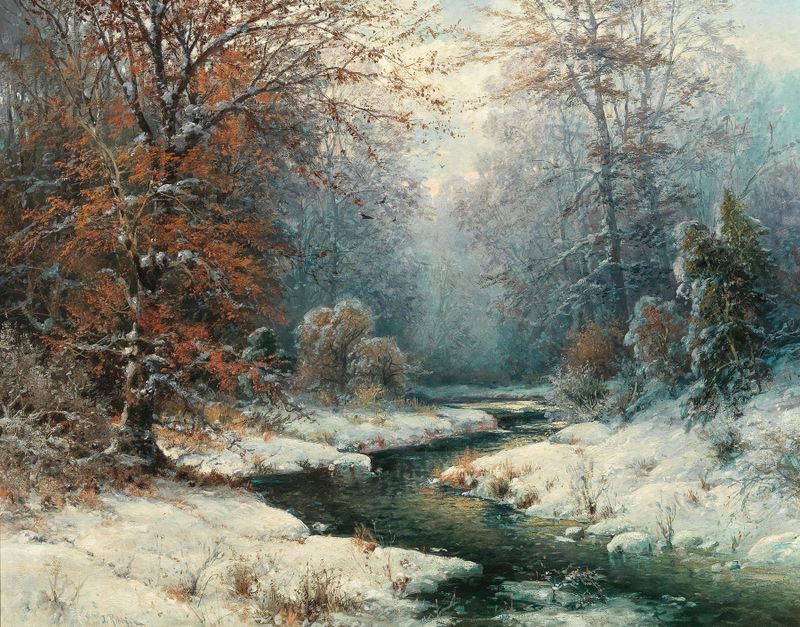
Winterliche Flusslandschaft
Adolf Kaufmann
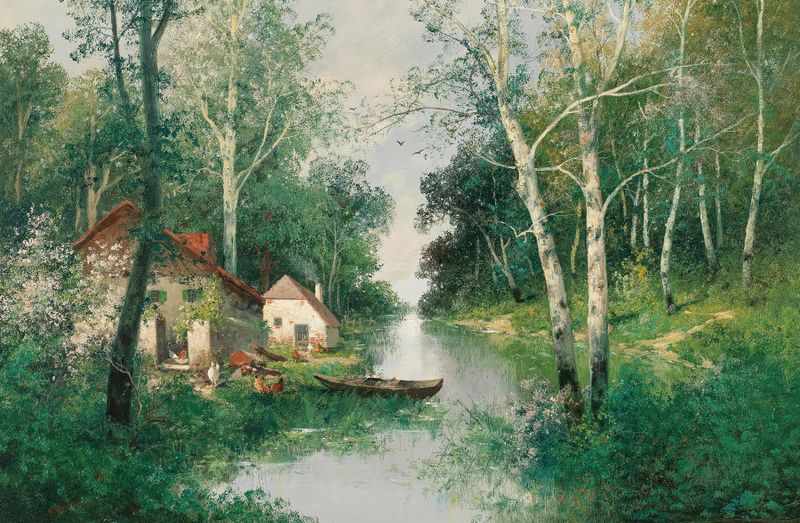
A River Landscape in Spring
Adolf Kaufmann
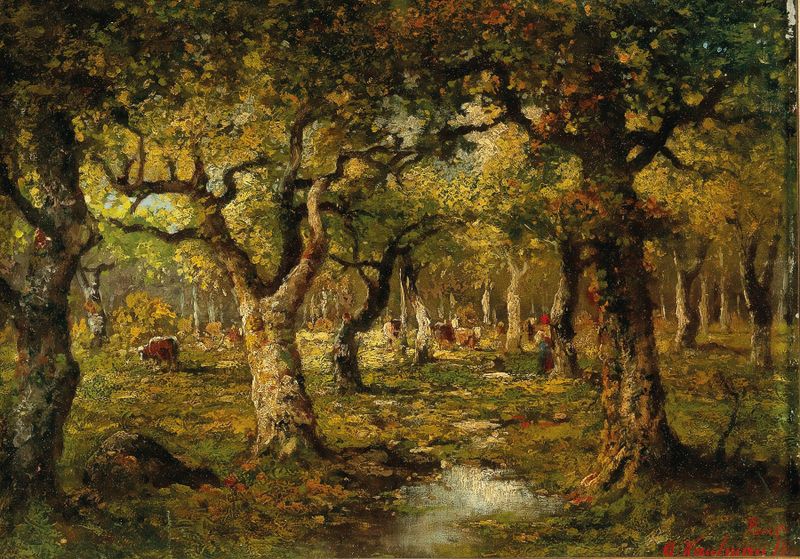
In the Forest of Barbizon
Adolf Kaufmann
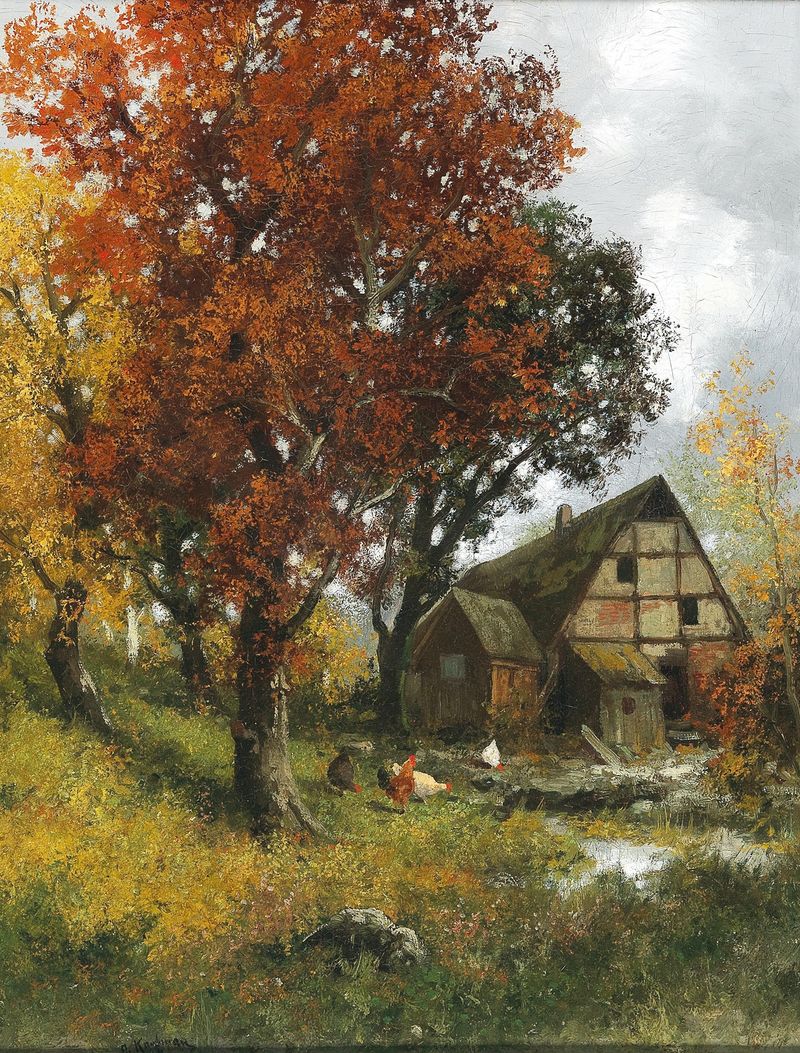
A Mill in an Autumnal Forest
Adolf Kaufmann
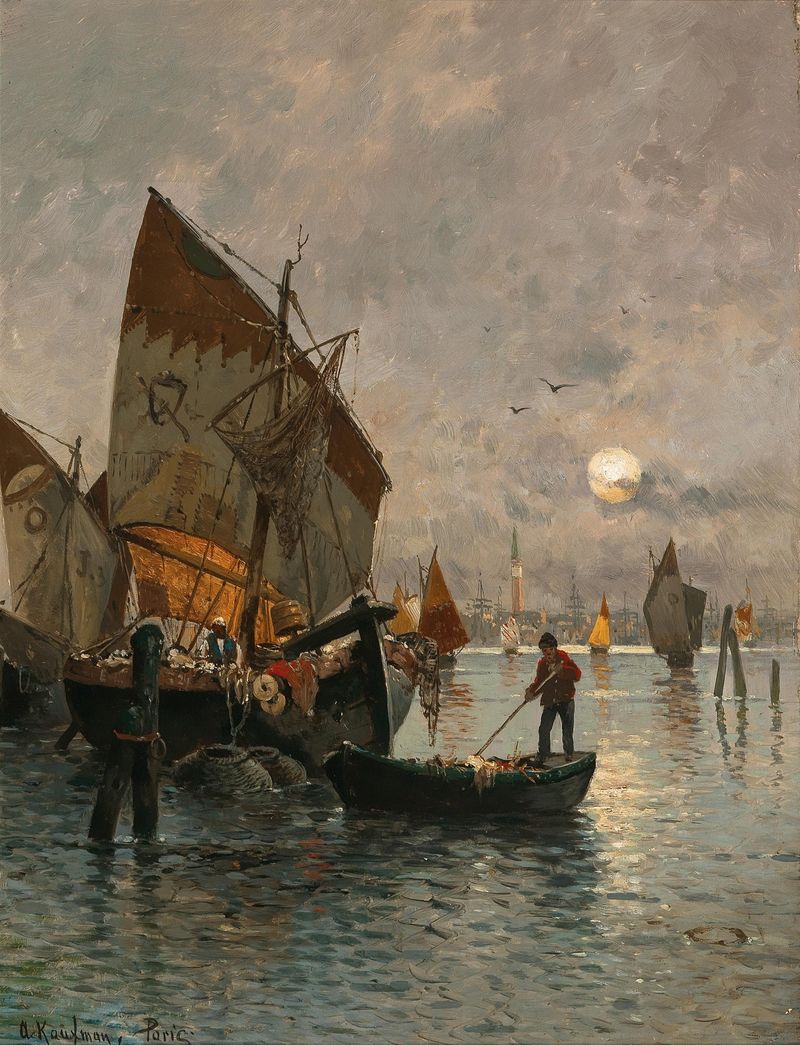
In der Lagune Venedigs
Adolf Kaufmann
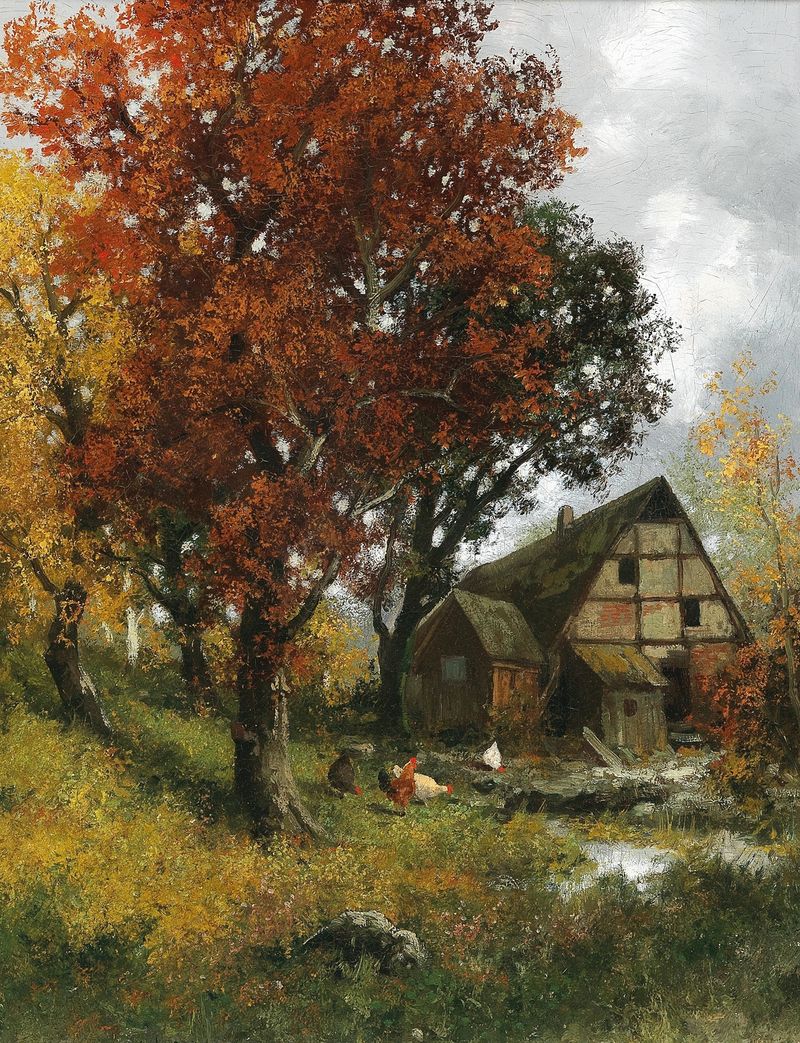
Mühle im Herbstwald
Adolf Kaufmann
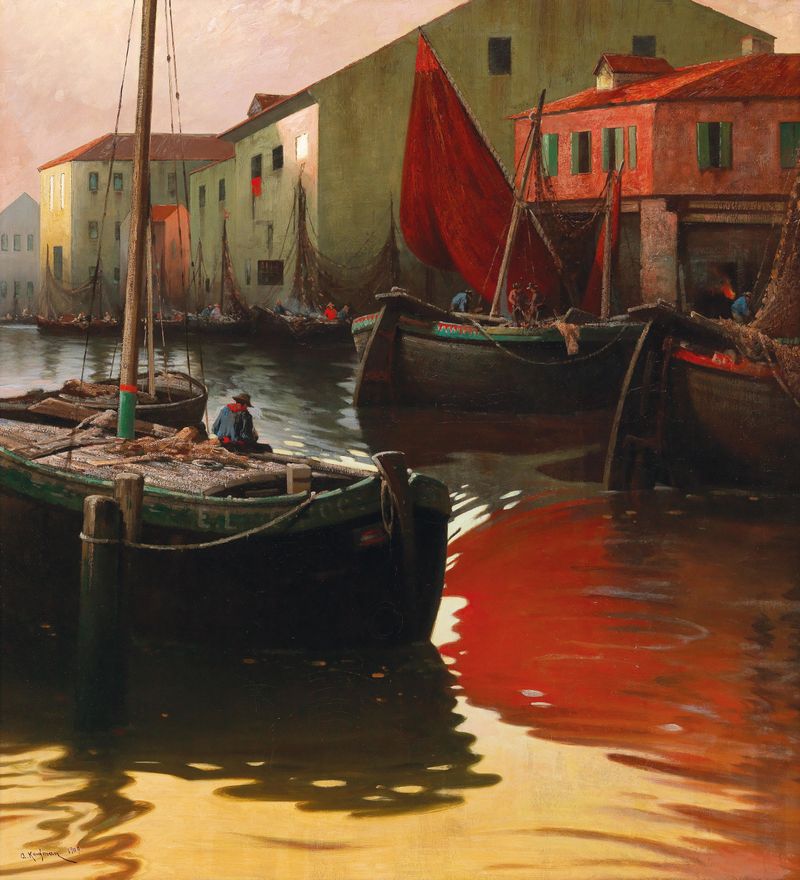
Motif Of Chioggia
Adolf Kaufmann
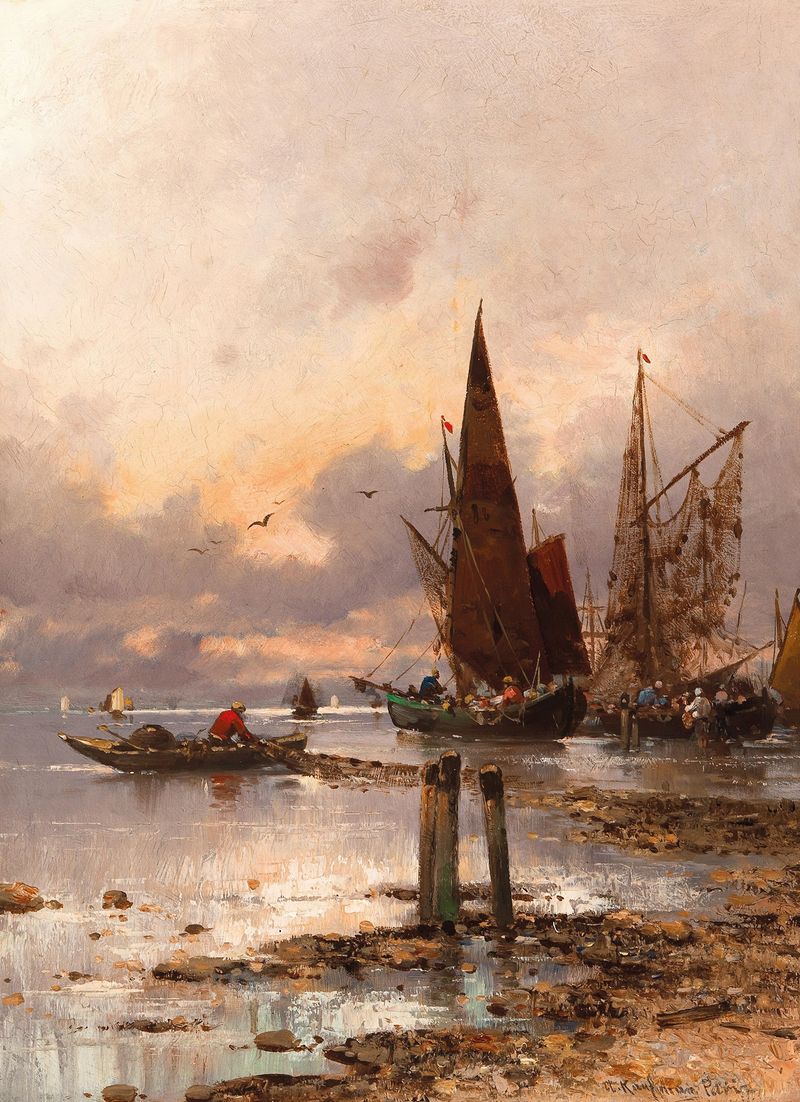
Sonnenuntergang an der griech. Küste
Adolf Kaufmann
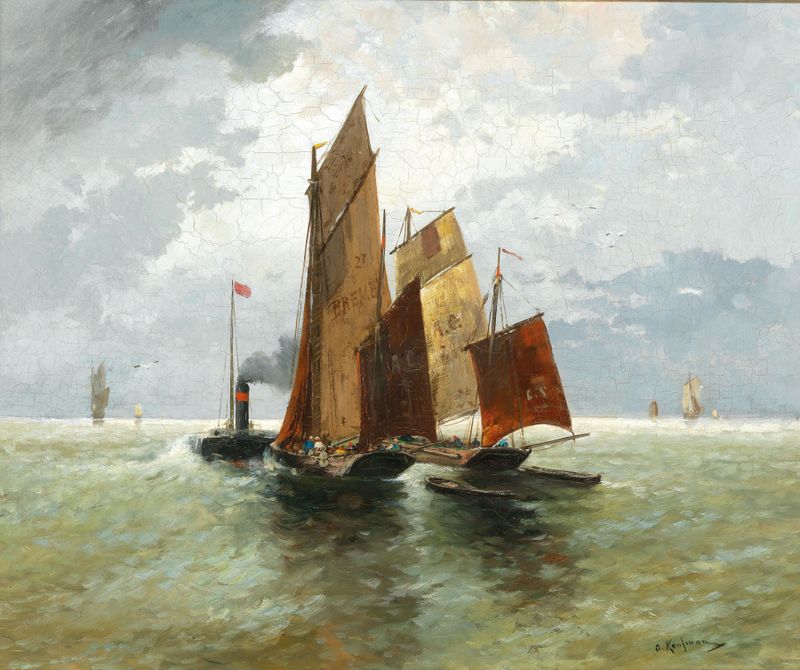
Steamboat and Fishing Boats at Sea
Adolf Kaufmann





