
In the Forest of Barbizon — History & Facts
Who listens when art speaks of silence? In In the Forest of Barbizon, a quiet world unfolds, inviting us to ponder the interplay of light and shadow, solitude and awakening. Look to the left at the shimmering canopy where dappled sunlight filters through the leaves, casting a gentle glow upon the forest floor. The palette is a harmonious blend of greens and ochres, with the rich textures of the bark and foliage drawing the eye deeper into the scene. Notice how the brushstrokes harmonize to evoke not just the physicality of the trees, but also their presence—a silent congregation that stands witness to the passage of time. Beneath the surface, the painting hints at an emotional complexity.
The light, so delicately rendered, symbolizes the interplay between hope and confinement; it suggests a sanctuary, yet evokes a sense of isolation. The softly rendered depth of the forest beckons exploration, while simultaneously hinting at the unknown lurking in its shadows. This duality speaks to the viewer's own experience of nature—its beauty intertwined with the haunting weight of solitude. Adolf Kaufmann painted this work during the late 19th century, a time when the Barbizon School was gaining prominence as a hub for landscape painting in France.
The artist, influenced by the harmony of the natural world, sought to capture the essence of these tranquil woods. It was a period marked by a shift towards realism and a desire to depict nature in its purest form, reflecting both personal introspection and the burgeoning appreciation for the serene landscapes that surrounded him.
More Artworks by Adolf Kaufmann
Browse all →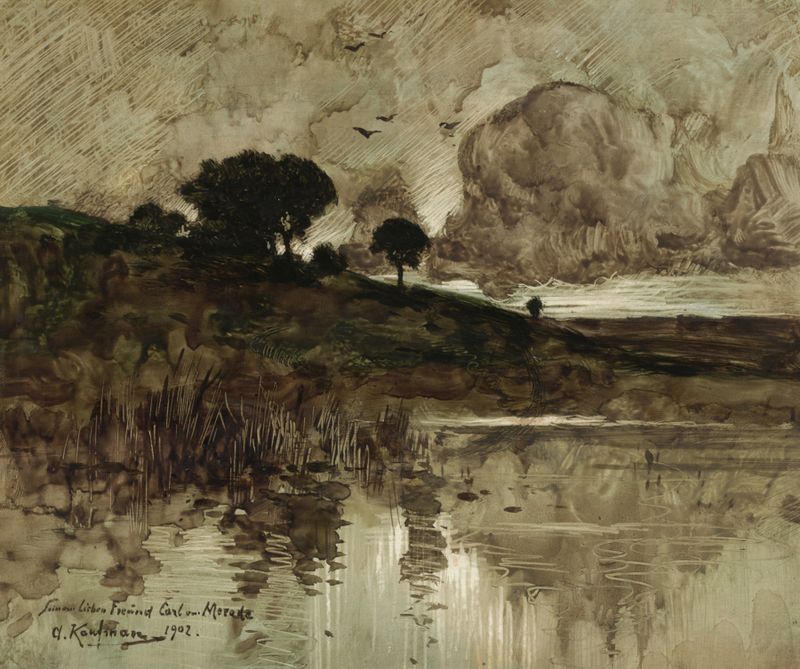
Herbstabend am See
Adolf Kaufmann
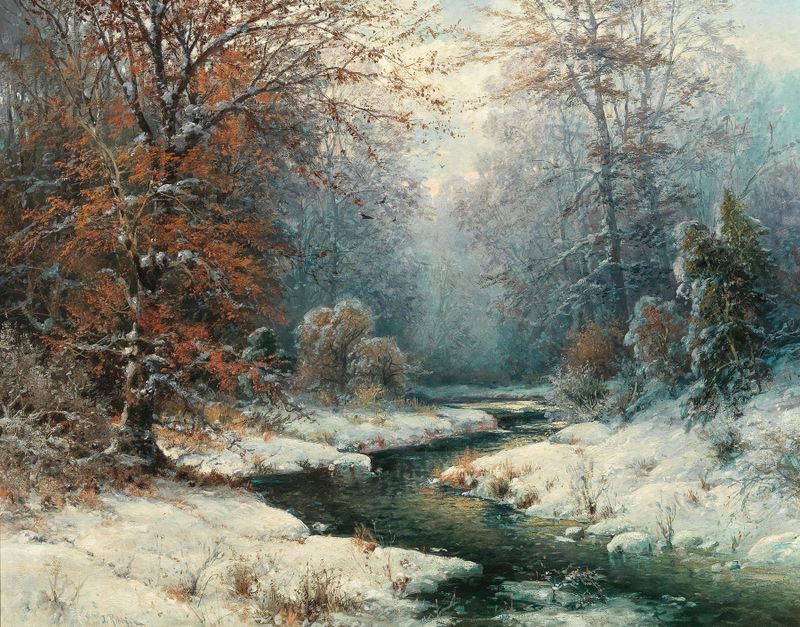
Winterliche Flusslandschaft
Adolf Kaufmann
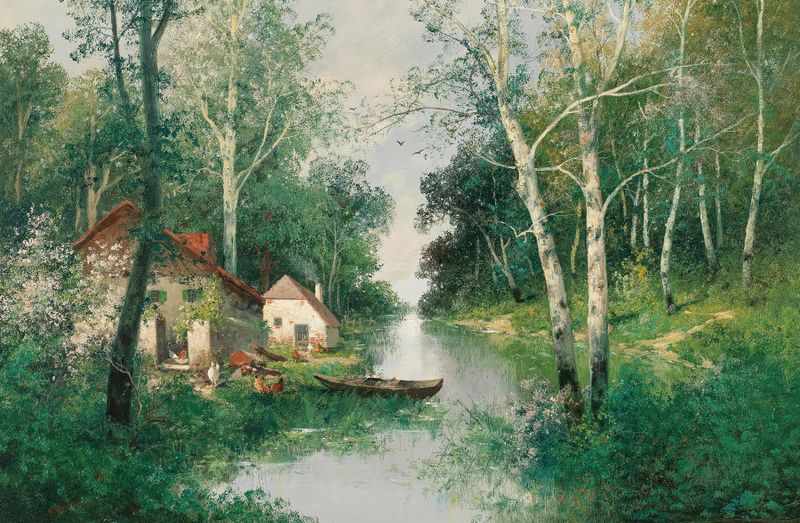
A River Landscape in Spring
Adolf Kaufmann
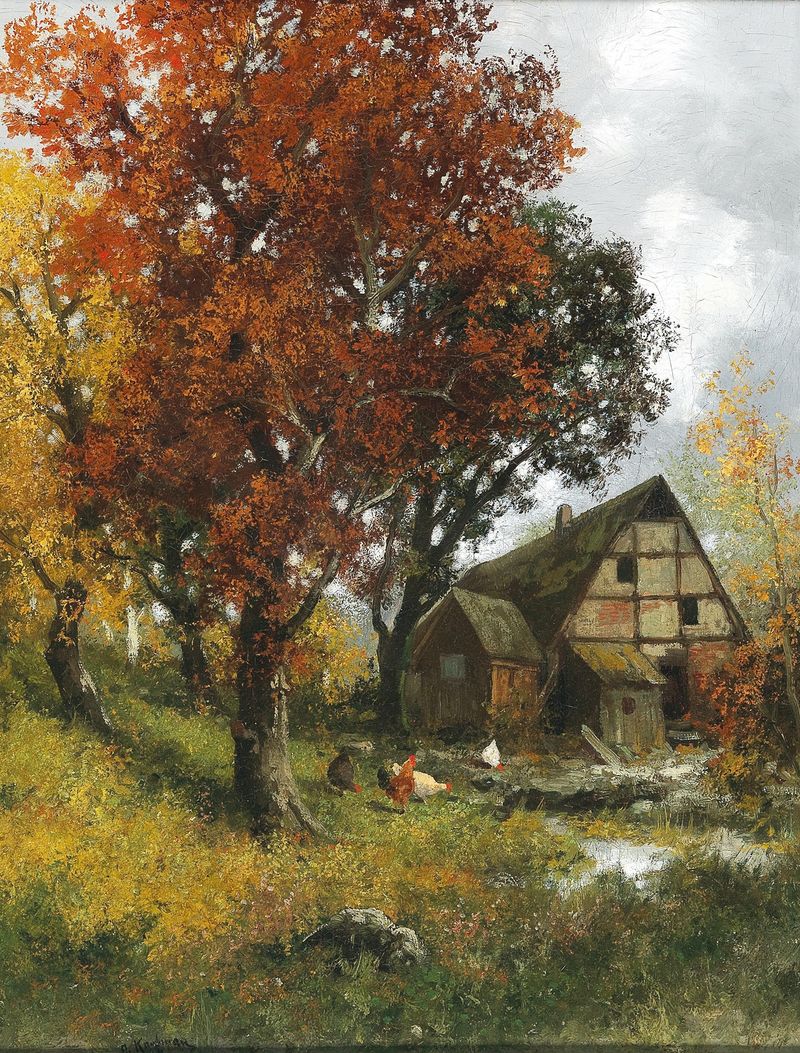
A Mill in an Autumnal Forest
Adolf Kaufmann
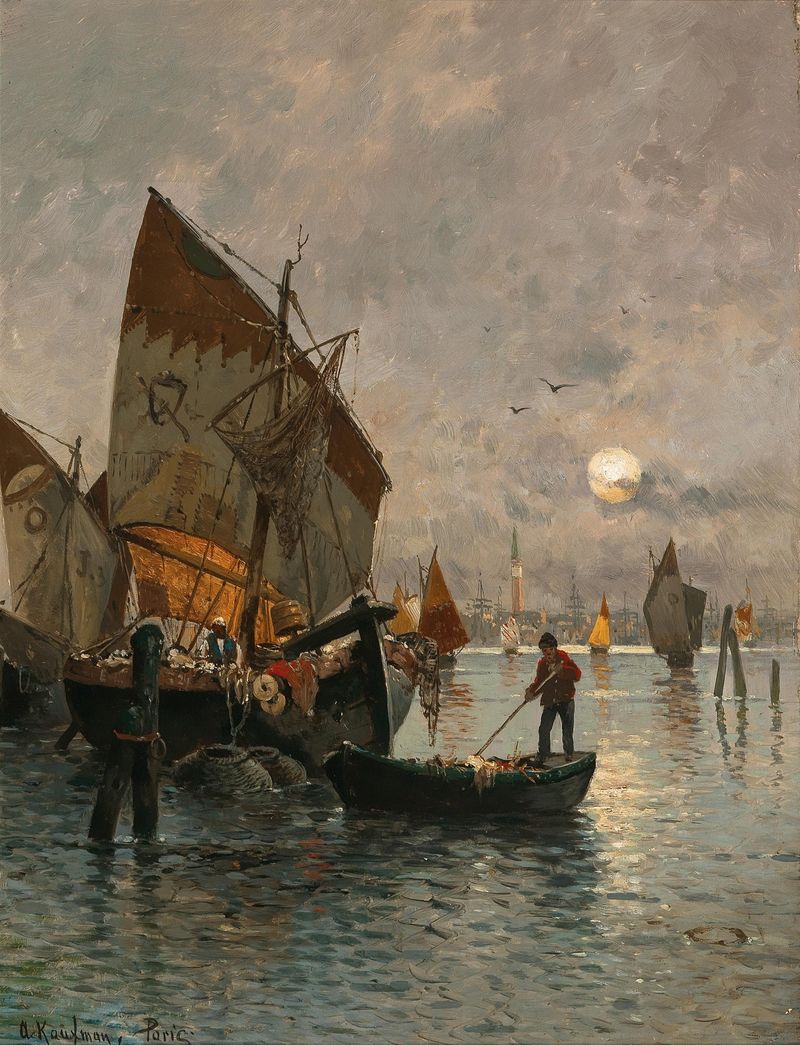
In der Lagune Venedigs
Adolf Kaufmann
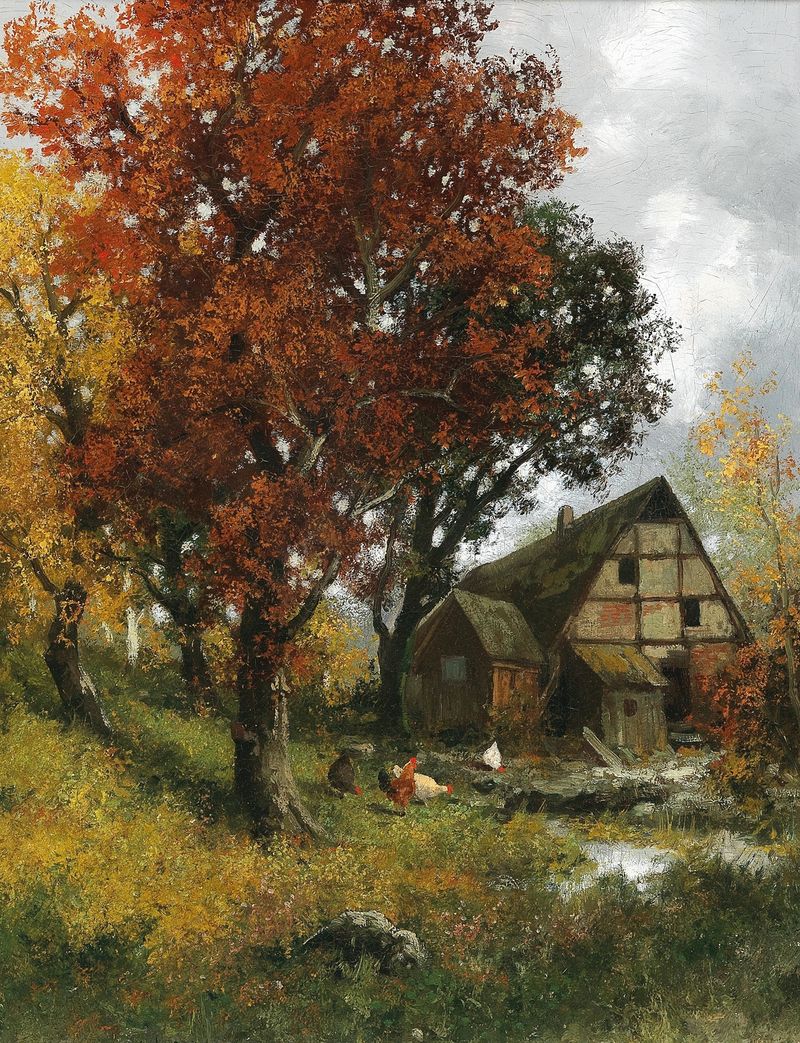
Mühle im Herbstwald
Adolf Kaufmann
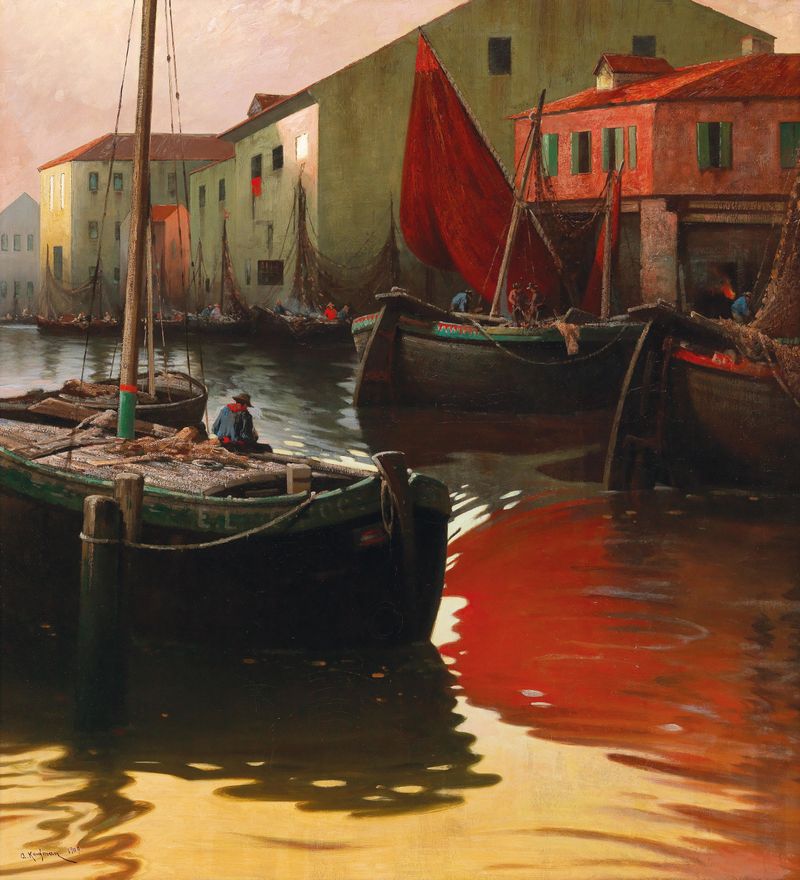
Motif Of Chioggia
Adolf Kaufmann
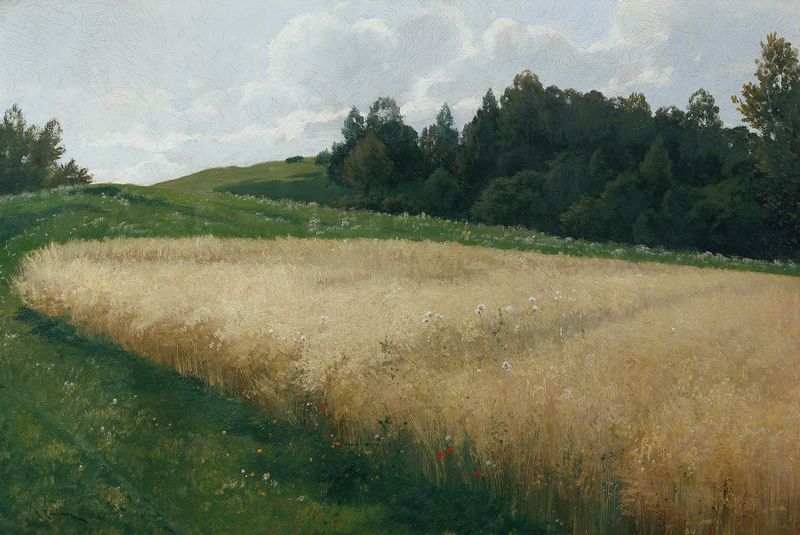
Das Haferfeld
Adolf Kaufmann
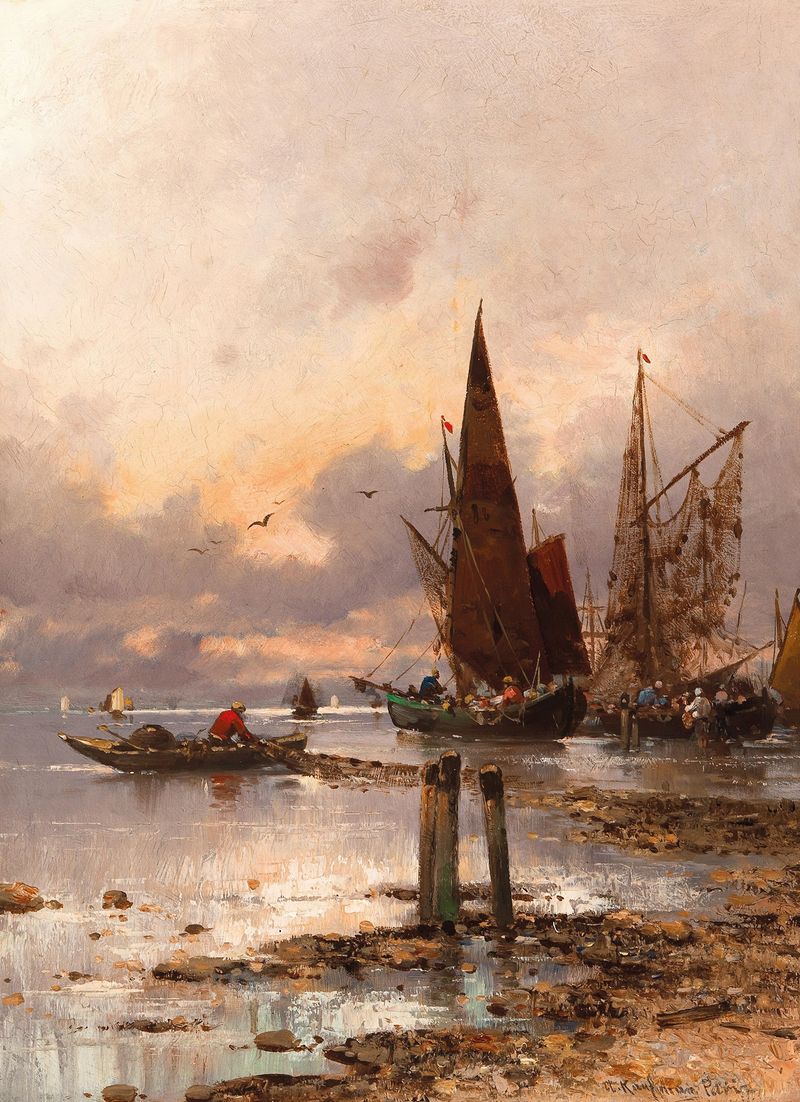
Sonnenuntergang an der griech. Küste
Adolf Kaufmann
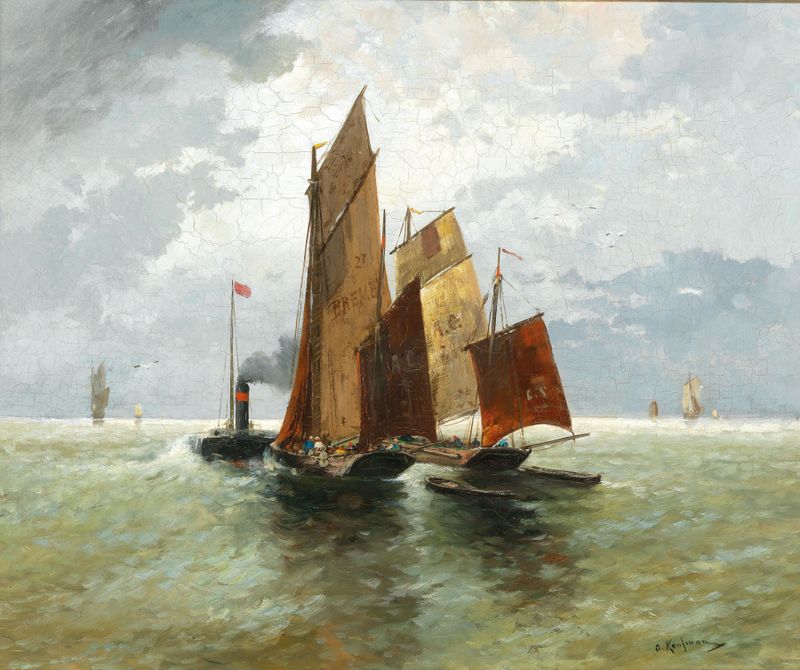
Steamboat and Fishing Boats at Sea
Adolf Kaufmann





