Das Kirnitzschtal bei Schandau — History & Facts
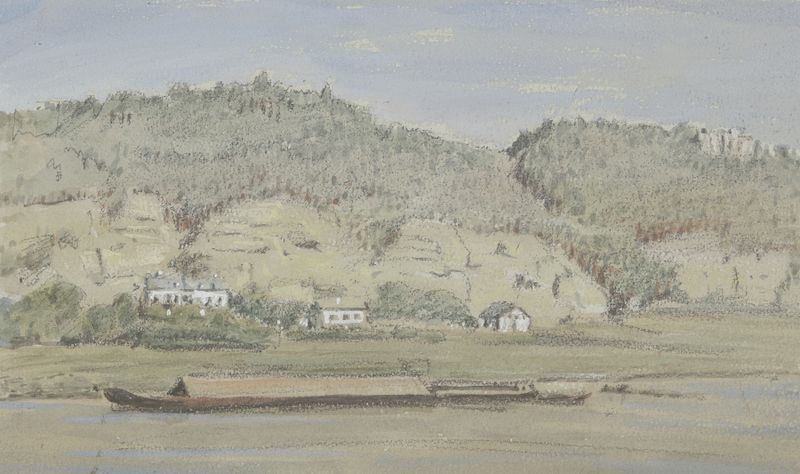
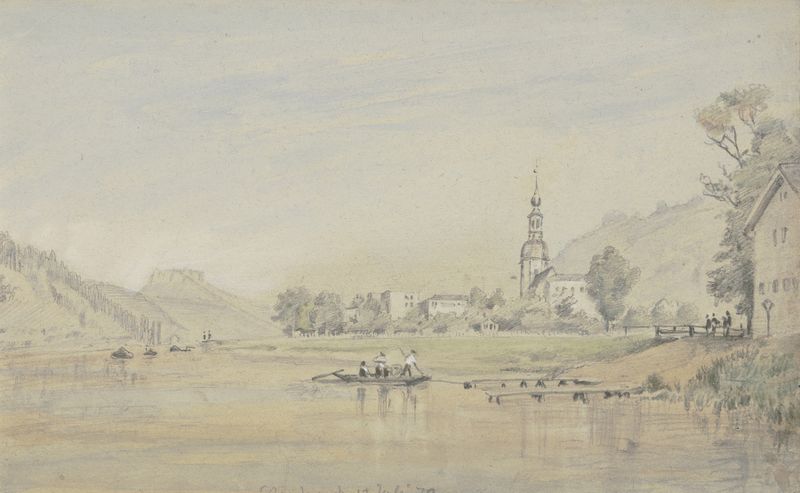
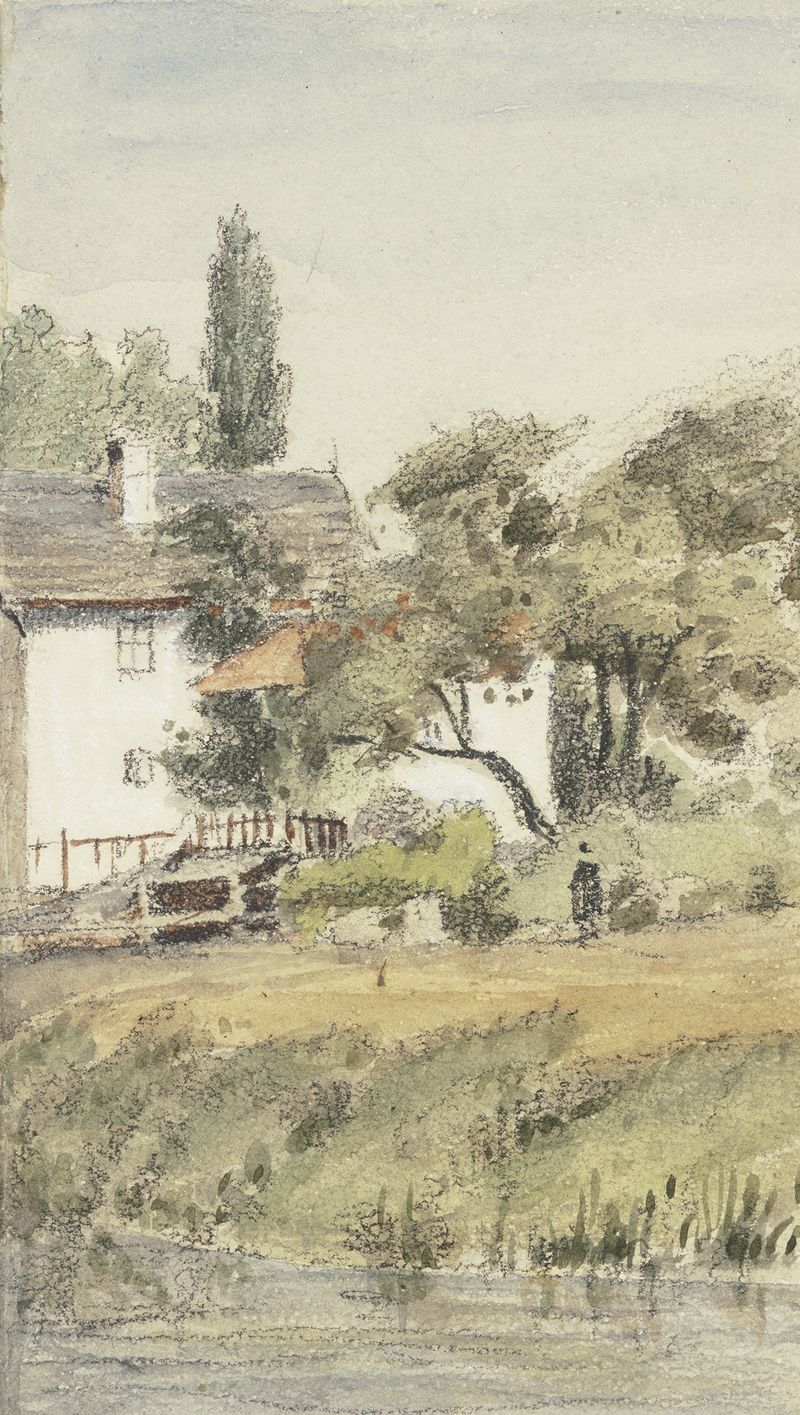
In the quietude of nature, ecstasy pulses beneath the surface, capturing fleeting moments in time. Look closely at the vibrant greens and blues, where the winding river dances through the landscape. Notice how the distant mountains rise majestically in the background, their soft contours gently cradled by the delicate clouds above. The artist employs a meticulous technique of layering that allows the sunlight to shimmer on the water’s surface, creating a vivid contrast against the swirling shadows of the trees.
Every detail, from the swirling leaves to the glistening reflections, draws the viewer’s gaze deeper into this serene, yet dynamic, tableau. The painting encapsulates an interplay of tranquility and vitality, evoking a sense of wonder. The serene river is not merely a body of water; it signifies the flow of life, a testament to nature’s eternal rhythm. The subtle hues and light variations speak to emotional depth—joy intertwined with nostalgia, where every glance reveals new stories hidden within the foliage and riverbank.
This visual dialogue hints at the ecstatic beauty found in fleeting moments, making the viewer feel both grounded and uplifted. Created in 1873, this piece emerged during a time when Friedrich Eugen Peipers was deeply engaged in the Romantic tradition, capturing nature’s beauty through a lens of personal emotion. Working in Germany, he embraced the evolving styles of his contemporaries while remaining committed to his own vision. The world of art was experiencing a shift, and Peipers' work exemplified this struggle between adhering to tradition and the burgeoning desire for individual expression.