The shore opposite Schandau — History & Facts
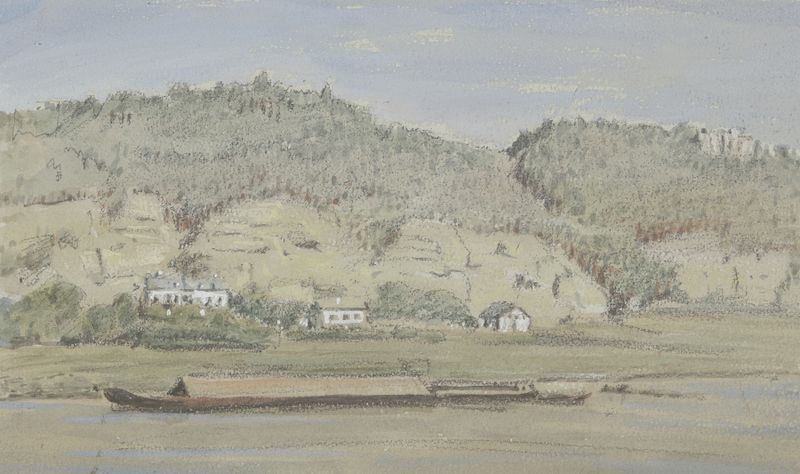
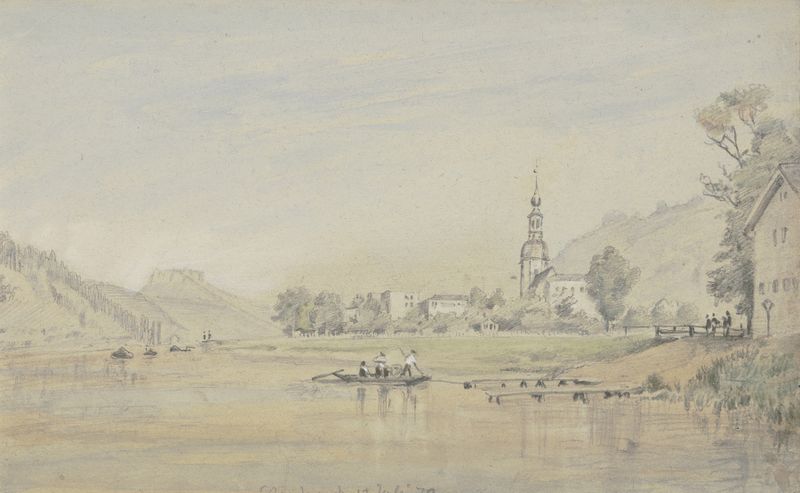
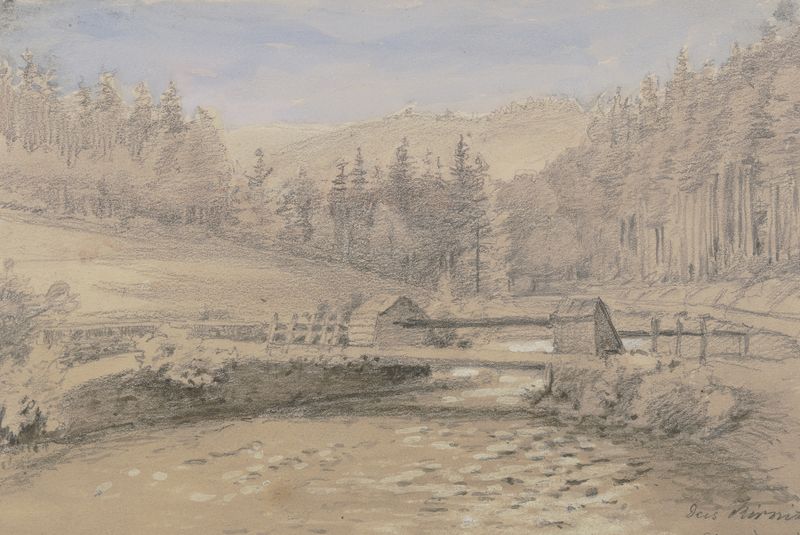
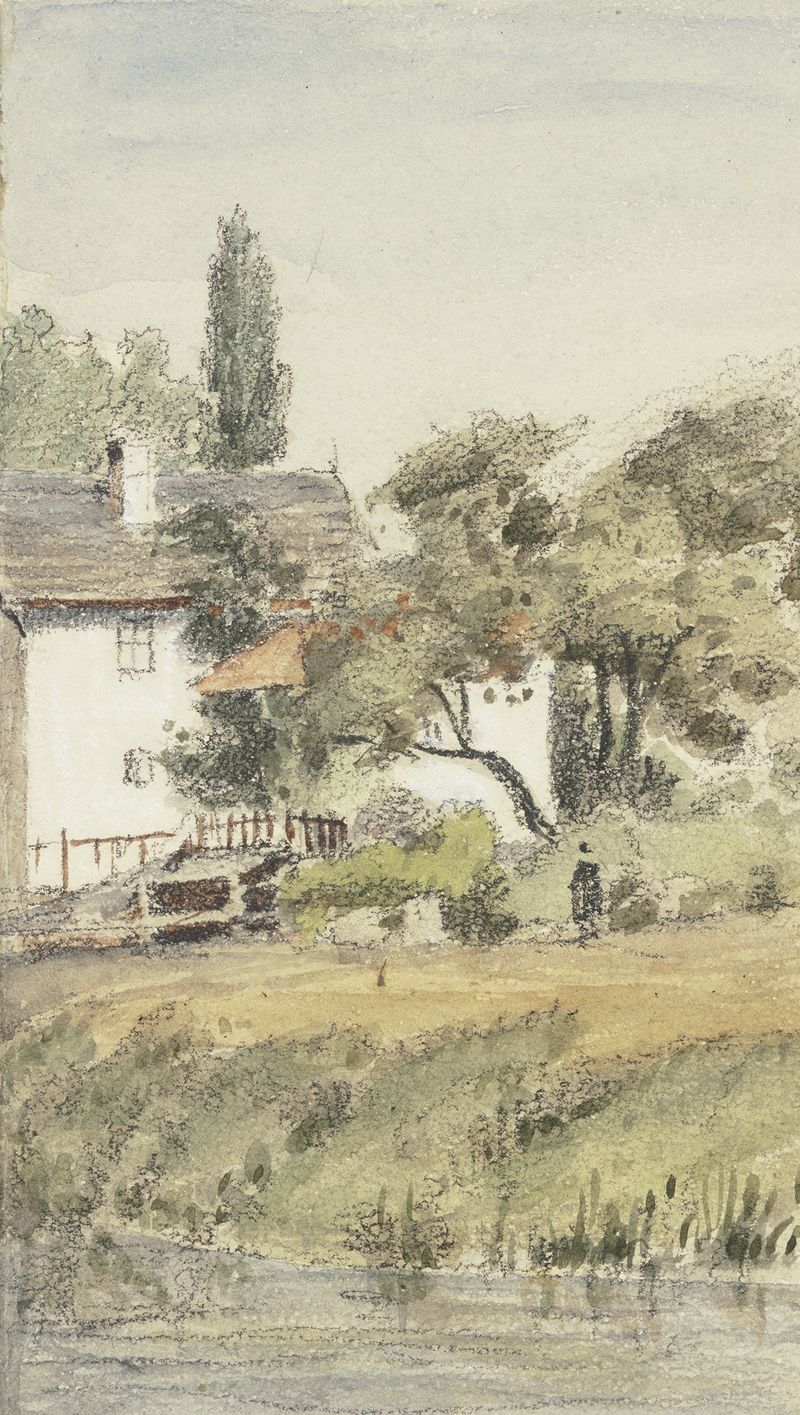
In The shore opposite Schandau, nature unfolds as a vivid testament to rebirth, where the familiar embraces the unfamiliar and creates a haunting symphony of colors. Look to the left, where the rich green of the foliage meets the shimmering surface of the water, each brushstroke breathing life into the scene. Notice how the sky, a blend of soft blues and warm golds, reflects upon the tranquil river, creating a mirror that both reveals and conceals. The composition draws your eye upward, where the interplay of light and shadow suggests the presence of unseen forces — a balance of serenity and tumult. Delve deeper into the winding path along the shore, where delicate details — the subtle movement of the trees, the gentle waves lapping at the bank — hint at a powerful narrative.
Each element captures the dichotomy of birth and decay, as nature reshapes itself in a never-ending cycle. The scene evokes the sense of a fleeting moment, a reminder that beauty often arises from the remnants of the past, cloaked in a gentle glow. In 1873, Peipers created this work during a period of personal and artistic exploration, reflecting the Romantic movement's deep engagement with nature and emotion. He was known for his landscapes that captured the sublime qualities of the natural world, and this painting is a perfect embodiment of those ideals.
As industrialization rapidly transformed Europe, artists like him turned to the beauty of untouched landscapes, finding solace in nature amid societal upheaval.