View of Schandau — History & Facts
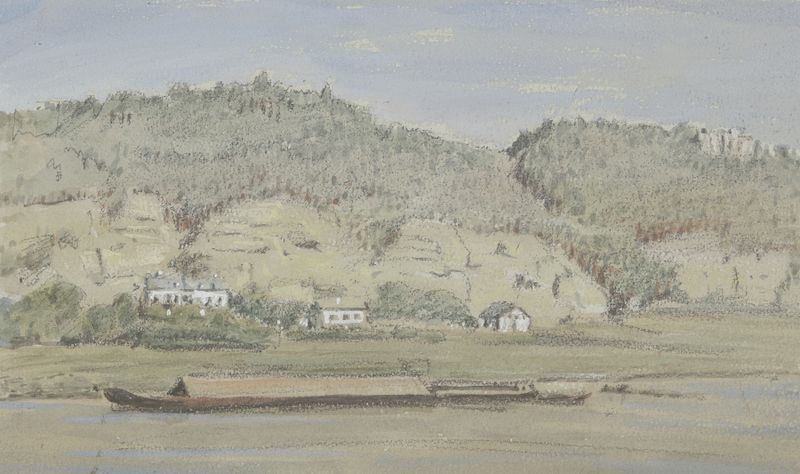
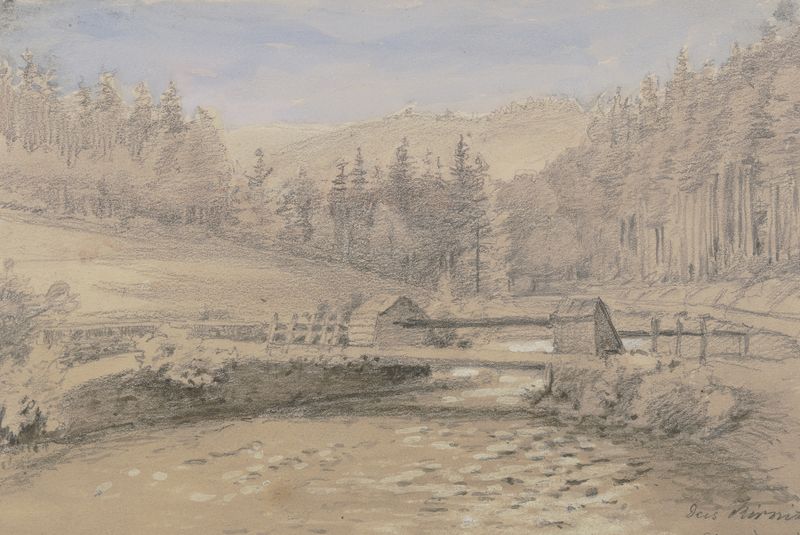
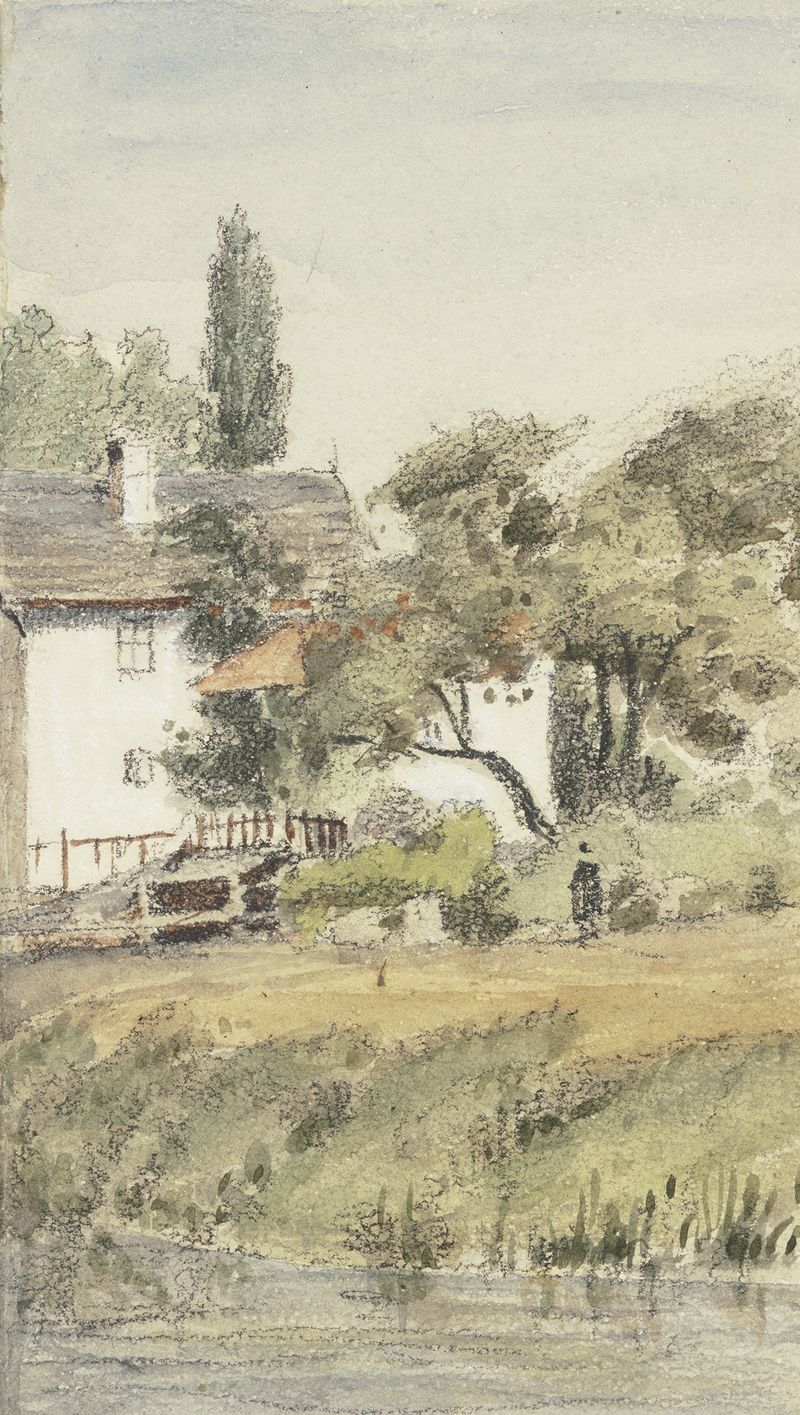
Is this a mirror — or a memory? The landscape unfolds in shimmering hues, inviting contemplation, yet hiding the true depths of longing and betrayal beneath its serene surface. Focus on the tranquil river that winds through the composition, its reflective waters capturing the sky's soft pastels. Rich greens frame the scene, with rolling hills rising gently in the background, while clusters of trees dance with the wind. Notice how the light plays across the water's surface, creating a shimmering illusion that blurs the line between reality and recollection.
Each brushstroke reveals Peipers' delicate technique, combining realism with a touch of impressionism to evoke a sense of nostalgia. As you delve deeper, subtle contrasts emerge. The calmness of the landscape belies an undercurrent of discord, reminiscent of fractured relationships and hidden pain. The vibrant colors evoke warmth and beauty but may also hint at memories tainted by betrayal — a duality that compels the observer to ponder the fragility of human connections.
The painting simultaneously celebrates nature and reflects the emotional turmoil that often accompanies personal attachments. Friedrich Eugen Peipers created View of Schandau in 1873 while living in Germany, a period marked by a burgeoning interest in landscape painting. Known for his vivid portrayals of natural scenery, Peipers was influenced by the Romantic movement, which sought to express the sublime beauty and emotional depth of the world. This particular work encapsulates the complexities of life, inviting viewers to connect with their own memories and emotions.