
Dawn — History & Facts
Who listens when art speaks of silence? In the stillness of dawn, when night retreats and day is born, a truth emerges that resonates far beyond the canvas. Look to the center of the composition, where the delicate interplay of soft pastels creates a tranquil horizon. Notice the gentle brushstrokes that evoke a sense of serenity, with hues of pale blue and warm gold mingling seamlessly. The horizon blurs, inviting the viewer to step into a moment suspended in time.
The light, almost tangible, stretches across the canvas, illuminating the quiet landscape and drawing your gaze toward the awakening world. In this artwork, the contrast between the fading night and the birth of day symbolizes hope and renewal. The stillness of the scene hints at an inner contemplation, a moment where nature holds its breath on the cusp of change. The subtle texture of the clouds suggests movement, reflecting the tension between the known and the unknown, while the blurred edges embody the ephemeral nature of time itself. Created in 1897, this piece was born from the heart of a period marked by artistic exploration and an emerging fascination with light and color.
Rapacki, while influenced by the broader currents of impressionism, carved his niche in the Polish art scene, reflecting the beauty of his homeland. It was a time when artists sought to capture the fleeting moments of life, and through this work, he invites us to pause and listen to the whispers of dawn.
More Artworks by Józef Rapacki
Browse all →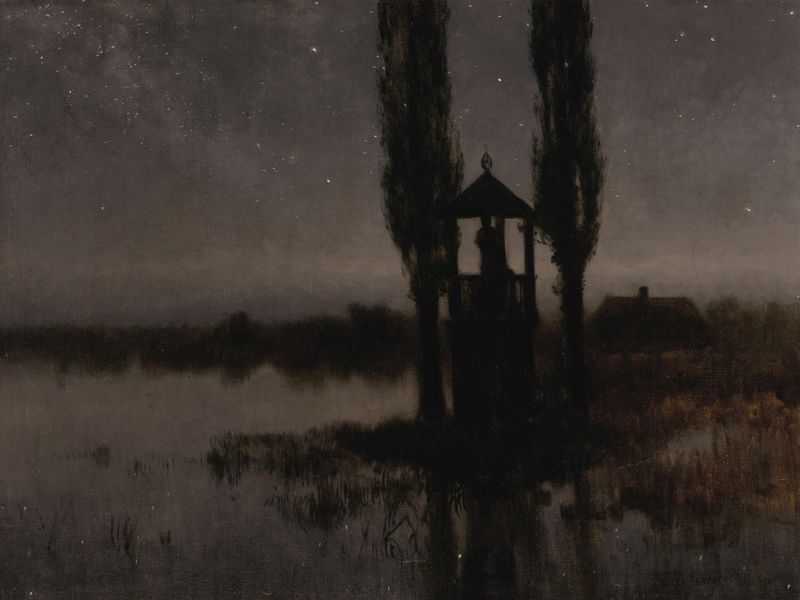
Nocturnal Marshland
Józef Rapacki
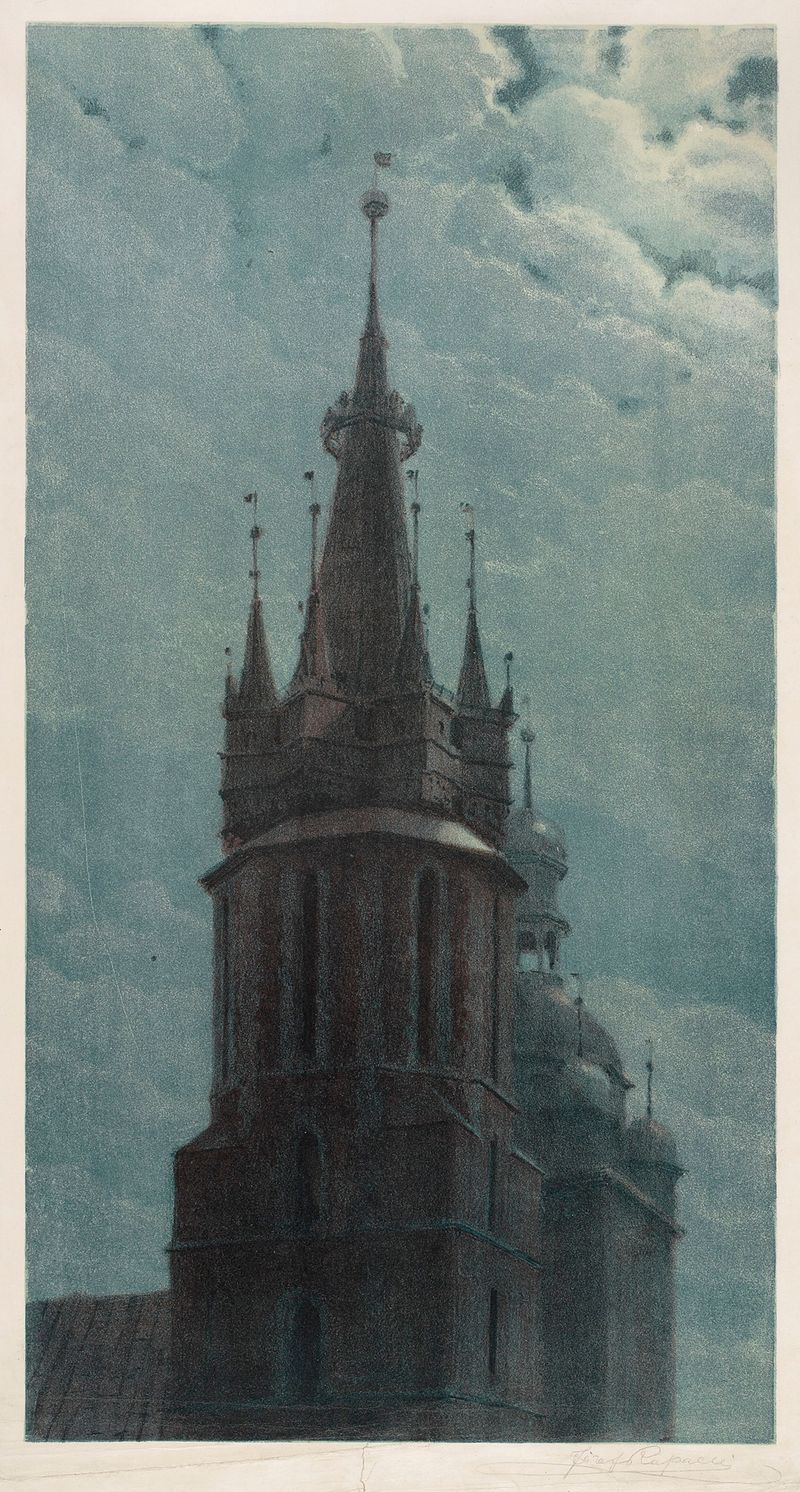
St. Mary’s Basilica in Krakow
Józef Rapacki
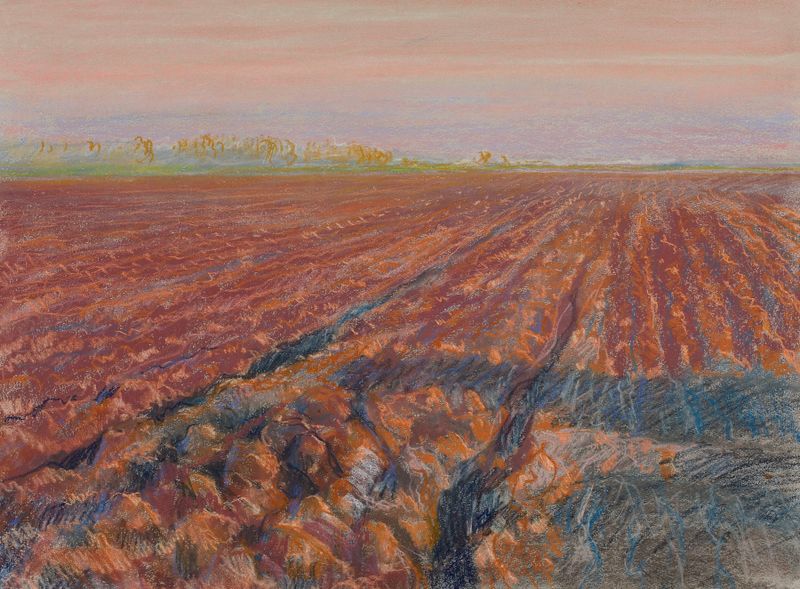
Ridge at sunset (Ploughed field at sunset)
Józef Rapacki
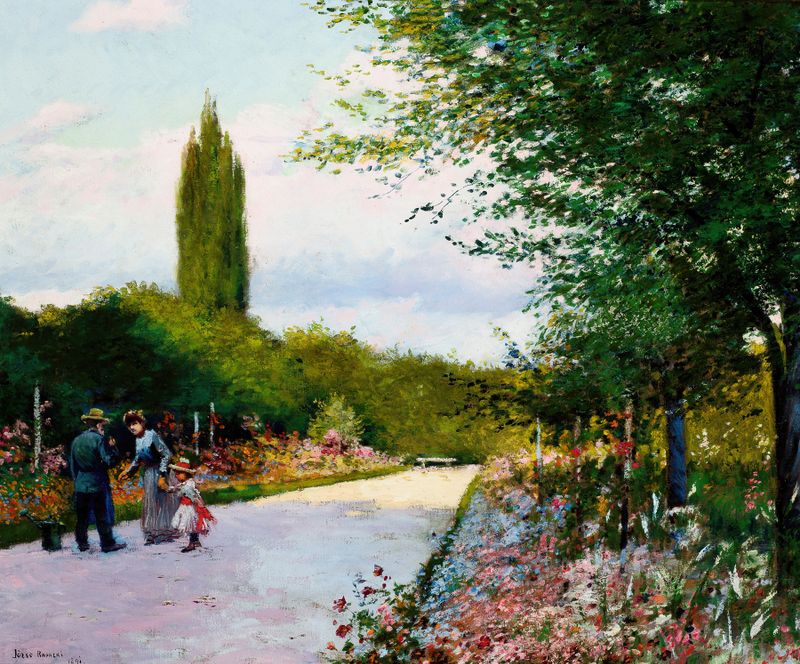
In the Garden
Józef Rapacki

Landscape
Józef Rapacki
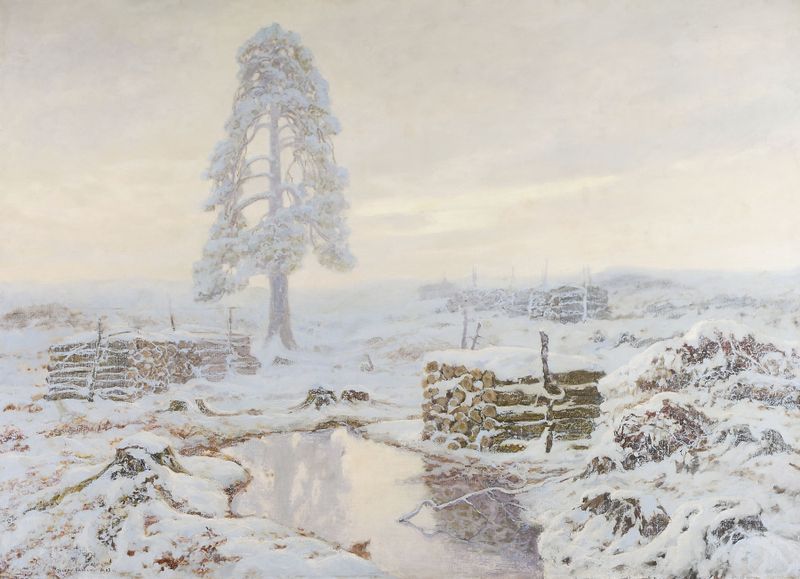
Winter landscape
Józef Rapacki
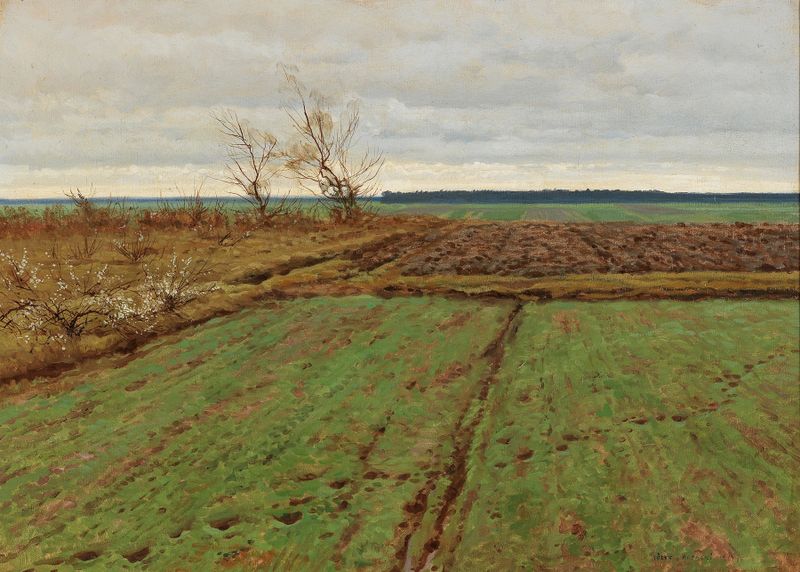
Winter landscape
Józef Rapacki
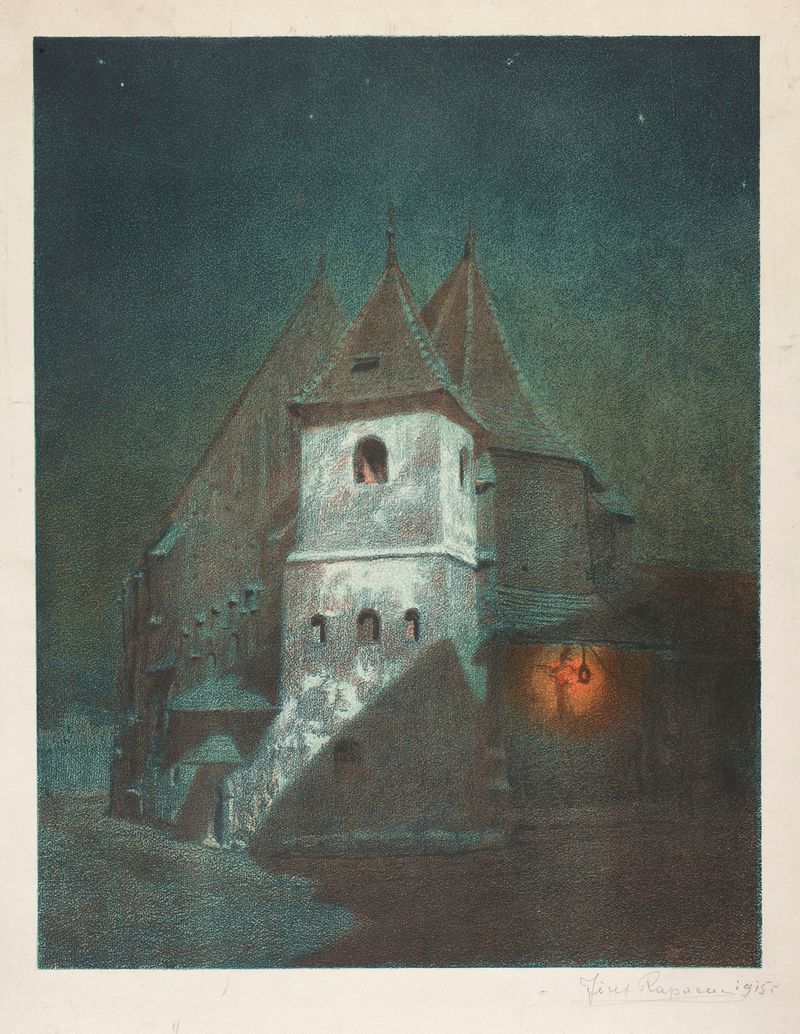
St. Marc’s Church in Krakow
Józef Rapacki
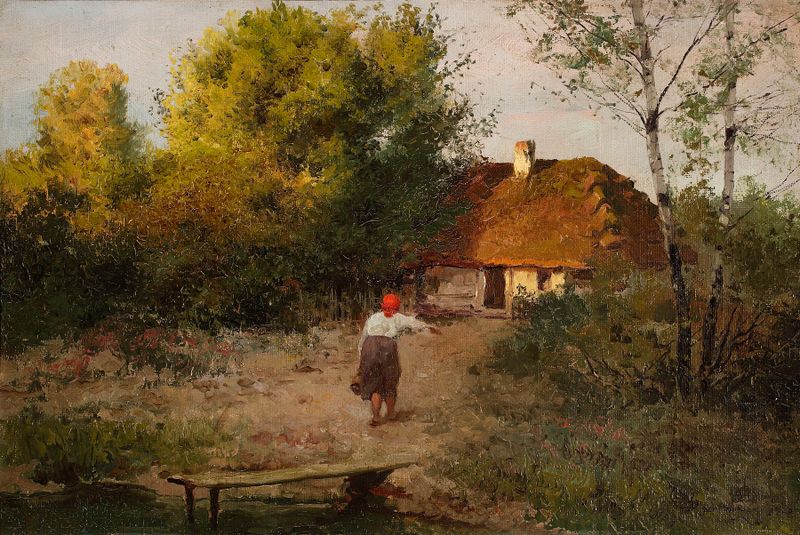
Peasant woman in front of a cottage
Józef Rapacki
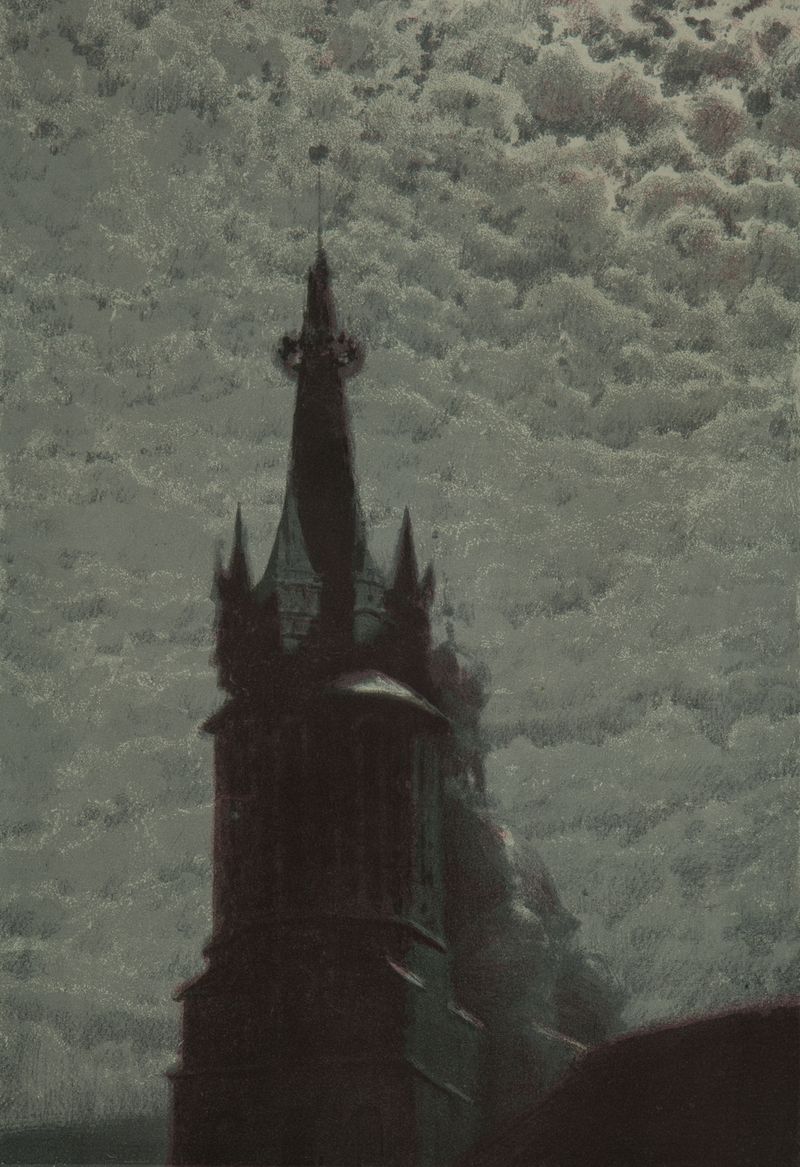
Tower of St. Mary’s Church
Józef Rapacki





