
Ridge at sunset (Ploughed field at sunset) — History & Facts
In the quietude of twilight, transformation unfolds. The world shifts from day to night, and in that delicate balance, possibilities emerge. The transition is a moment suspended in amber, inviting contemplation on the ephemeral nature of existence. Look to the horizon, where warm hues of orange and gold cascade over a ploughed field, their textures a juxtaposition of earthiness and light.
The rhythmic furrows, carved deep into the soil, lead the eye gently towards the skyline, creating a sense of movement and depth. Notice how the distant ridge seems to embrace the vivid sunset, the play of shadow and glow painting a natural tapestry that speaks of labor and reward, hope and reflection. Amidst the serene beauty, layers of meaning emerge. The ploughed field symbolizes the toil of the land and the promise of renewal; it is a canvas of life that thrives through the cycles of nature.
The interplay of colors, vibrant yet soft, elicits a feeling of nostalgia and yearning, capturing a fleeting moment that hints at both loss and the anticipation of what will come. This balance between evening calm and the day’s labor pulsates with a deeper emotional resonance, inviting viewers to pause and reflect. Józef Rapacki painted this piece in 1913, a time of great change and unrest in Europe. Living in Poland, he was influenced by the shifting dynamics of art movements and the burgeoning Modernism that sought new expressions of reality.
The work encapsulates not just the beauty of the landscape but also a poignant commentary on the transformations taking place in society, as the world prepared itself for the upheavals of the Great War.
More Artworks by Józef Rapacki
Browse all →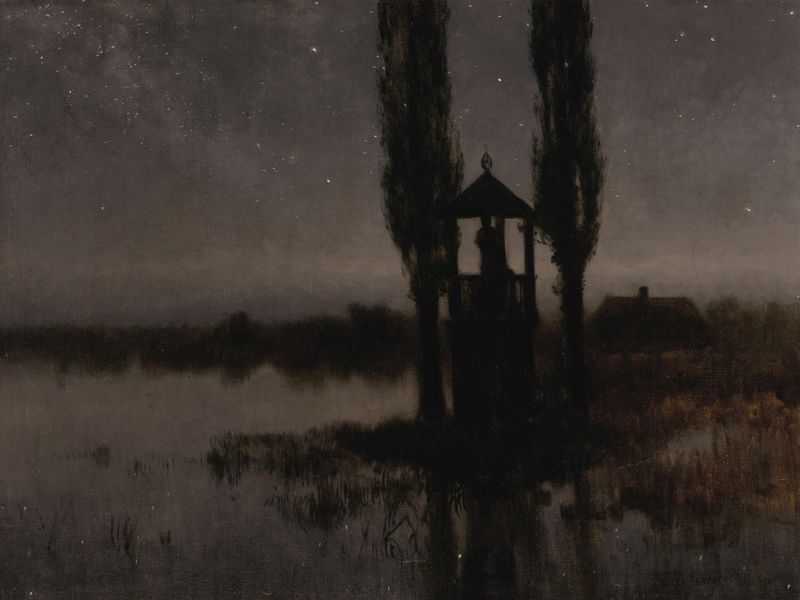
Nocturnal Marshland
Józef Rapacki
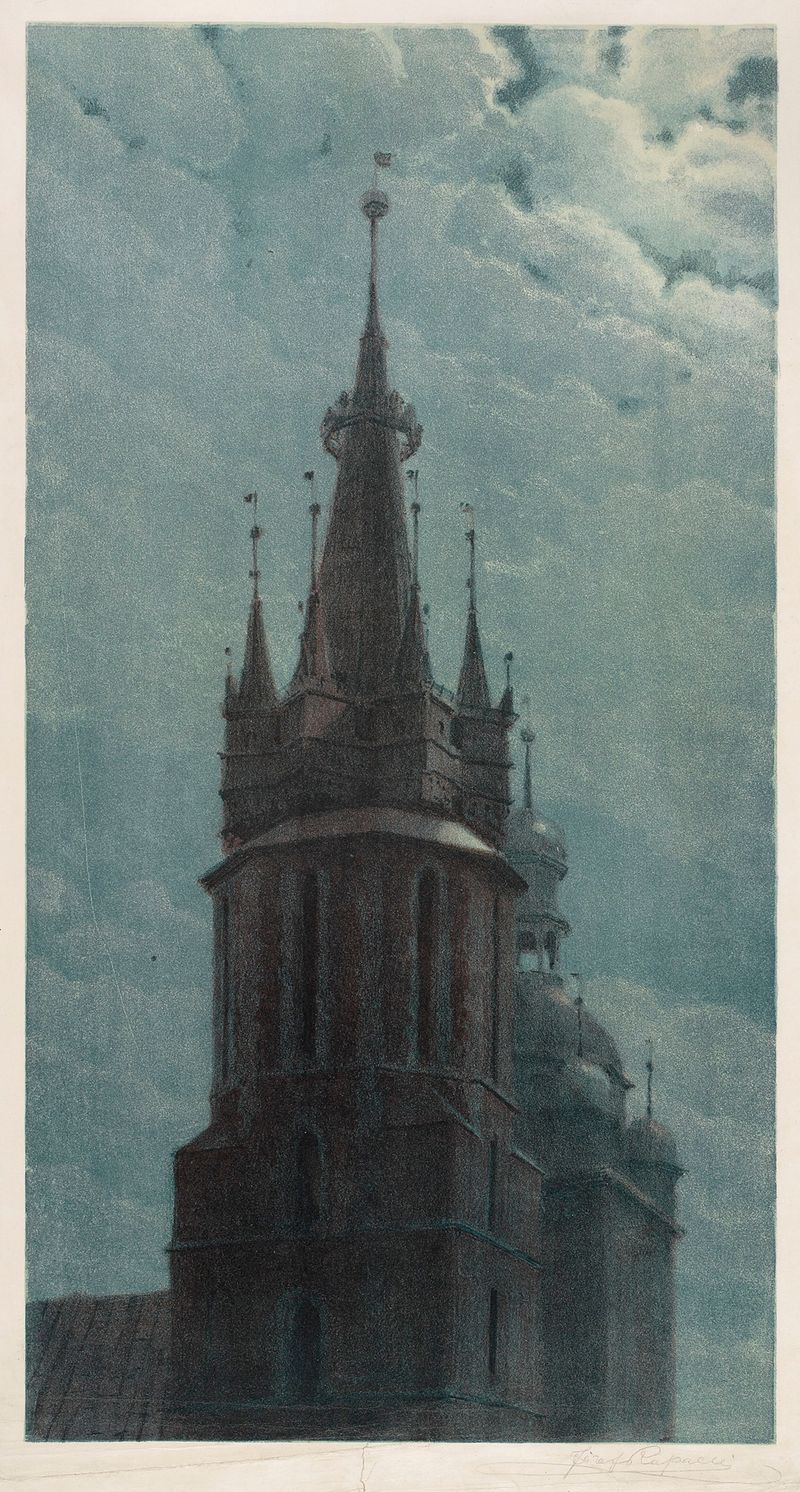
St. Mary’s Basilica in Krakow
Józef Rapacki
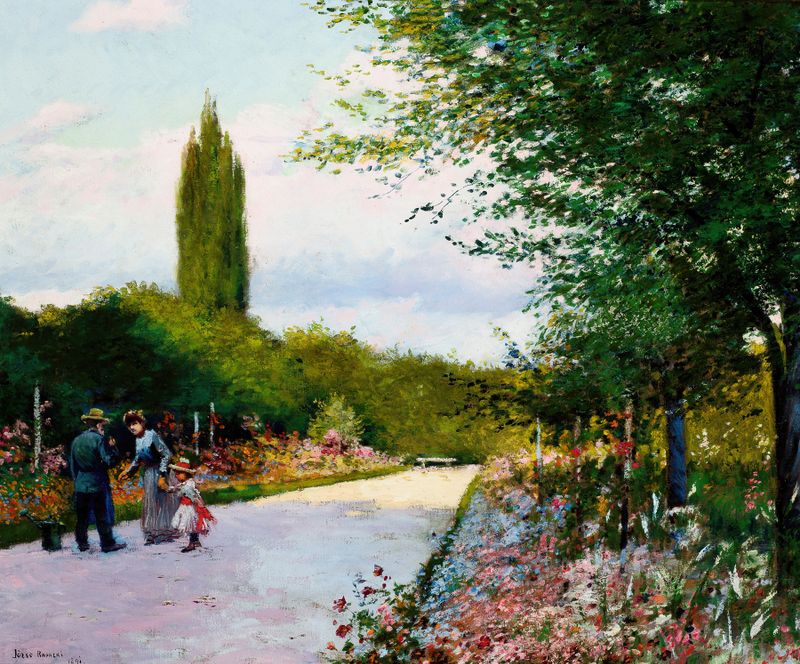
In the Garden
Józef Rapacki

Landscape
Józef Rapacki
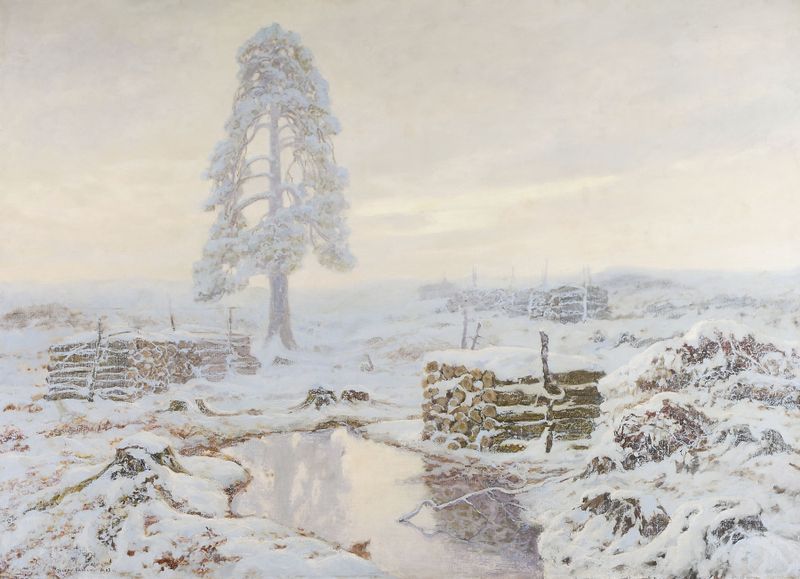
Winter landscape
Józef Rapacki
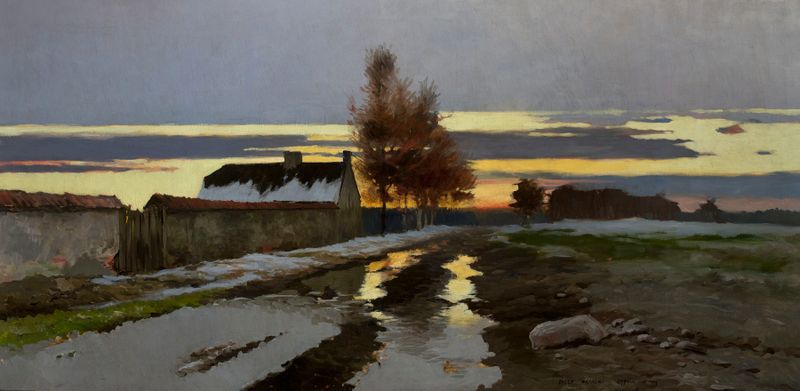
Dawn
Józef Rapacki
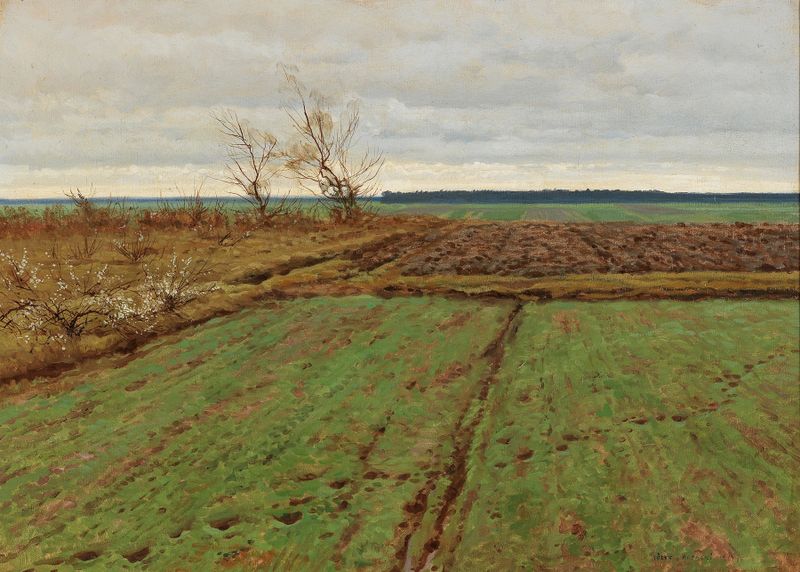
Winter landscape
Józef Rapacki
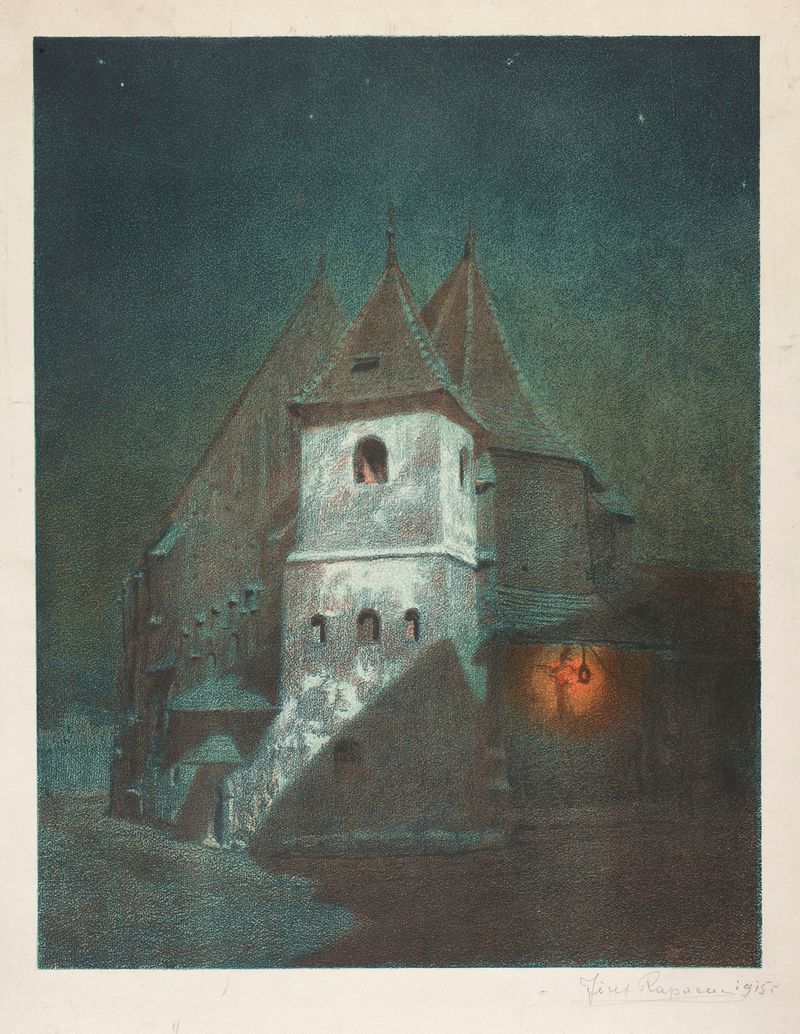
St. Marc’s Church in Krakow
Józef Rapacki
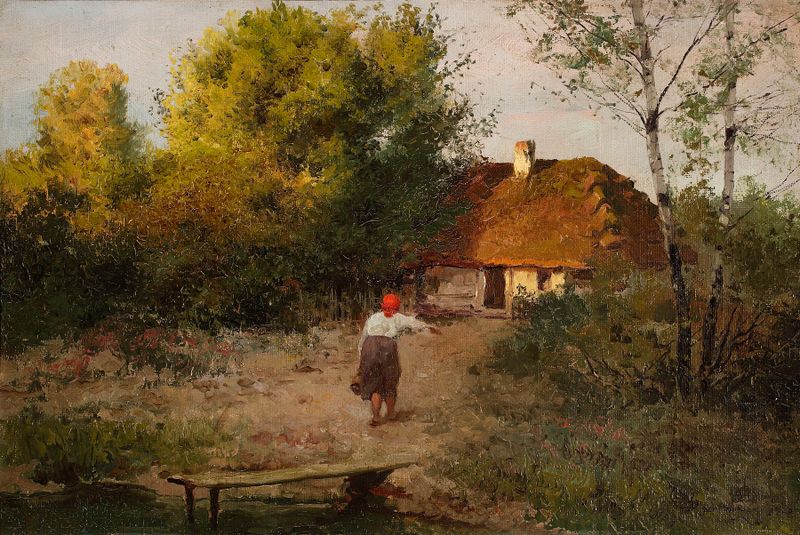
Peasant woman in front of a cottage
Józef Rapacki
Tower of St. Mary’s Church
Józef Rapacki





