
In the Garden — History & Facts
A soft breeze stirs the petals, and sunlight dances playfully through the leaves, casting a warm glow over the serene oasis. In the midst of blooming flowers, a couple stands close, their fingers almost touching, caught in a moment that teeters between longing and hesitation. The sounds of nature envelop them, a gentle hum of life, while the world around seems to fade, leaving only the palpable tension of unspoken desires. Look to the right at the vibrant blossoms that sway gently, each petal a burst of color, contrasting the soft greens of the foliage.
The artist’s brushstrokes capture the delicate textures of the flowers and the couple's attire, inviting the viewer to explore the richness of this idyllic setting. The use of light is masterful; it filters through the branches above, illuminating the couple with a golden halo, accentuating their connection while casting shadowy hints of their inner turmoil. As you gaze deeper, the contrasting elements emerge — the lush garden teeming with life contrasts with the couple's stillness, reflecting the tension between nature's exuberance and the uncertainty of personal desires. The subtle gestures, the way the man leans in slightly while the woman stands reserved, encapsulate the push and pull of intimacy and distance.
This duality invites contemplation of unfulfilled love and the bittersweet nature of human connection. In 1891, while living in Warsaw, Józef Rapacki captured In the Garden during a time of great change in art, as Impressionism and Symbolism were influencing many artists across Europe. As he painted this intimate scene, he was exploring personal themes of love and desire amidst a backdrop of societal evolution, using lush landscapes to express the complexity of human emotions in an increasingly modern world.
More Artworks by Józef Rapacki
Browse all →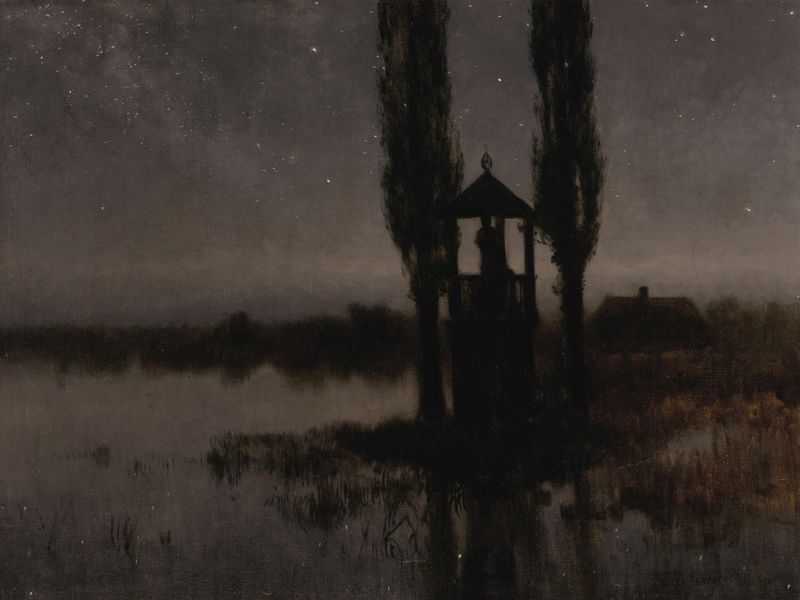
Nocturnal Marshland
Józef Rapacki
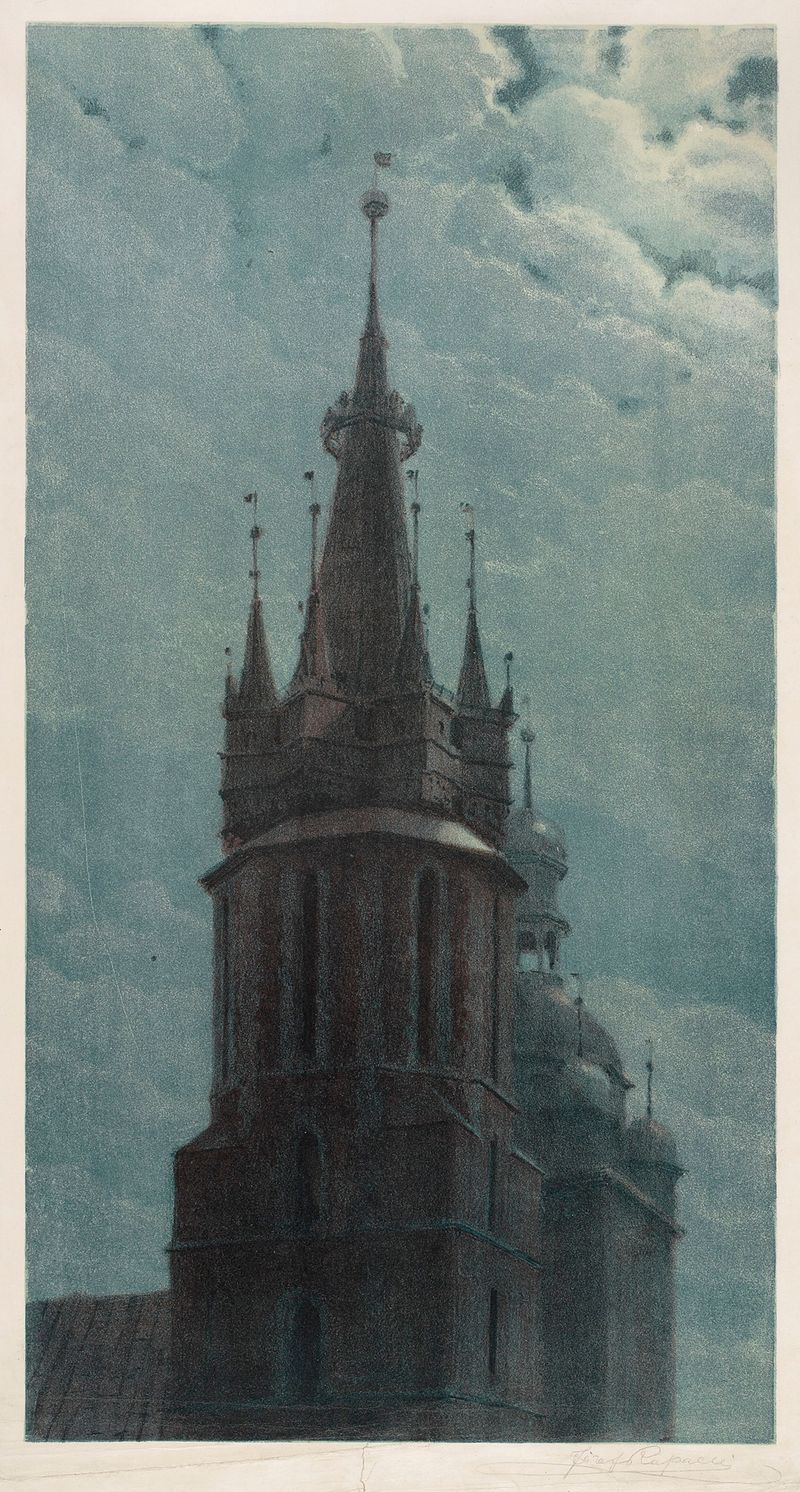
St. Mary’s Basilica in Krakow
Józef Rapacki
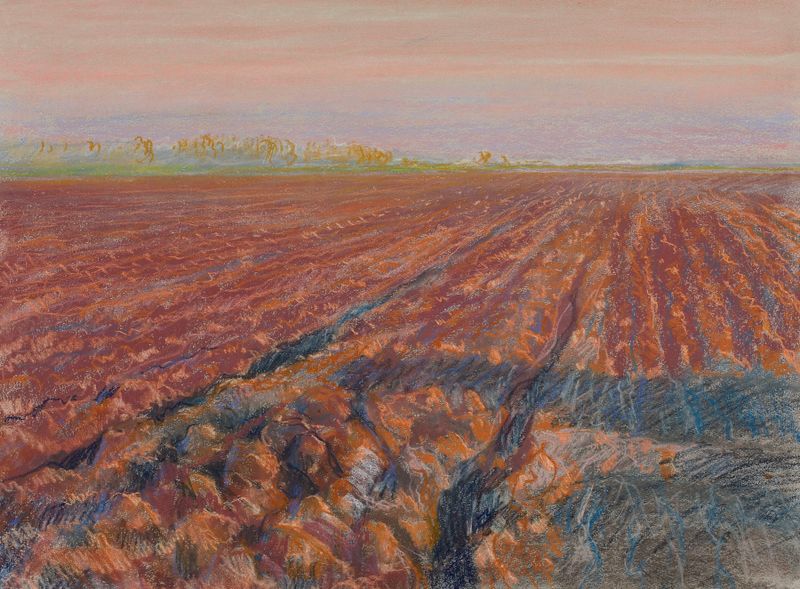
Ridge at sunset (Ploughed field at sunset)
Józef Rapacki

Landscape
Józef Rapacki
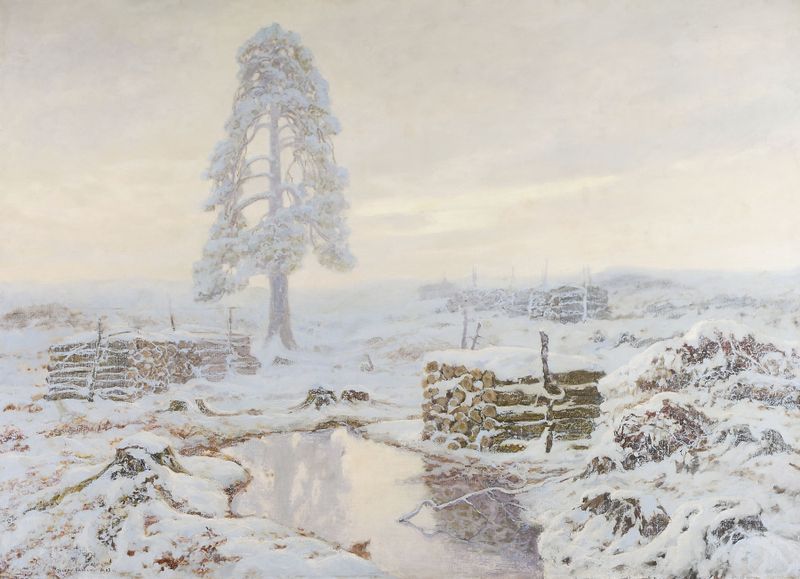
Winter landscape
Józef Rapacki
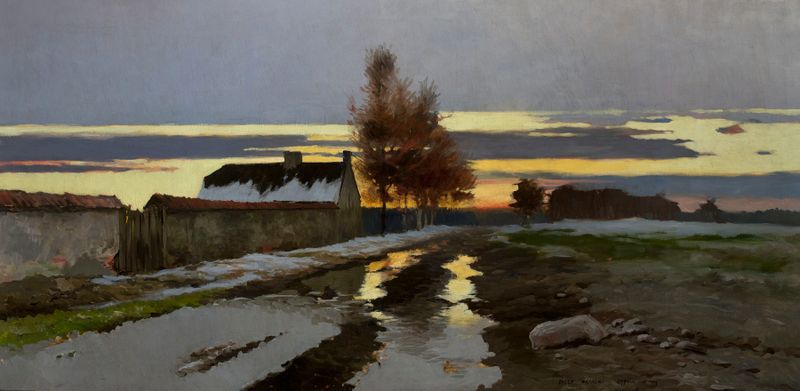
Dawn
Józef Rapacki
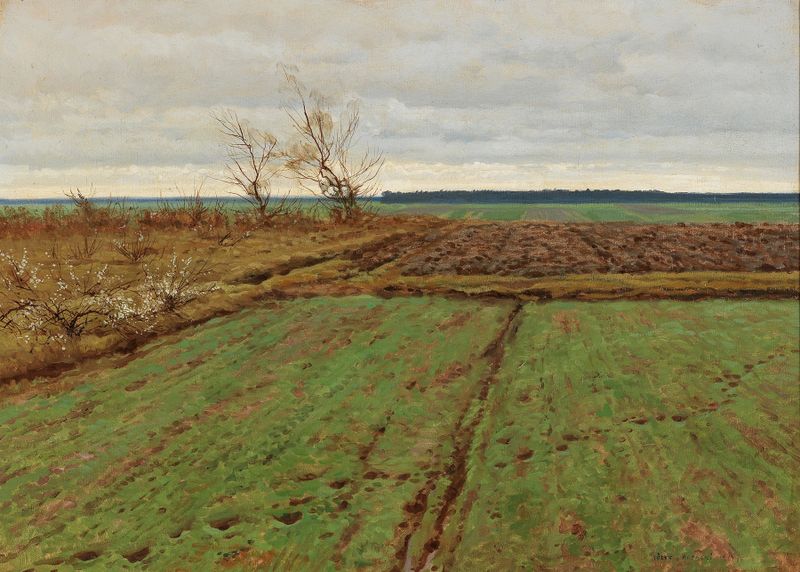
Winter landscape
Józef Rapacki
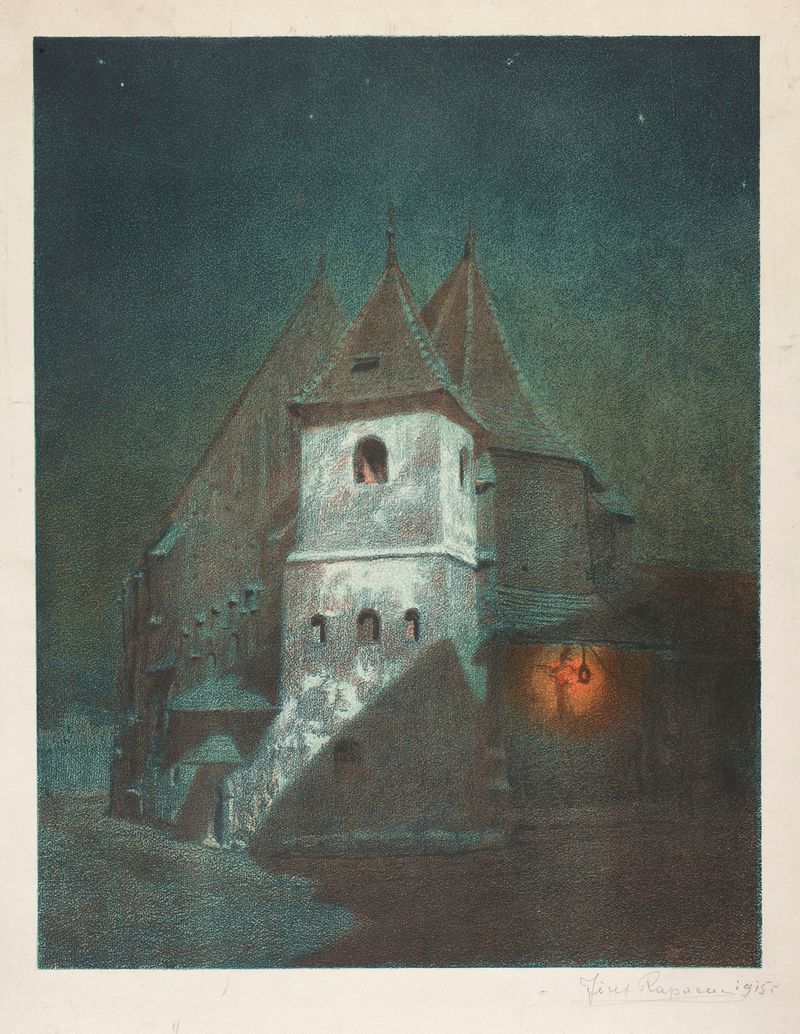
St. Marc’s Church in Krakow
Józef Rapacki
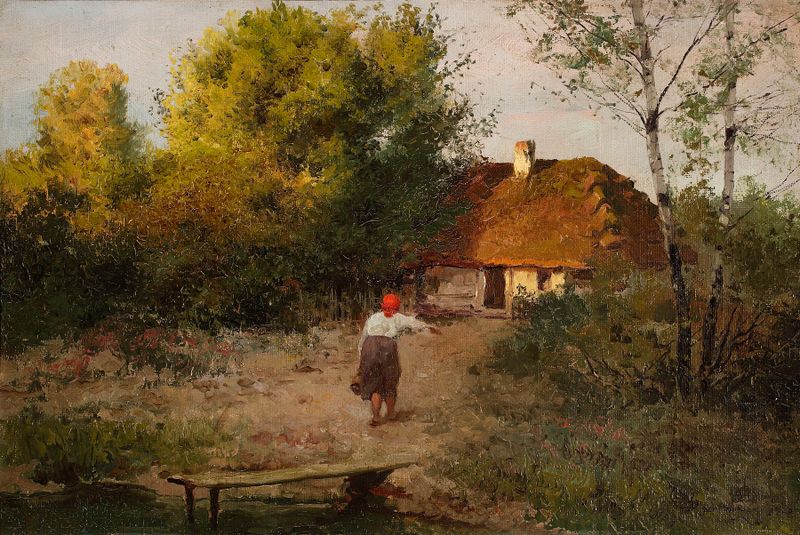
Peasant woman in front of a cottage
Józef Rapacki
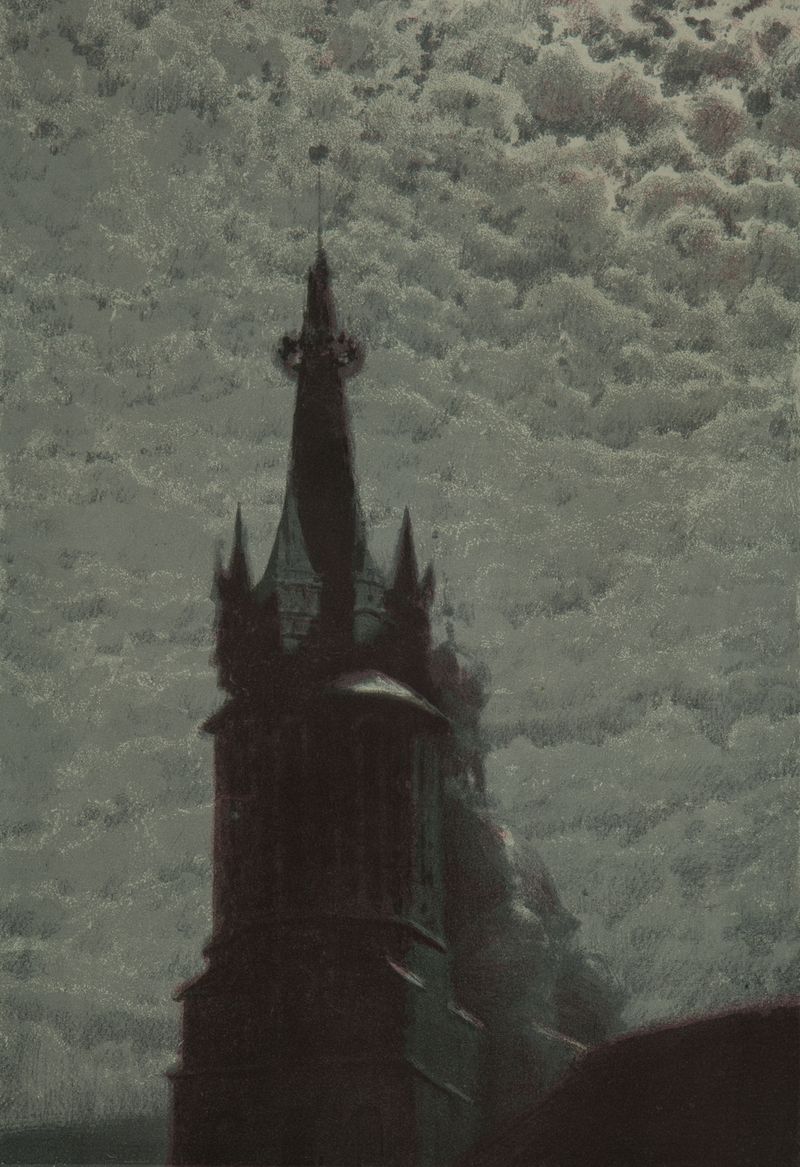
Tower of St. Mary’s Church
Józef Rapacki





