
Winter landscape — History & Facts
In the stillness of a winter's breath, a landscape unfolds, where the chill of melancholy settles like snow upon the earth. This scene invites contemplation, whispering secrets of solitude and quiet beauty. Look to the foreground, where soft, white drifts mingle with the delicate hues of thinned grass. The artist employs a muted palette of blues and grays, capturing the somber essence of winter, while faint rays of light filter through a canopy of skeletal trees.
The stark contrast between the crisp, cold landscape and the warmth of distant, hazy hills creates a palpable tension, drawing the viewer deeper into this serene yet lonely world. Beneath the surface lies a tension between serenity and sorrow. The trees stand as silent sentinels, bearing witness to the passage of time and the inevitability of change. Rapacki’s brush subtly evokes a sense of isolation as the expanse of white resembles an untouched canvas, hinting at the potential for rebirth even in the depths of winter.
Each stroke carries an emotional weight, reminding us that beauty often resides in the quiet, unacknowledged corners of existence. In 1914, Winter Landscape emerged from Józef Rapacki's studio in Poland, a nation on the brink of turmoil as World War I loomed. The art world was teetering on the edge of modernism, with artists exploring new forms and expressions. Amidst this shifting landscape, Rapacki's work reflects a poignant introspection, capturing both the stark realities of life and the delicate threads of emotion that weave through the human experience.
More Artworks by Józef Rapacki
Browse all →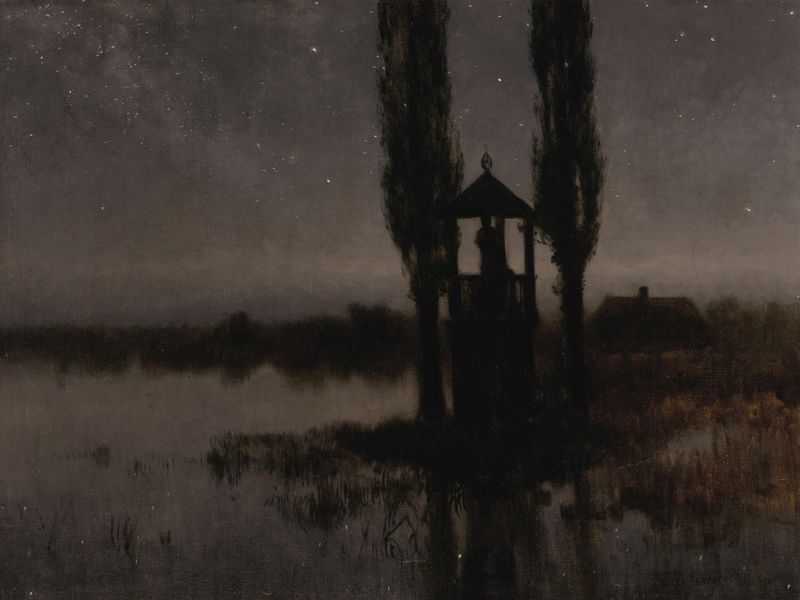
Nocturnal Marshland
Józef Rapacki
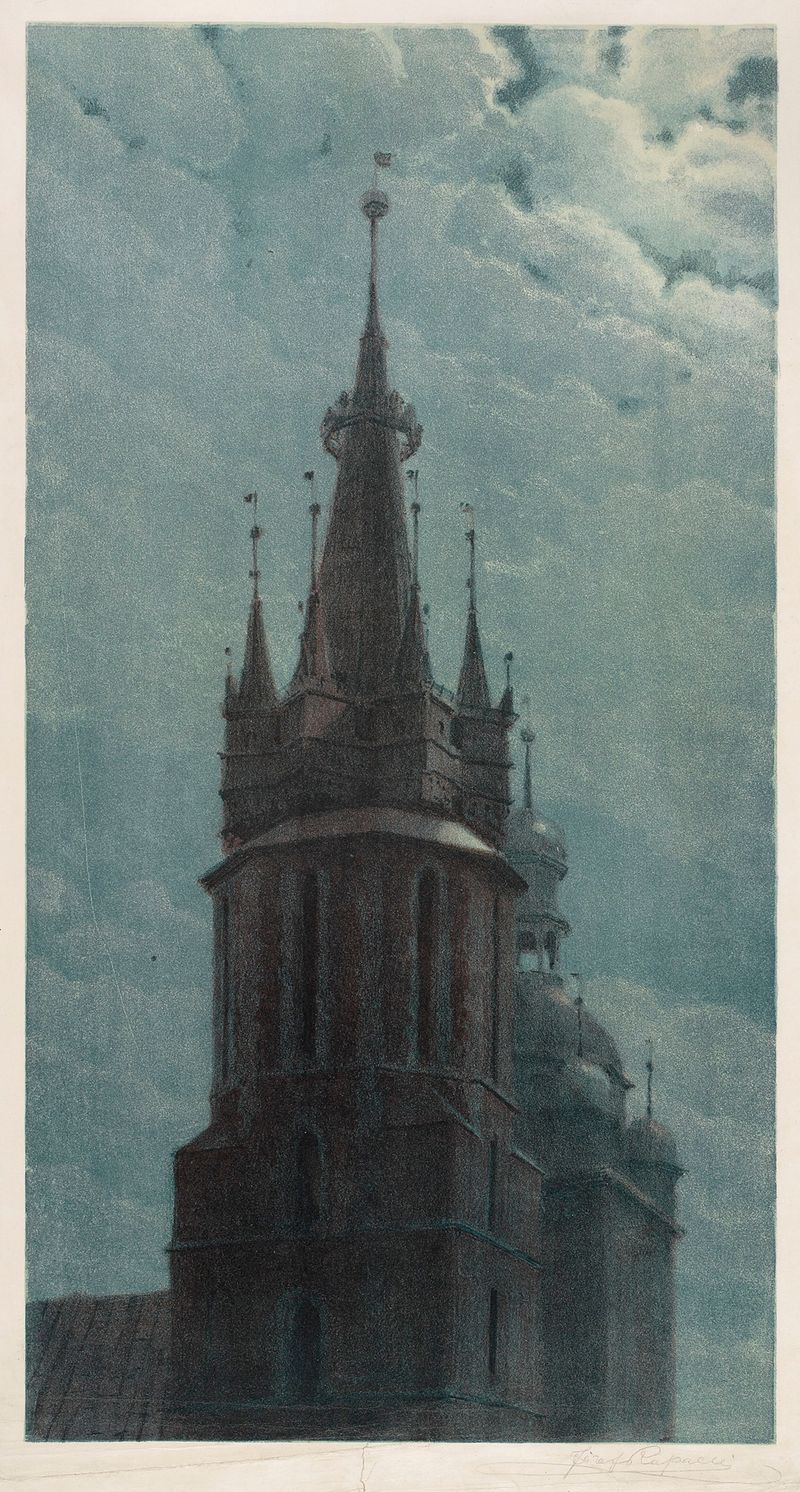
St. Mary’s Basilica in Krakow
Józef Rapacki
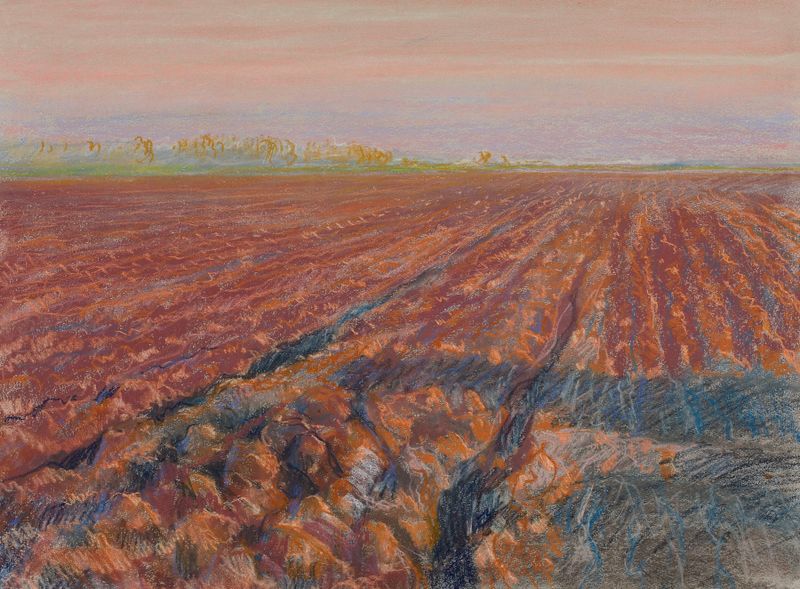
Ridge at sunset (Ploughed field at sunset)
Józef Rapacki
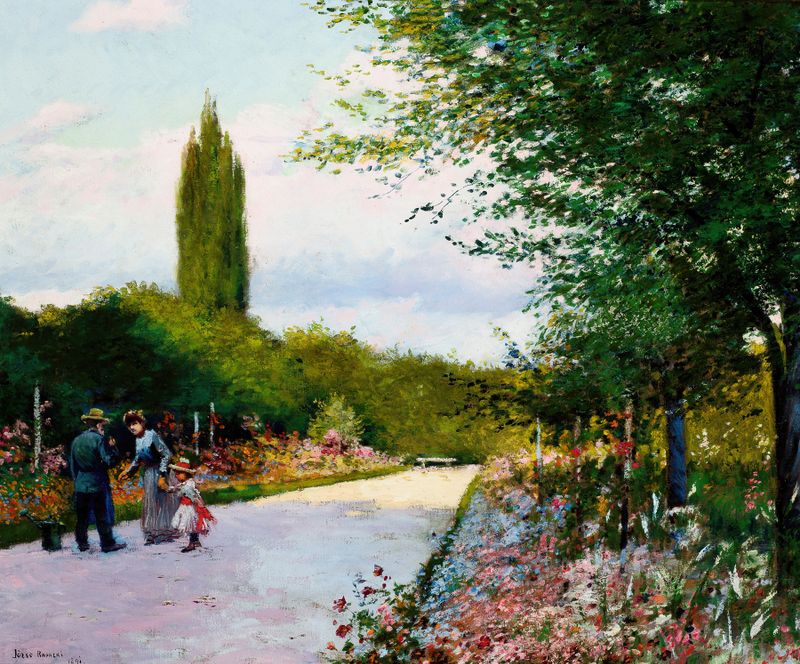
In the Garden
Józef Rapacki

Landscape
Józef Rapacki
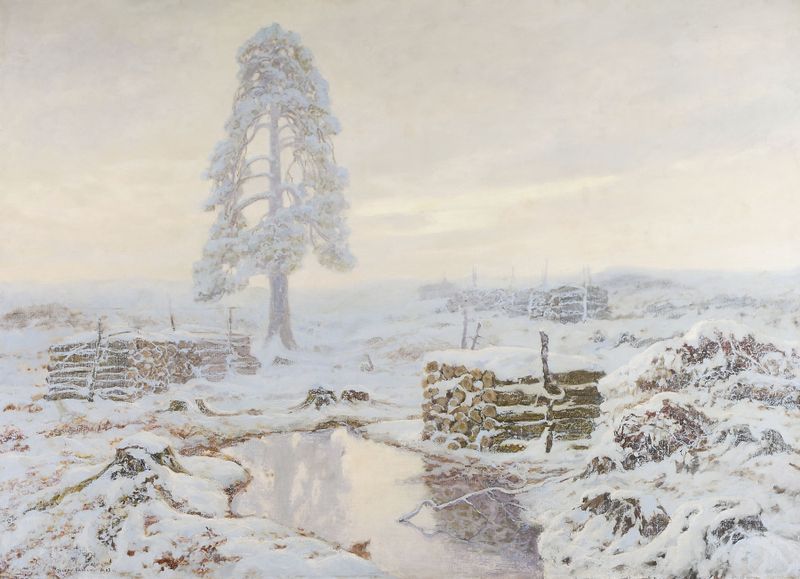
Winter landscape
Józef Rapacki
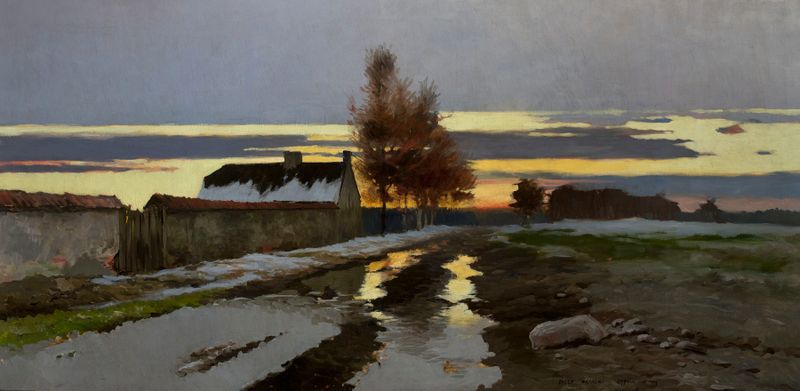
Dawn
Józef Rapacki
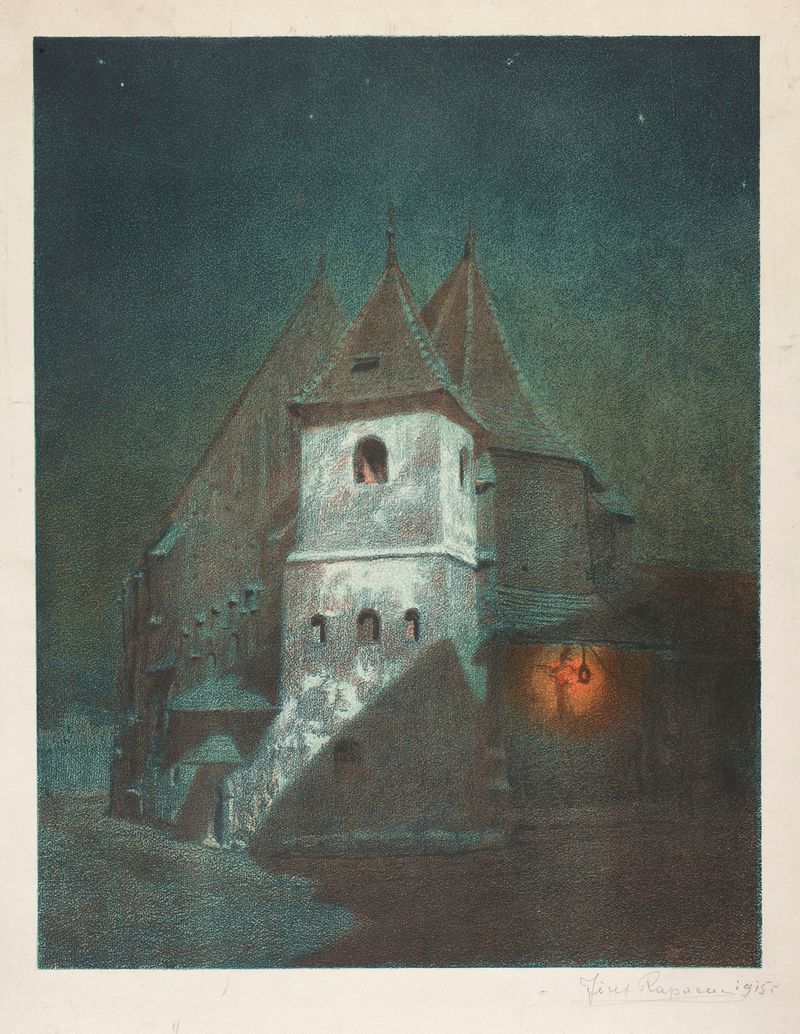
St. Marc’s Church in Krakow
Józef Rapacki
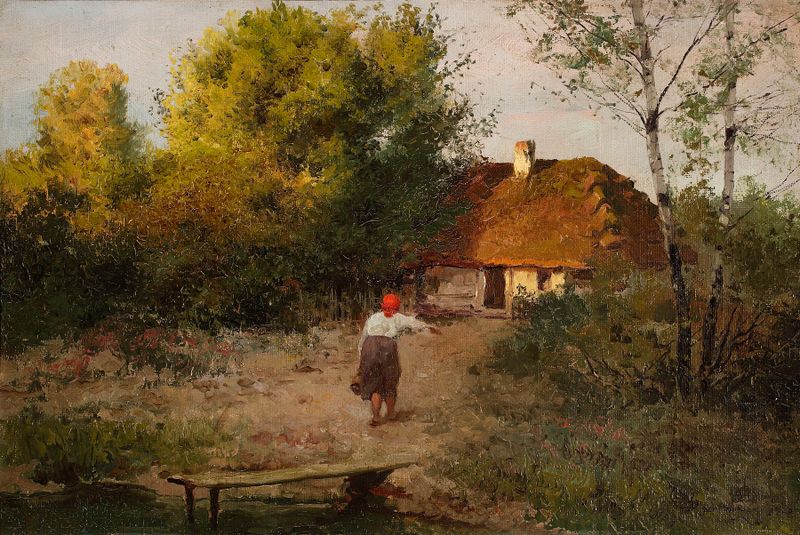
Peasant woman in front of a cottage
Józef Rapacki
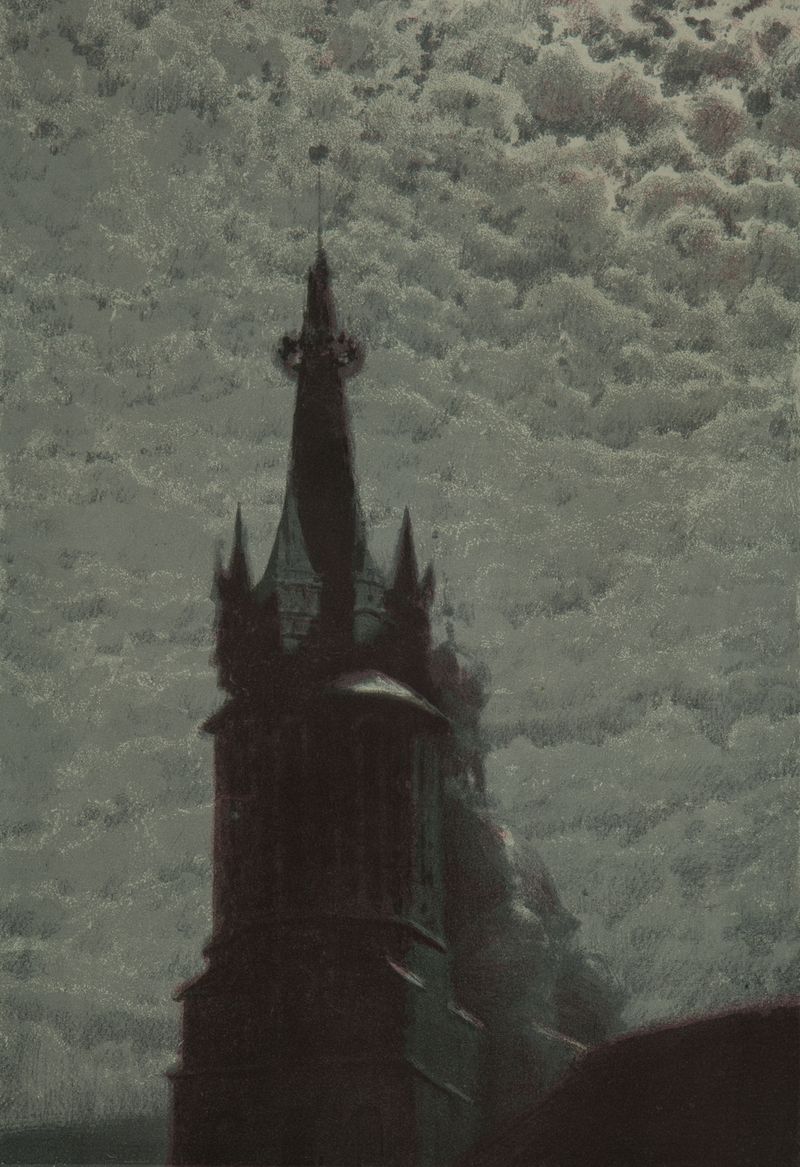
Tower of St. Mary’s Church
Józef Rapacki





