
Winter landscape — History & Facts
Who listens when art speaks of silence? In Winter Landscape, the beauty of a desolate winter scene invites an intimate dialogue between viewer and canvas, where the hush of nature resonates in every brushstroke. Look to the foreground, where a blanket of pristine snow stretches across the canvas, its delicate texture captured with shimmering whites and muted blues. The horizon is gently punctuated by skeletal trees, their bare branches reaching skyward, almost as if pleading to the overcast sky. Notice how the light is diffused, enveloping the scene in a soft, melancholic glow that blurs the lines between reality and dream, drawing your eye deeper into this tranquil, yet stark environment. This work encapsulates the profound contrast between the serene beauty of winter and the isolation it often brings.
The stillness of the landscape evokes a sense of solitude, while the absent figures suggest a deeper narrative of human struggle against nature's harshness. Each brushstroke conveys a weight of emotion, revealing layers of contemplation on beauty, transience, and the quiet strength found in solitude. In 1908, as he painted this piece, Józef Rapacki was navigating the evolving art world of Poland, deeply influenced by the naturalistic traditions of his predecessors. The early 20th century was a time of cultural exploration, with artists challenging norms and seeking new forms of expression, allowing Rapacki to articulate his vision of the evocative winter landscape with clarity and depth.
More Artworks by Józef Rapacki
Browse all →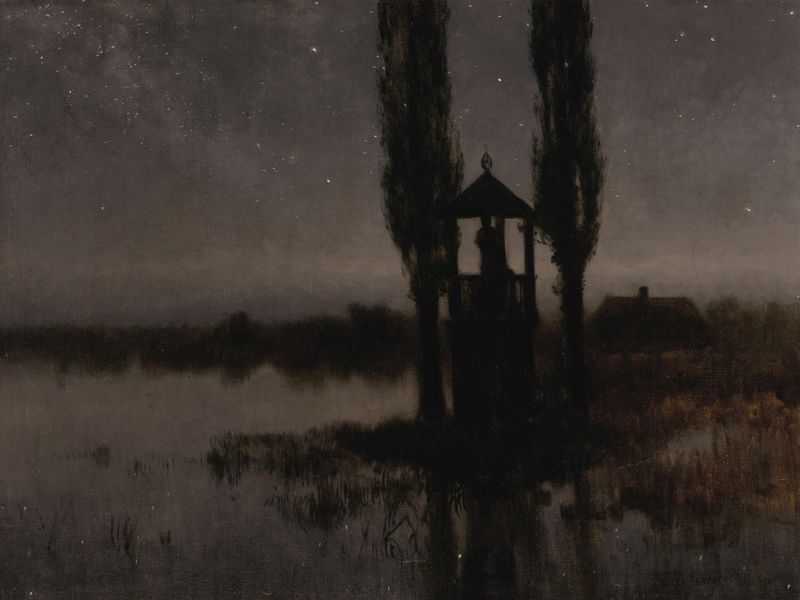
Nocturnal Marshland
Józef Rapacki
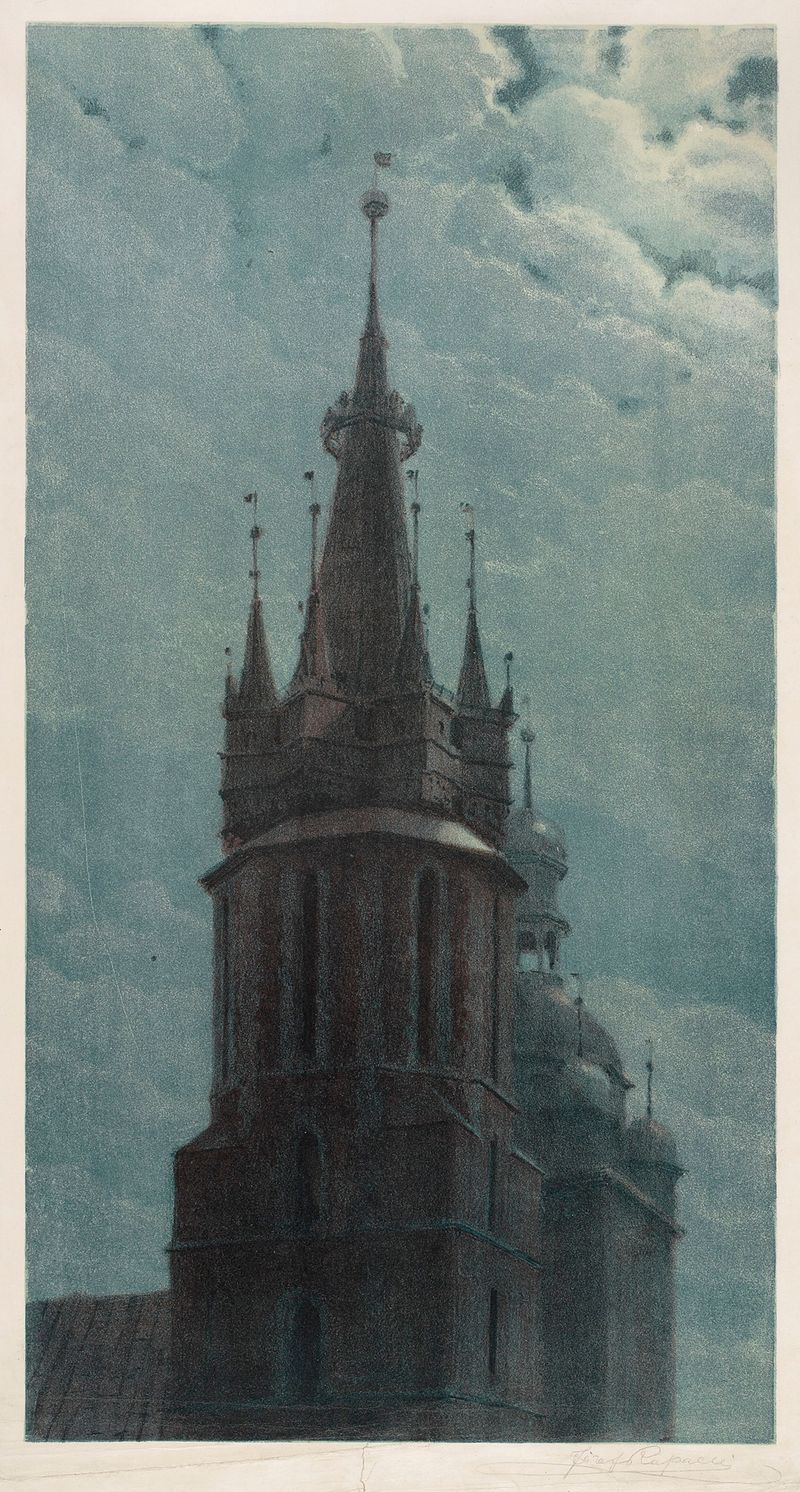
St. Mary’s Basilica in Krakow
Józef Rapacki
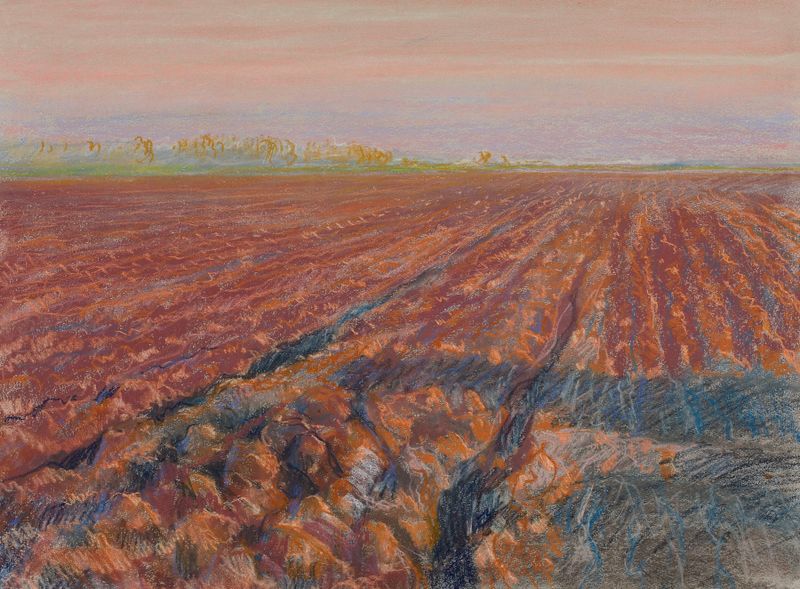
Ridge at sunset (Ploughed field at sunset)
Józef Rapacki
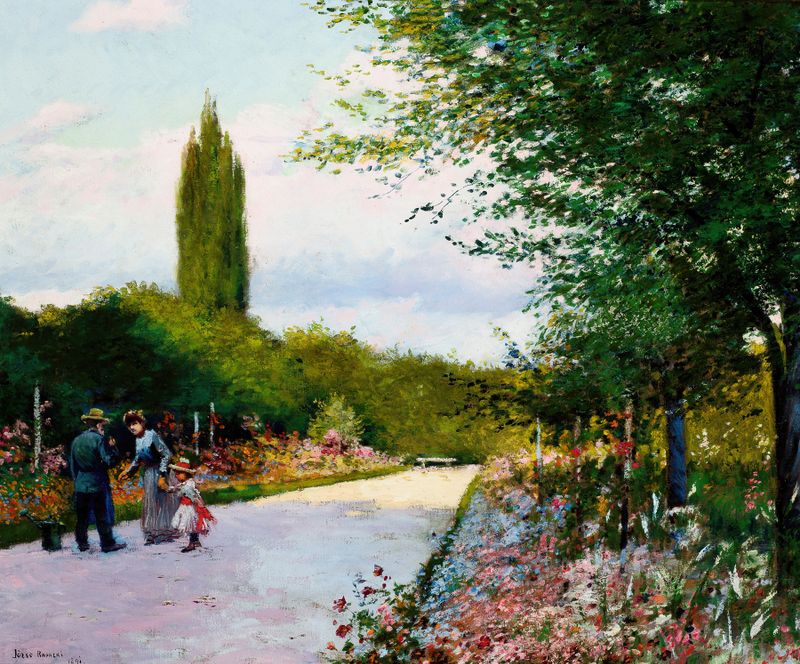
In the Garden
Józef Rapacki

Landscape
Józef Rapacki
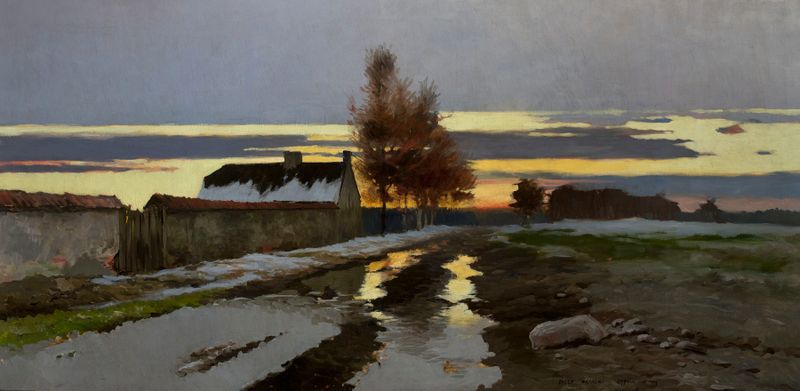
Dawn
Józef Rapacki
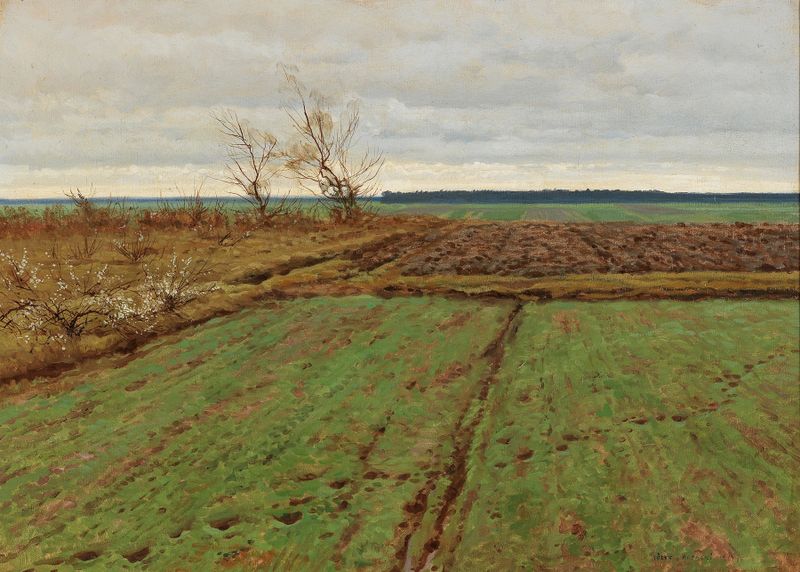
Winter landscape
Józef Rapacki
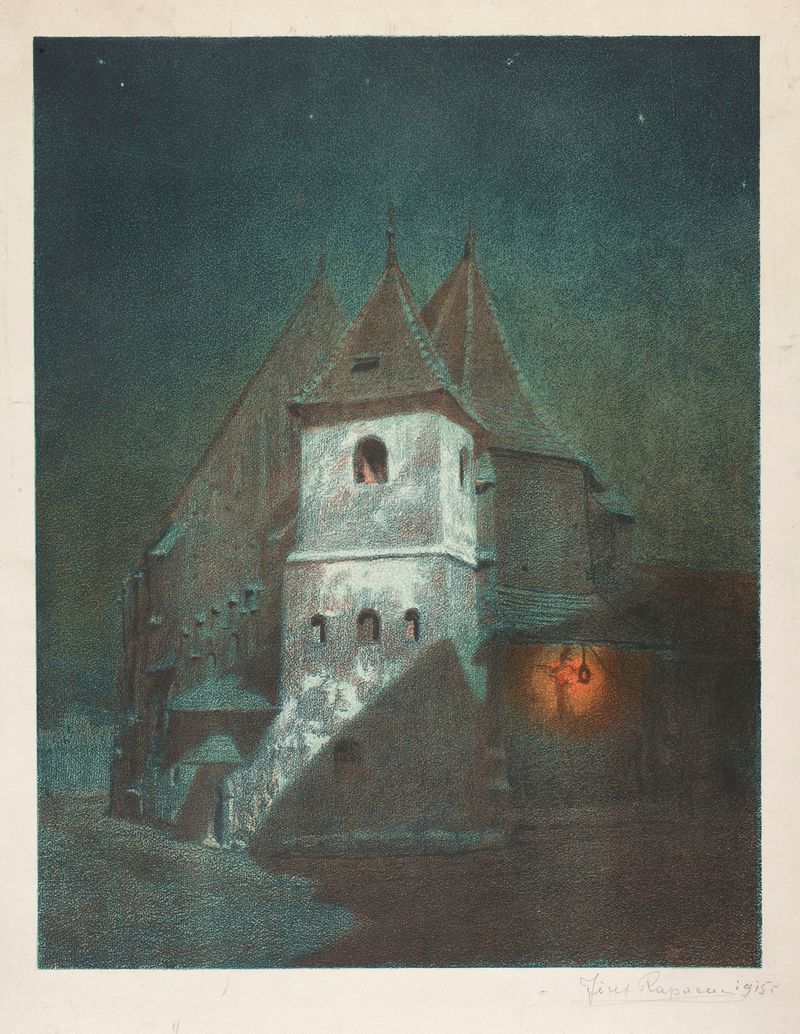
St. Marc’s Church in Krakow
Józef Rapacki
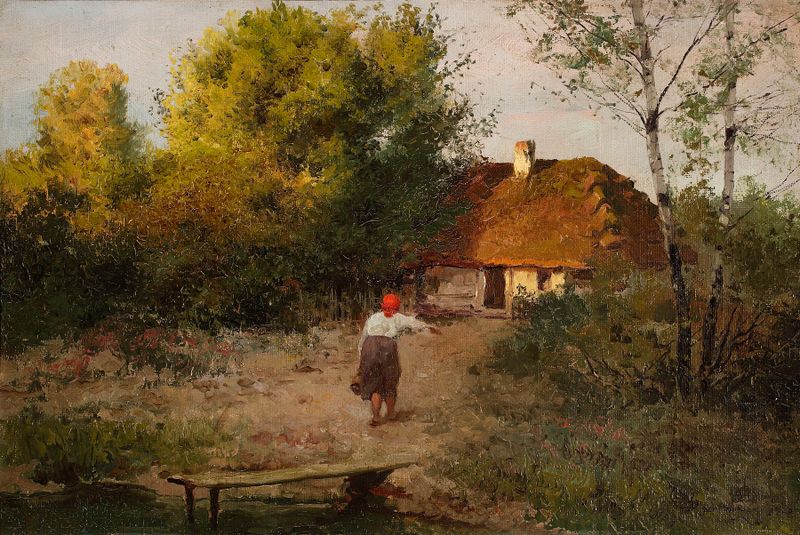
Peasant woman in front of a cottage
Józef Rapacki
Tower of St. Mary’s Church
Józef Rapacki





