
Landscape — History & Facts
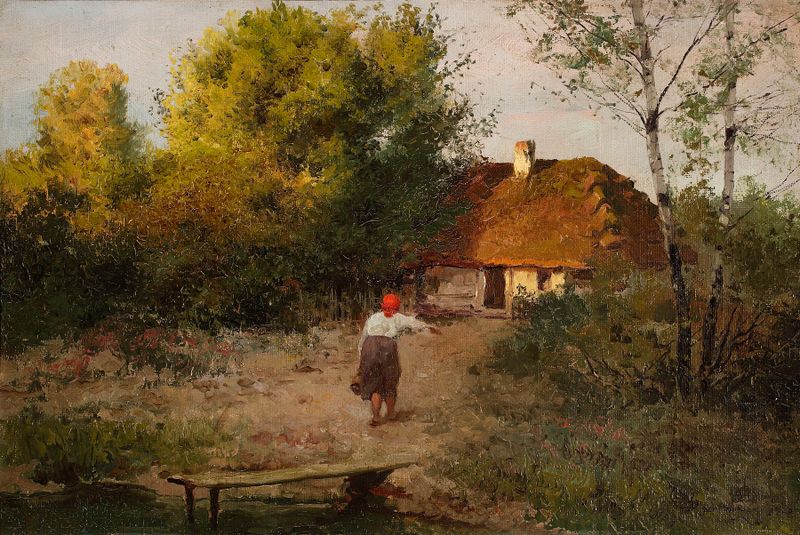
This sentiment resonates deeply within the layers of light captured in Landscape. In this serene tableau, the ethereal dance of sunlight reflects not only the physical world but also the emotional landscapes we traverse. Look to the foreground, where the gentle hills roll softly under a luminous sky. Notice how the light falls upon the grassy expanse, highlighting each blade and casting playful shadows that suggest movement.
The artist’s brushwork masterfully blends warm ochres and cool greens, creating a harmonious balance that invites the viewer into this tranquil setting. The composition draws the eye toward the horizon, where the sky ignites in a symphony of blues and golds, a testament to the day’s ephemeral beauty. Yet, beneath this idyllic surface lies a tension between tranquility and turmoil. The juxtaposition of vivid colors against the muted, shadowed areas evokes a sense of yearning—a reminder that beneath every beautiful scene lurks an underlying complexity.
The whispers of nature in the distance are both soothing and haunting, suggesting that beauty can sometimes mask deeper emotional currents, where joy and melancholy intertwine. Painted in 1893, during a time when Józef Rapacki was exploring the natural world, Landscape reflects his dedication to capturing the essence of light in nature. Working in Poland, he was part of a movement that sought to depict everyday life and landscapes with a sense of realism. This period was marked by a growing appreciation for plein air painting, emphasizing the artist’s connection to the environment and the fleeting beauty of time.
More Artworks by Józef Rapacki
Browse all →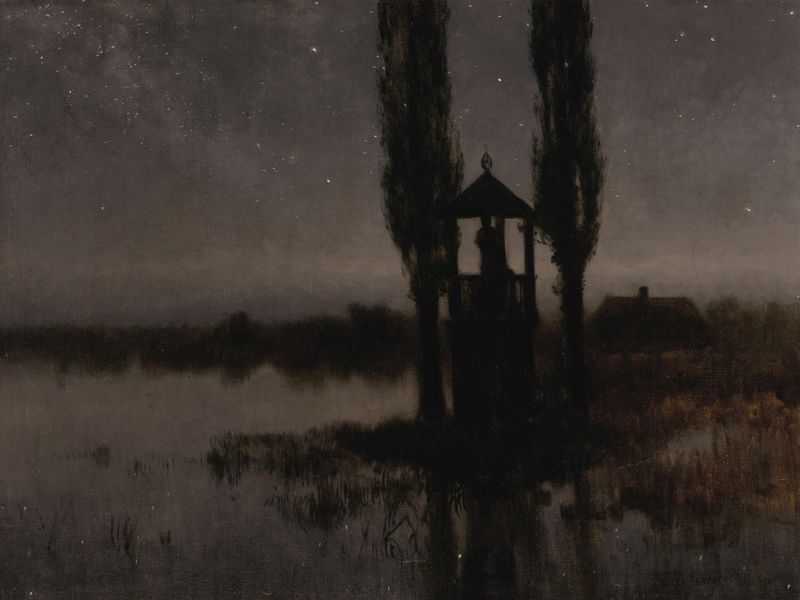
Nocturnal Marshland
Józef Rapacki
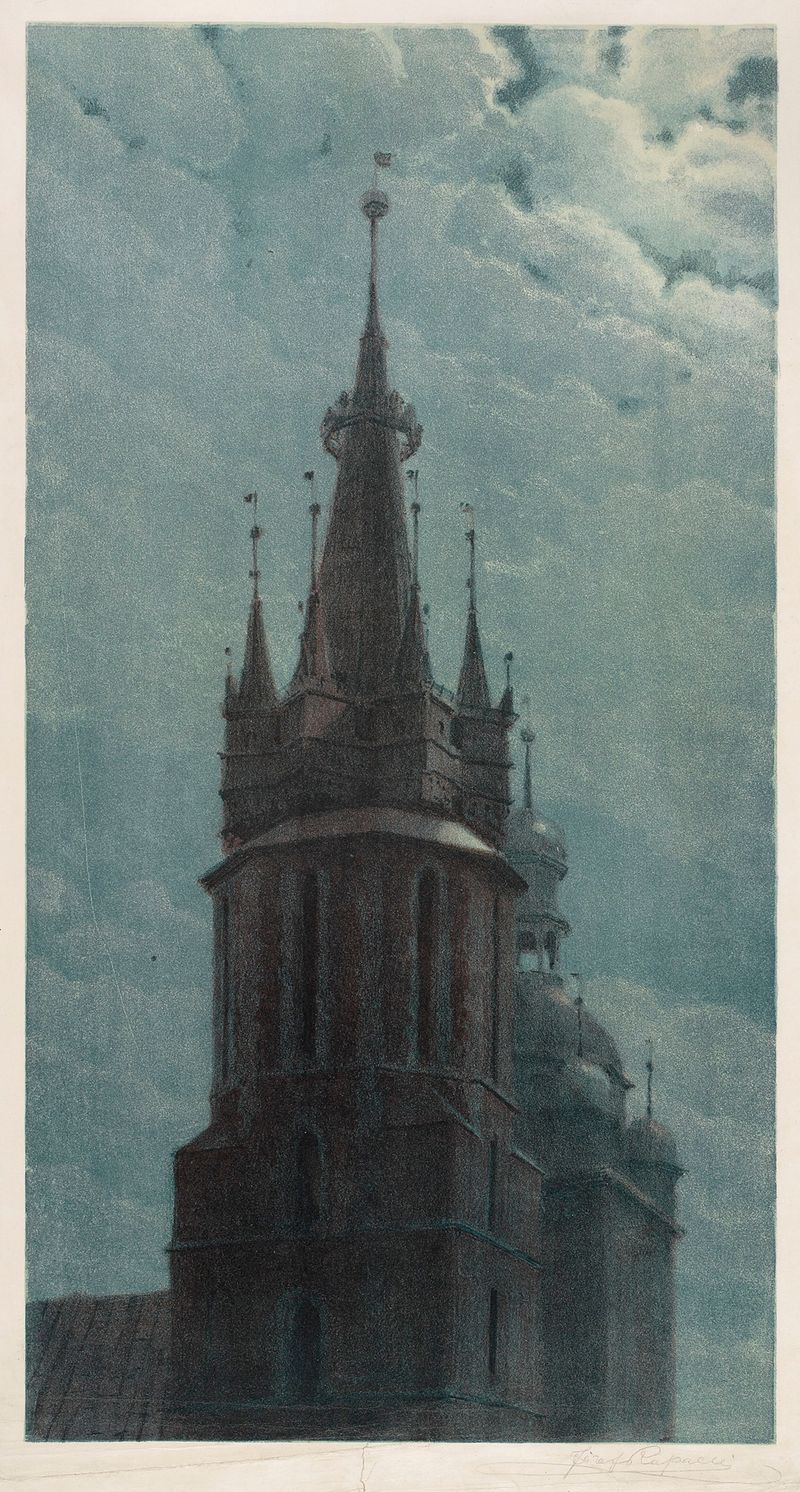
St. Mary’s Basilica in Krakow
Józef Rapacki
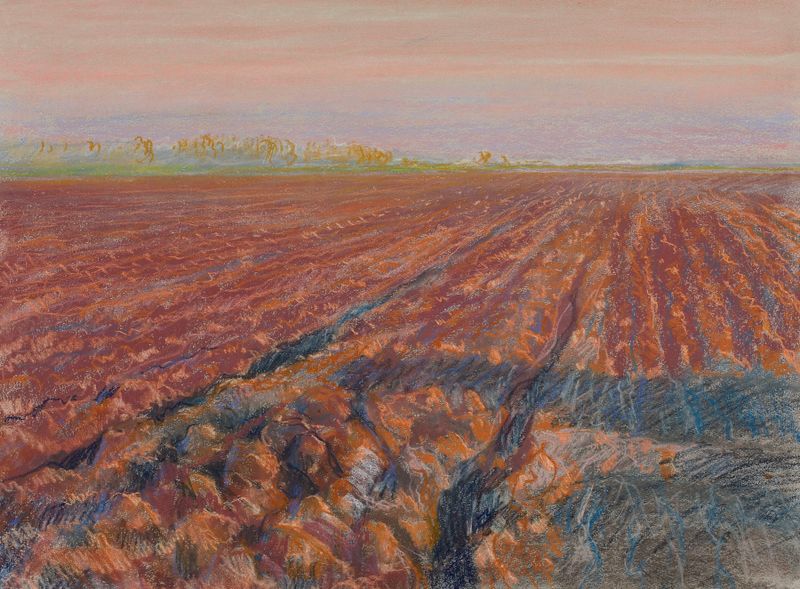
Ridge at sunset (Ploughed field at sunset)
Józef Rapacki
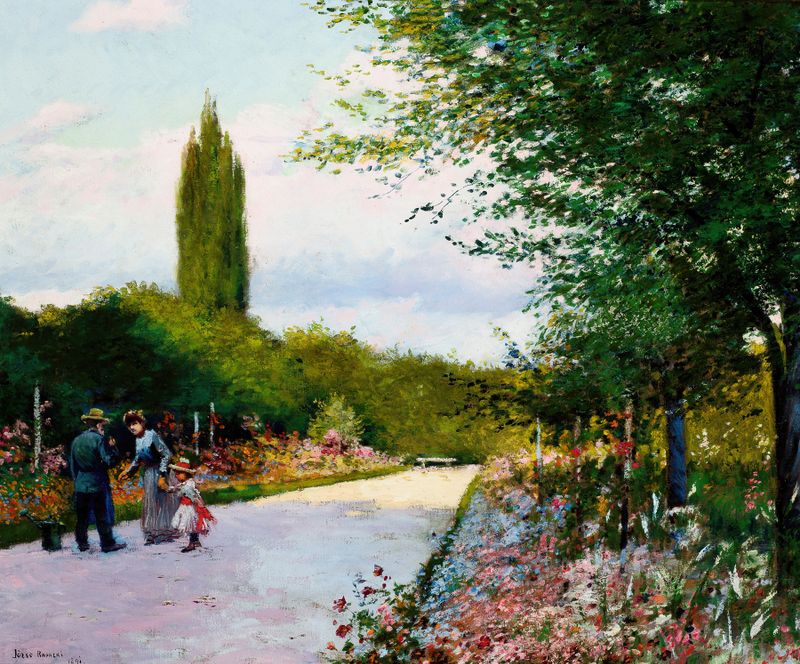
In the Garden
Józef Rapacki
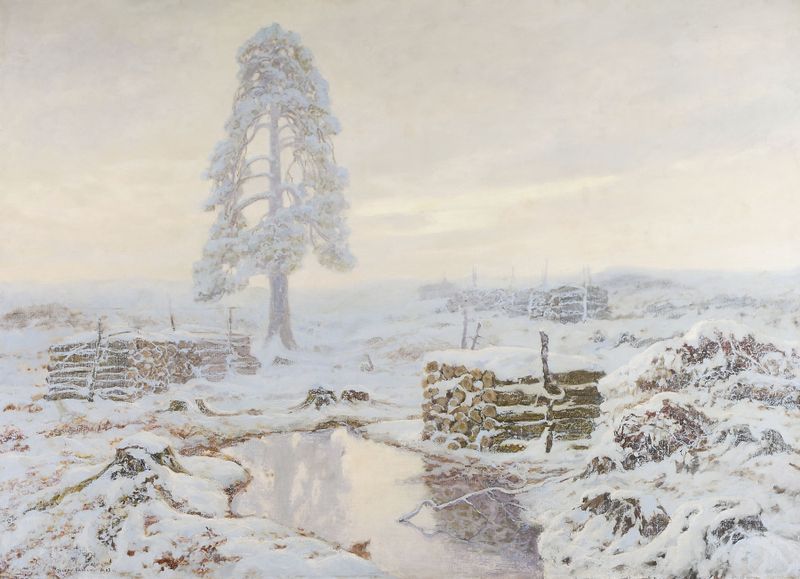
Winter landscape
Józef Rapacki
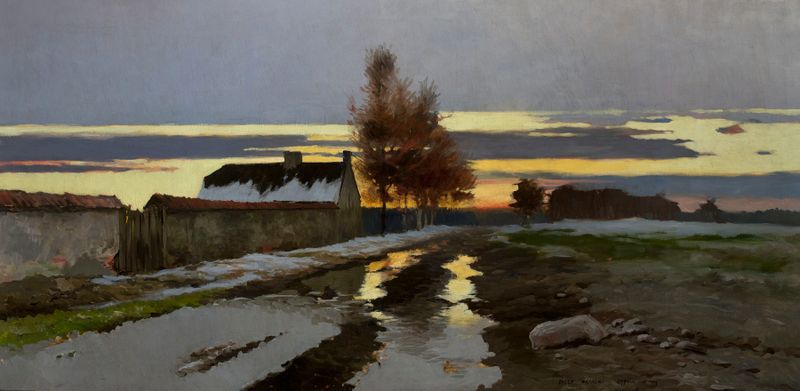
Dawn
Józef Rapacki
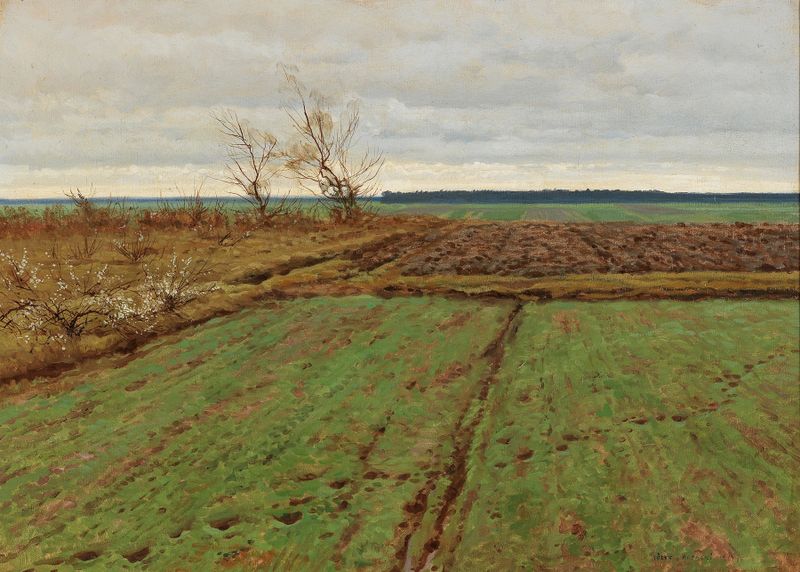
Winter landscape
Józef Rapacki
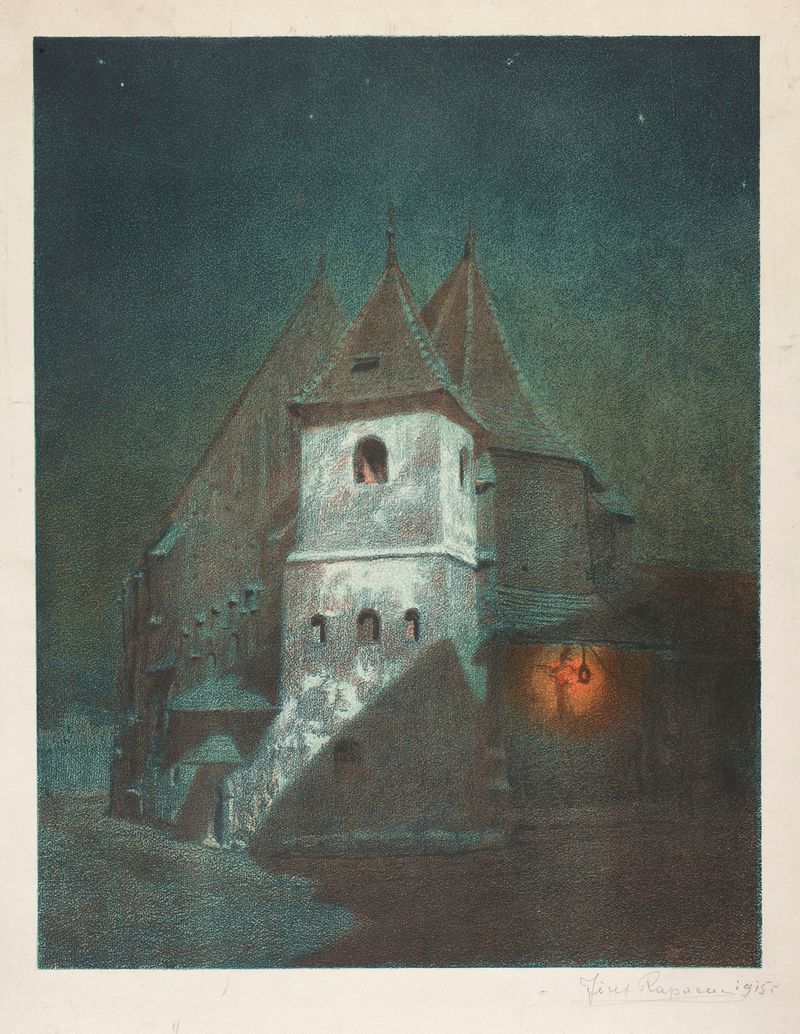
St. Marc’s Church in Krakow
Józef Rapacki
Peasant woman in front of a cottage
Józef Rapacki
Tower of St. Mary’s Church
Józef Rapacki





