
Döbling — History & Facts
What if silence could speak through light? In Döbling, the ethereal glow of a sunlit landscape effortlessly captures the essence of a dream, inviting us to step into a world where reality and reverie intertwine. Focus on the delicate interplay of light and shadow across the canvas. The horizon glimmers softly, guiding your gaze toward the distant hills bathed in a warm, golden hue. Notice the gentle strokes that define the lush foliage, each leaf seemingly alive, swaying in an unseen breeze.
The palette, a harmonious blend of greens and ochres, evokes a sense of tranquility, while the soft, sweeping lines create an almost lyrical quality, inviting contemplation. Yet, beneath its serene surface lies a tension between the dreamlike imagery and the reality it represents. The stillness of the landscape suggests a pause in time, a moment of reflection caught between wakefulness and slumber. The absence of human figures amplifies the sense of solitude, evoking feelings of nostalgia and yearning for a forgotten past.
Each element speaks to the fragility of dreams, where beauty is often transient, yet deeply felt. Franz Poledne created Döbling in 1901 during a period marked by a growing interest in Impressionism and the exploration of light and atmosphere in art. Living in Vienna, he found inspiration in the landscapes surrounding the city, reflecting both personal introspection and the broader aesthetic shifts of his time. This work exemplifies his commitment to capturing ephemeral beauty, resonating with a generation seeking to connect with their inner worlds through artistic expression.
More Artworks by Franz Poledne
Browse all →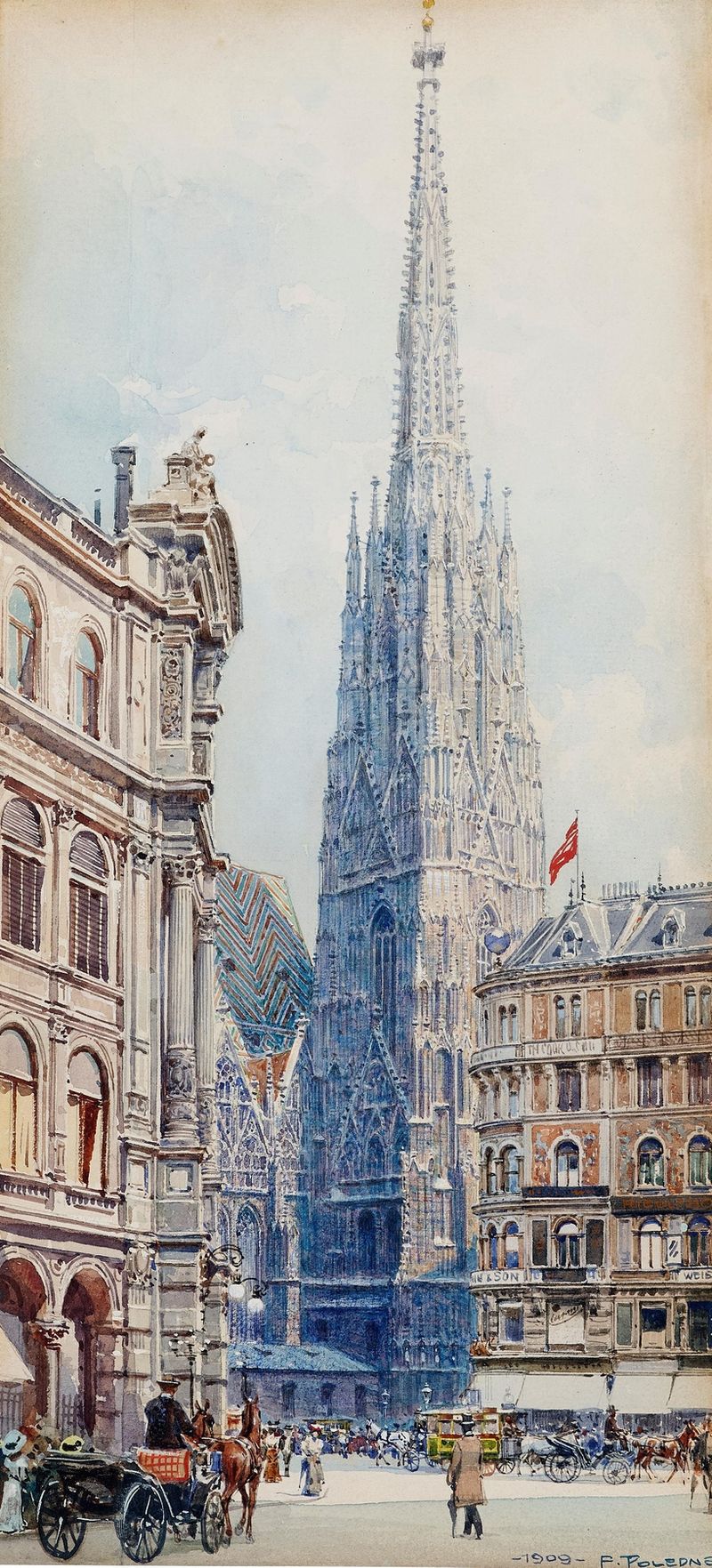
View from Graben to St. Stephen’s cathedral
Franz Poledne
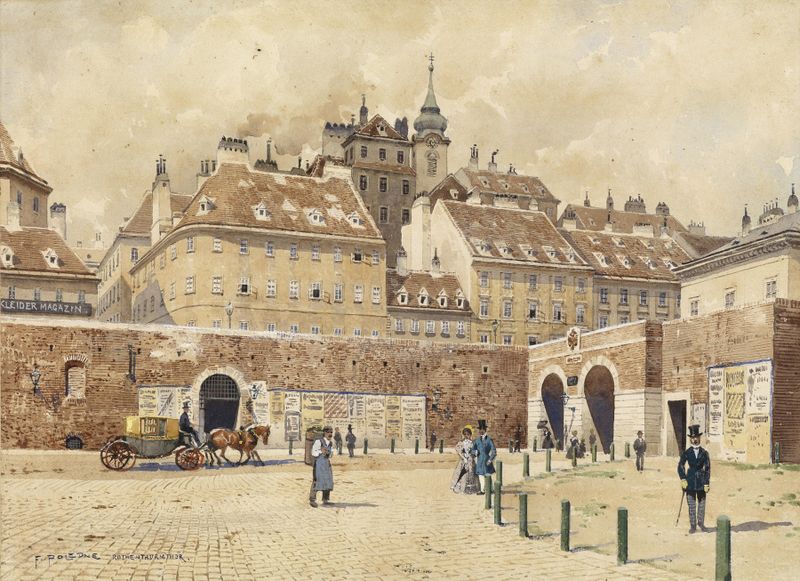
Blick auf Wien vom Rotenthurmtor
Franz Poledne
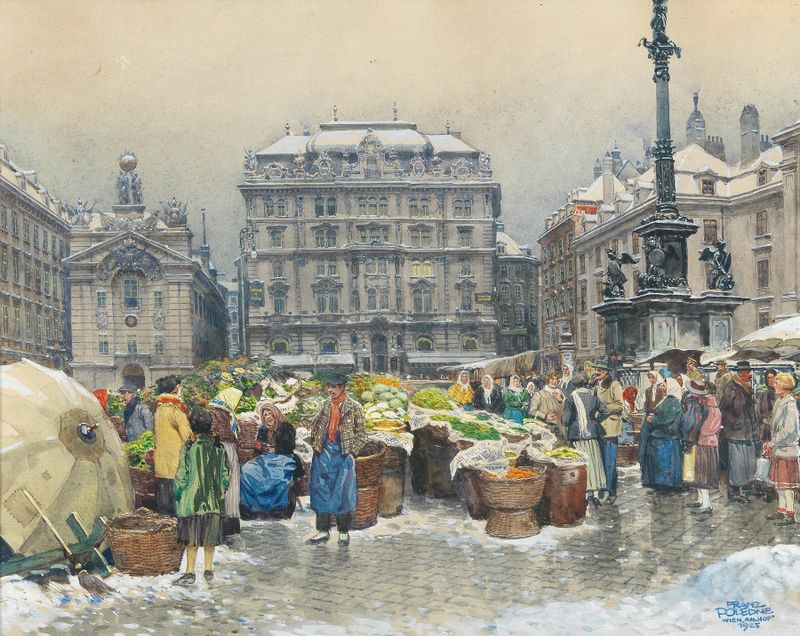
The vegetable market Am Hof
Franz Poledne
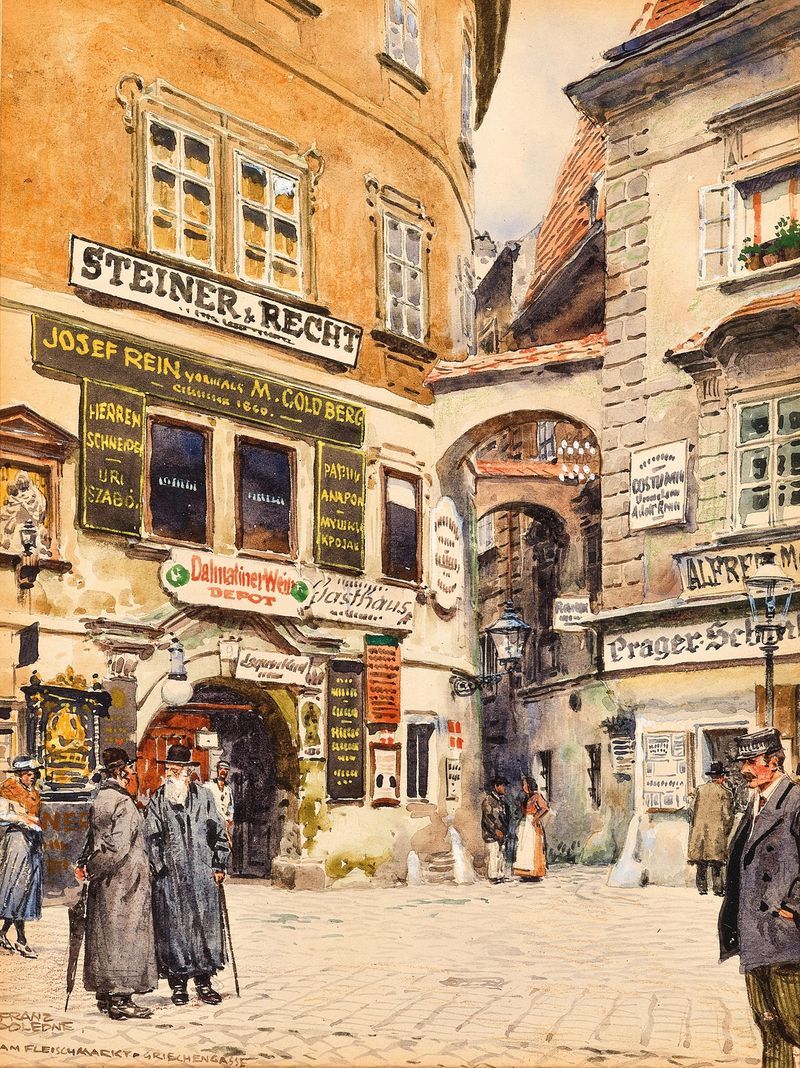
Fleischmarkt in Vienna with figural staffage and a view into Griechengasse
Franz Poledne

Weißenkirchen in der Wachau
Franz Poledne

Kohlmarkt in Vienna and the Kunsthandlung Artaria, carriages, a post man and shopping strollers
Franz Poledne
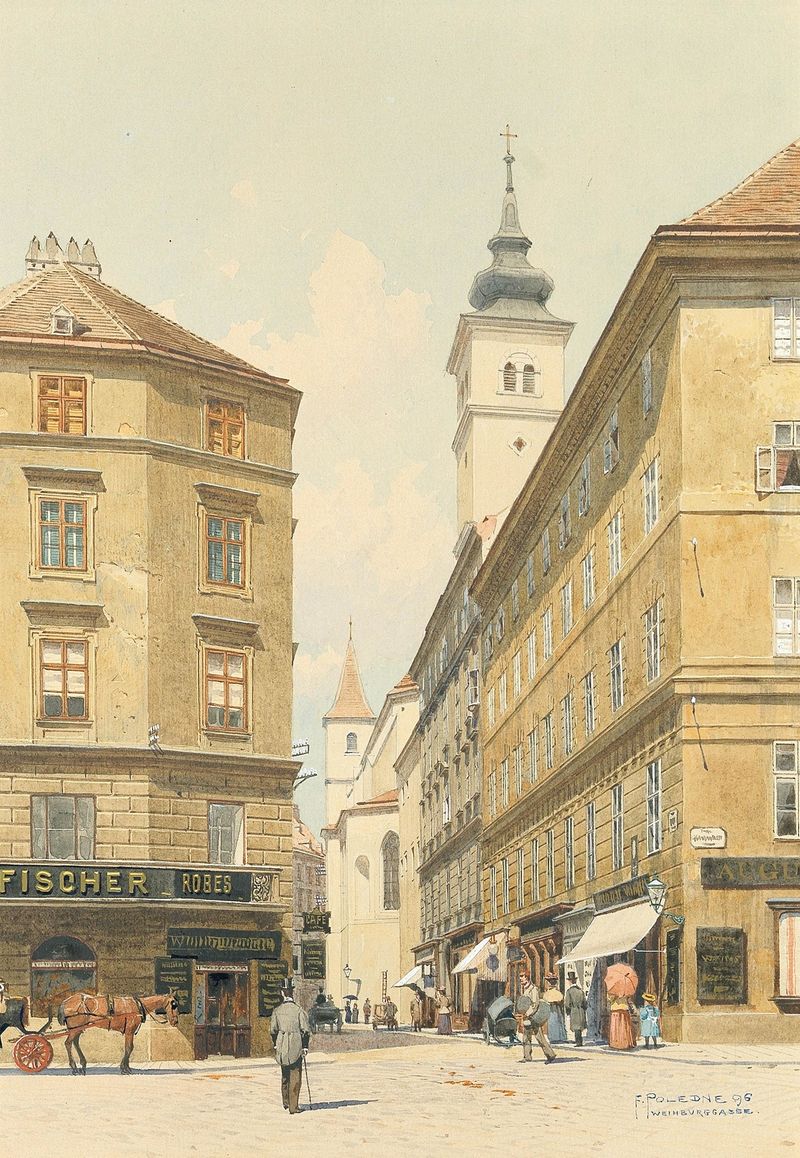
Weihburggasse
Franz Poledne

Kirchturm in Zbyszyce
Franz Poledne
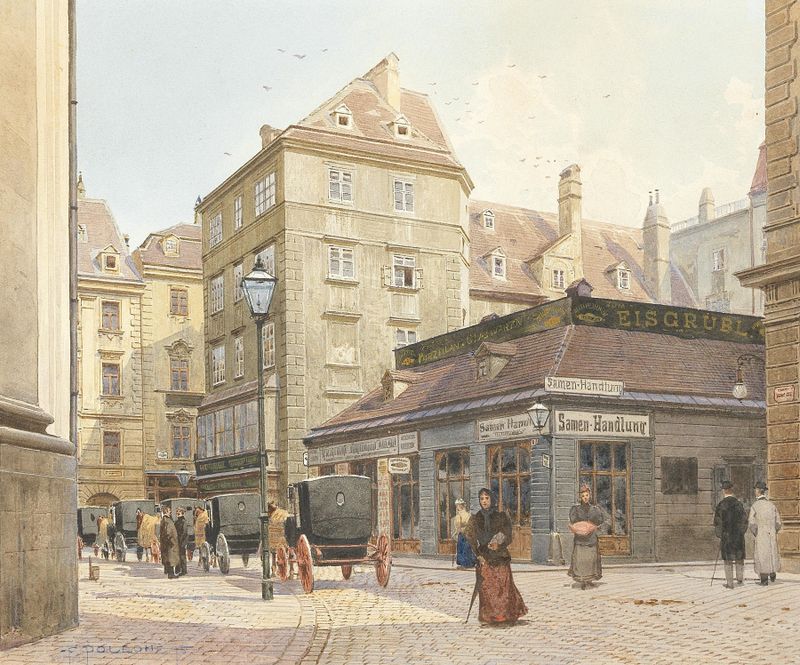
Eisgrübl, Vienna
Franz Poledne
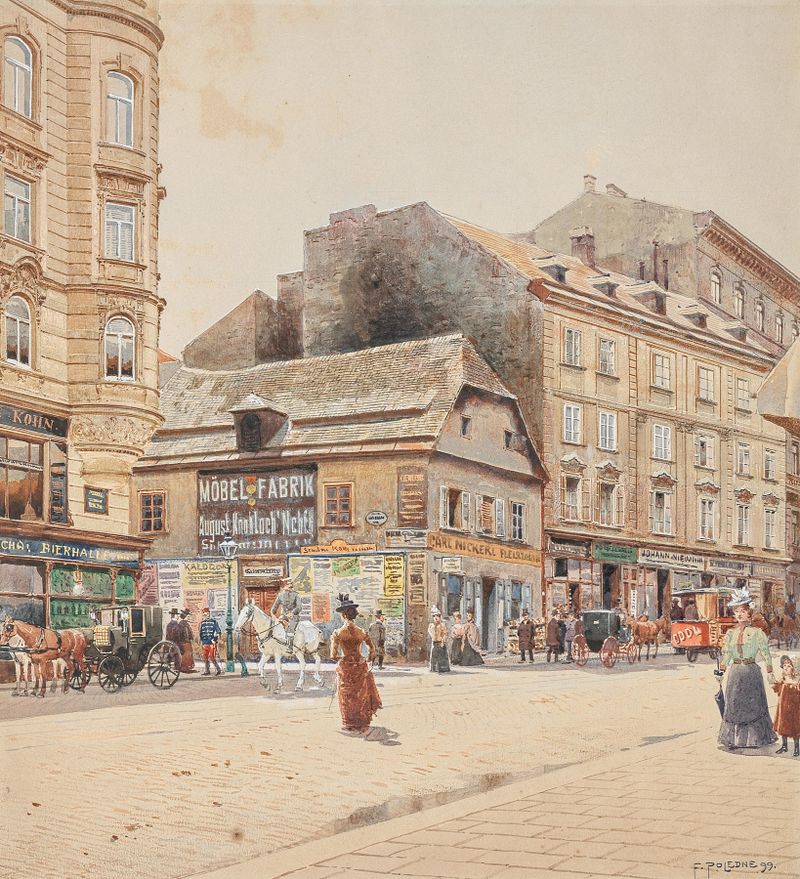
Ecke Ecke Mariahilferstraße und Königsklostergasse
Franz Poledne





