
De abdis en de Dood — History & Facts
What if beauty was never meant to be finished? The ethereal dance between life and death, captured in delicate lines, beckons us to ponder the transient nature of existence. Look closely at the center, where the figure of the abbot, robed in flowing garments, stands poised as if caught in a moment of divine revelation. Notice how Hollar skillfully employs fine etching to create a play of light and shadow, enhancing the textures of fabric and skin. The abbot's gaze, intense and contemplative, draws our eye, while the looming specter of death in the background contrasts his vitality with a chilling stillness, solidifying the tension between these two states of being. As you explore the intricacies of the composition, consider the duality at play.
The serene expression of the abbot suggests acceptance, while the ominous, skeletal figure embodies fear and the inevitable. This juxtaposition invites a dialogue about mortality, spirituality, and the quest for meaning. The meticulous details—each line and curve—indicate a deeper reverence for the themes of existence, illuminating how beauty emerges not from finished perfection but from the raw, poignant truths of life and death. Wenceslaus Hollar created De abdis en de Dood around 1680, during a period marked by the Baroque's flourish in art and culture.
Living in the Netherlands at the time, Hollar was part of a vibrant artistic community that sought to capture the complexities of human emotion and experience through their works. His own life, marked by the challenges of displacement and survival, deeply influenced his artistic vision, encapsulating themes of existential reflection in a world grappling with change and uncertainty.
More Artworks by Wenceslaus Hollar
Browse all →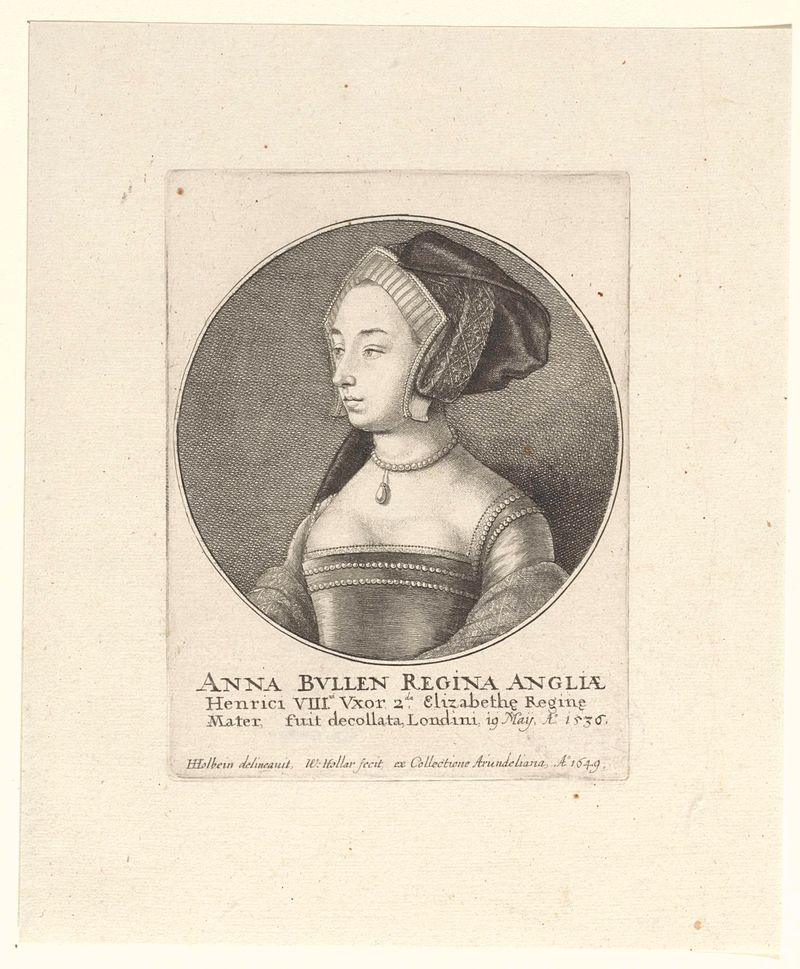
Portret van Anna Boleyn, koningin van Engeland
Wenceslaus Hollar
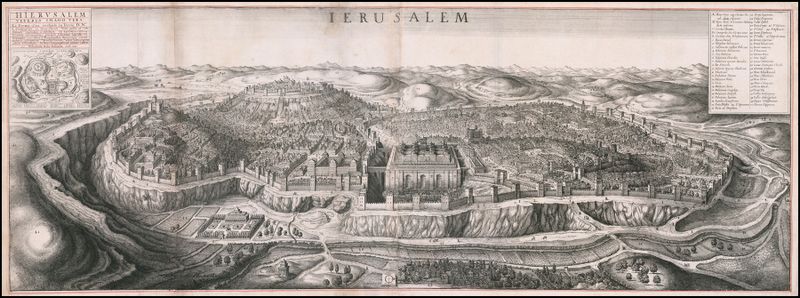
Bird’s eye view of Jerusalem
Wenceslaus Hollar
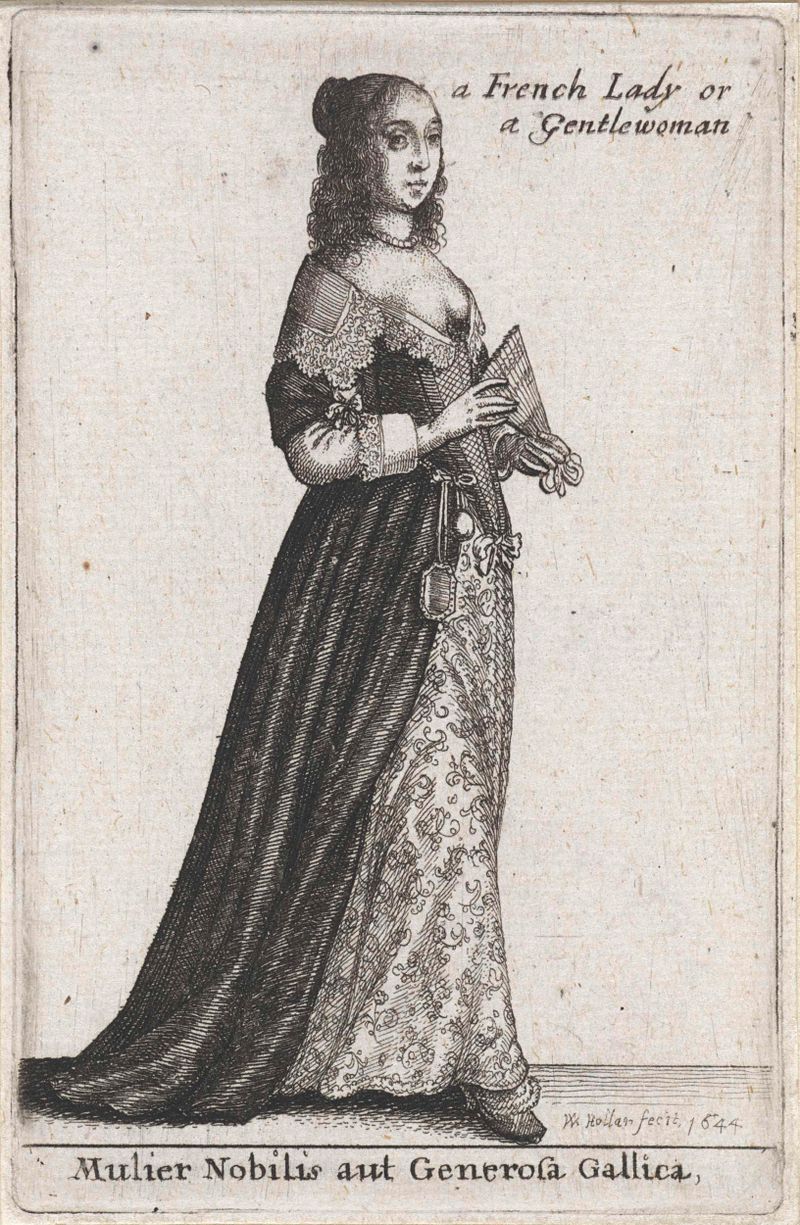
Mulier Nobilis aut Generosa Gallica / a French Lady or Gentlewoman
Wenceslaus Hollar
Titelprent voor: Ornatus Muliebris Anglicanus
Wenceslaus Hollar
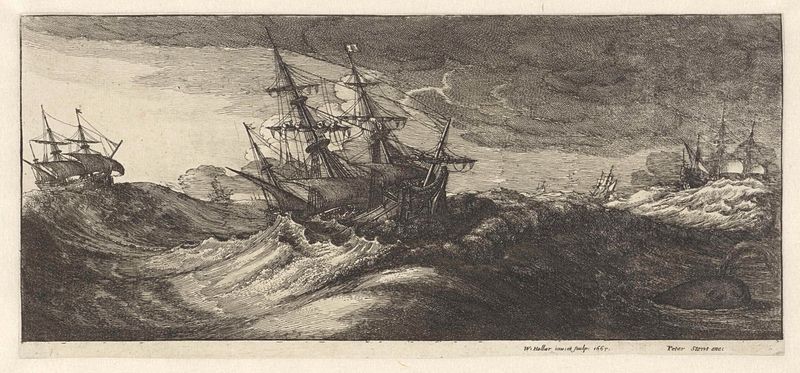
Oorlogsschepen en een walvis in een zeestorm
Wenceslaus Hollar
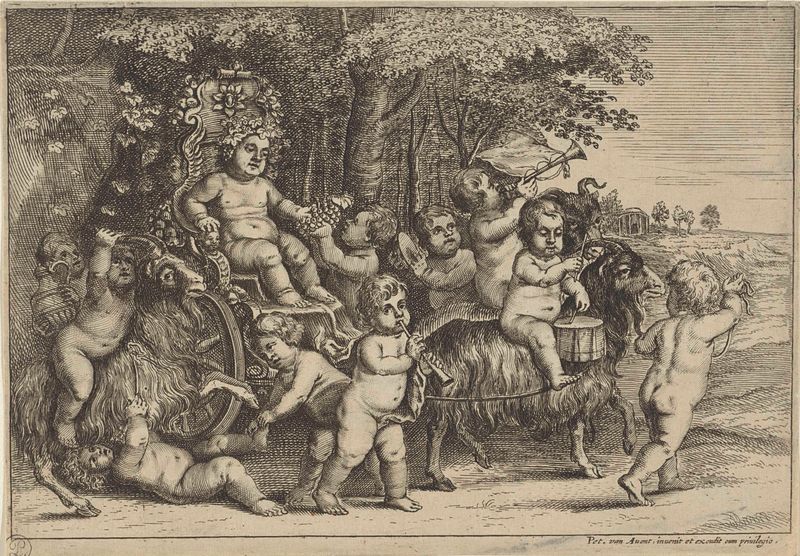
Optocht van bacchant en jongetjes op geiten
Wenceslaus Hollar
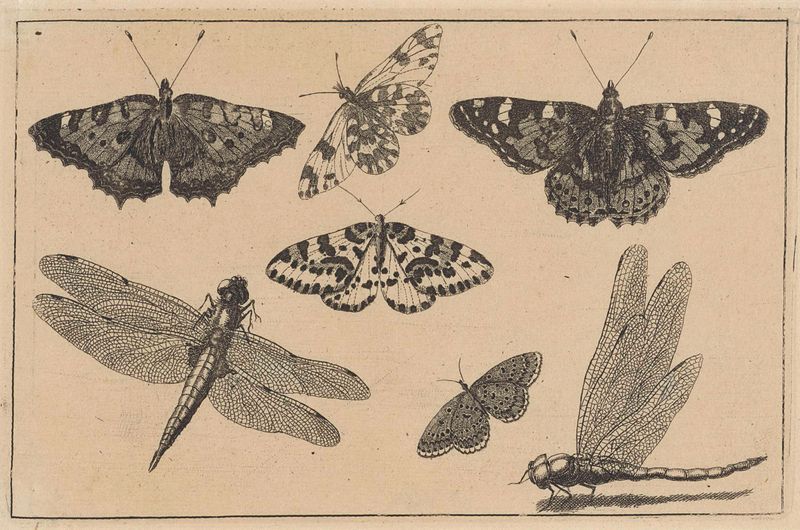
Twee libellen en vijf vlinders
Wenceslaus Hollar
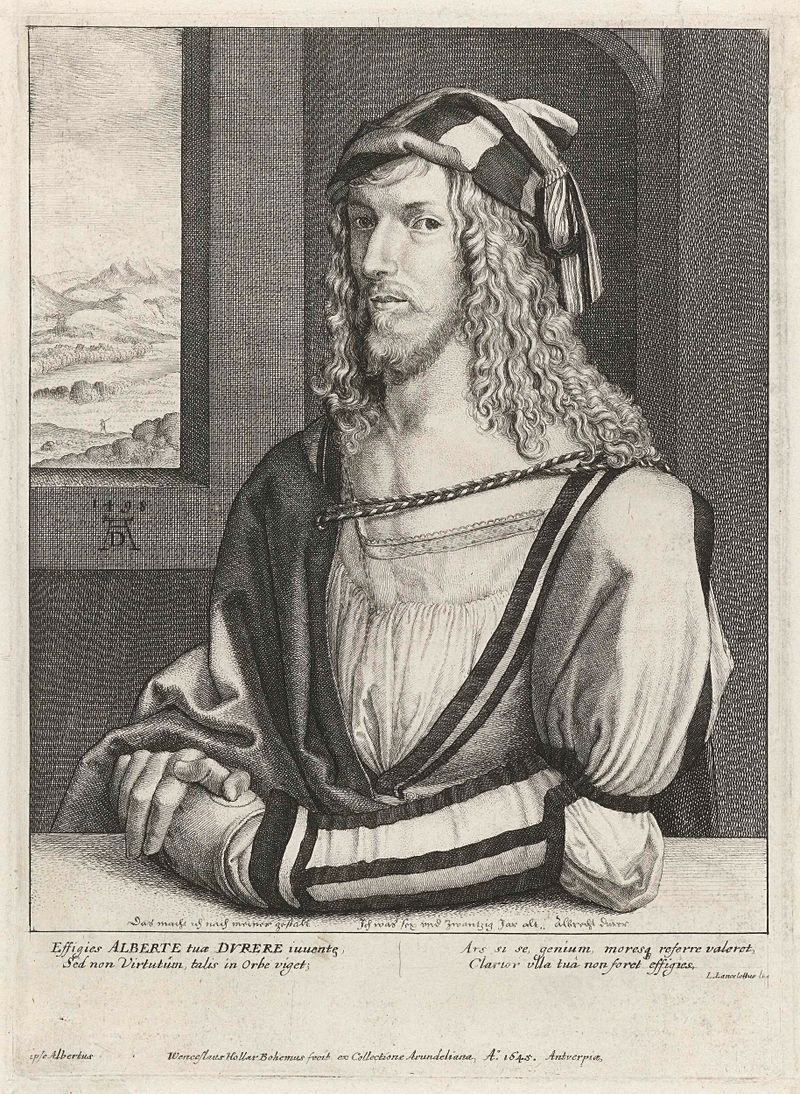
Portret van Albrecht Dürer
Wenceslaus Hollar
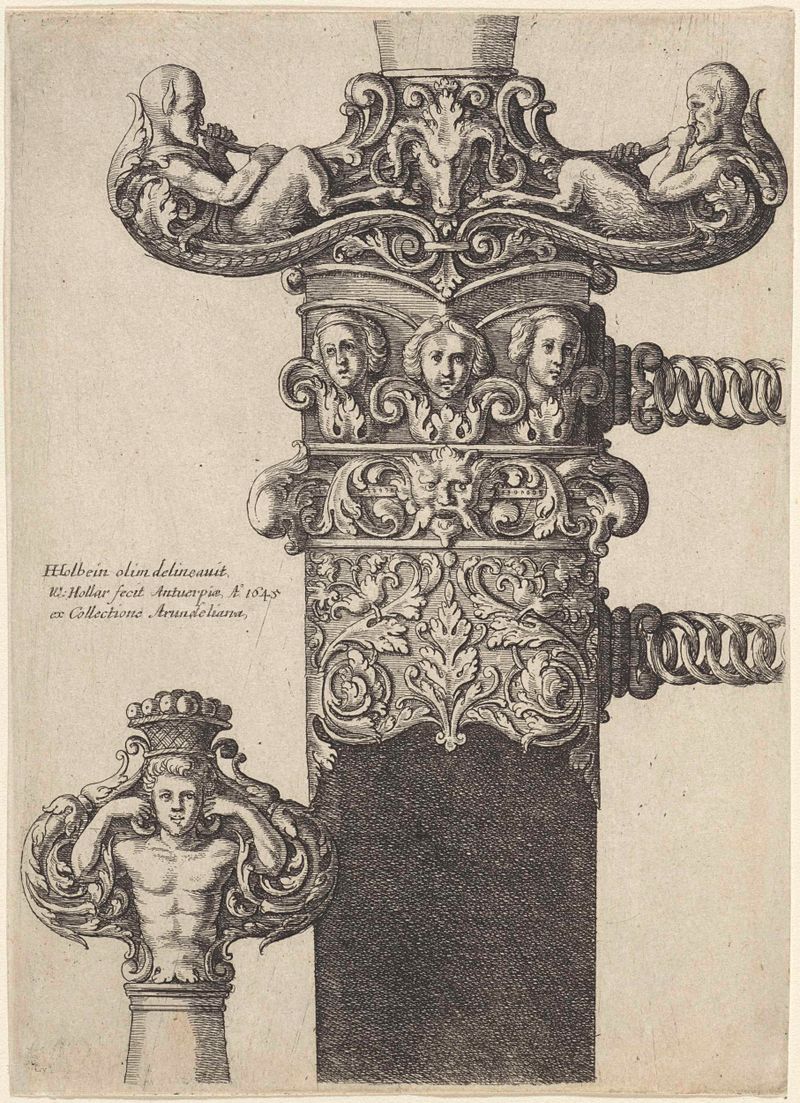
Ornamenteel ontwerp voor een dolk
Wenceslaus Hollar
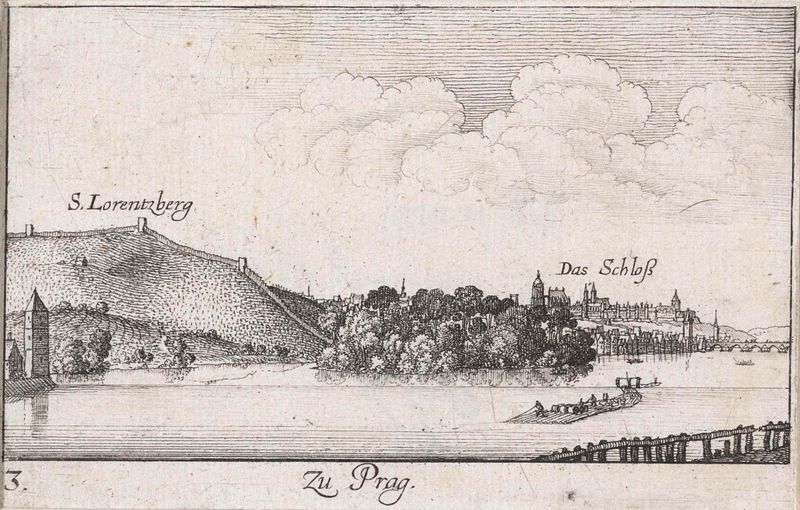
Gezicht op Praag vanaf de Moldau
Wenceslaus Hollar
More Religious Art
Browse all →
The Return of the Prodigal Son
Rembrandt van Rijn

The Garden of Earthly Delights
El Bosco

Count Orgaz’ funeral
El Greco

The Hundred Guilder Print: the central piece with Christ preaching, the plate arched
Rembrandt van Rijn

The Descent from the Cross
Rogier van der Weyden

The return of the prodigal son
Rembrandt van Rijn