
De abdis en de Dood — History & Facts
In the interplay of memory and desire, art becomes a vessel for our yearning, a poignant echo of what slips through our fingers. Look closely at the center of De abdis en de Dood, where the abbot stands poised, a figure draped in deep shadows that contrast with the surrounding light. His gaze, both introspective and distant, draws the viewer into a realm that transcends mere earthly existence. Notice how the muted palette envelops the scene, with the somber hues underscoring the weight of mortality, while delicate lines weave a narrative of quiet contemplation through the intricate details of the abbot's robes and the skeletal figure beside him. Beyond the immediate tension of the figures lies a profound juxtaposition: life against death, the spiritual against the corporeal.
The abbot’s expression reveals a yearning for understanding—caught between the reality of his sacred duties and the inevitable embrace of mortality. The sparse background serves as a reminder of the void left in the wake of existence, inviting us to reflect on our own journey through time. Every detail, from the texture of fabric to the contours of the skull, speaks to the universal struggle with mortality, imbuing the scene with a haunting resonance. Wenceslaus Hollar created this work in 1651 during a time marked by political upheaval and personal turbulence after settling in England.
Coming from a backdrop of the Thirty Years' War, Hollar was influenced by the Baroque movement, capturing the tension of human experience in the face of mortality, which resonated deeply in the hearts of his contemporaries, ultimately aching through the canvas as a timeless exploration of existence itself.
More Artworks by Wenceslaus Hollar
Browse all →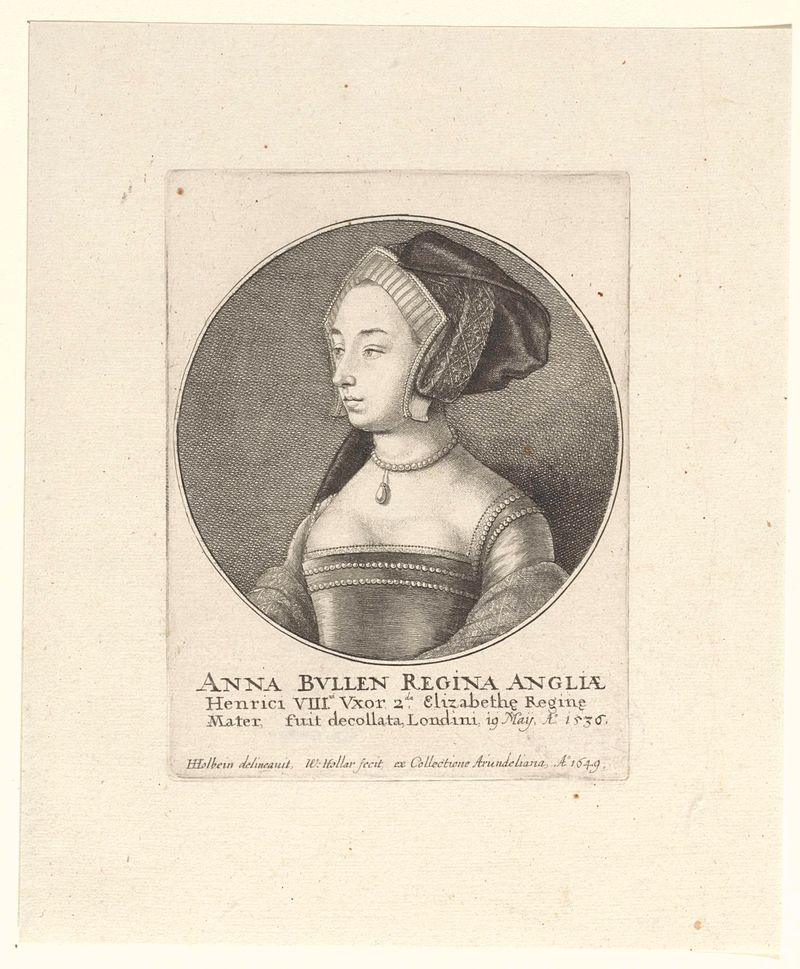
Portret van Anna Boleyn, koningin van Engeland
Wenceslaus Hollar
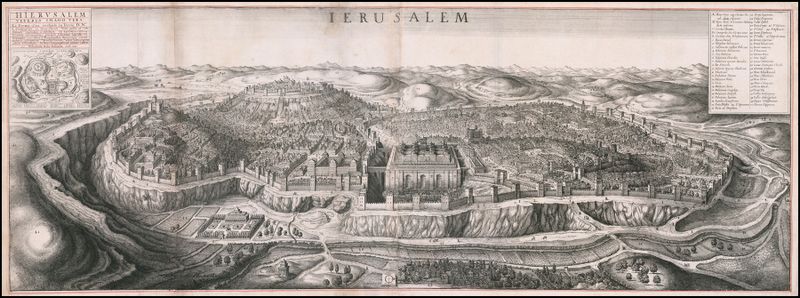
Bird’s eye view of Jerusalem
Wenceslaus Hollar
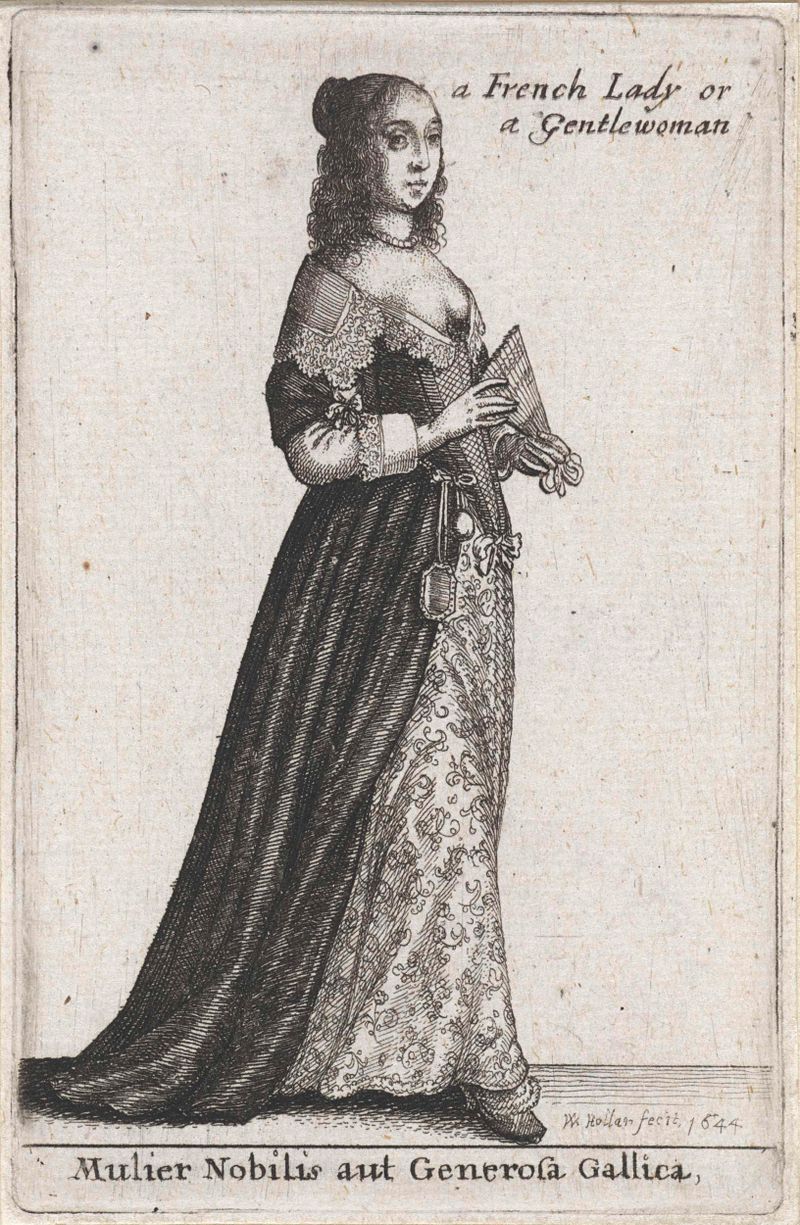
Mulier Nobilis aut Generosa Gallica / a French Lady or Gentlewoman
Wenceslaus Hollar
Titelprent voor: Ornatus Muliebris Anglicanus
Wenceslaus Hollar
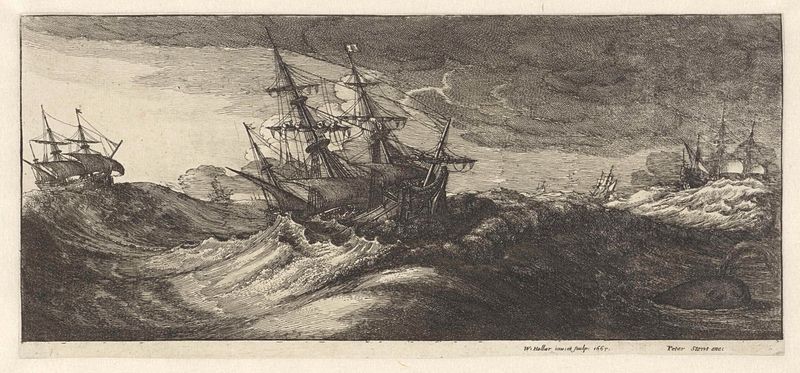
Oorlogsschepen en een walvis in een zeestorm
Wenceslaus Hollar
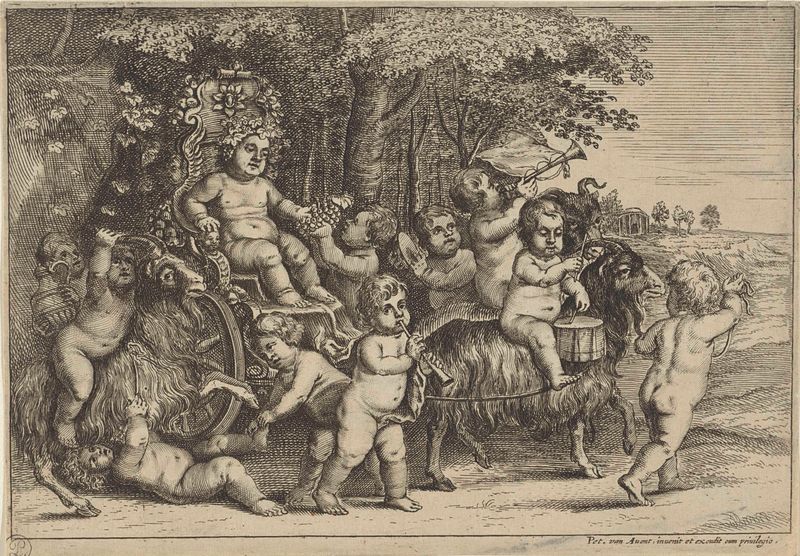
Optocht van bacchant en jongetjes op geiten
Wenceslaus Hollar
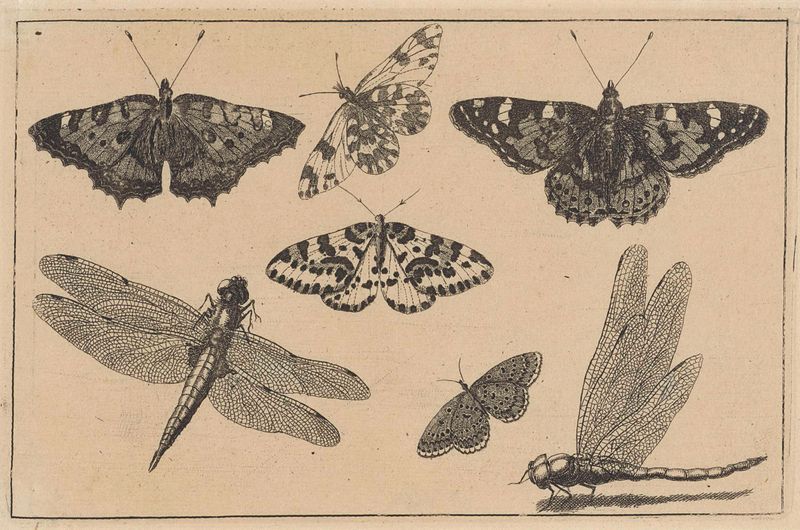
Twee libellen en vijf vlinders
Wenceslaus Hollar
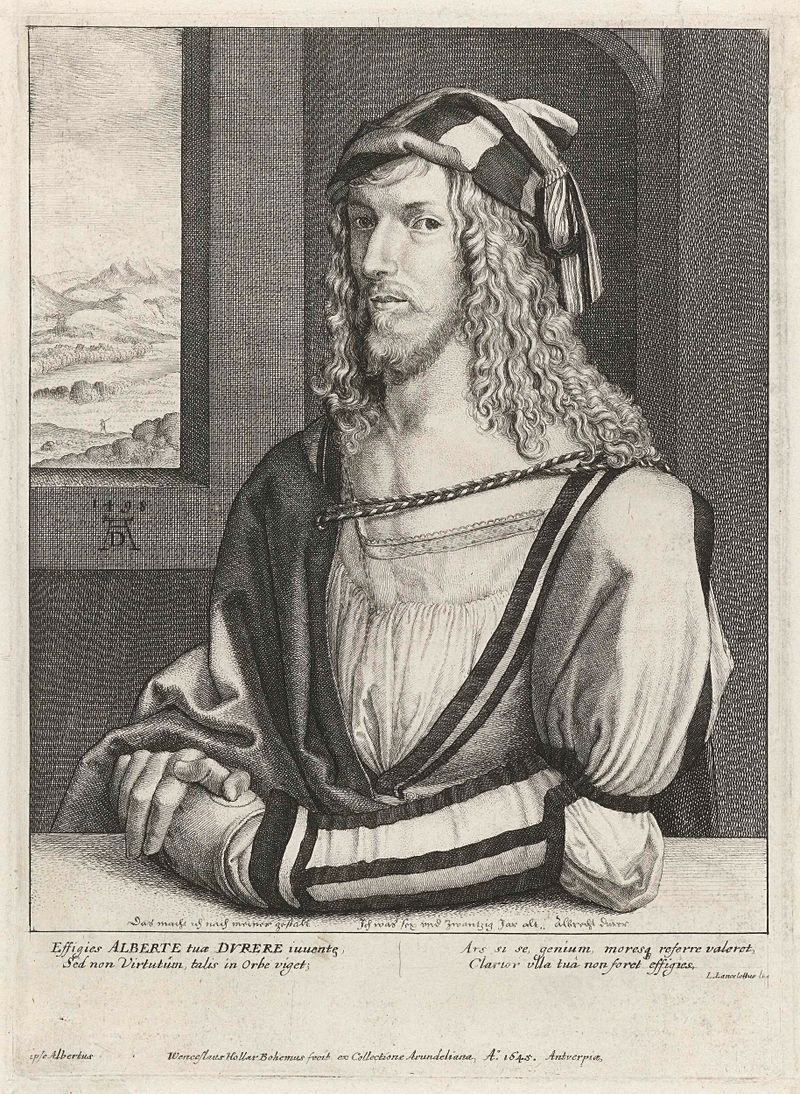
Portret van Albrecht Dürer
Wenceslaus Hollar
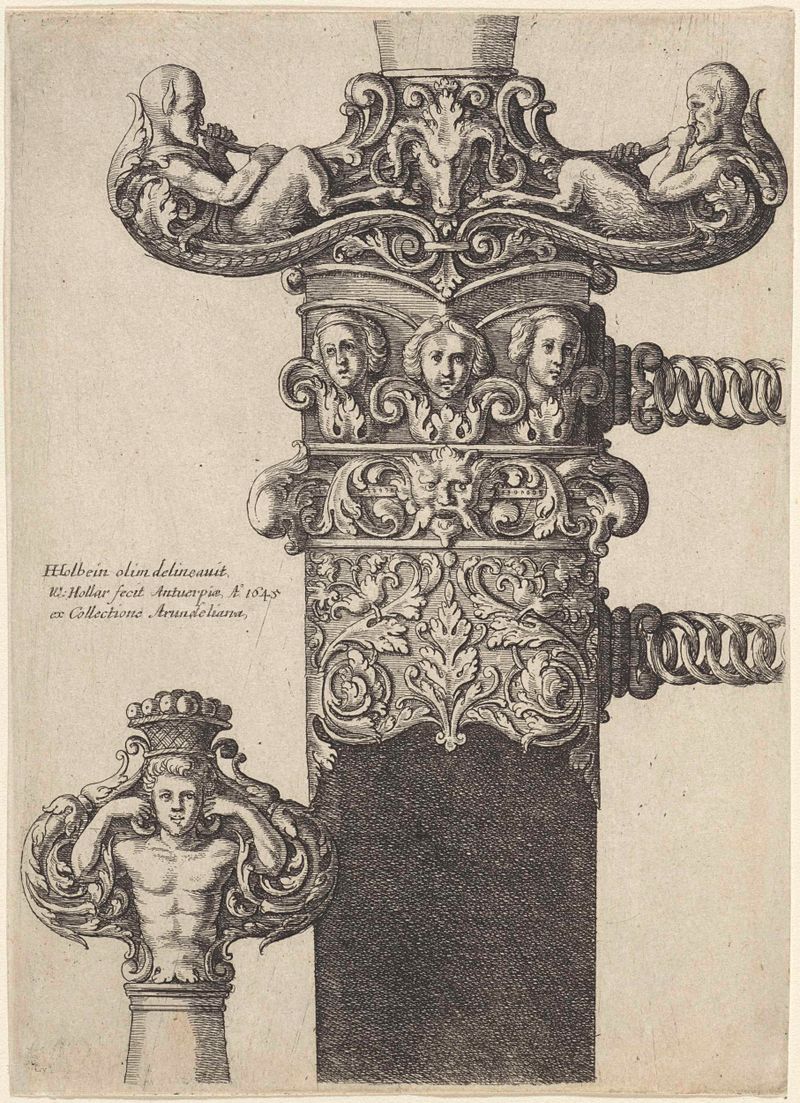
Ornamenteel ontwerp voor een dolk
Wenceslaus Hollar
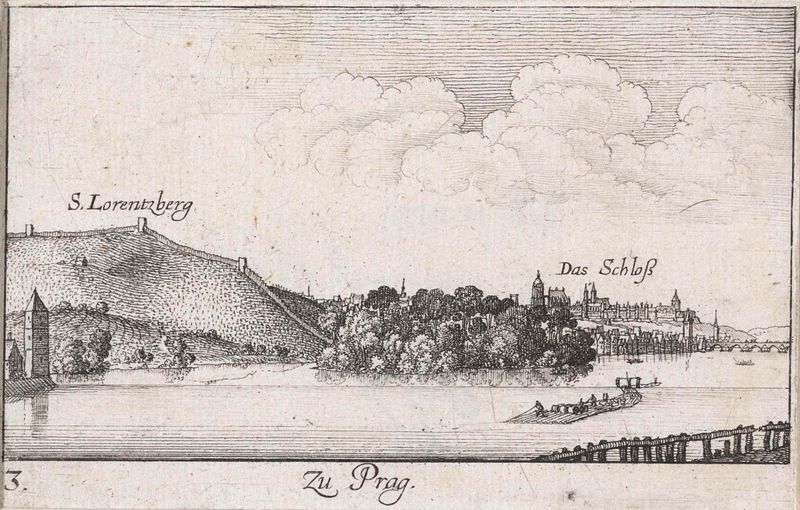
Gezicht op Praag vanaf de Moldau
Wenceslaus Hollar
More Religious Art
Browse all →
The Return of the Prodigal Son
Rembrandt van Rijn

The Garden of Earthly Delights
El Bosco

Count Orgaz’ funeral
El Greco

The Hundred Guilder Print: the central piece with Christ preaching, the plate arched
Rembrandt van Rijn

The Descent from the Cross
Rogier van der Weyden

The return of the prodigal son
Rembrandt van Rijn