
De abt en de Dood — History & Facts
In a world defined by legacies, the passage of time becomes both a haunting specter and a profound testament to our existence. Look to the center of the composition where the skeletal figure of Death looms over a solemn abbot, whose face is etched with both reverence and fear. The contrasting textures of Hollar's etched lines convey a sense of urgency, guiding the eye toward the rich details of the abbot's robes and the starkness of the bony hand reaching out. Notice how the muted palette emphasizes the gravity of the moment, with shadows deepening around the figures, creating an intimate yet ominous atmosphere. The tension within the piece unfolds in layers—the abbot represents wisdom and faith, while Death stands as the ultimate equalizer, reminding us of mortality's grip on human achievements.
The delicate interplay of light and shadow underscores the fragility of life, leading to a reflection on the legacies we leave behind. Each element—the abbot's expression, the intricacy of his attire, and the skeletal figure's stark simplicity—tells a story of conflicting desires: the yearning for eternal legacy versus the inevitability of oblivion. Wenceslaus Hollar created this work around 1680, during his time in England after fleeing the turmoil of the Thirty Years’ War. This period, marked by an exploration of themes surrounding mortality and the afterlife, reflected the broader Baroque interest in the ephemeral nature of existence.
Hollar, known for his mastery of etching, combined meticulous detail with profound symbolism, capturing the tension between life and the enduring shadow of death.
More Artworks by Wenceslaus Hollar
Browse all →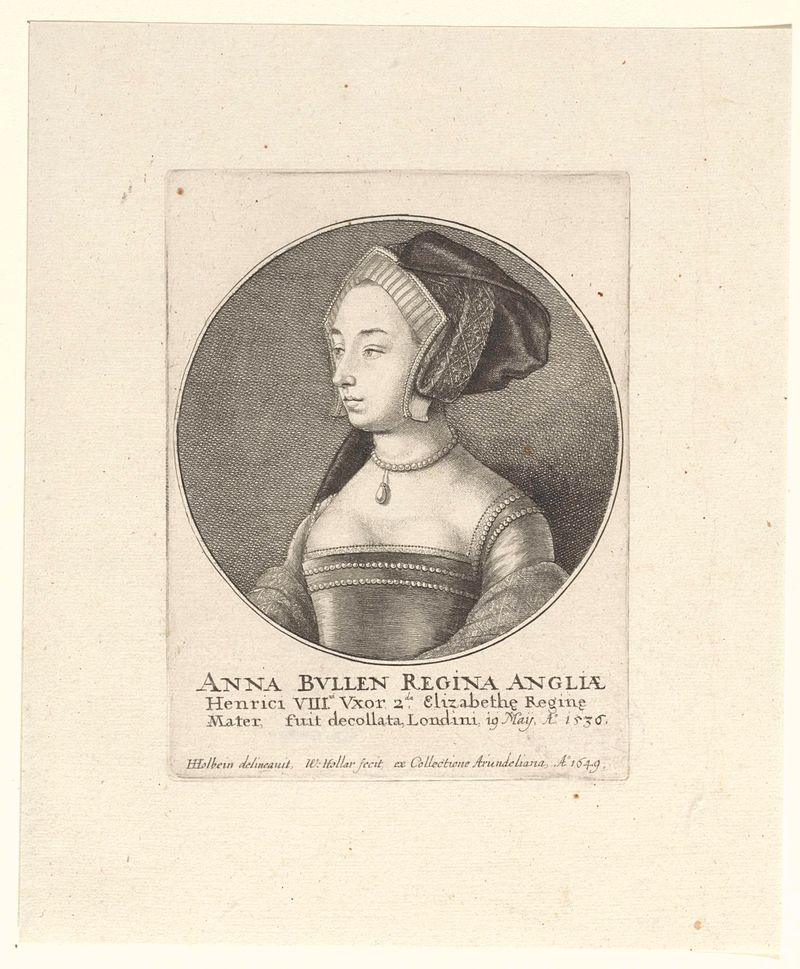
Portret van Anna Boleyn, koningin van Engeland
Wenceslaus Hollar
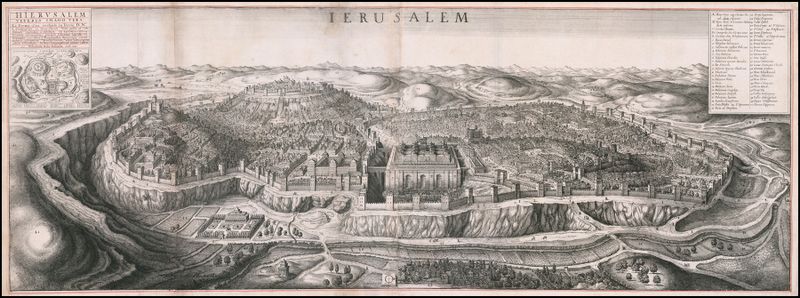
Bird’s eye view of Jerusalem
Wenceslaus Hollar
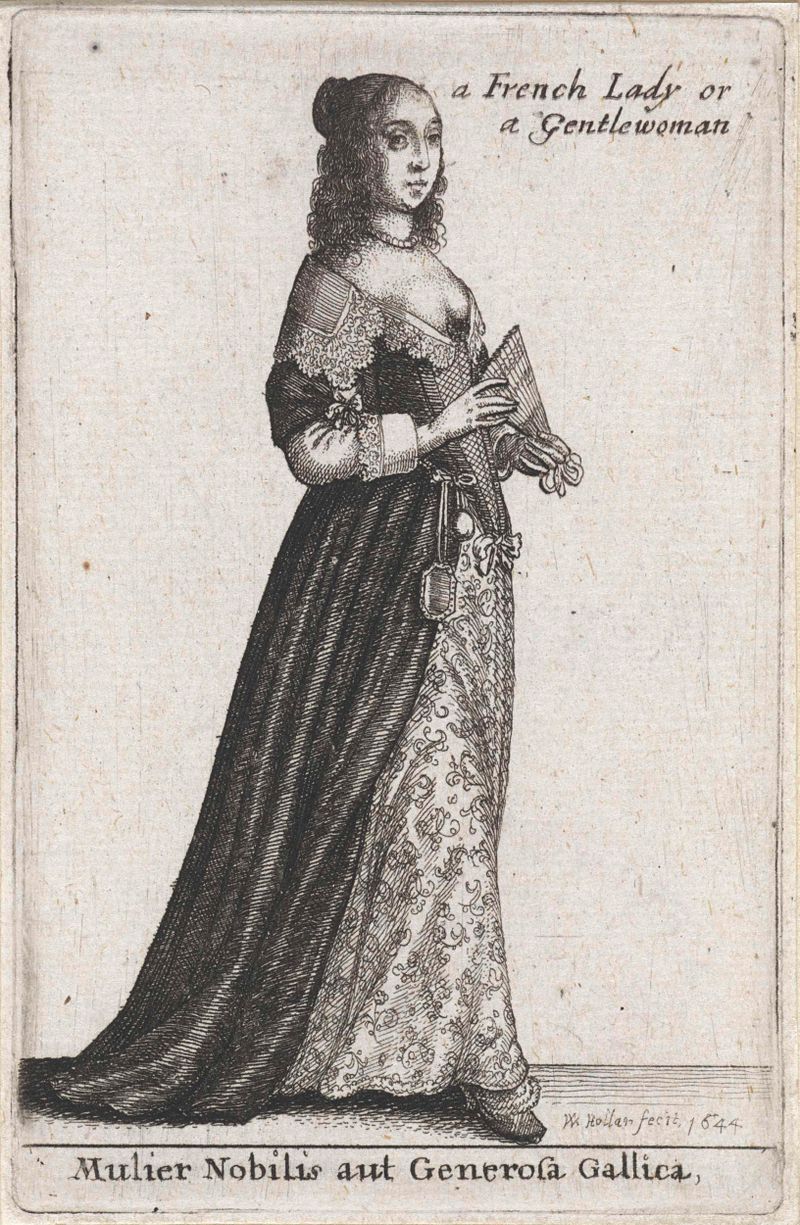
Mulier Nobilis aut Generosa Gallica / a French Lady or Gentlewoman
Wenceslaus Hollar
Titelprent voor: Ornatus Muliebris Anglicanus
Wenceslaus Hollar
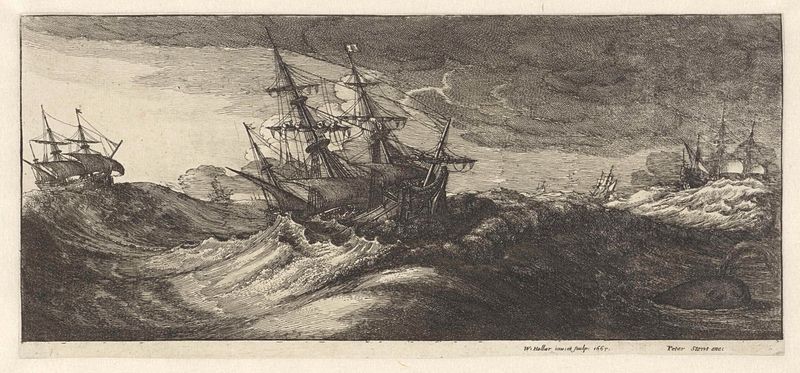
Oorlogsschepen en een walvis in een zeestorm
Wenceslaus Hollar
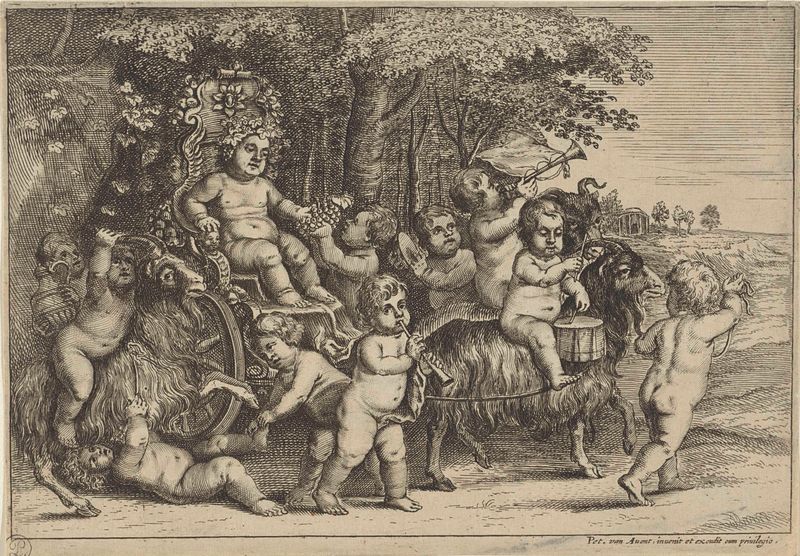
Optocht van bacchant en jongetjes op geiten
Wenceslaus Hollar
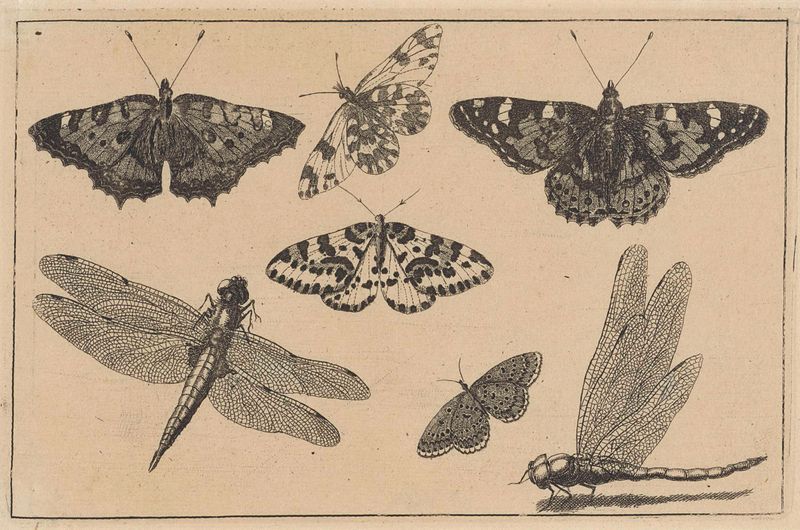
Twee libellen en vijf vlinders
Wenceslaus Hollar
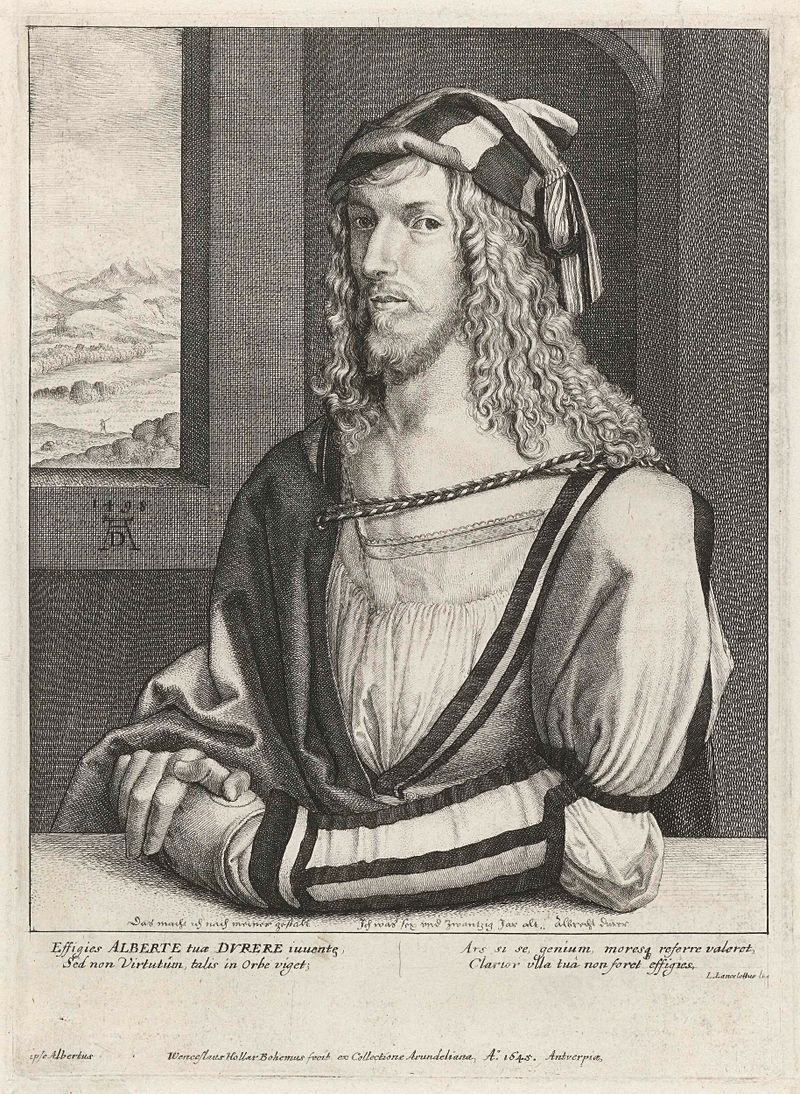
Portret van Albrecht Dürer
Wenceslaus Hollar
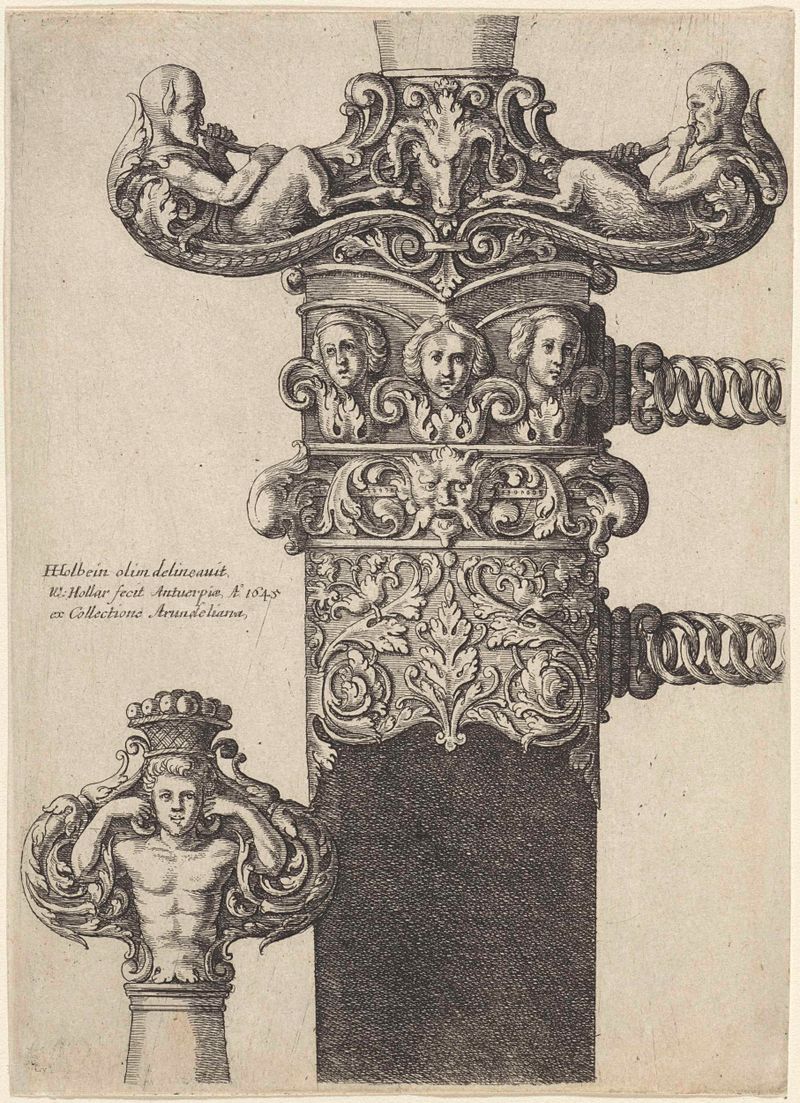
Ornamenteel ontwerp voor een dolk
Wenceslaus Hollar
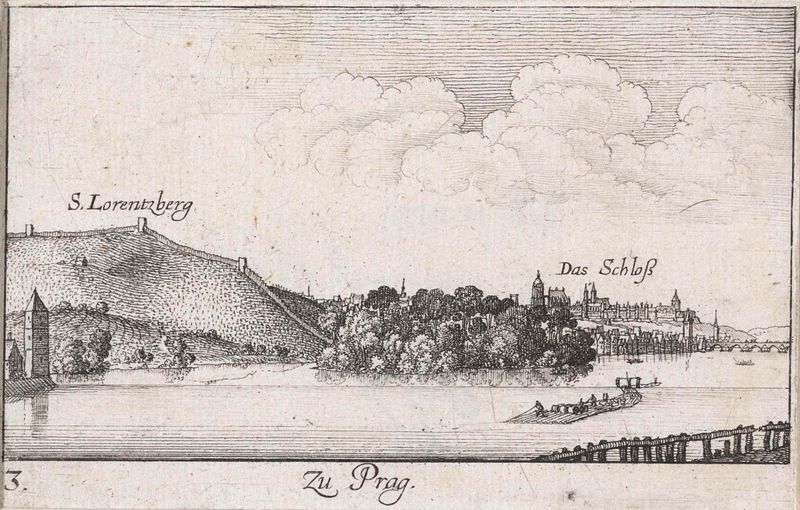
Gezicht op Praag vanaf de Moldau
Wenceslaus Hollar
More Religious Art
Browse all →
The Return of the Prodigal Son
Rembrandt van Rijn

The Garden of Earthly Delights
El Bosco

Count Orgaz’ funeral
El Greco

The Hundred Guilder Print: the central piece with Christ preaching, the plate arched
Rembrandt van Rijn

The Descent from the Cross
Rogier van der Weyden

The return of the prodigal son
Rembrandt van Rijn