
De bisschop en de Dood — History & Facts
In the stillness of existence, rebirth lingers just beyond the veil between life and death, awaiting recognition. Look to the left where the figure of the bishop, adorned in rich, flowing vestments, stands solemnly amidst the macabre setting. His hands, clasped in prayer, seem to tremble with the weight of unspoken truths. The stark contrast of his opulent attire against the haunting presence of Death, cloaked in shadow, evokes a poignant tension.
Notice how the chiaroscuro technique draws the eye towards the bishop’s face, illuminating his troubled expression while the surrounding darkness swallows the rest of the scene, symbolizing the inevitable grip of mortality. Delve deeper into the details: the bishop’s eyes, glimmering with a mixture of fear and acceptance, suggest an internal struggle with faith and fate. The skeletal figure of Death leans closer, almost whispering secrets of the afterlife, emphasizing a dialogue that transcends the physical realm. The interplay of vibrant colors and muted tones not only signifies the clash between life and death but also invites the viewer to ponder the cyclical nature of existence — a somber yet hopeful testament to rebirth. In 1651, Wenceslaus Hollar created this profound work during a period marked by personal and societal upheaval.
Living in England after fleeing his native Bohemia due to the Thirty Years’ War, he grappled with the themes of mortality and existence as the world around him shifted dramatically. His experiences and observations of human fragility and resilience deeply informed De bisschop en de Dood, allowing him to capture the eternal dance between life and the specter of death.
More Artworks by Wenceslaus Hollar
Browse all →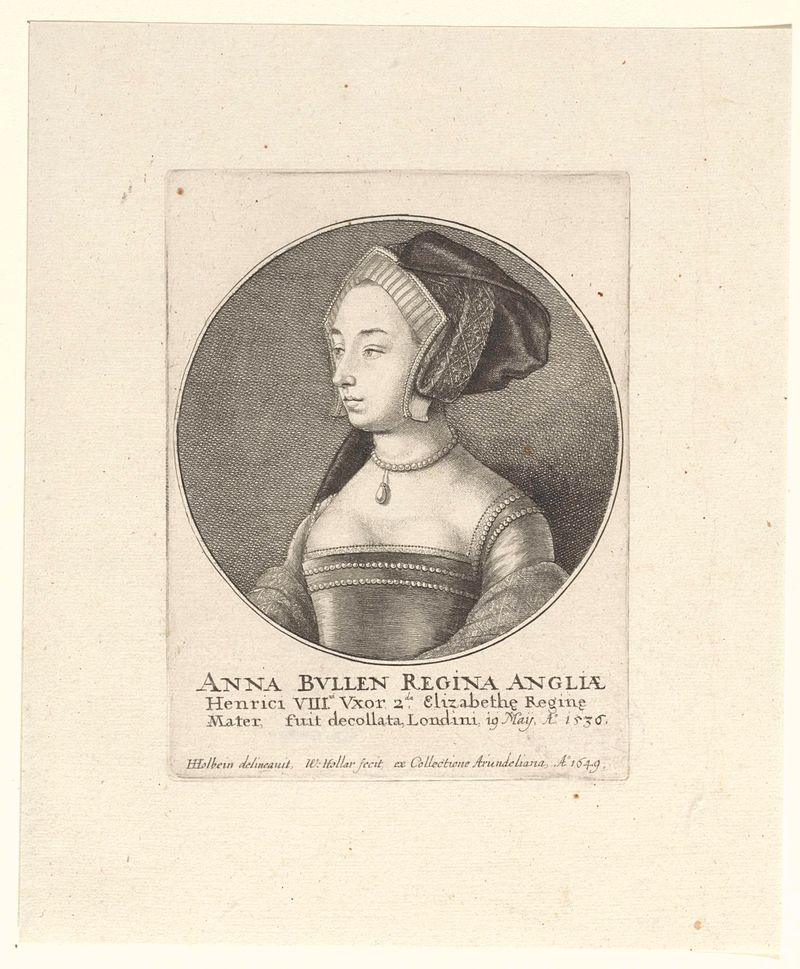
Portret van Anna Boleyn, koningin van Engeland
Wenceslaus Hollar
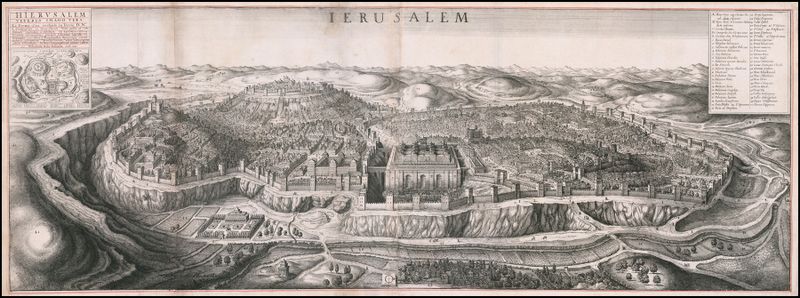
Bird’s eye view of Jerusalem
Wenceslaus Hollar
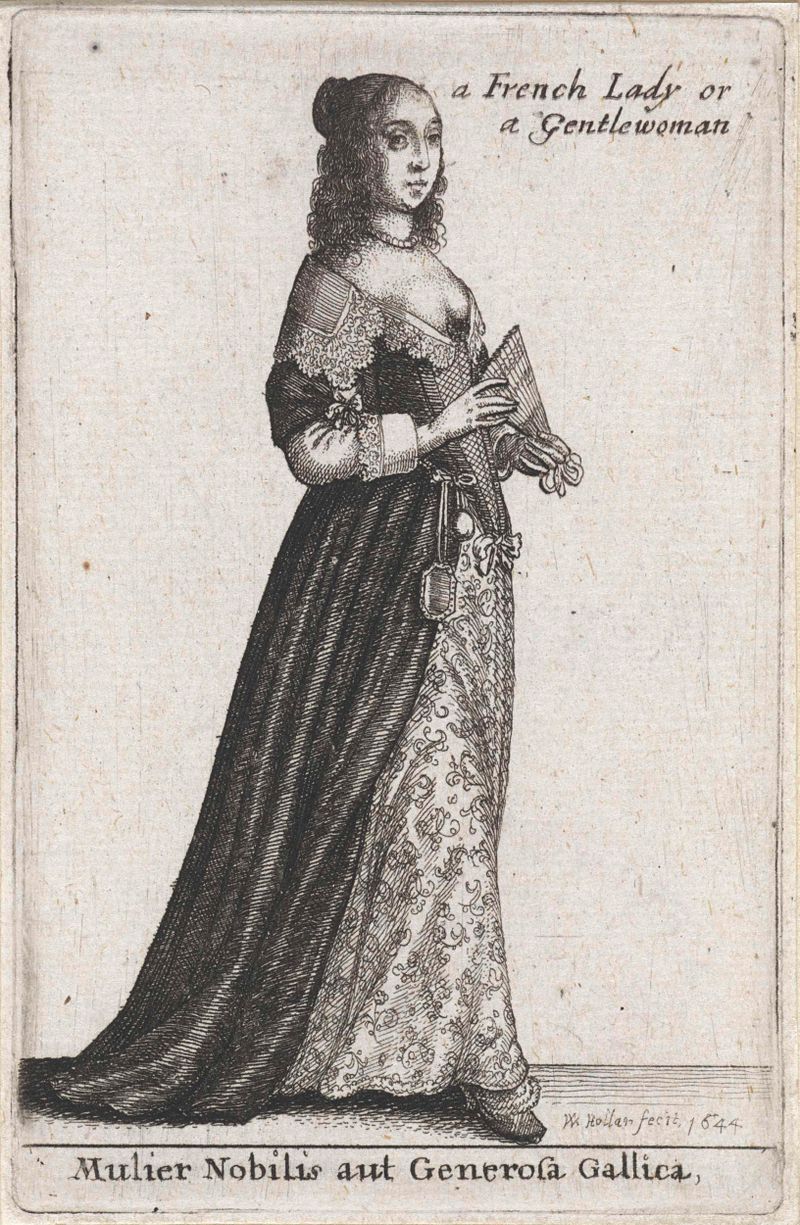
Mulier Nobilis aut Generosa Gallica / a French Lady or Gentlewoman
Wenceslaus Hollar
Titelprent voor: Ornatus Muliebris Anglicanus
Wenceslaus Hollar
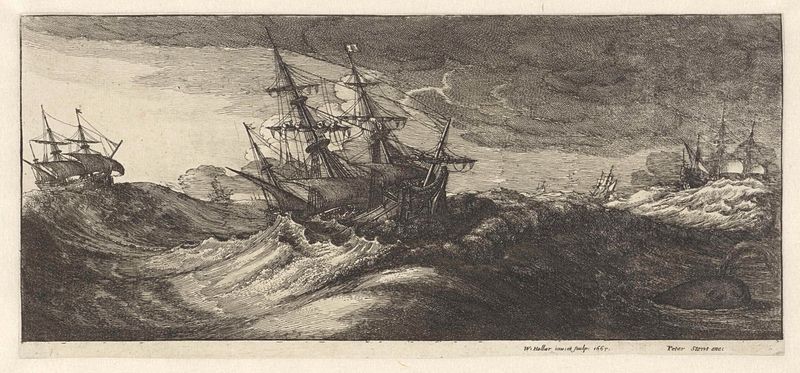
Oorlogsschepen en een walvis in een zeestorm
Wenceslaus Hollar
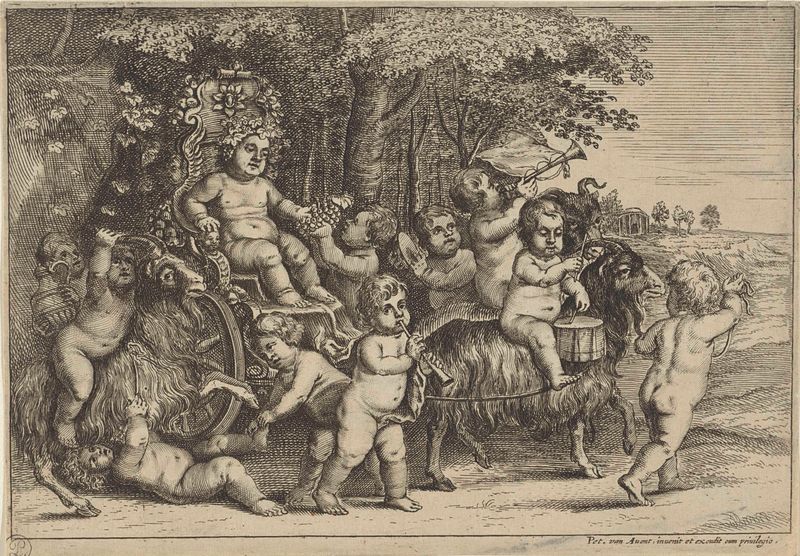
Optocht van bacchant en jongetjes op geiten
Wenceslaus Hollar
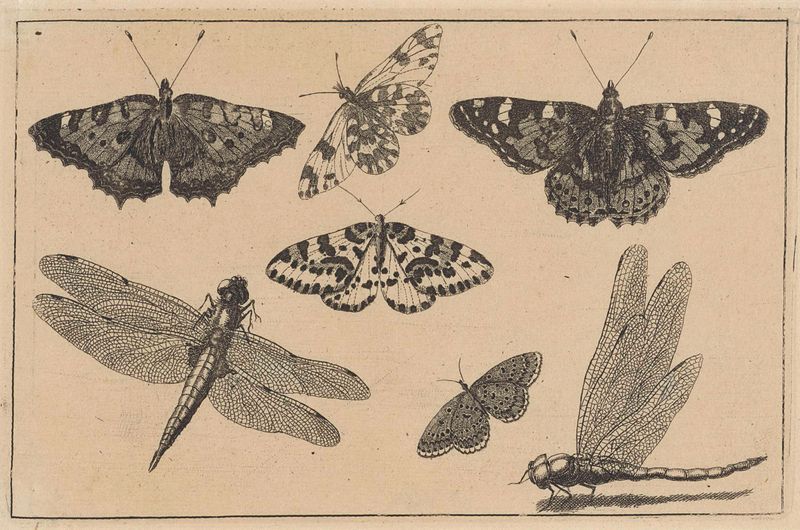
Twee libellen en vijf vlinders
Wenceslaus Hollar
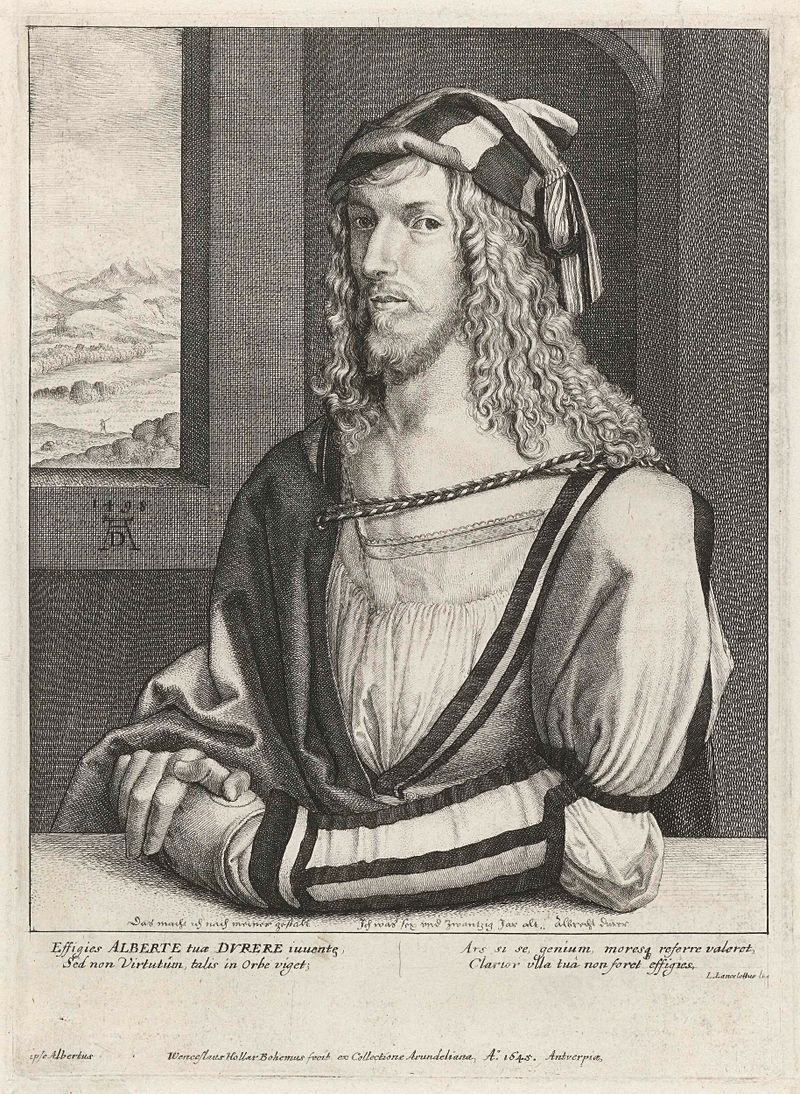
Portret van Albrecht Dürer
Wenceslaus Hollar
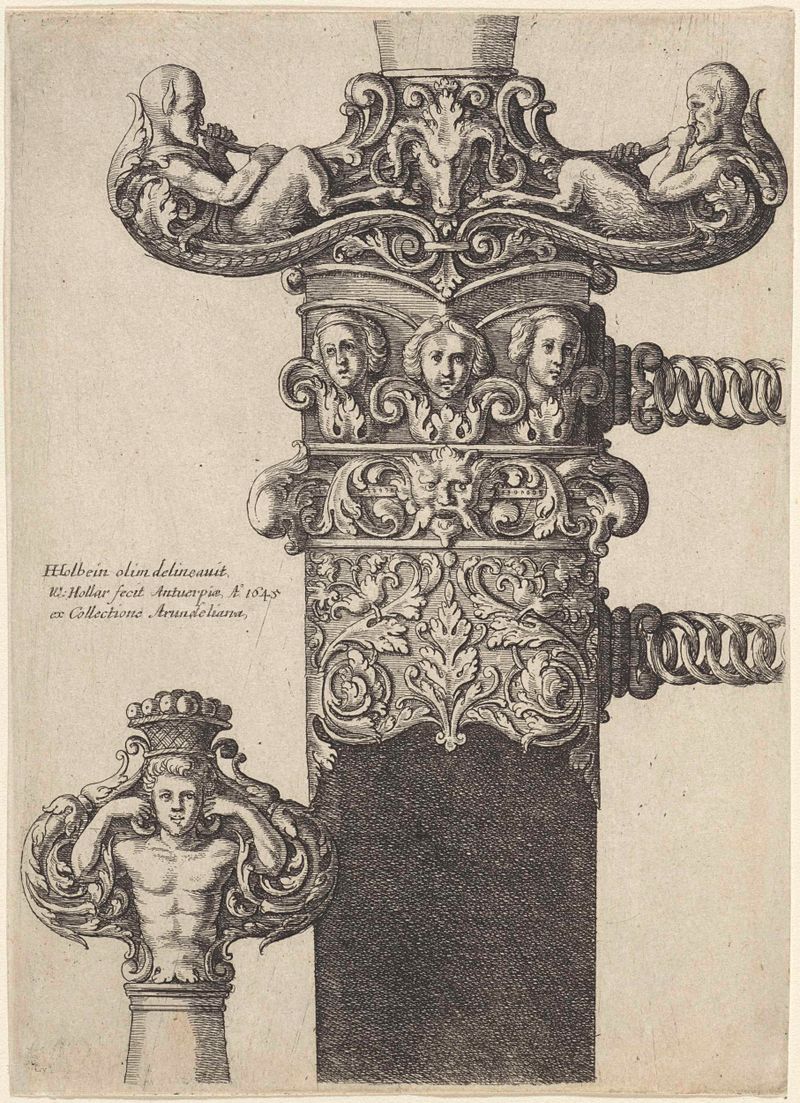
Ornamenteel ontwerp voor een dolk
Wenceslaus Hollar
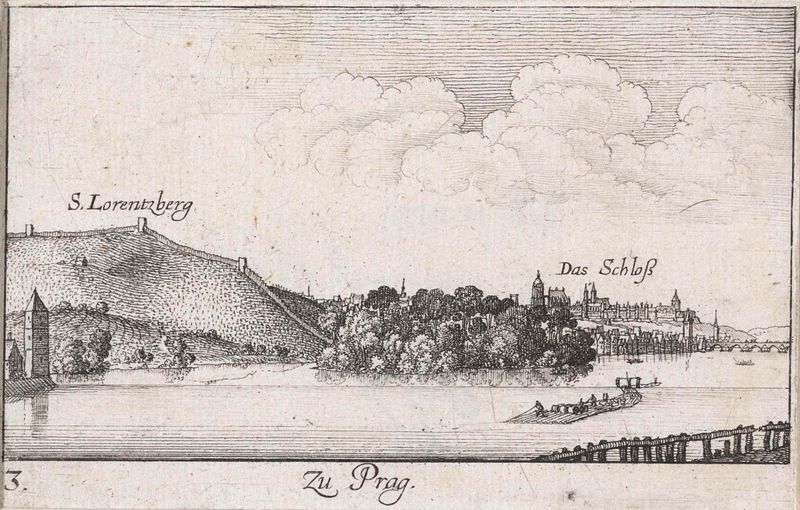
Gezicht op Praag vanaf de Moldau
Wenceslaus Hollar
More Religious Art
Browse all →
The Return of the Prodigal Son
Rembrandt van Rijn

The Garden of Earthly Delights
El Bosco

Count Orgaz’ funeral
El Greco

The Hundred Guilder Print: the central piece with Christ preaching, the plate arched
Rembrandt van Rijn

The Descent from the Cross
Rogier van der Weyden

The return of the prodigal son
Rembrandt van Rijn