
De boetvaardige Maria Magdalena — History & Facts
Could beauty survive in a century of chaos? Wenceslaus Hollar's De boetvaardige Maria Magdalena offers a powerful exploration of truth, wrapped in delicately rendered lines and subtle emotional depth. Look closely at the figure of Mary Magdalene, positioned centrally; her downcast eyes and entwined fingers exude a profound sense of penitence. The soft chiaroscuro bathes her in an ethereal glow, highlighting the contours of her face while casting shadows that suggest an inner turmoil. Notice the intricate details of her flowing hair, which frame her sorrowful expression—each strand meticulously etched, giving life and movement to the stillness of the moment. Hollar captures a tension between beauty and grief through his choice of muted earth tones, evoking a sense of humility and introspection.
The contrast between her elegant attire and her evident sorrow speaks volumes about the complexity of redemption. The background, almost obscured, invites the viewer to focus solely on her, yet hints at a world beyond her suffering—a world marked by chaos, yet yearning for truth and understanding. In 1638, while living in London, Hollar was experiencing a tumultuous period shaped by the Thirty Years' War and its aftermath. As a prominent etcher and draftsman, he was navigating his own artistic challenges amidst shifting political landscapes.
The creation of De boetvaardige Maria Magdalena reflects not only personal introspection but also the broader human struggle for meaning in a time of upheaval.
More Artworks by Wenceslaus Hollar
Browse all →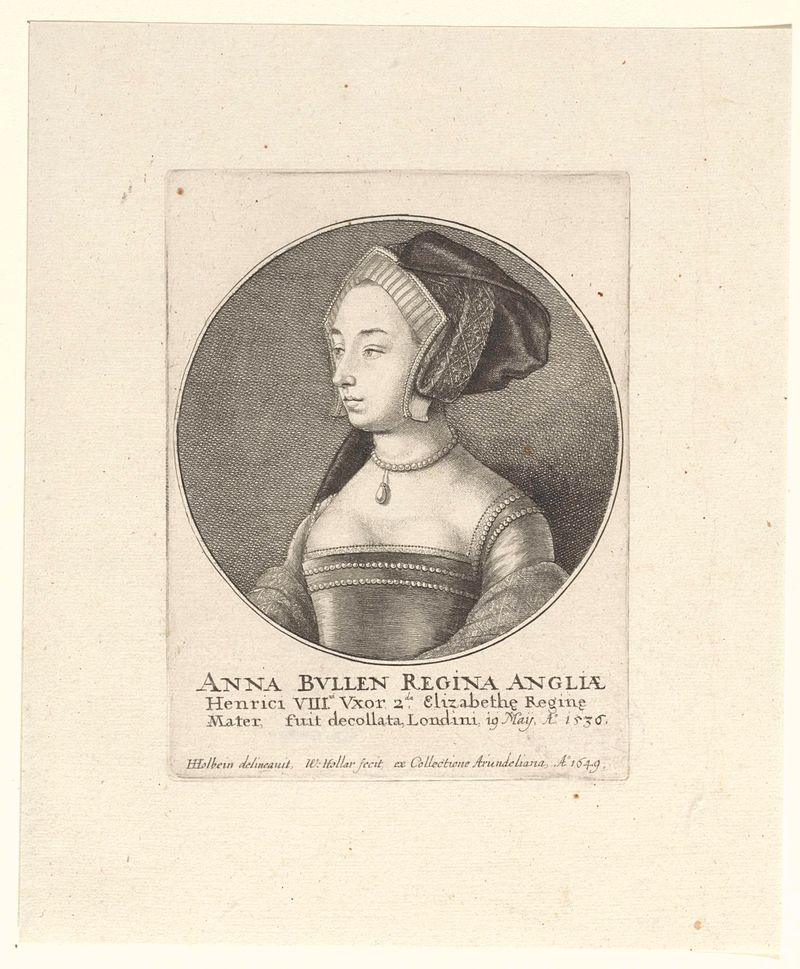
Portret van Anna Boleyn, koningin van Engeland
Wenceslaus Hollar
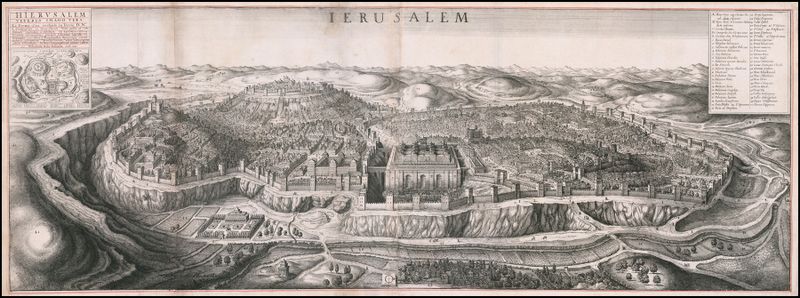
Bird’s eye view of Jerusalem
Wenceslaus Hollar
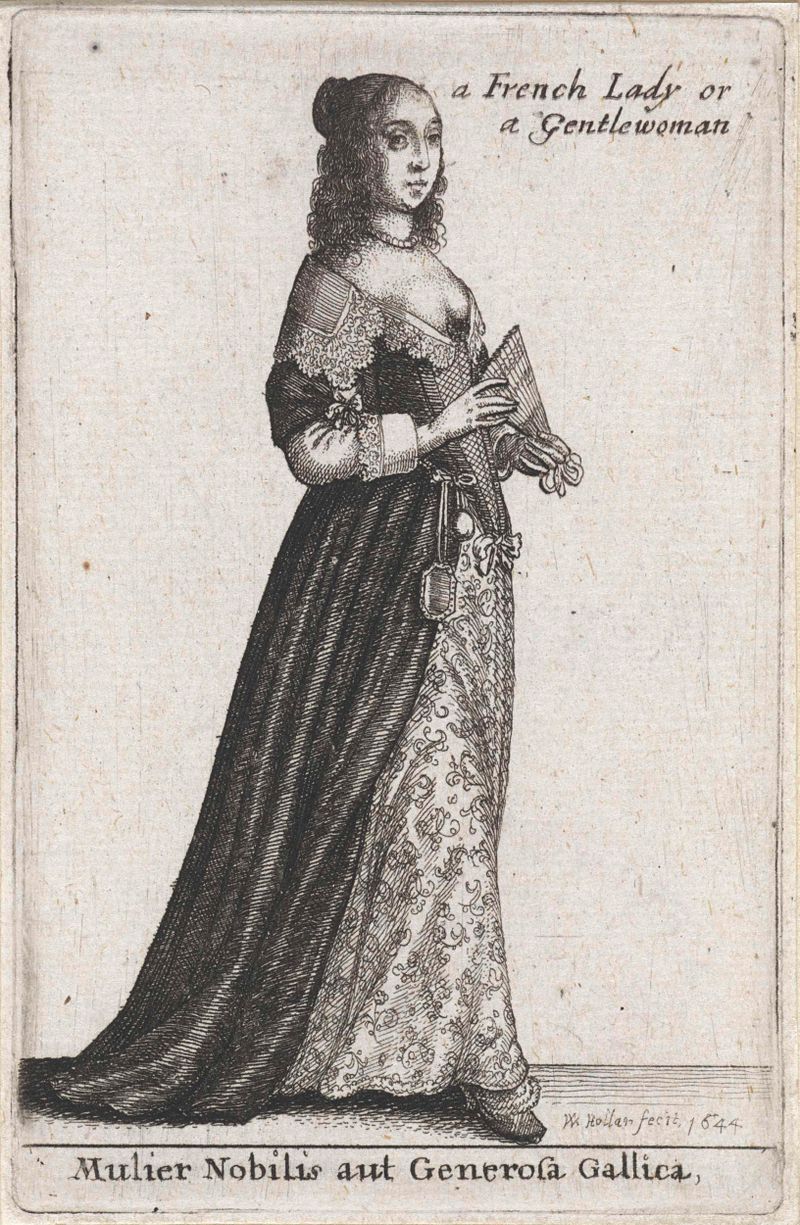
Mulier Nobilis aut Generosa Gallica / a French Lady or Gentlewoman
Wenceslaus Hollar
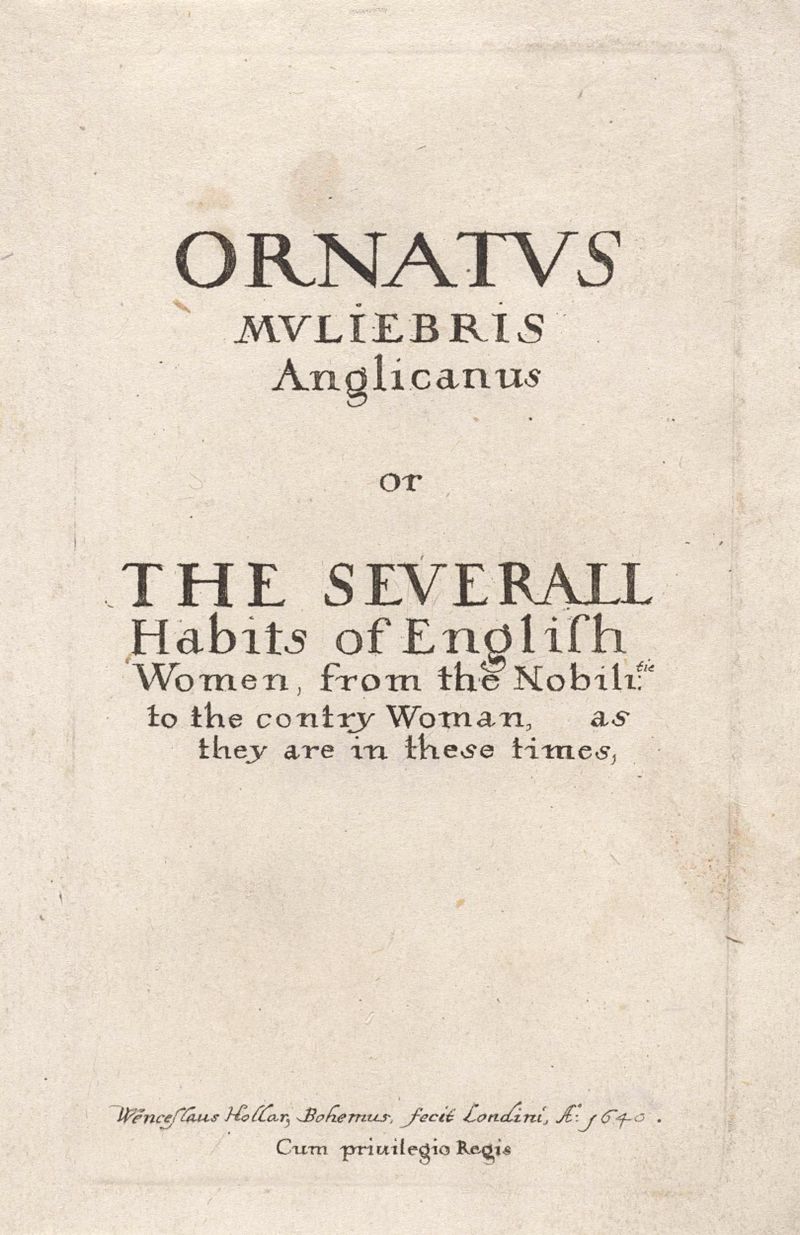
Titelprent voor: Ornatus Muliebris Anglicanus
Wenceslaus Hollar
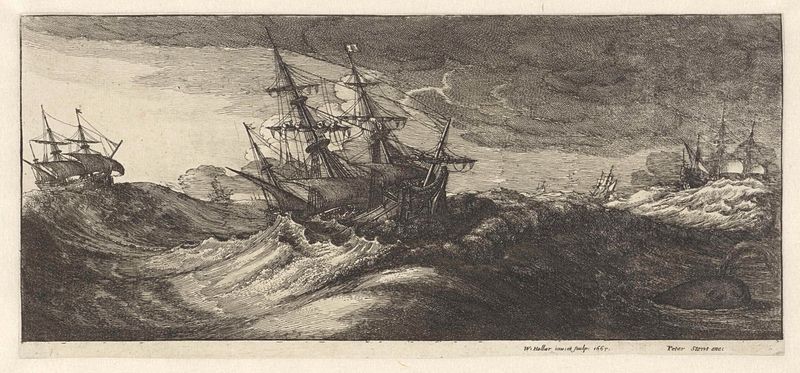
Oorlogsschepen en een walvis in een zeestorm
Wenceslaus Hollar
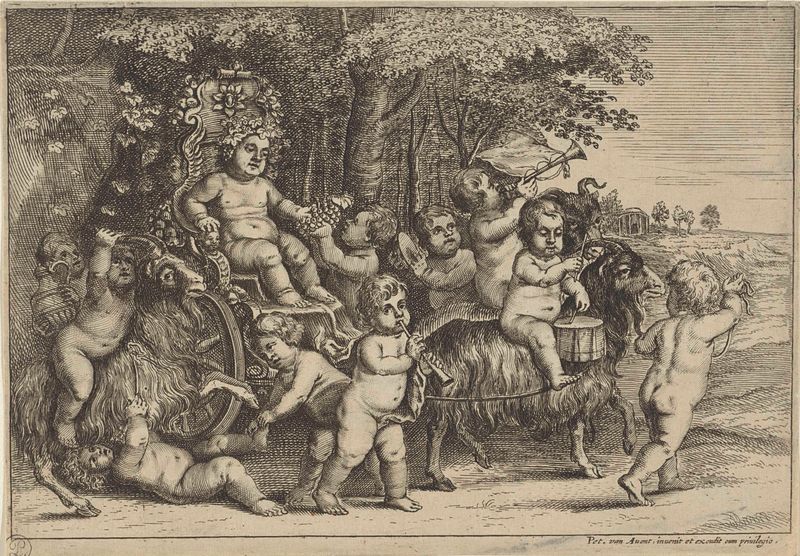
Optocht van bacchant en jongetjes op geiten
Wenceslaus Hollar
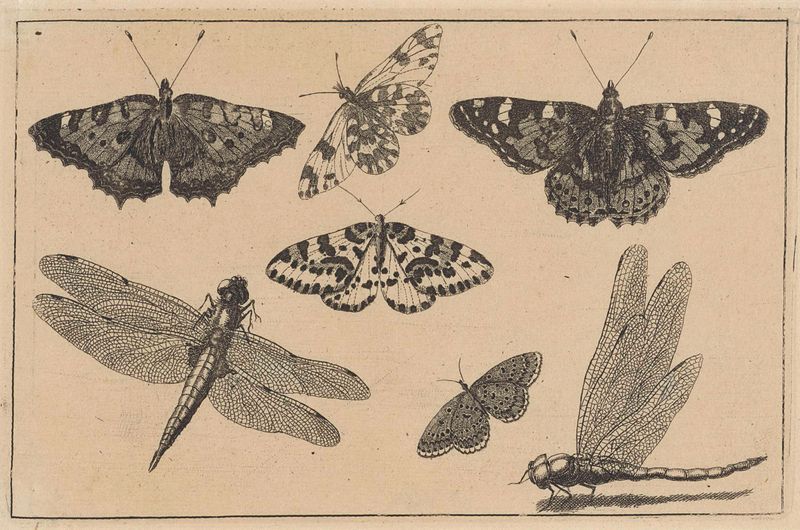
Twee libellen en vijf vlinders
Wenceslaus Hollar
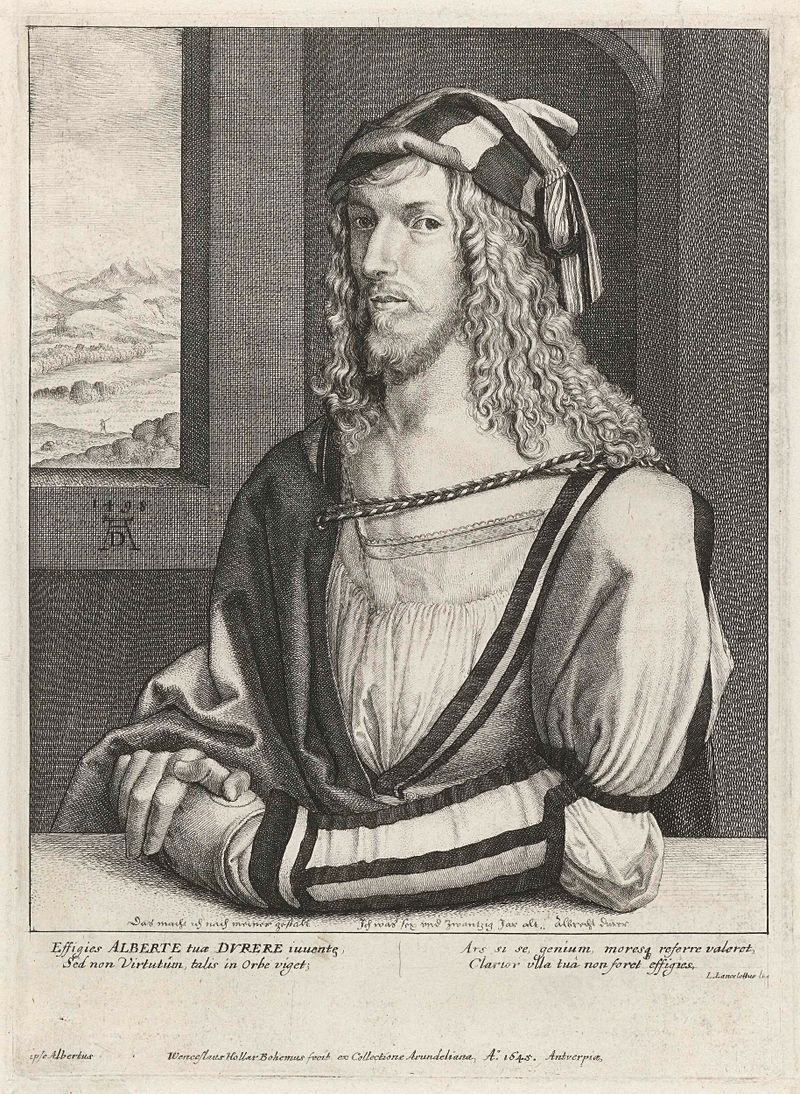
Portret van Albrecht Dürer
Wenceslaus Hollar
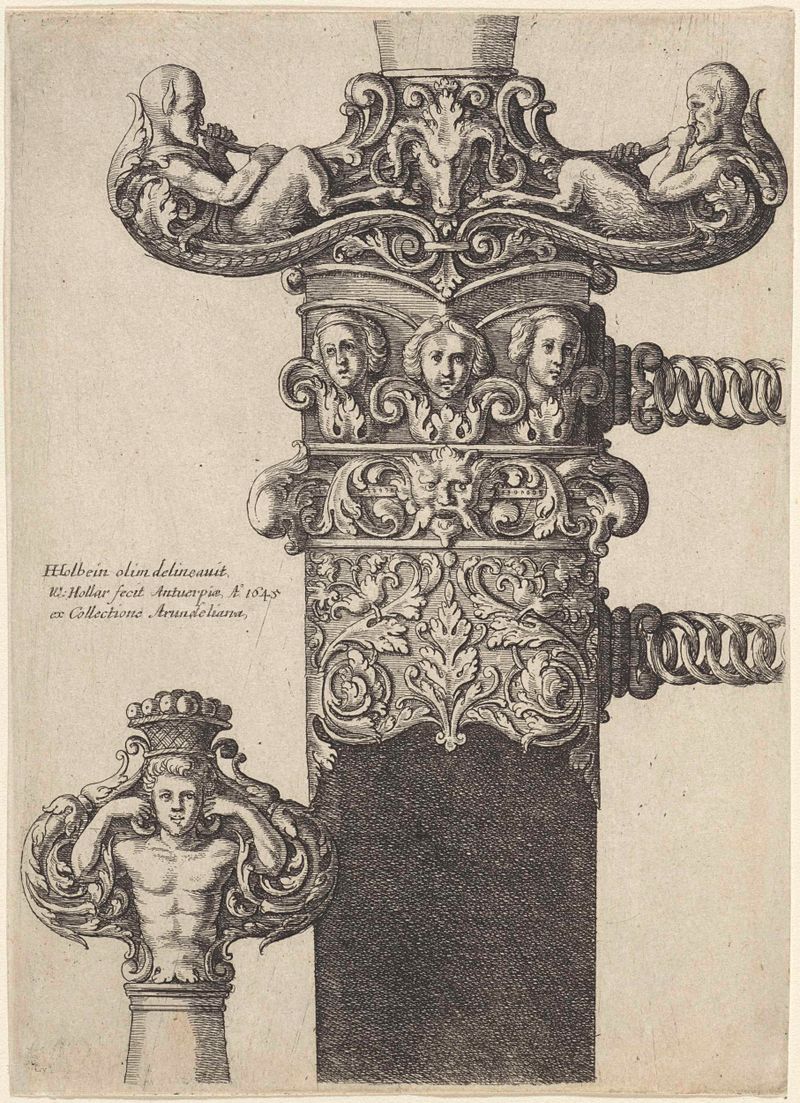
Ornamenteel ontwerp voor een dolk
Wenceslaus Hollar
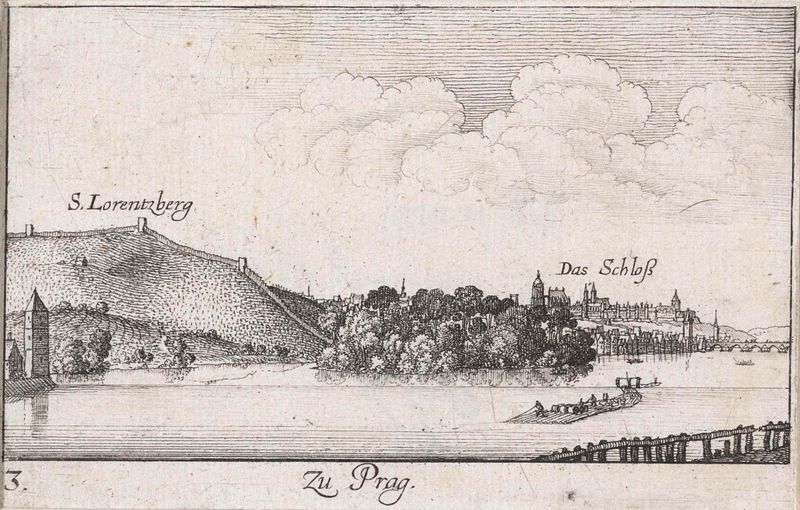
Gezicht op Praag vanaf de Moldau
Wenceslaus Hollar
More Religious Art
Browse all →
The Return of the Prodigal Son
Rembrandt van Rijn

The Garden of Earthly Delights
El Bosco

Count Orgaz’ funeral
El Greco

The Hundred Guilder Print: the central piece with Christ preaching, the plate arched
Rembrandt van Rijn

The Descent from the Cross
Rogier van der Weyden

The return of the prodigal son
Rembrandt van Rijn