
De boetvaardige Maria Magdalena — History & Facts
Is this a mirror — or a memory? The haunting beauty of the human figure invites introspection, as the viewer is drawn into a delicate dance between reflection and regret. Focus on the figure of Mary Magdalene, clad in garments that gently drape her form, creating a sense of movement within stillness. Notice how the light cascades from the left, illuminating her face and casting soft shadows that deepen the contours of her expression. The rich tonal palette, with earthy browns and muted golds, enhances the emotional weight of her portrayal, while the intricate details of her hair and hands pull the eye into her intimate world. Beneath the surface lies a profound emotional tension, a juxtaposition of beauty and sorrow.
The serene gaze of Mary conveys an inner tranquility, yet her posture and slight tilt of the head suggest an unresolved past. The delicate play of light and shadow serves as a metaphor for the duality of her existence—caught between redemption and remorse, embodying the struggle of coming to terms with one’s choices. Wenceslaus Hollar created this work in 1646, during a period marked by dramatic shifts in both his personal life and the broader art world. Having settled in London after fleeing the turmoil of the Thirty Years' War, he was influenced by the emerging Baroque style, which sought to evoke emotion and grandeur.
In this context, the portrayal of Mary Magdalene transcends mere representation, reflecting deep spiritual and human complexities that resonate with the viewer.
More Artworks by Wenceslaus Hollar
Browse all →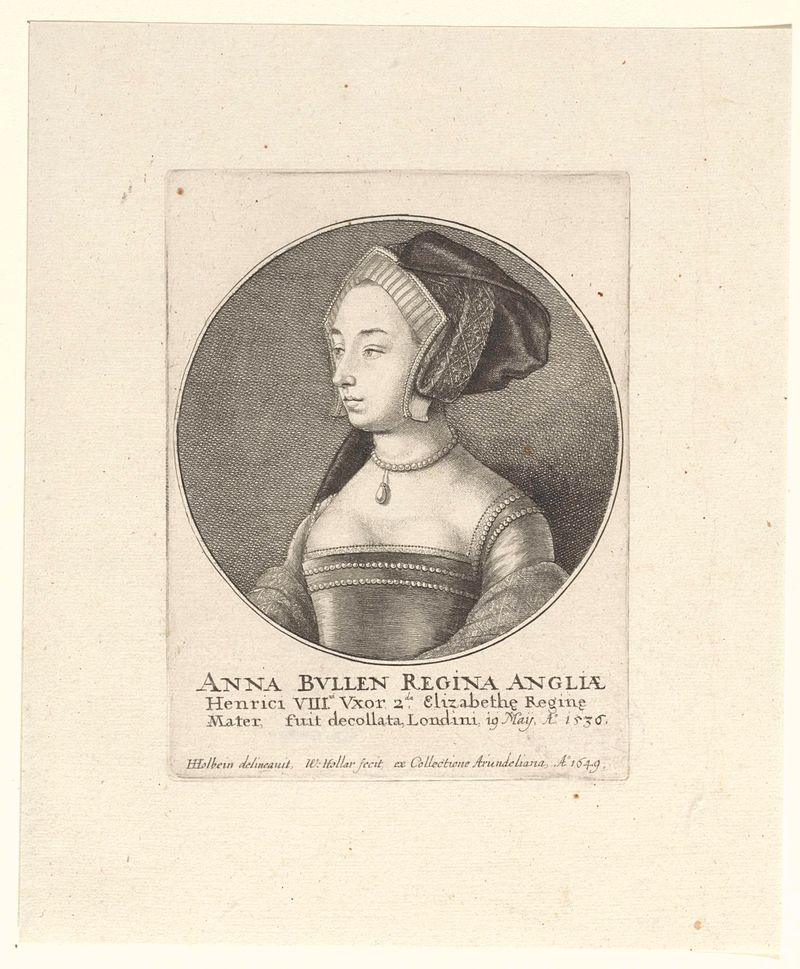
Portret van Anna Boleyn, koningin van Engeland
Wenceslaus Hollar
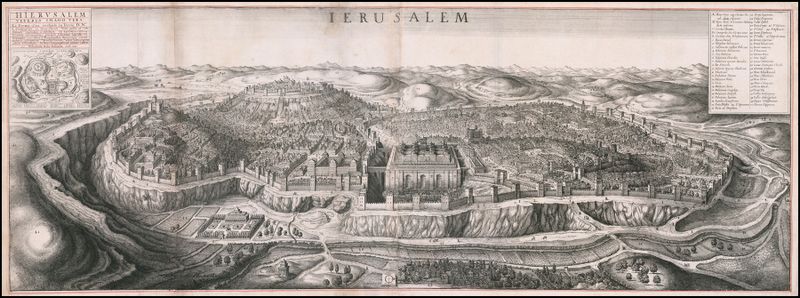
Bird’s eye view of Jerusalem
Wenceslaus Hollar
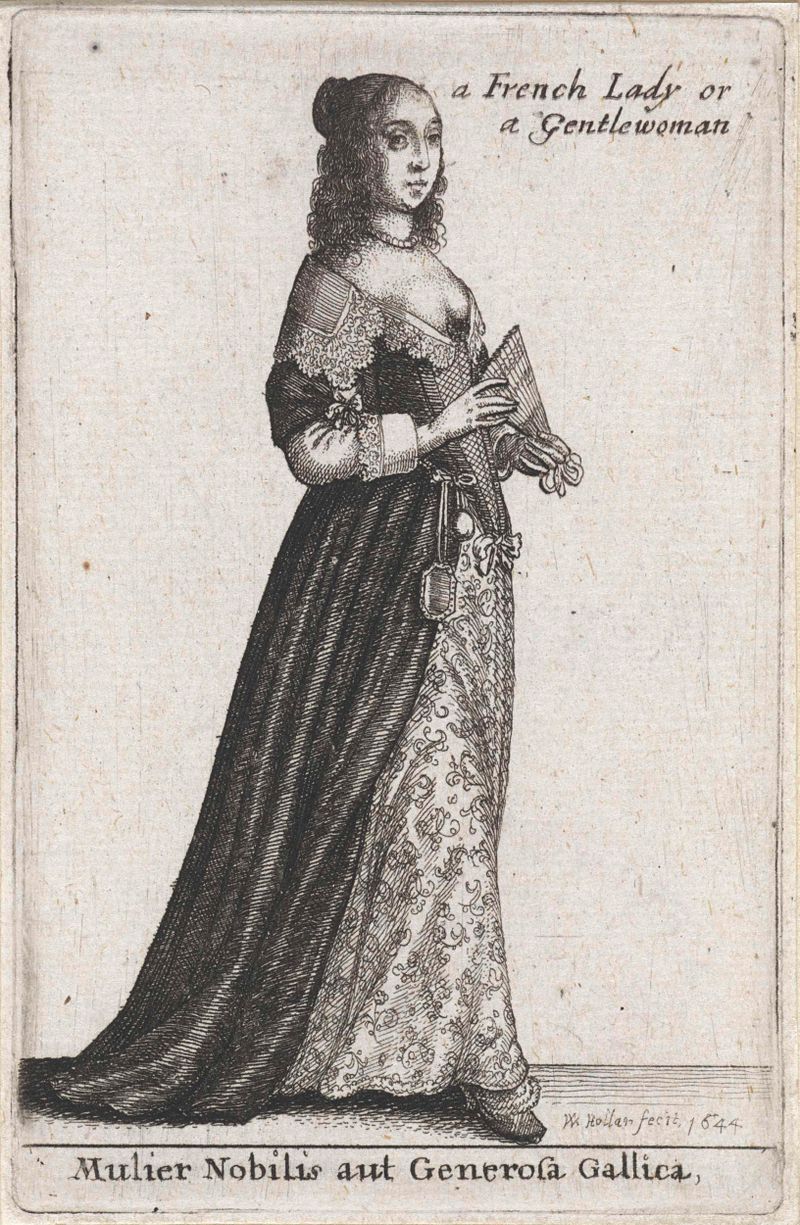
Mulier Nobilis aut Generosa Gallica / a French Lady or Gentlewoman
Wenceslaus Hollar
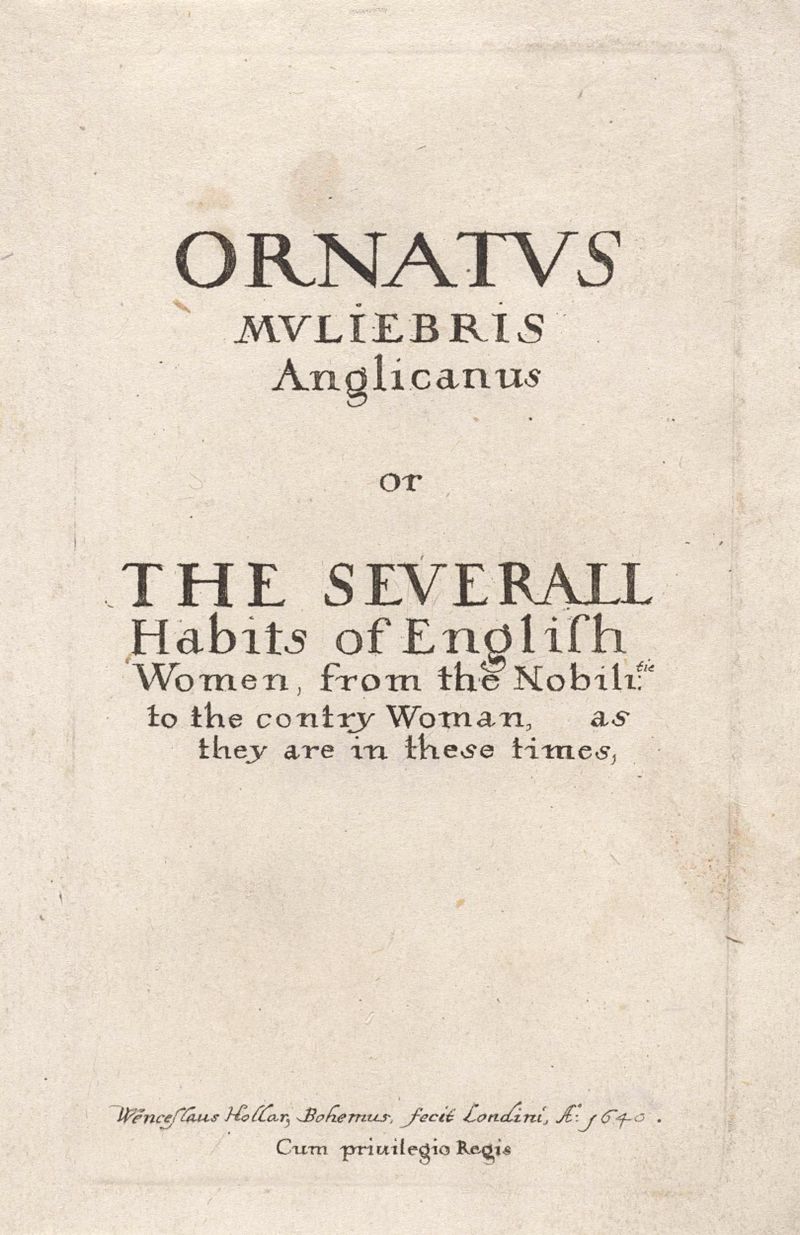
Titelprent voor: Ornatus Muliebris Anglicanus
Wenceslaus Hollar
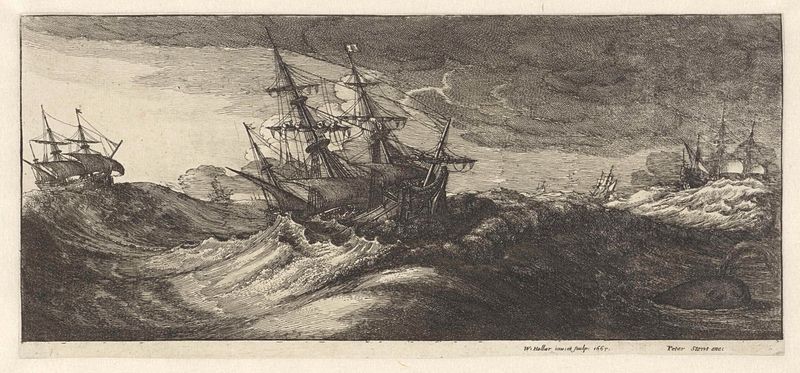
Oorlogsschepen en een walvis in een zeestorm
Wenceslaus Hollar
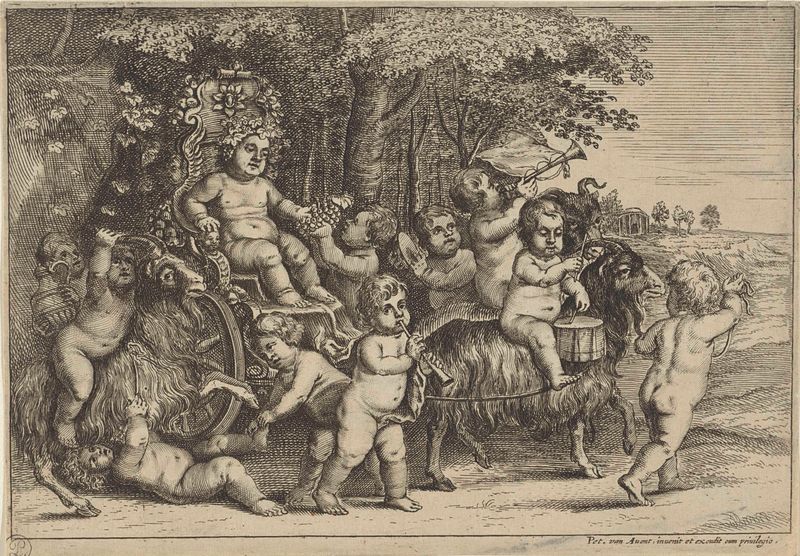
Optocht van bacchant en jongetjes op geiten
Wenceslaus Hollar
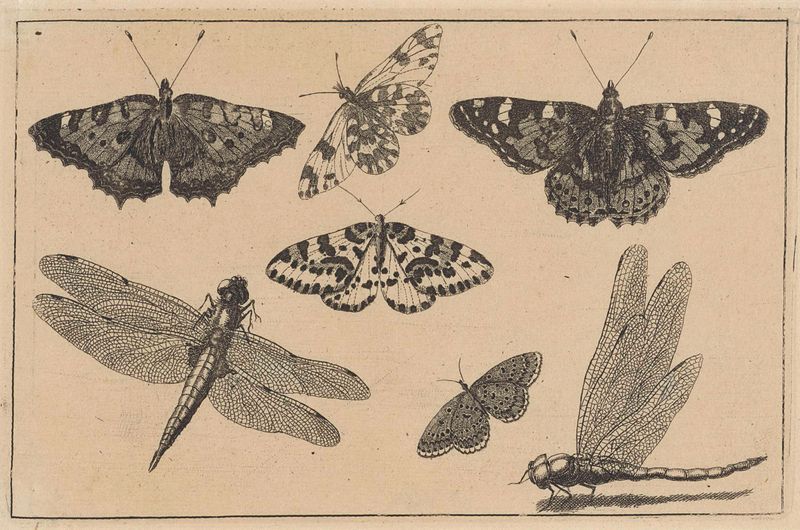
Twee libellen en vijf vlinders
Wenceslaus Hollar
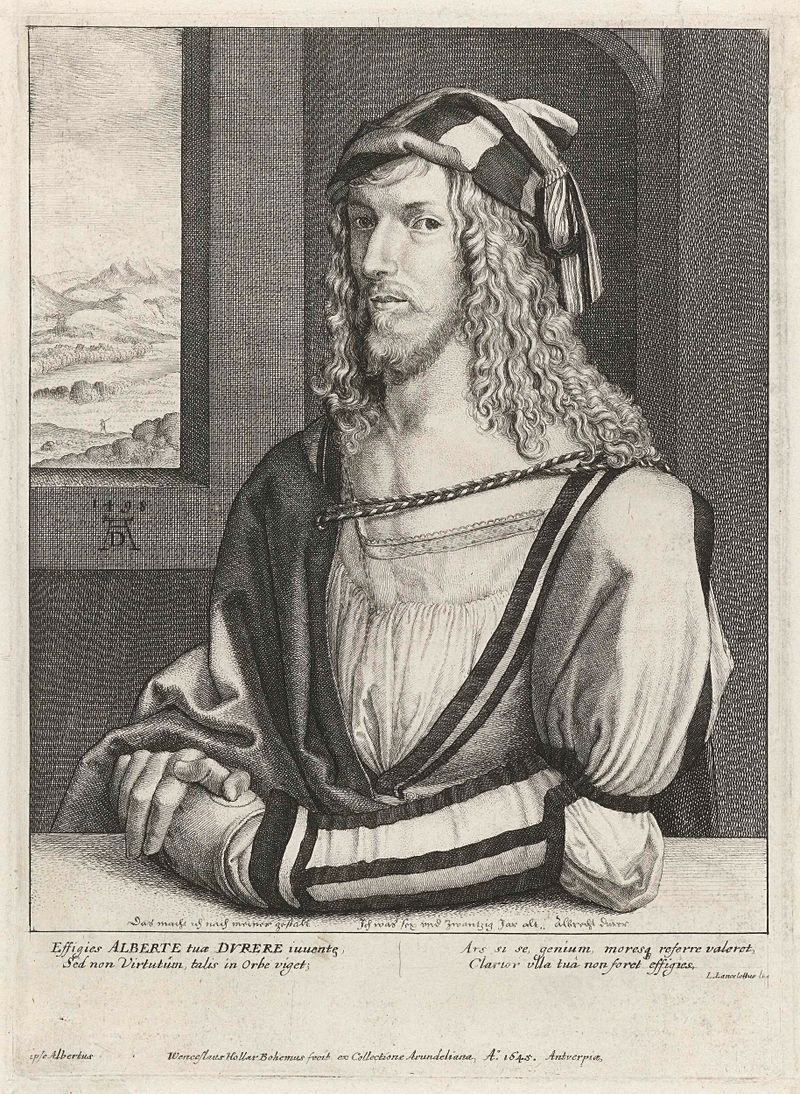
Portret van Albrecht Dürer
Wenceslaus Hollar
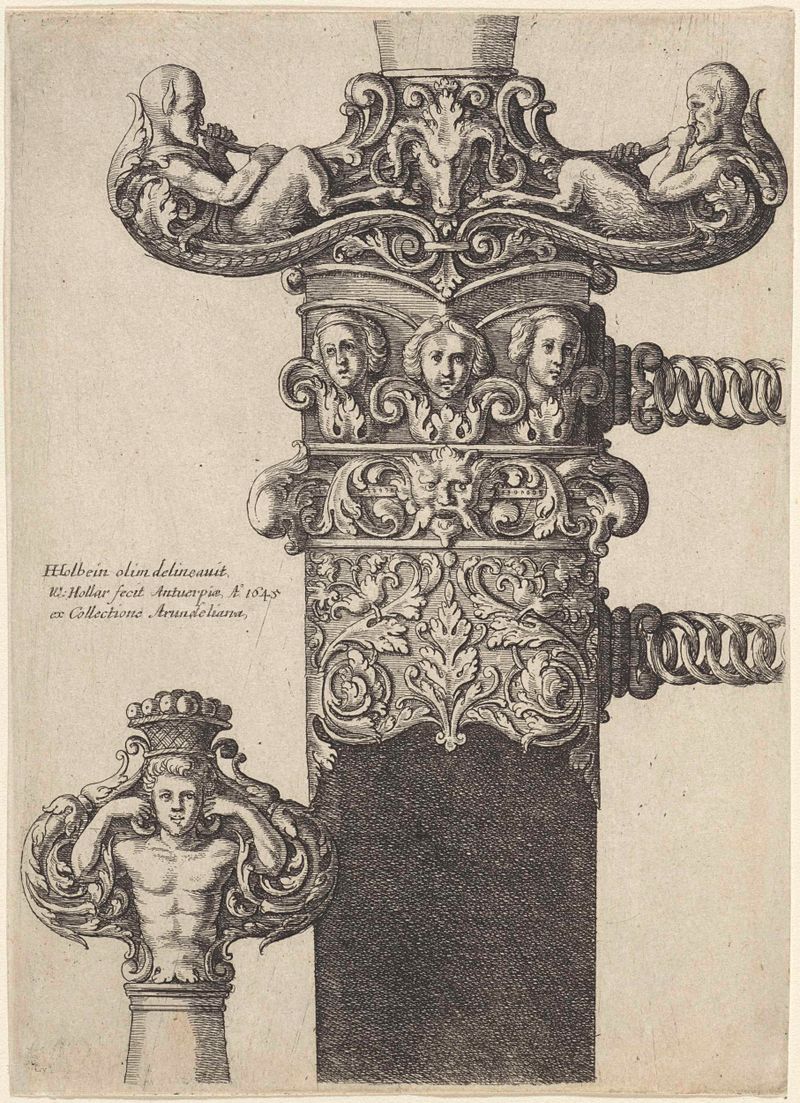
Ornamenteel ontwerp voor een dolk
Wenceslaus Hollar
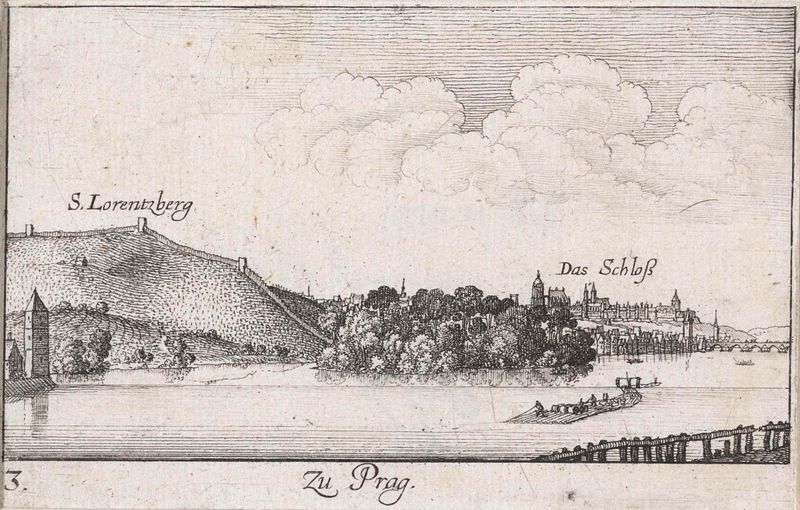
Gezicht op Praag vanaf de Moldau
Wenceslaus Hollar
More Religious Art
Browse all →
The Return of the Prodigal Son
Rembrandt van Rijn

The Garden of Earthly Delights
El Bosco

Count Orgaz’ funeral
El Greco

The Hundred Guilder Print: the central piece with Christ preaching, the plate arched
Rembrandt van Rijn

The Descent from the Cross
Rogier van der Weyden

The return of the prodigal son
Rembrandt van Rijn