
De doedelzakspeler — History & Facts
What if silence could speak through light? In De doedelzakspeler, a hauntingly poignant presence invokes a deep sense of longing, echoing through time and space. Look to the center of the composition, where the piper stands, a solitary figure clad in muted tones. His bagpipes, rendered in intricate detail, seem to breathe life into the stillness surrounding him. Notice how the soft glow of light casts an ethereal hue on his face, highlighting the mix of concentration and melancholy in his expression.
The background fades into shadow, directing your gaze to him while enhancing the emotional gravity of the moment. Delve deeper into this scene; the tension between the musician and the quiet landscape represents the struggle between life’s fleeting joys and inevitable sorrow. The piper’s raised arm suggests movement, yet he remains stationary, embodying the paradox of music’s power to stir emotions while also being confined within the artist's frame. This contrast between motion and stillness amplifies the theme of longing, inviting viewers to reflect on the unfulfilled desires that resonate within us all. In 1514, Dürer crafted this evocative piece during a period of personal introspection and artistic maturation in Nuremberg, where he was increasingly recognized for his engravings and intricate woodcuts.
The world around him was alive with the tension of emerging Renaissance ideals and the complexities of the human experience, forming a backdrop against which this profound work emerged.
More Artworks by Albrecht Dürer
Browse all →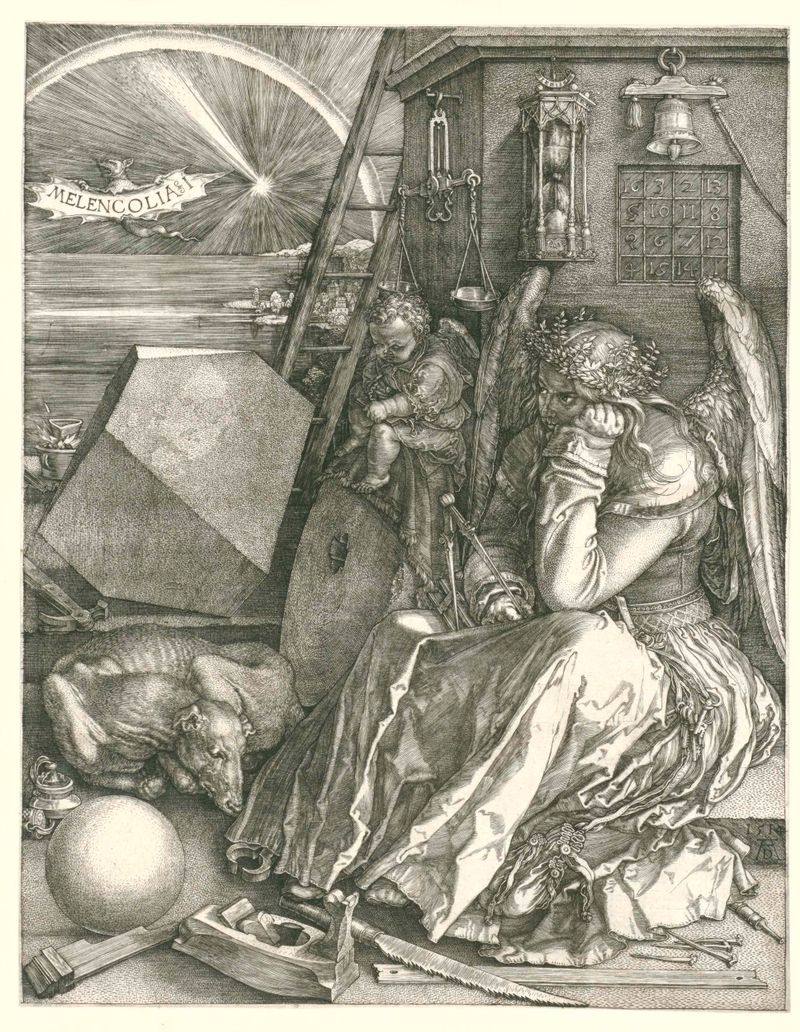
Melancholia
Albrecht Dürer
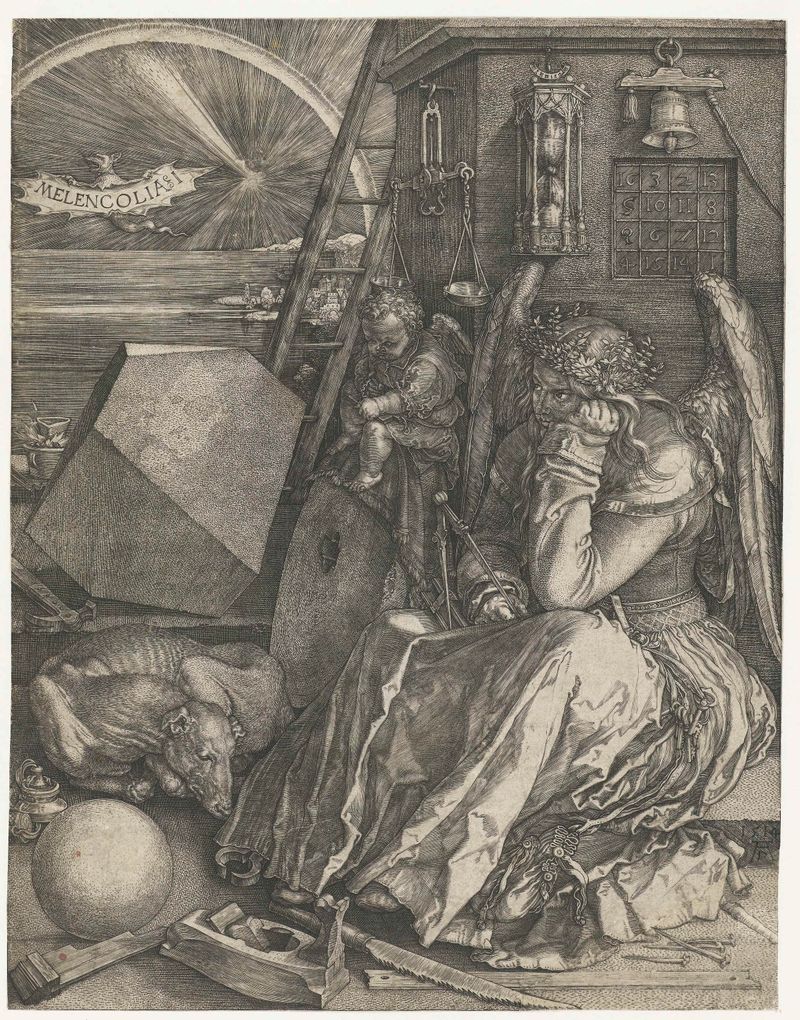
Melancholie
Albrecht Dürer
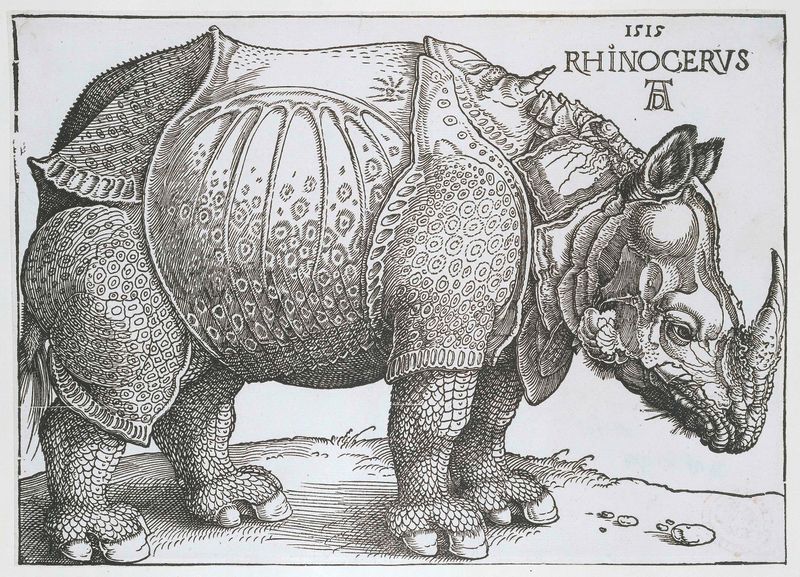
Neushoorn
Albrecht Dürer
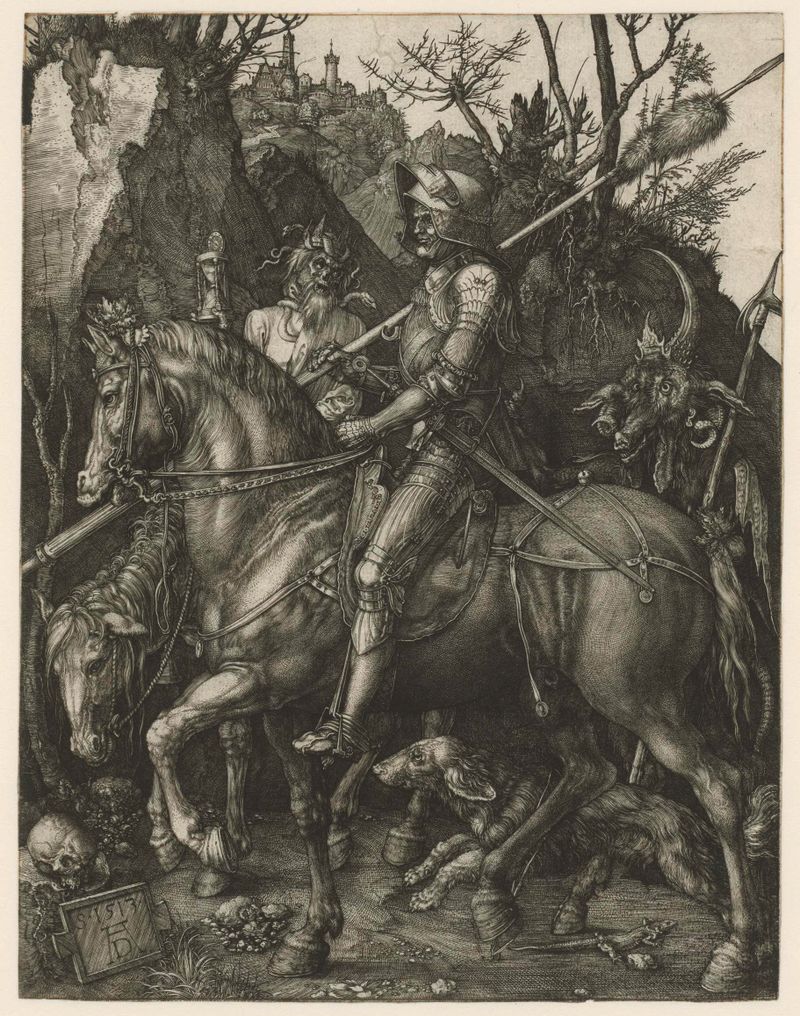
Knight, Death, and the Devil
Albrecht Dürer

De vier ruiters van de apocalyps
Albrecht Dürer

De vier ruiters van de apocalyps
Albrecht Dürer
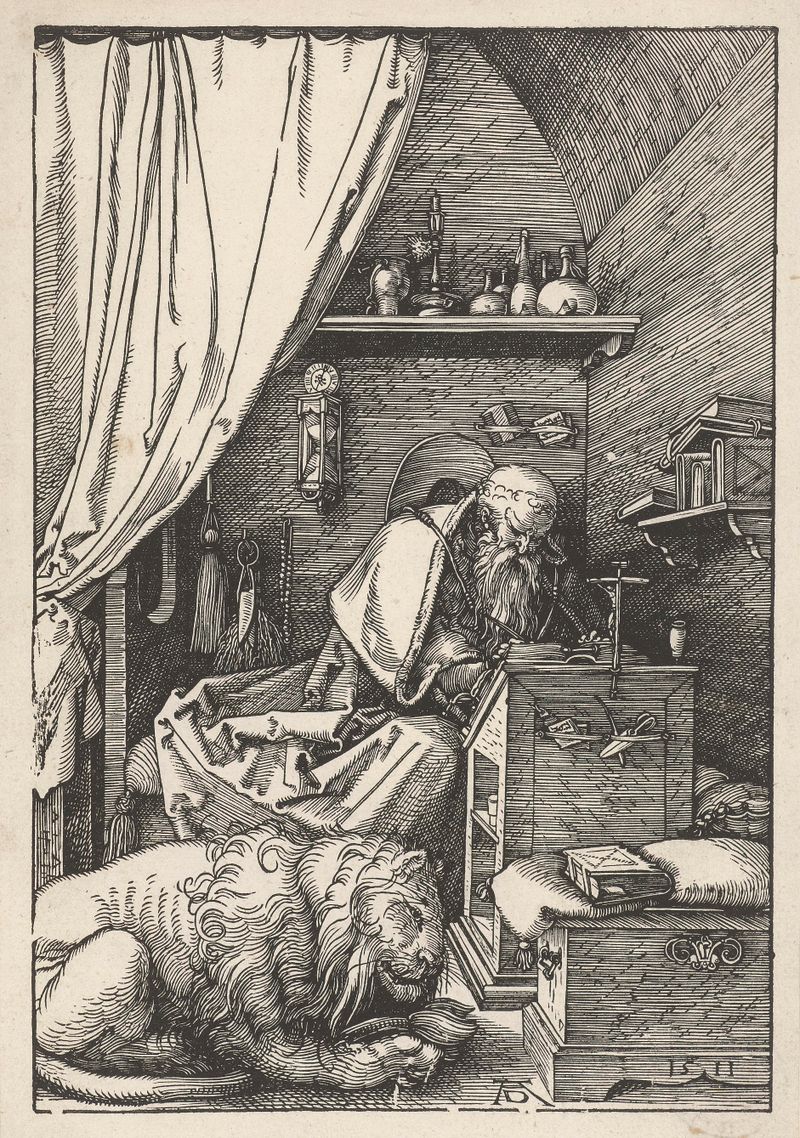
De Heilige Hiëronymus in zijn studeervertrek
Albrecht Dürer
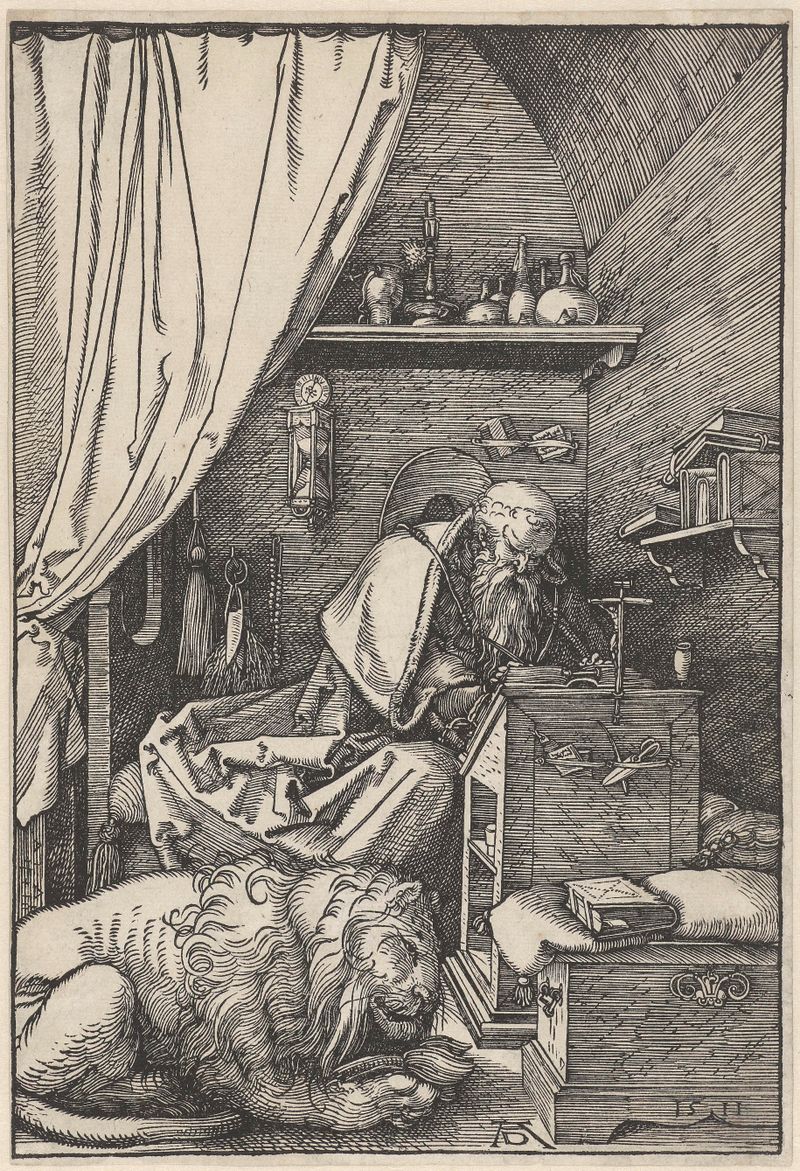
De Heilige Hiëronymus in zijn studeervertrek
Albrecht Dürer
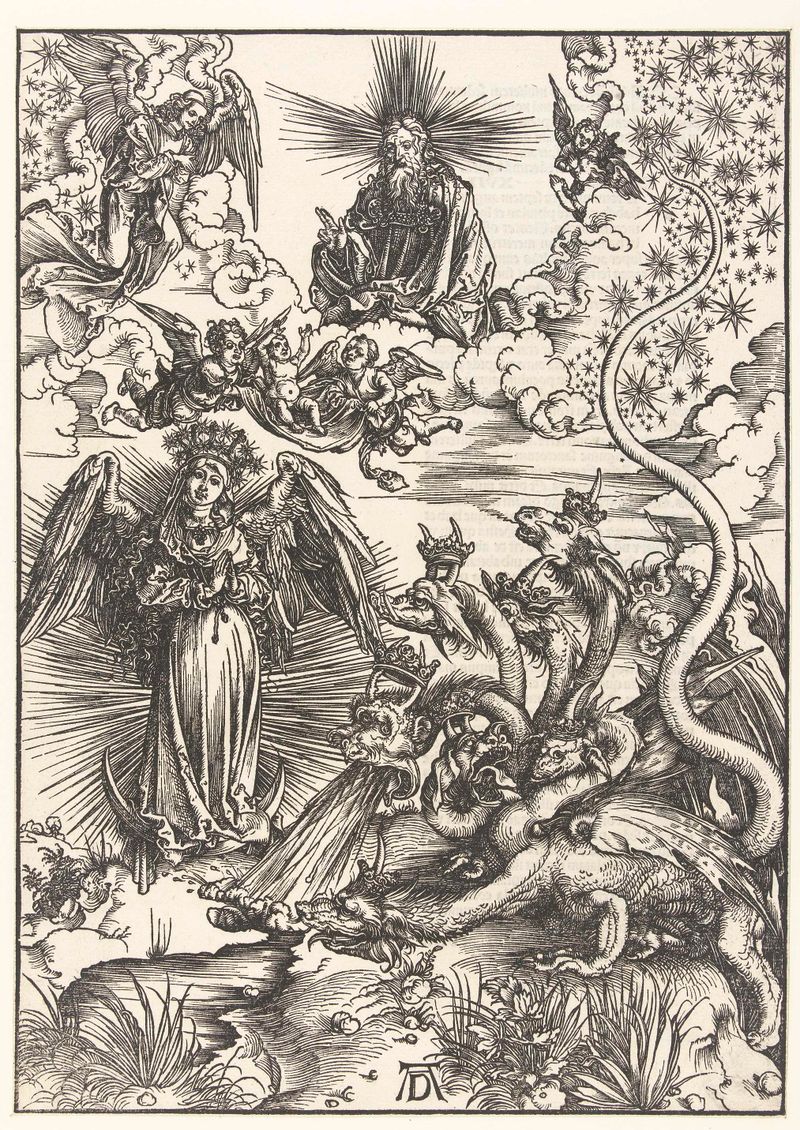
De apocalyptische vrouw en de zevenkoppige draak
Albrecht Dürer
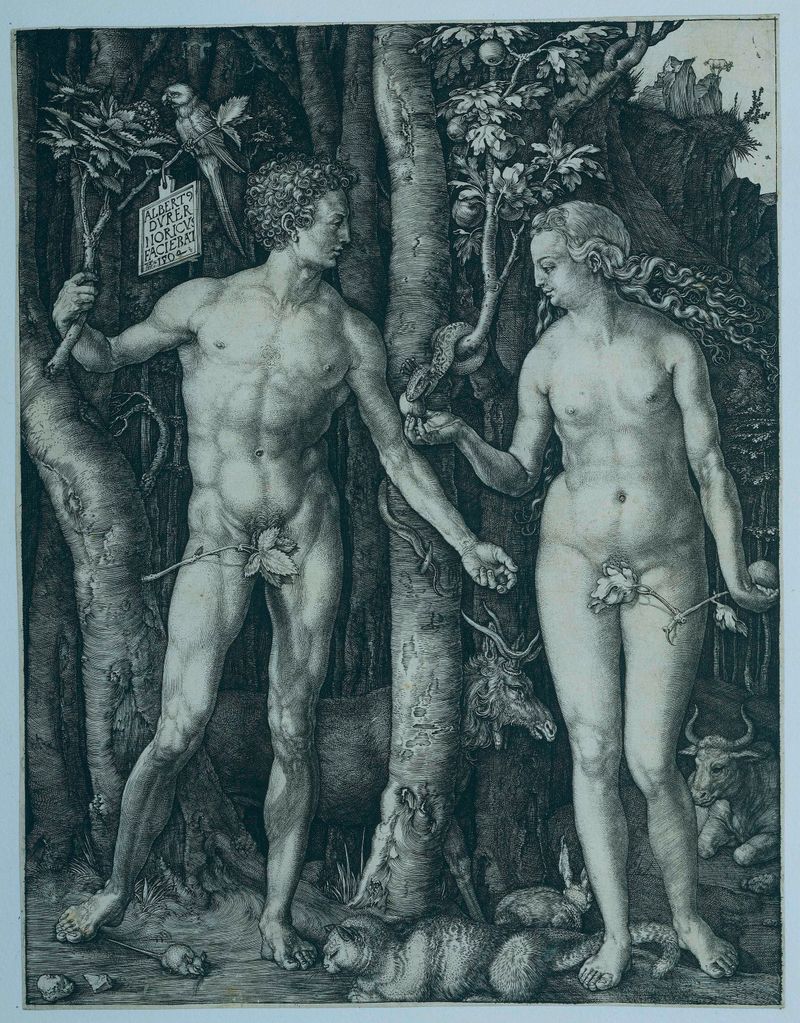
Adam en Eva
Albrecht Dürer




