
De geboorte van Christus — History & Facts
Where does light end, and longing begin? In the tender birth of Christ, the juxtaposition of divine joy and the shadows of violence creates an emotional tapestry that resonates through time. To truly appreciate this work, look first to the gentle radiance surrounding the infant figure, where the golden hues emanate warmth and serenity. Notice how the light gracefully cascades over the Virgin Mary, her expression a mixture of awe and vulnerability. The delicate details of her attire and the surrounding elements depict both reverence and the harsh realities of the world outside this sacred moment.
The composition draws the eye inward, creating a sanctuary amid the turmoil suggested by darker undertones. In the background, a hint of chaos lurks, suggesting violence that contradicts the peace of the nativity scene. The faint outlines of soldiers and their weapons whisper of the impending strife that will shadow the infant’s future. This duality is profound; it speaks to the inherent tension between hope and despair, between the divine promise and earthly struggles.
The contrast of light and shadow becomes a metaphor for the journey of faith, illuminated yet always threatened by darkness. Hans Springinklee painted this piece between 1519 and 1530, during a time when Europe was rife with religious conflict and societal strife. The Reformation was taking shape, challenging the foundations of spirituality. Springinklee’s work reflects both the fervor of devotion and the underlying turbulence of his era, capturing a moment that transcends time, offering insight into the human condition amid sacred belief.
More Artworks by Hans Springinklee
Browse all →
Titelblad met o.a. de doop van Christus en een visioen van Johannes de Evangelist
Hans Springinklee
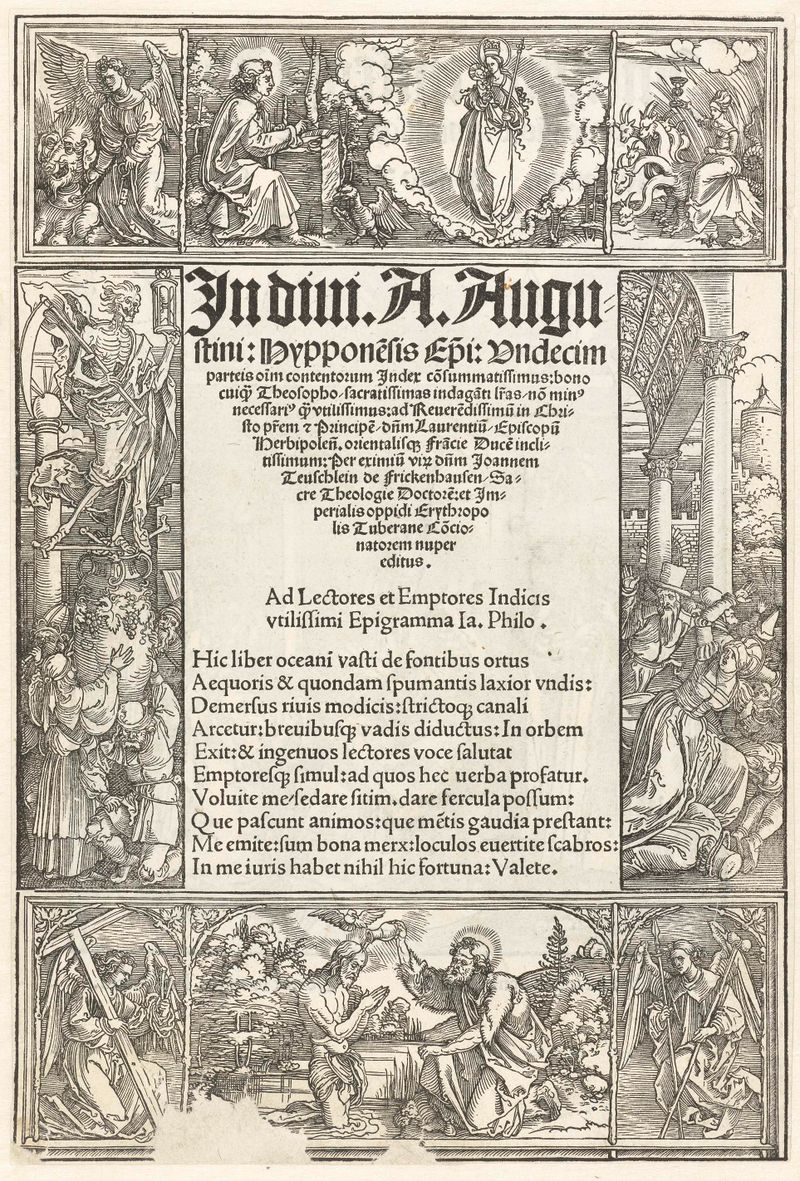
Titelblad met o.a. de doop van Christus en een visioen van Johannes de Evangelist
Hans Springinklee
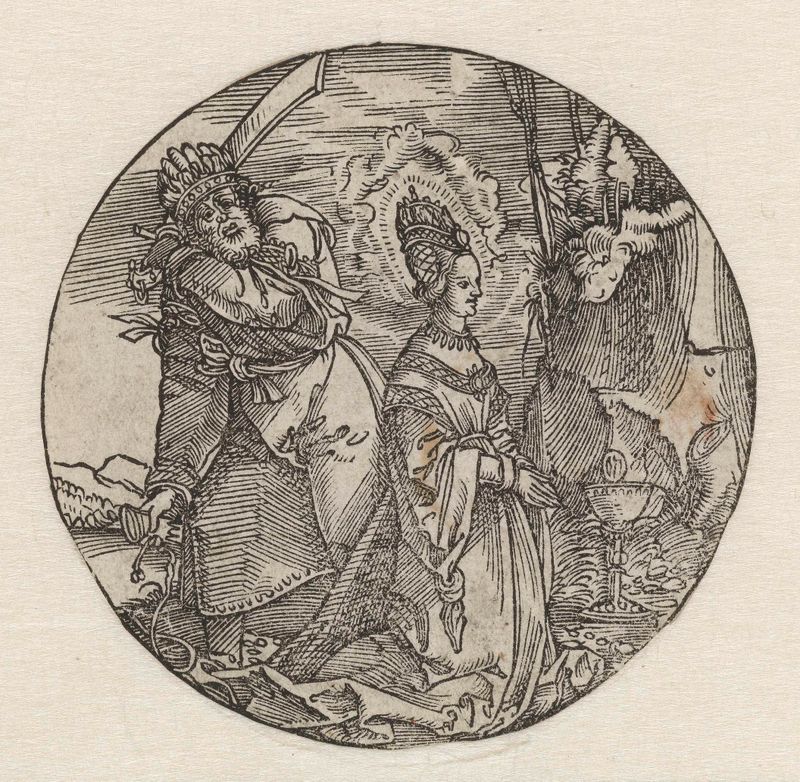
Het martelaarschap van de Heilige Barbara
Hans Springinklee

De Heilige Martinus deelt zijn mantel met een bedelaar
Hans Springinklee
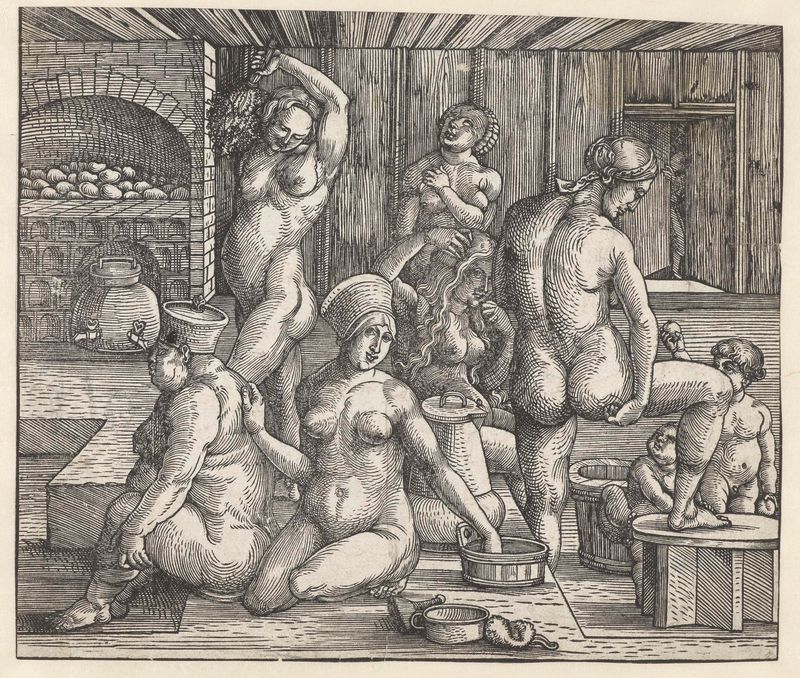
Het vrouwenbad
Hans Springinklee
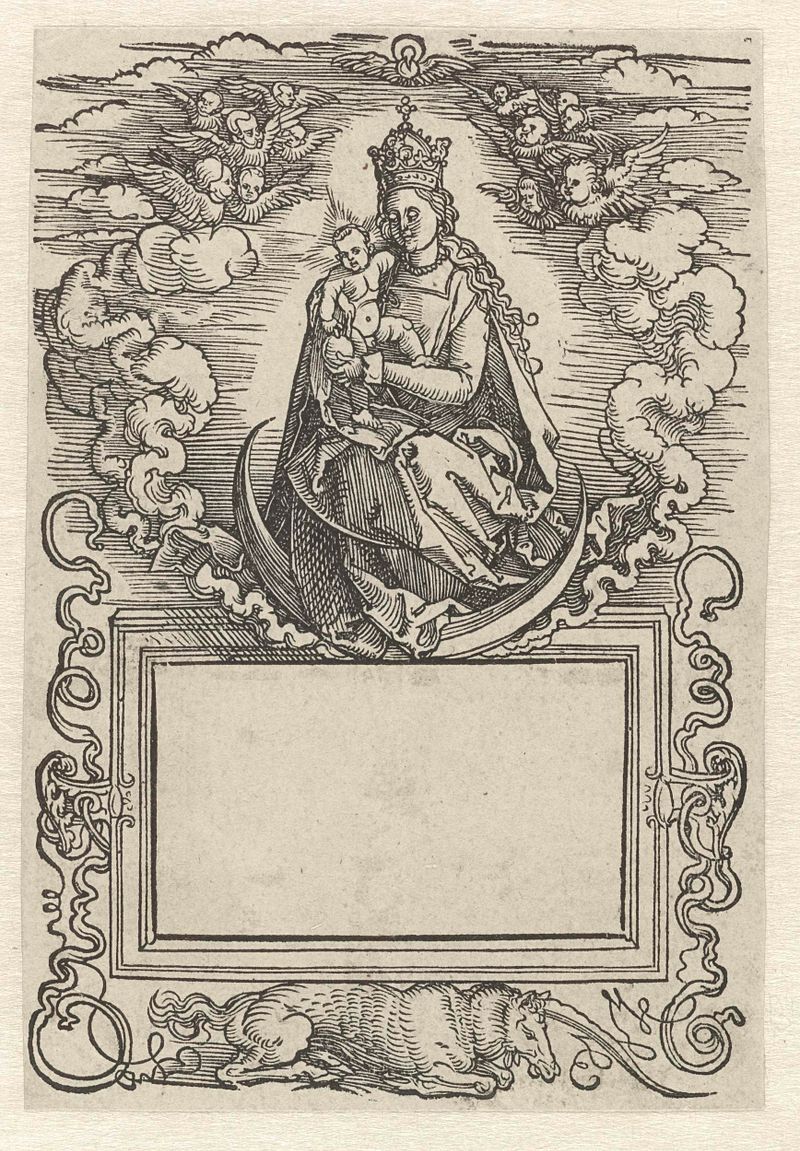
Titelblad met Maria met kind zittend op de maansikkel
Hans Springinklee
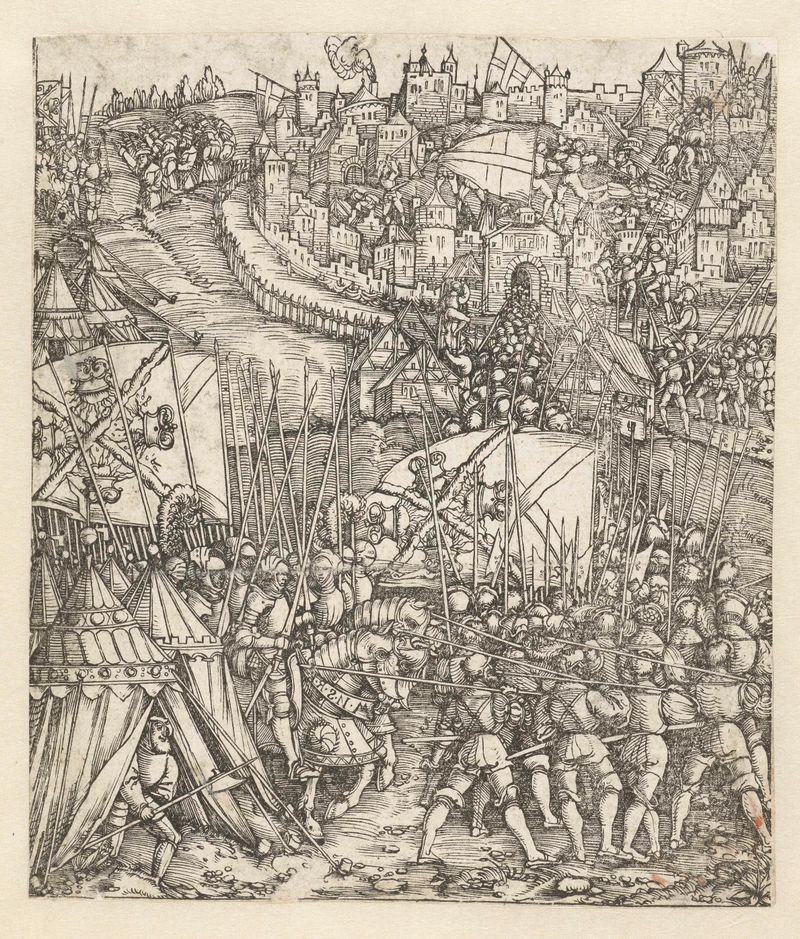
Verovering van Stuhlweissenburg in Hongarije
Hans Springinklee

De aartsengel Michaël verslaat een duivel
Hans Springinklee
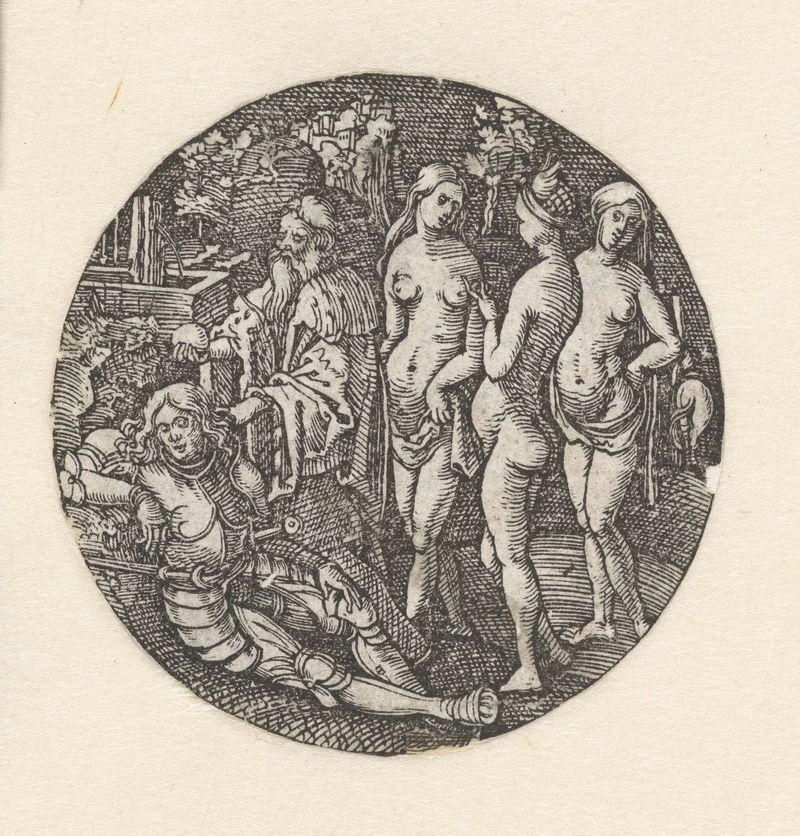
Het oordeel van Paris
Hans Springinklee
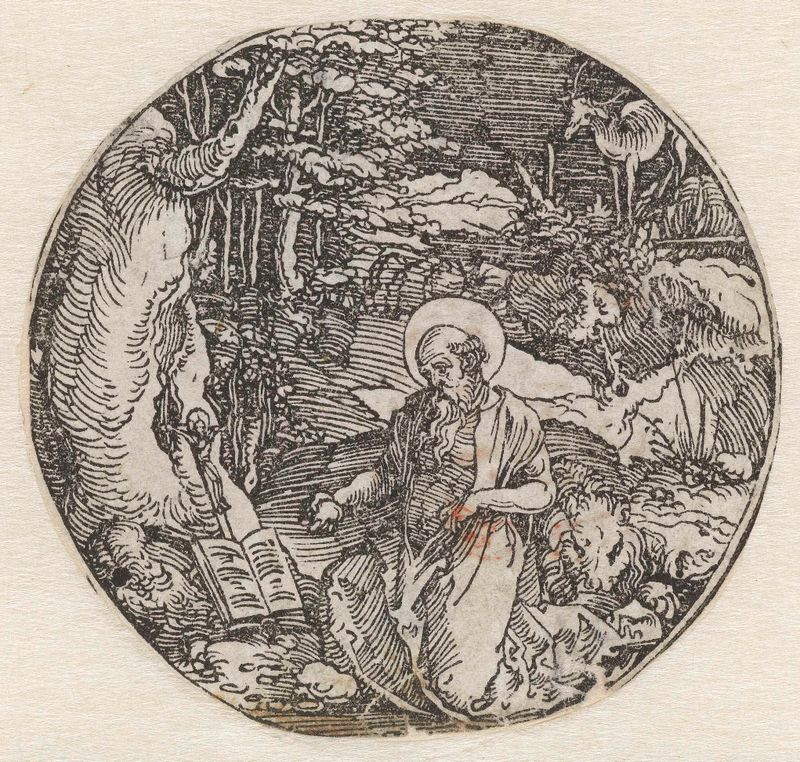
De Heilige Hiëronymus in de wildernis
Hans Springinklee
More Religious Art
Browse all →
The Return of the Prodigal Son
Rembrandt van Rijn

The Garden of Earthly Delights
El Bosco

Count Orgaz’ funeral
El Greco

The Hundred Guilder Print: the central piece with Christ preaching, the plate arched
Rembrandt van Rijn

The Descent from the Cross
Rogier van der Weyden

The return of the prodigal son
Rembrandt van Rijn