
Titelblad met o.a. de doop van Christus en een visioen van Johannes de Evangelist — History & Facts
What secret hides in the quiet of the canvas? Each brushstroke whispers of fragility, inviting us to explore the delicate interplay of faith and doubt interwoven in the fabric of our existence. Focus on the central figures, where the baptism of Christ unfolds beneath a serene, celestial backdrop. The gentle curves of the flowing water reflect a soft, ethereal light, casting an almost otherworldly glow upon the figures. Notice how the vivid colors—deep blues and radiant golds—contrast with the muted earth tones surrounding them, drawing the eye towards the divine moment captured in time. Yet, within the reverence of this sacred scene lies a tension.
The figures, ethereal and weightless, seem to teeter on the brink of their own significance, embodying both devotion and uncertainty. The slight quirk of Christ’s mouth hints at a deeper understanding of his purpose, while the distant visage of John the Evangelist adds layers of prophetic foresight, suggesting that all is not as straightforward as it seems. This duality speaks to the fragility of faith, caught between the divine and human experience. In 1518, Hans Springinklee, a Dutch painter known for his intricate detail and theological themes, crafted this work amidst the flourishing of the Northern Renaissance.
During this period, the art world was witnessing a shift towards more personal interpretations of spirituality, reflecting the growing complexities of belief in a rapidly changing society. Springinklee’s exploration of sacred subjects captured the essence of this moment, bridging the gap between religious tradition and human emotion.
More Artworks by Hans Springinklee
Browse all →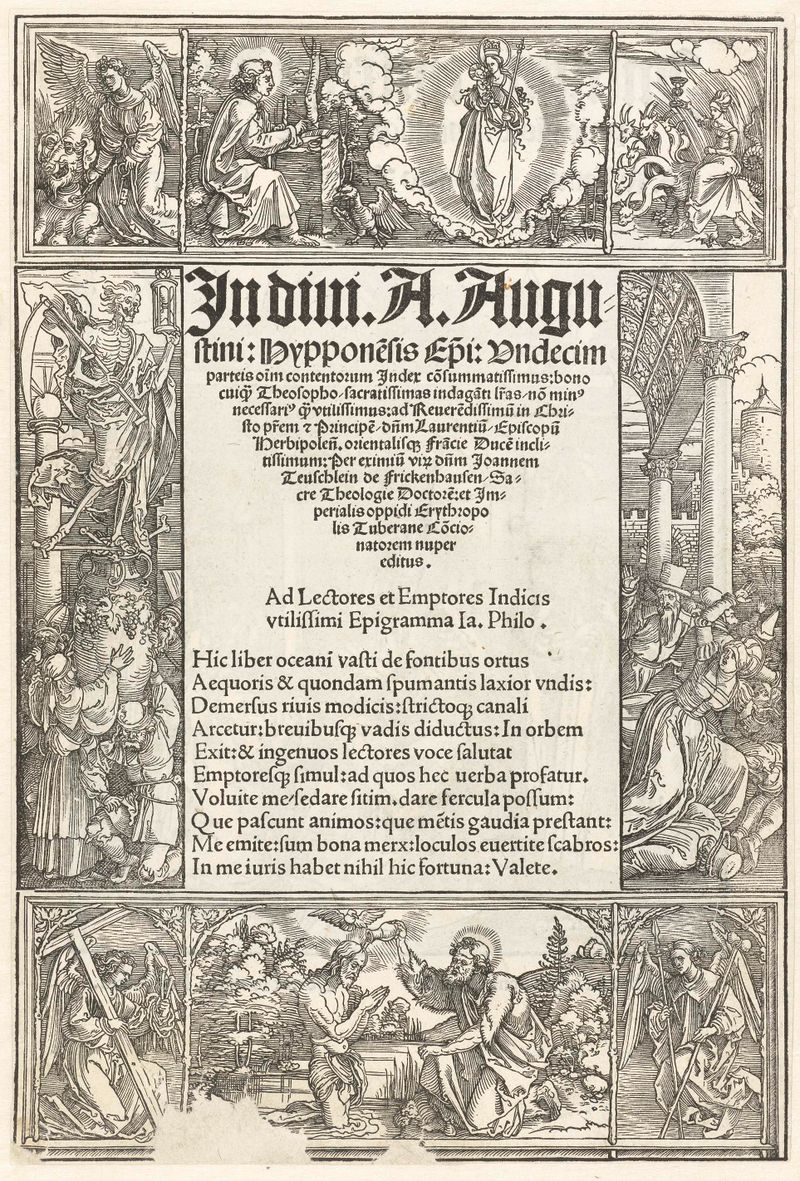
Titelblad met o.a. de doop van Christus en een visioen van Johannes de Evangelist
Hans Springinklee
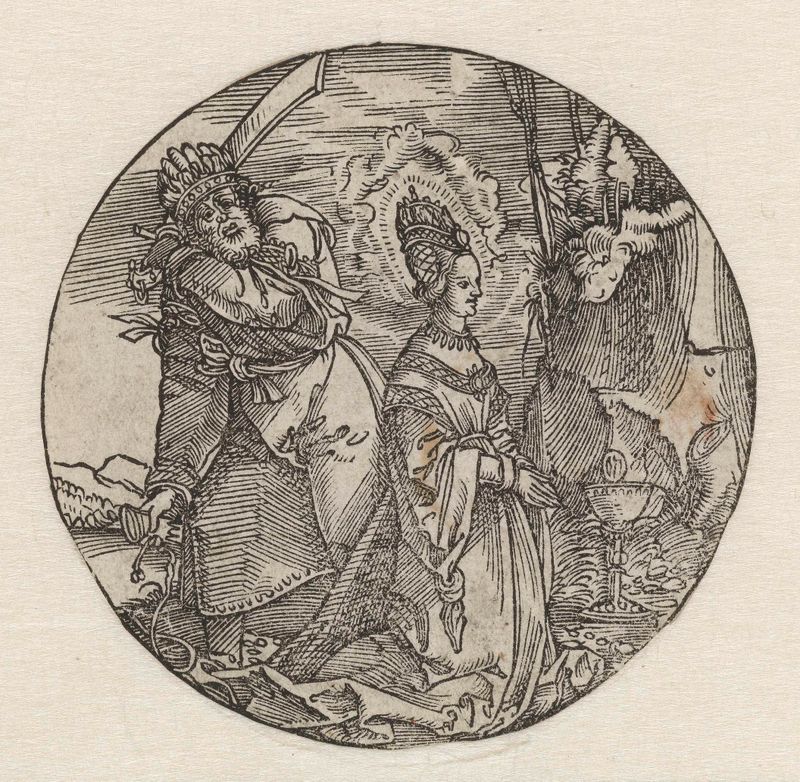
Het martelaarschap van de Heilige Barbara
Hans Springinklee

De Heilige Martinus deelt zijn mantel met een bedelaar
Hans Springinklee
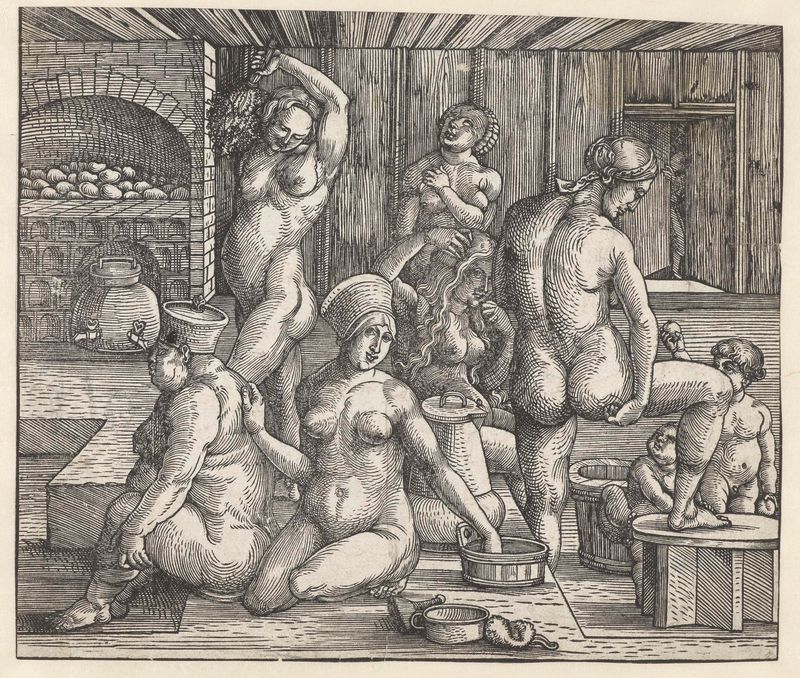
Het vrouwenbad
Hans Springinklee
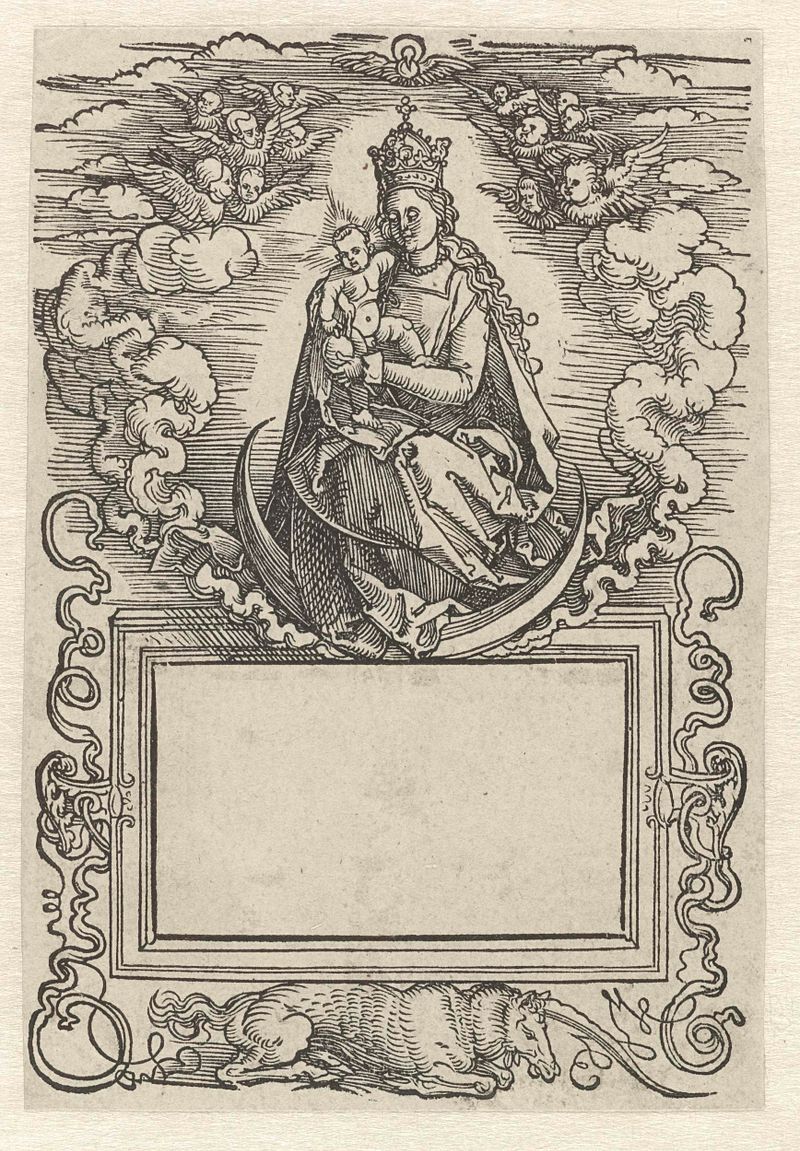
Titelblad met Maria met kind zittend op de maansikkel
Hans Springinklee
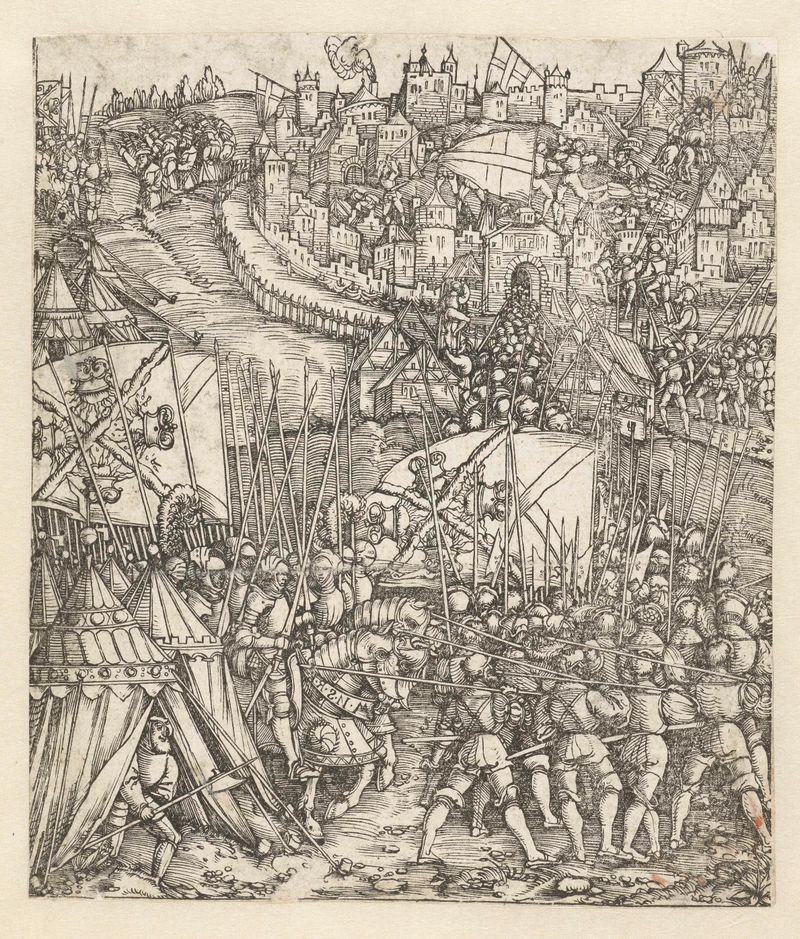
Verovering van Stuhlweissenburg in Hongarije
Hans Springinklee

De aartsengel Michaël verslaat een duivel
Hans Springinklee
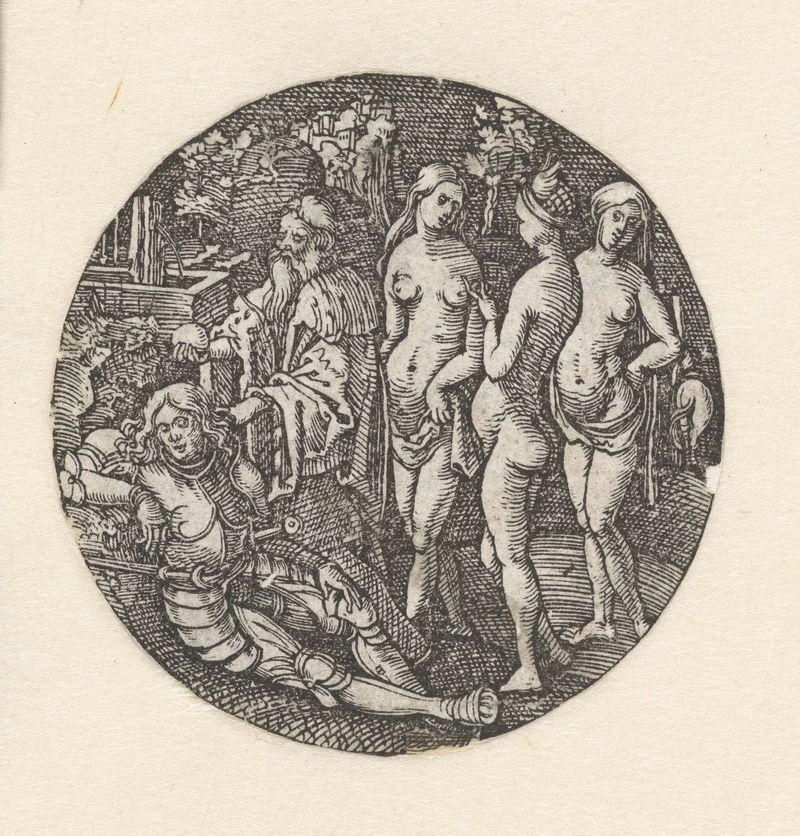
Het oordeel van Paris
Hans Springinklee
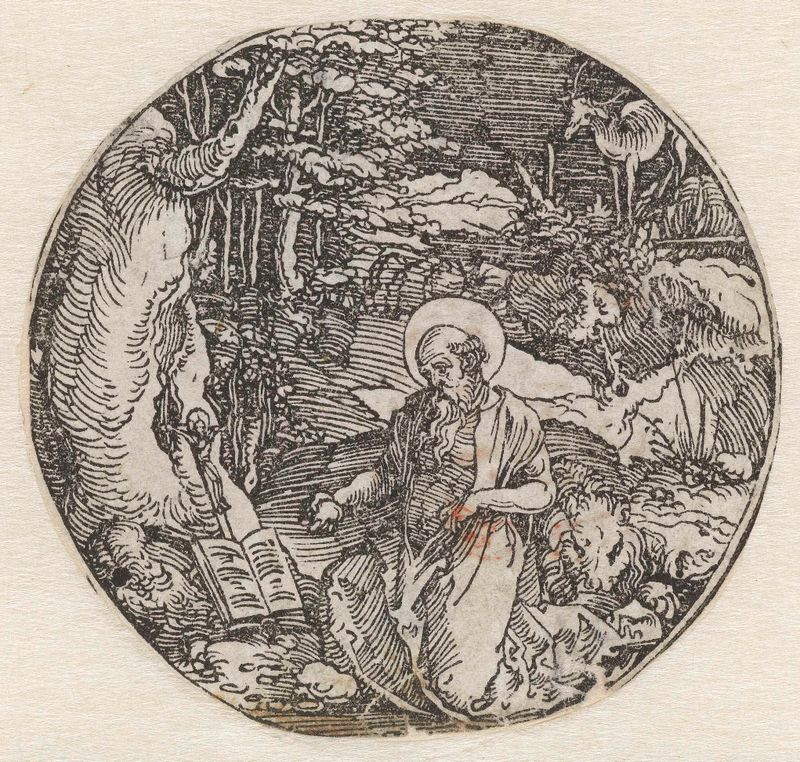
De Heilige Hiëronymus in de wildernis
Hans Springinklee

De geboorte van Christus
Hans Springinklee
More Religious Art
Browse all →
The Return of the Prodigal Son
Rembrandt van Rijn

The Garden of Earthly Delights
El Bosco

Count Orgaz’ funeral
El Greco

The Hundred Guilder Print: the central piece with Christ preaching, the plate arched
Rembrandt van Rijn

The Descent from the Cross
Rogier van der Weyden

The return of the prodigal son
Rembrandt van Rijn