
De Heilige Hiëronymus in de wildernis — History & Facts
Did the painter know this moment would outlive them? In De Heilige Hiëronymus in de wildernis, a profound silence envelops the scene, inviting contemplation of the sacred and the eternal. Look to the left at the figure of Saint Jerome, his expression a blend of introspection and determination. The light cascades through the trees, illuminating his weathered face while deep shadows cradle the surrounding wilderness. Springinklee’s meticulous attention to detail is evident in the textures of Jerome’s robe and the rich greenery, each stroke breathing life into the moment.
The palette, dominated by earthy tones and soft greens, contrasts with the vivid red of his cardinal garb, highlighting his duality as both a scholar and a hermit. Beneath the surface, the painting resonates with themes of solitude and enlightenment. The dense forest surrounding Jerome symbolizes the trials of isolation, while the open sky above suggests the possibility of transcendence. Each element, from the scattered stones to the distant mountains, serves as a reminder of the tension between the earthly and the divine, inviting the viewer to reflect on their own journey toward understanding. Created between 1500 and 1515, this work emerged during a period of significant change in both art and theology.
Hans Springinklee worked in the shadow of the Northern Renaissance, a time when artists sought to explore complex human emotions and spiritual themes. The growing interest in individuality and personal piety shaped the context in which this hauntingly reflective masterpiece was conceived, elevating the spiritual quest to a personal and universal narrative.
More Artworks by Hans Springinklee
Browse all →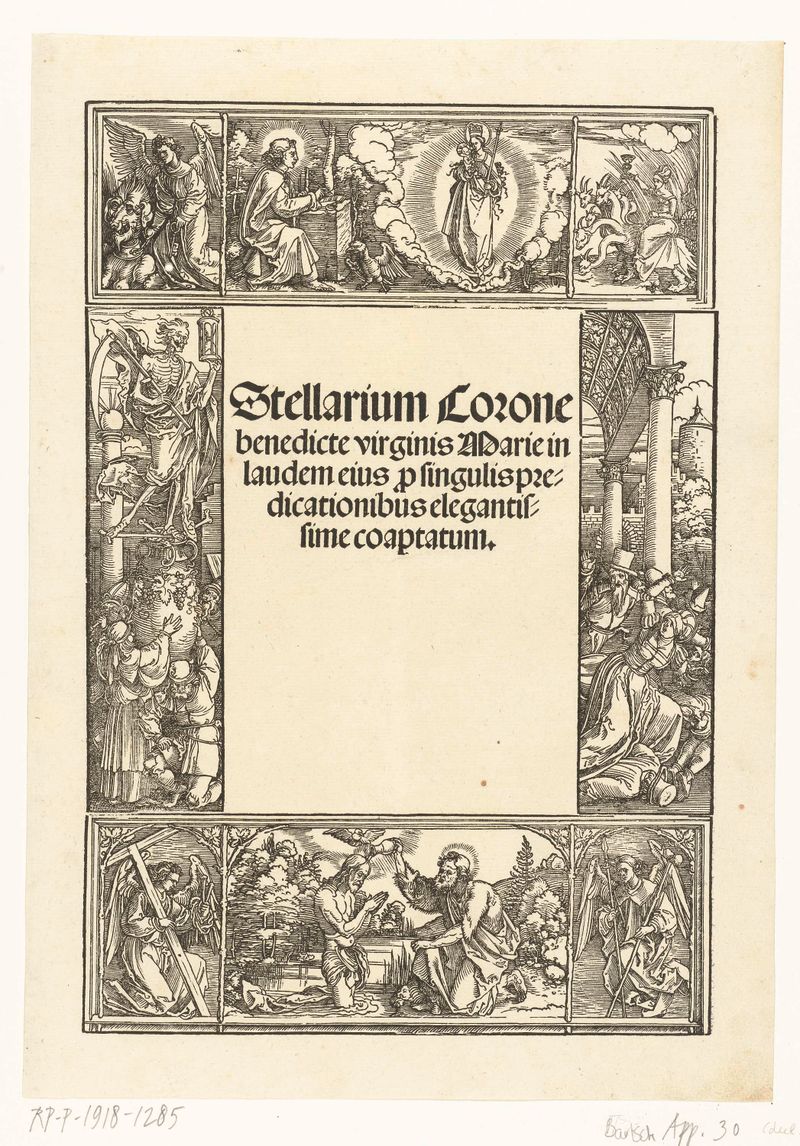
Titelblad met o.a. de doop van Christus en een visioen van Johannes de Evangelist
Hans Springinklee
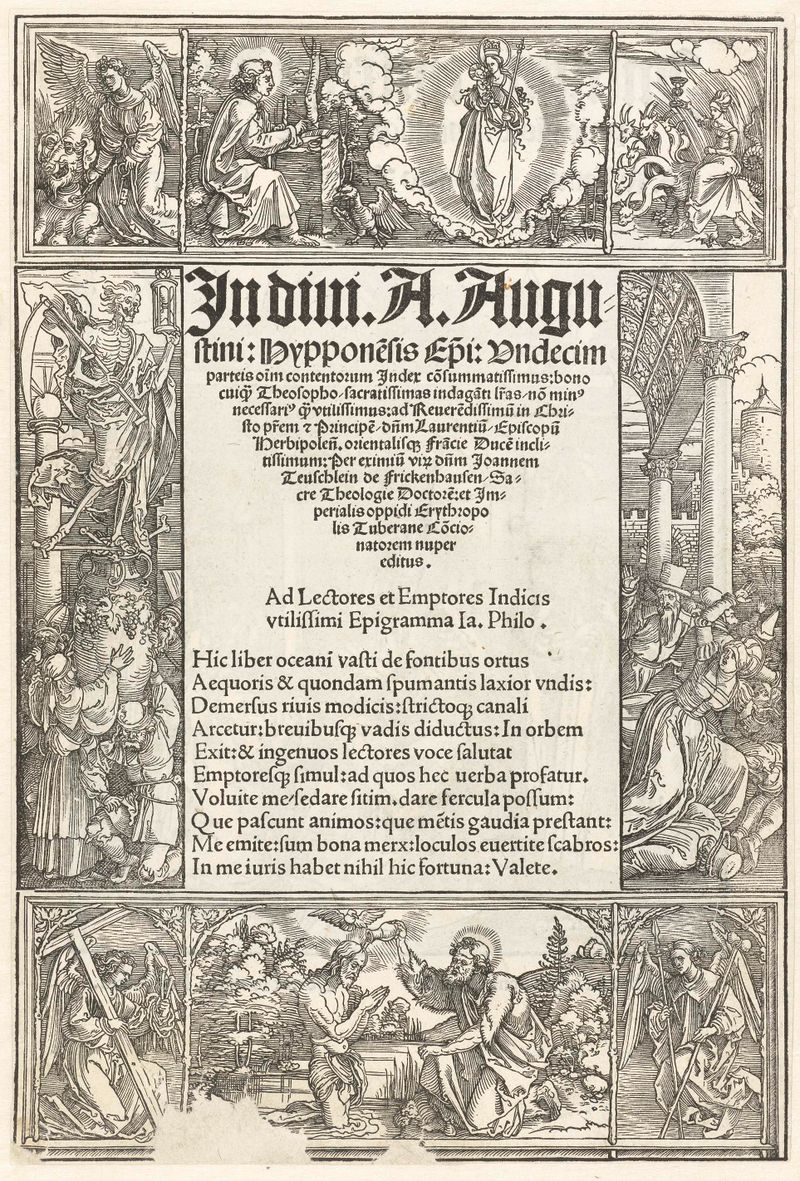
Titelblad met o.a. de doop van Christus en een visioen van Johannes de Evangelist
Hans Springinklee
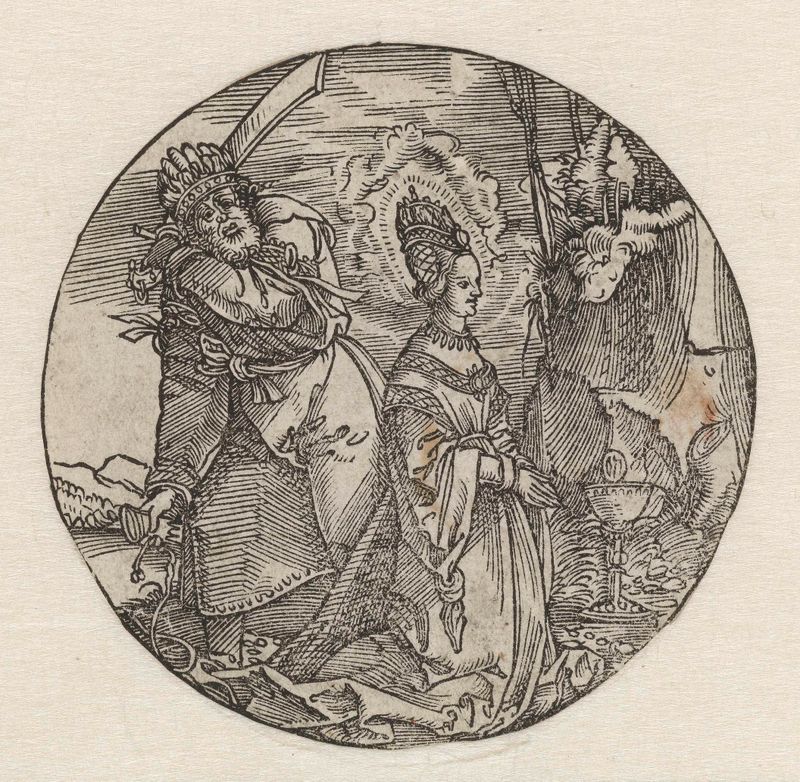
Het martelaarschap van de Heilige Barbara
Hans Springinklee

De Heilige Martinus deelt zijn mantel met een bedelaar
Hans Springinklee
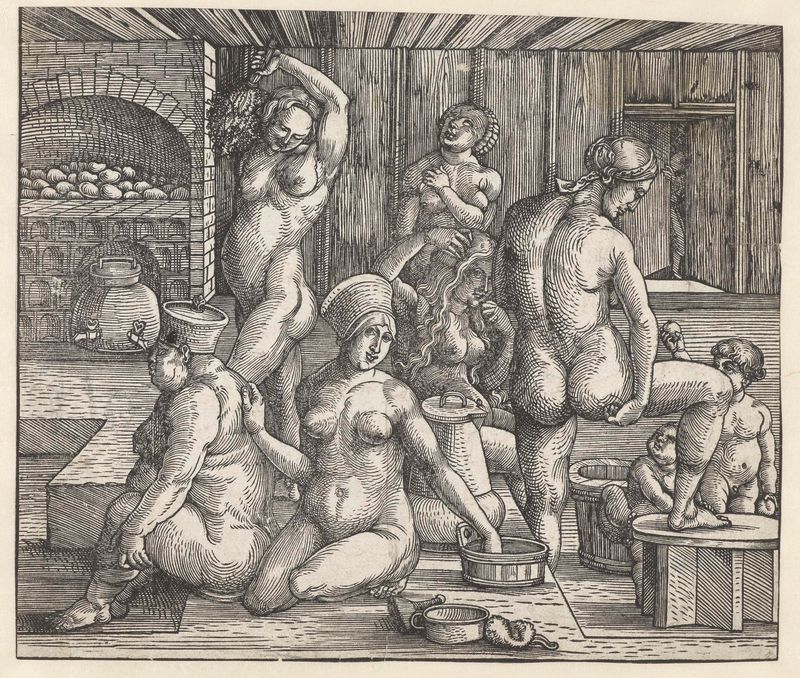
Het vrouwenbad
Hans Springinklee
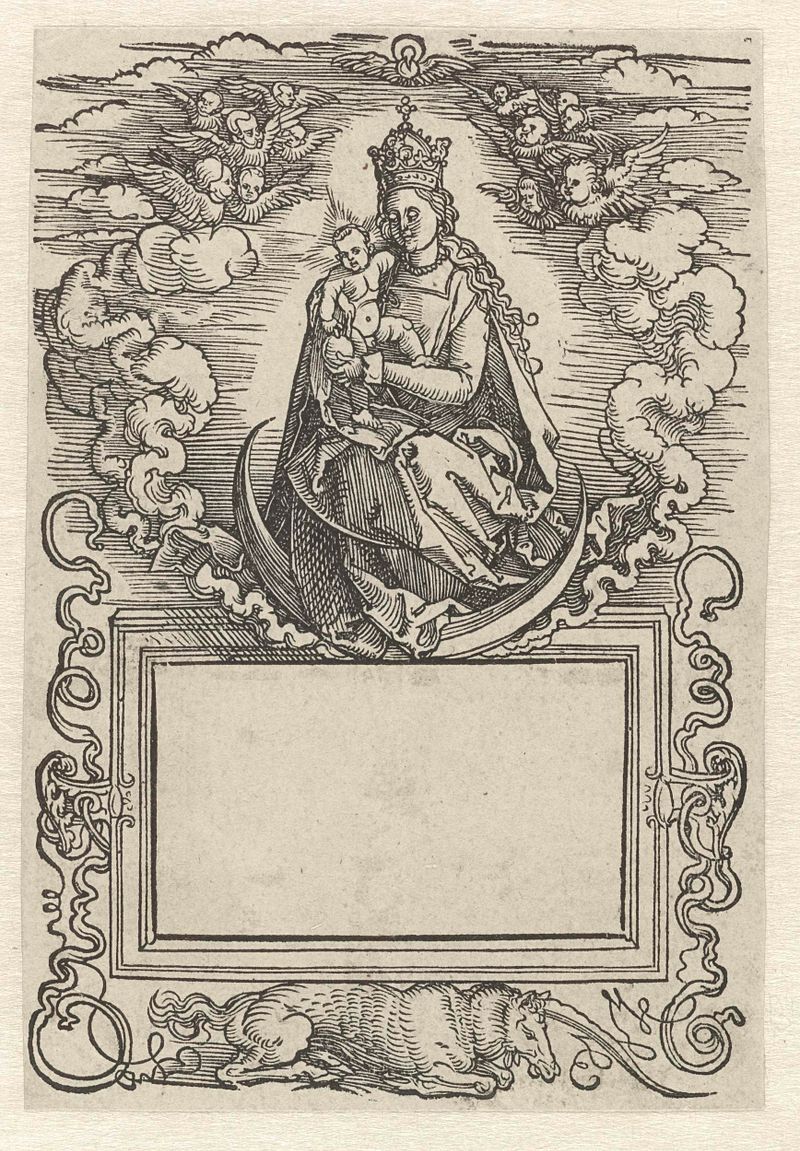
Titelblad met Maria met kind zittend op de maansikkel
Hans Springinklee
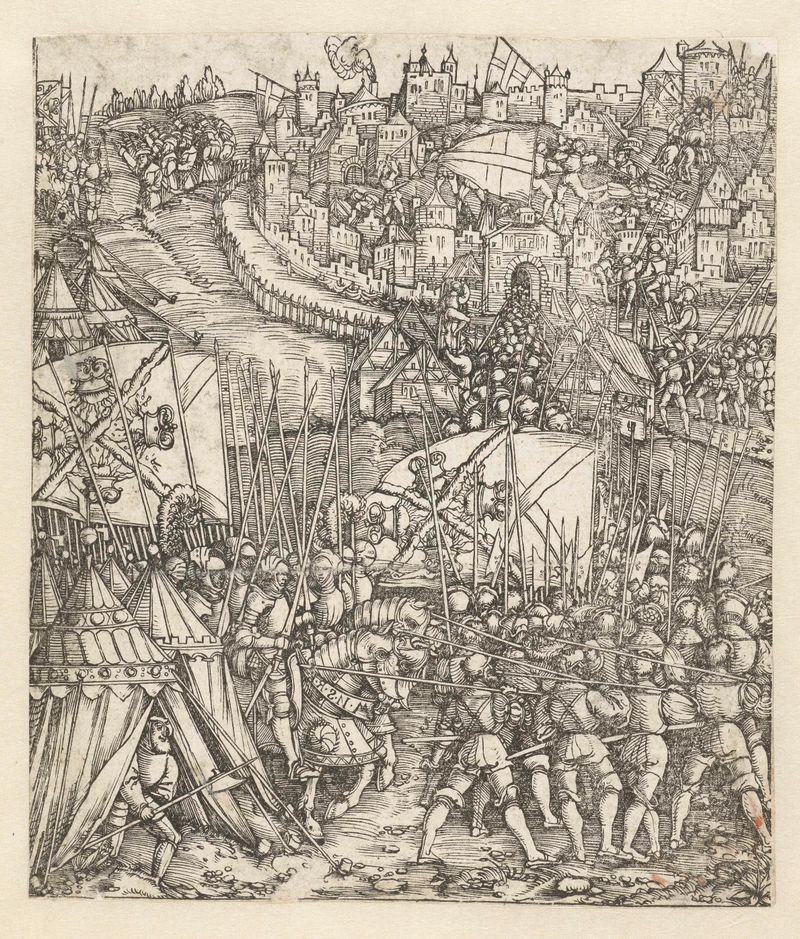
Verovering van Stuhlweissenburg in Hongarije
Hans Springinklee

De aartsengel Michaël verslaat een duivel
Hans Springinklee
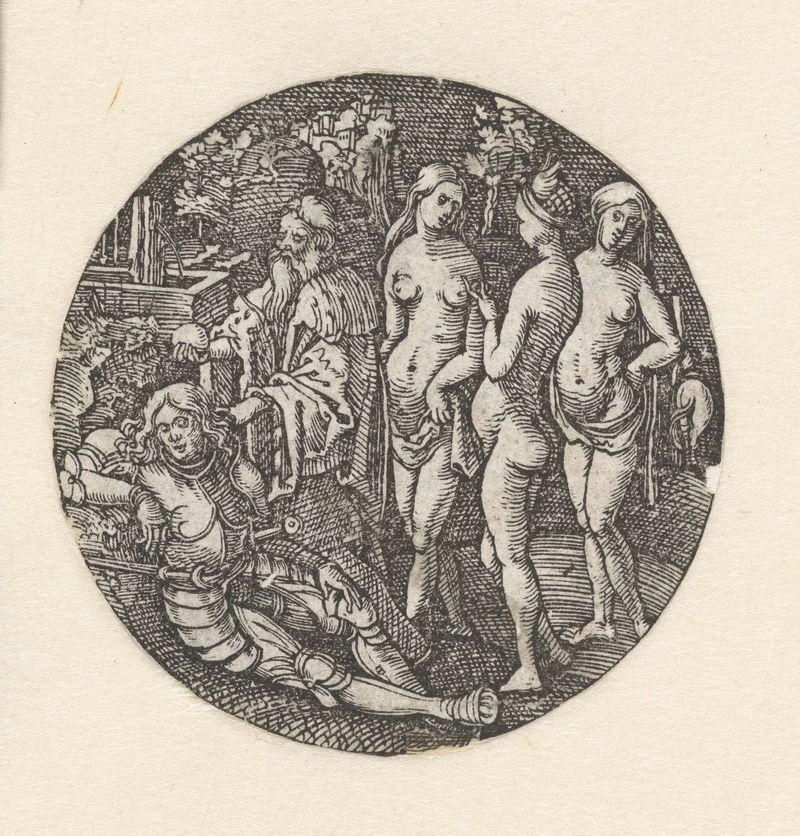
Het oordeel van Paris
Hans Springinklee

De geboorte van Christus
Hans Springinklee
More Religious Art
Browse all →
The Return of the Prodigal Son
Rembrandt van Rijn

The Garden of Earthly Delights
El Bosco

Count Orgaz’ funeral
El Greco

The Hundred Guilder Print: the central piece with Christ preaching, the plate arched
Rembrandt van Rijn

The Descent from the Cross
Rogier van der Weyden

The return of the prodigal son
Rembrandt van Rijn