
Het vrouwenbad — History & Facts
Did the painter know this moment would outlive them? As the gentle ripples in the water shimmer, a sense of yearning pervades the scene, inviting us to reflect on the nature of intimacy and connection. Focus on the left side of the canvas, where a group of women bathes in a sun-drenched pond. Their bodies, adorned with soft, flowing fabrics, create a delicate contrast against the verdant background. The artist’s deft brushwork captures the momentary splashes and laughter, revealing the vibrancy of their youthful exuberance.
Notice how light dances upon the water’s surface, highlighting the curves of their forms and lending an ethereal quality to the scene, as if time itself has paused to observe this intimate gathering. Yet, look closer: the tranquility is undercut by a subtle tension. The gazes of the women vary, some immersed in their playful camaraderie while others seem distant, lost in thought. This juxtaposition hints at an inner reflection, suggesting individual stories that yearn to be told.
The surrounding foliage, lush and inviting, serves as both a sanctuary and a boundary, hinting at the dual nature of privacy and public life in a shared moment of revelry. Created between 1496 and 1501, this work reflects a time when artists began to embrace everyday life as a worthy subject. Springinklee, likely working in the Netherlands, was crafting imagery that highlighted the beauty of human connection while also exploring the emerging notions of individual identity within society. In a rapidly changing world, this painting captures a fleeting moment, one that transcends its time to resonate with viewers centuries later.
More Artworks by Hans Springinklee
Browse all →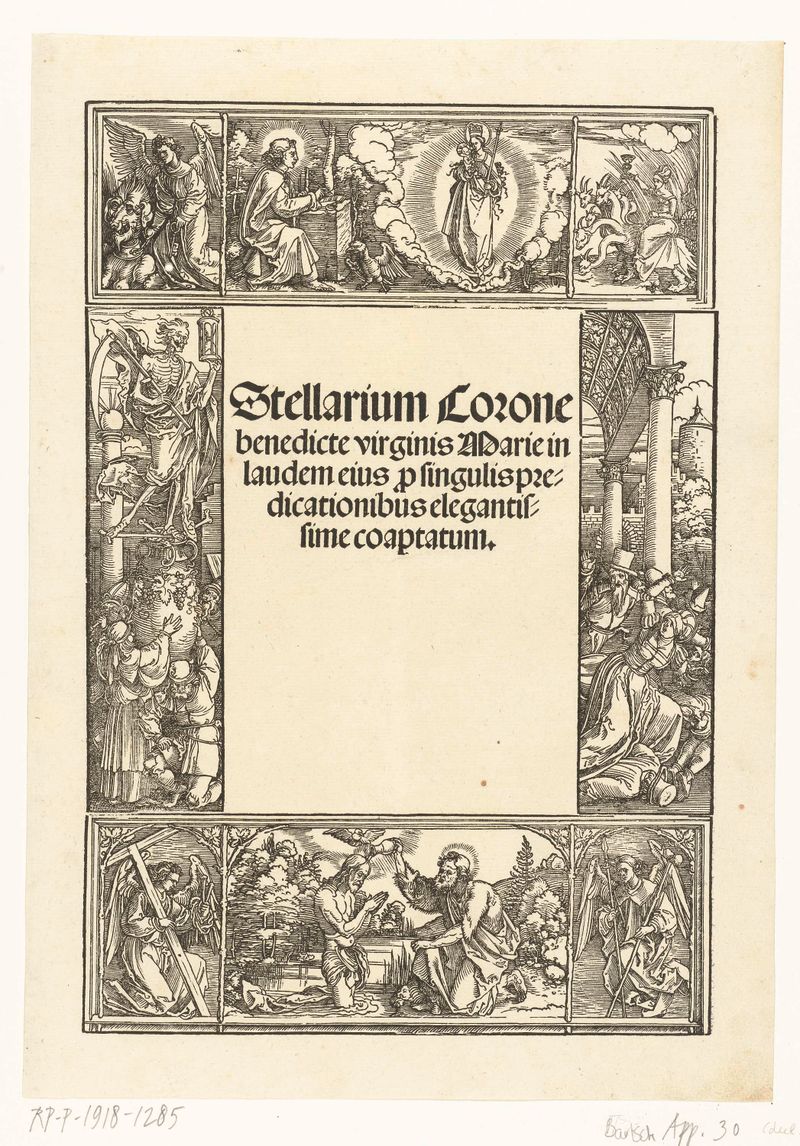
Titelblad met o.a. de doop van Christus en een visioen van Johannes de Evangelist
Hans Springinklee
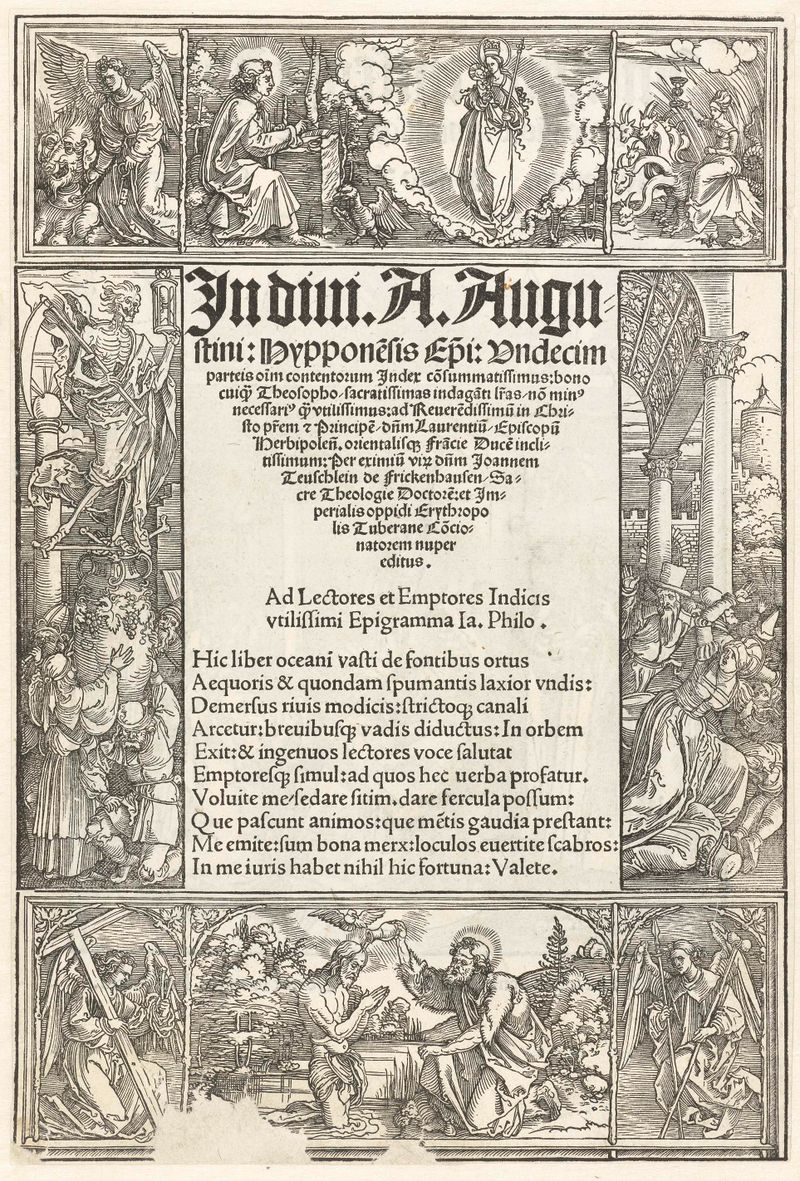
Titelblad met o.a. de doop van Christus en een visioen van Johannes de Evangelist
Hans Springinklee
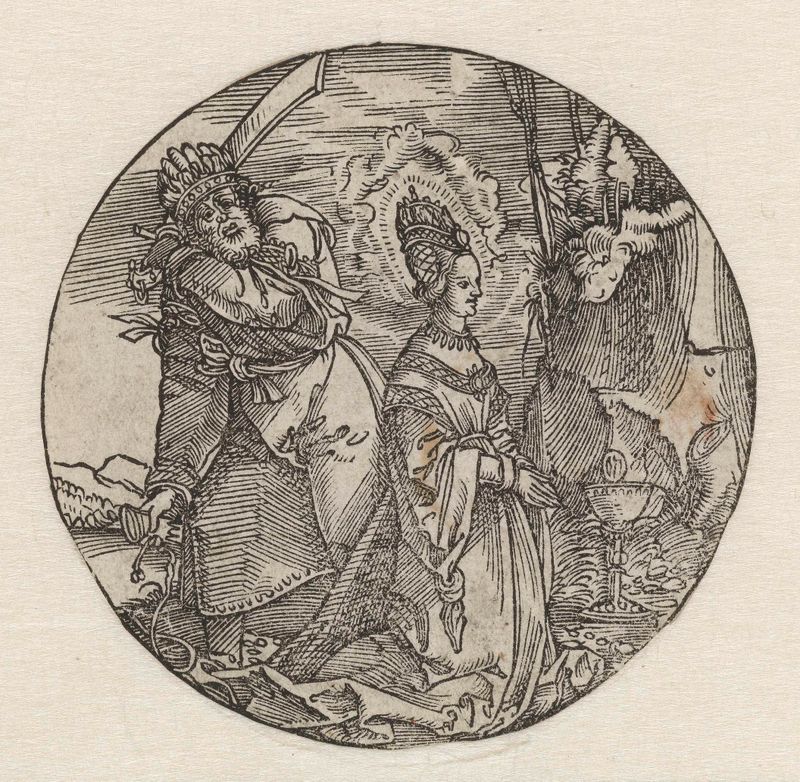
Het martelaarschap van de Heilige Barbara
Hans Springinklee

De Heilige Martinus deelt zijn mantel met een bedelaar
Hans Springinklee
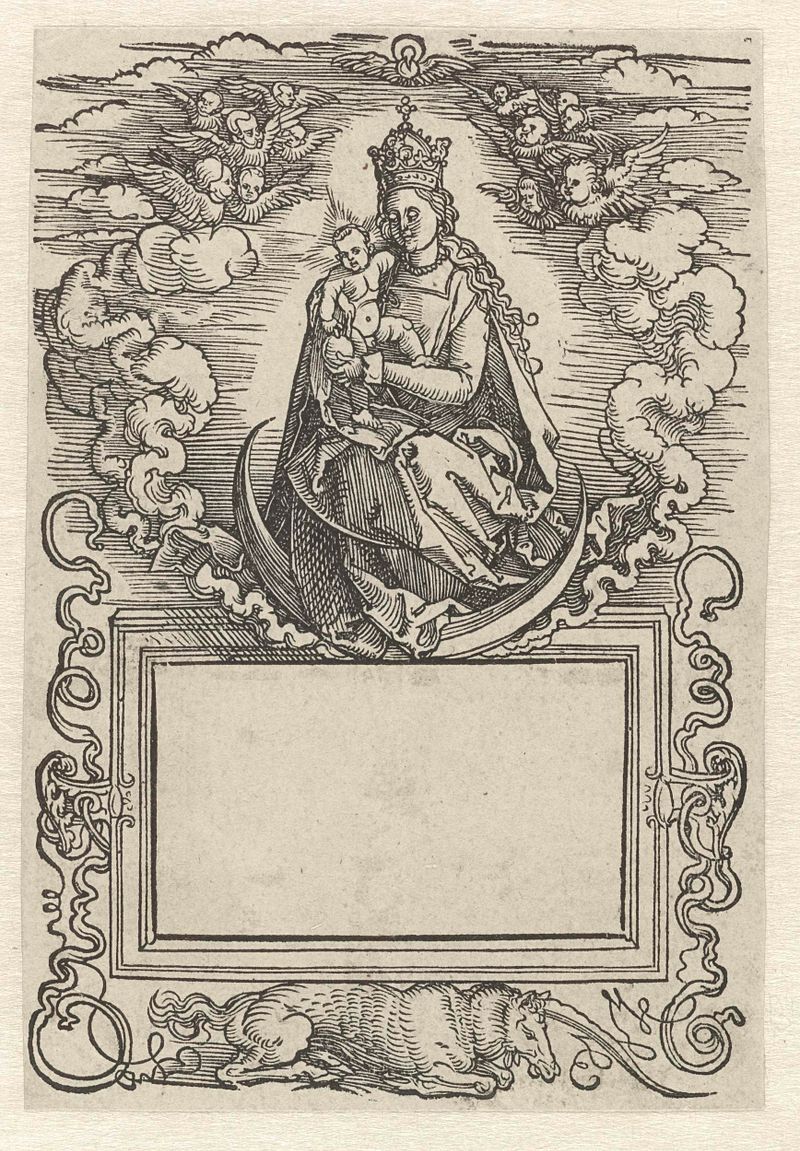
Titelblad met Maria met kind zittend op de maansikkel
Hans Springinklee
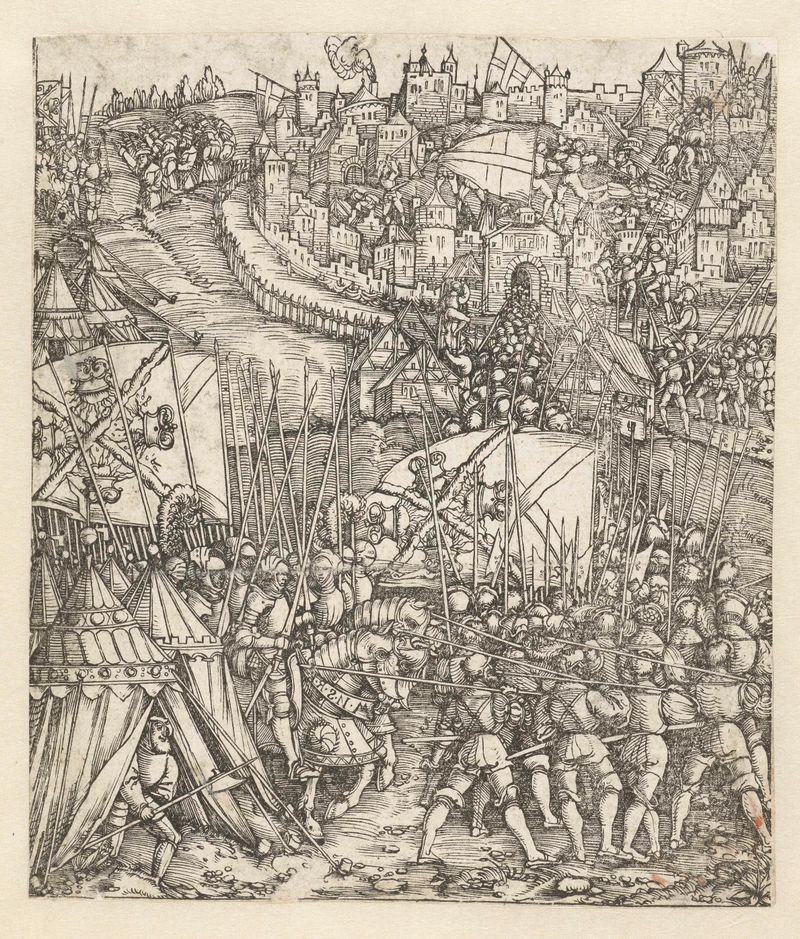
Verovering van Stuhlweissenburg in Hongarije
Hans Springinklee

De aartsengel Michaël verslaat een duivel
Hans Springinklee
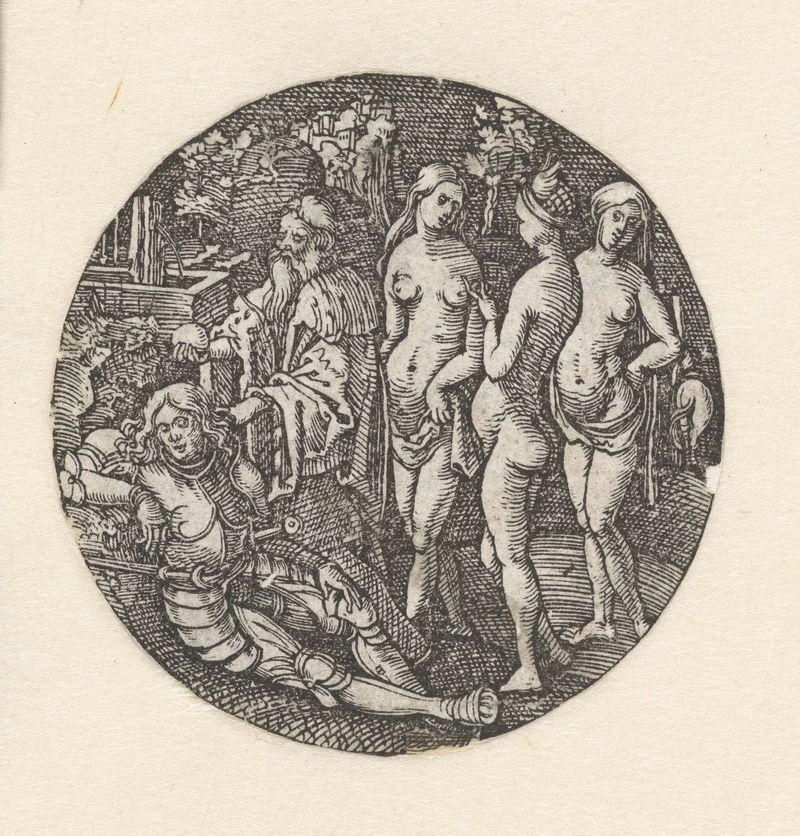
Het oordeel van Paris
Hans Springinklee
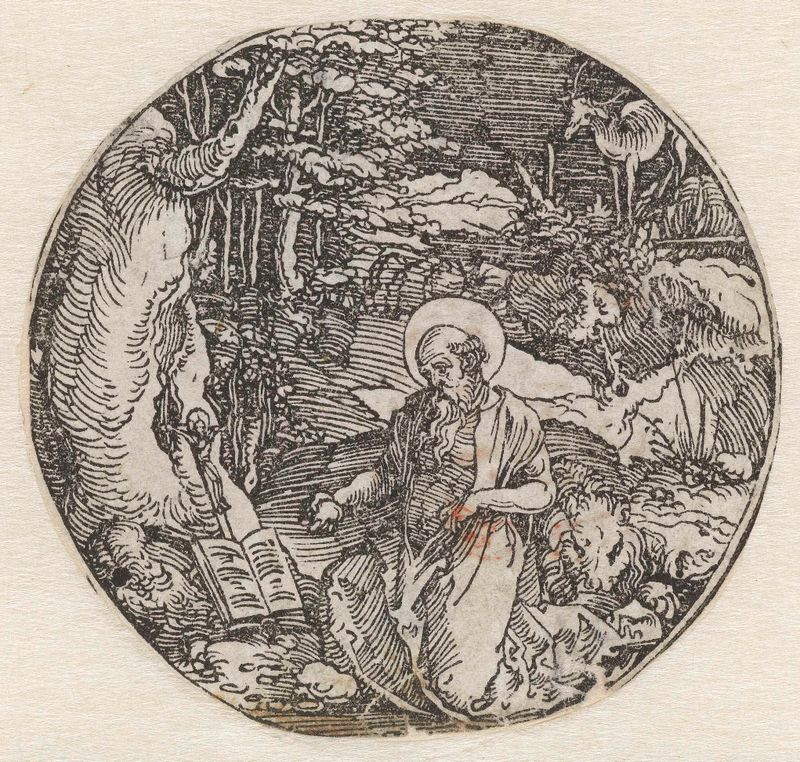
De Heilige Hiëronymus in de wildernis
Hans Springinklee

De geboorte van Christus
Hans Springinklee





