
Verovering van Stuhlweissenburg in Hongarije — History & Facts
When did color learn to lie? The world of art often conceals deeper truths beneath its vibrant surface, and this piece is a prime example of that chaotic interplay between representation and reality. Look closely at the center of the composition, where a tumult of figures swirls in a chaotic dance of conflict. Notice how the dark, stormy blues and reds mingle, forming a tempestuous backdrop that frames the scene's central action—soldiers vigorously engaged in conquest. The sharp lines and dynamic postures of the figures convey not only their physical exertion but also the emotional intensity of the moment.
The artist's meticulous attention to detail, from the textures of armor to the expressions of determination and despair, invites the viewer into this tumultuous world. As you scan the painting, the contrast between the vibrant colors and the brutal violence becomes stark. The chaos of the battlefield, filled with both valiant warriors and fallen victims, evokes a profound reflection on the duality of human ambition and suffering. The artist's use of light further accentuates this tension, casting a harsh glare on the triumphs while leaving the losses shrouded in shadow.
Each brushstroke seems to pulse with the energy of conflict, suggesting that even victory comes at a painful cost. Hans Springinklee created this work in 1515, during a period of significant political and social upheaval in Europe. Working in the context of the Northern Renaissance, he was influenced by both the burgeoning interest in humanism and the tumult of warfare impacting the region. This painting, emerging from the artist's own experiences and the collective anxieties of his time, encapsulates a moment where art not only reflects the chaos of the world but also challenges the viewer to confront the complexities of human endeavor.
More Artworks by Hans Springinklee
Browse all →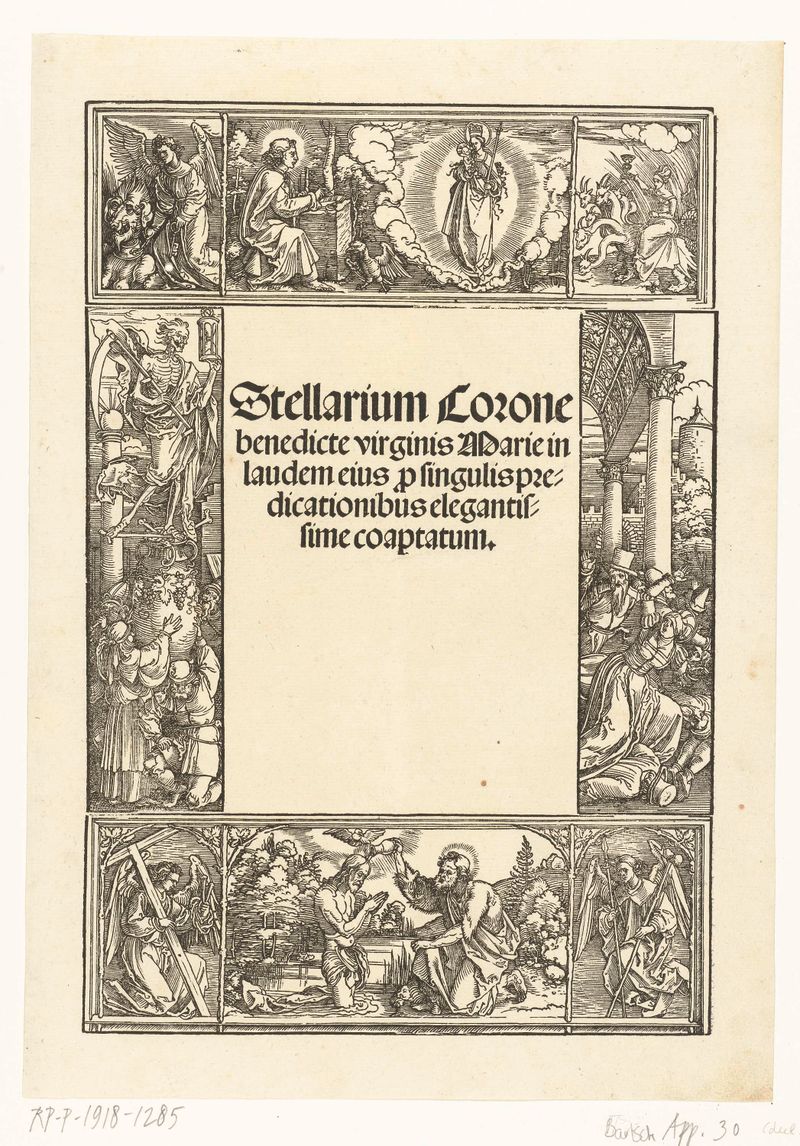
Titelblad met o.a. de doop van Christus en een visioen van Johannes de Evangelist
Hans Springinklee
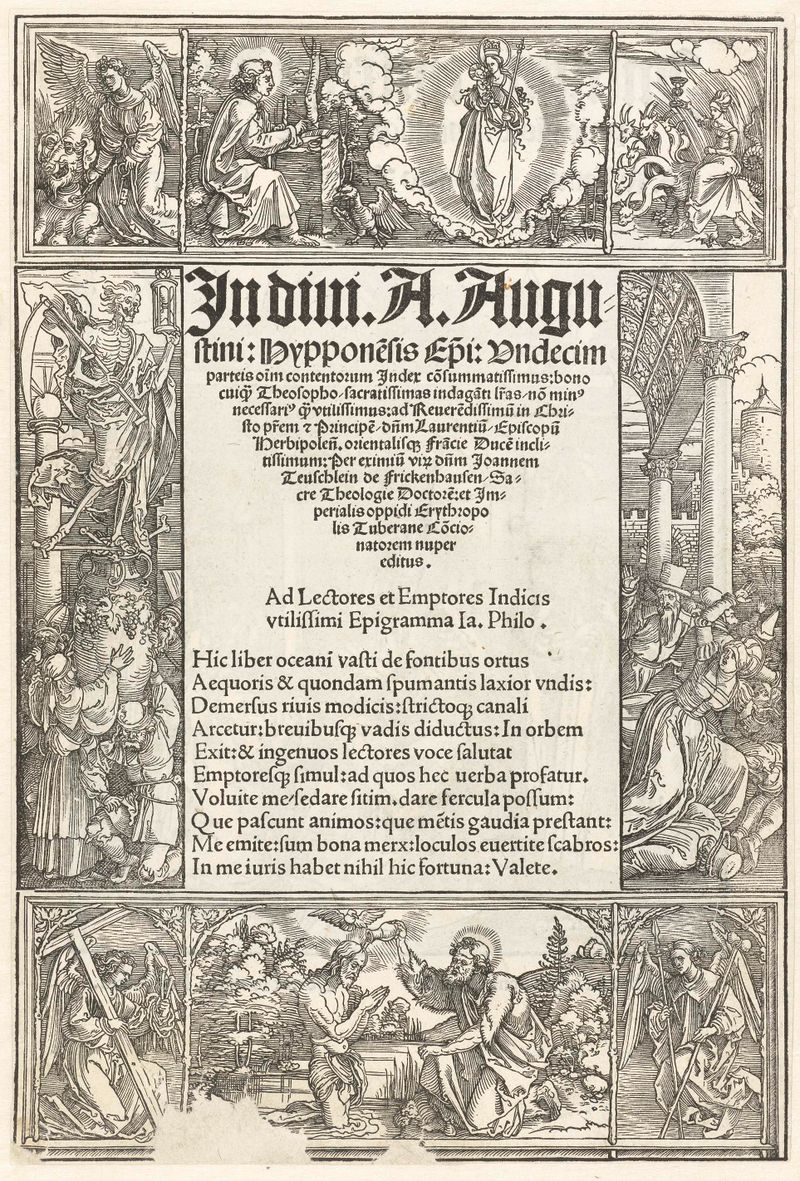
Titelblad met o.a. de doop van Christus en een visioen van Johannes de Evangelist
Hans Springinklee
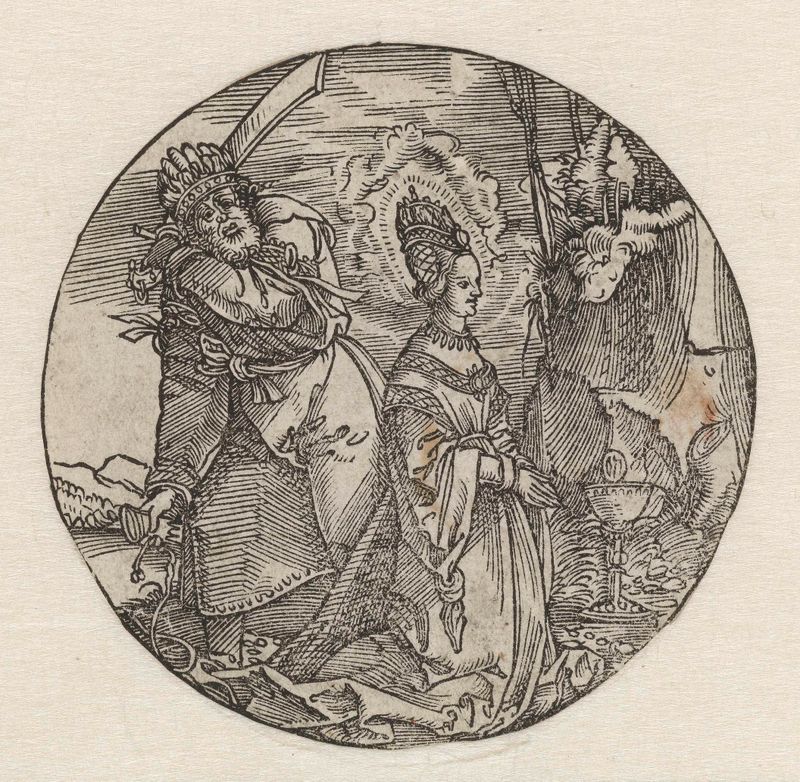
Het martelaarschap van de Heilige Barbara
Hans Springinklee

De Heilige Martinus deelt zijn mantel met een bedelaar
Hans Springinklee
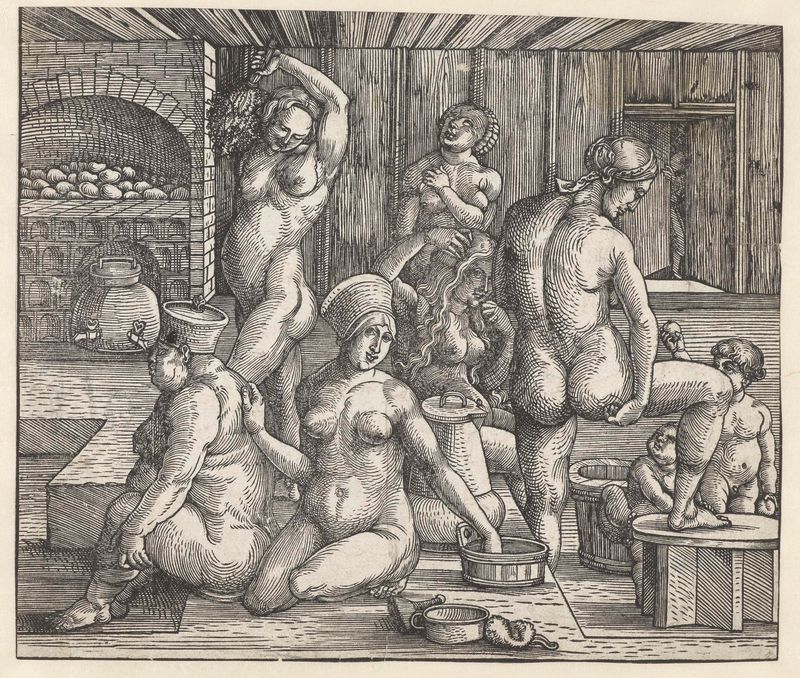
Het vrouwenbad
Hans Springinklee
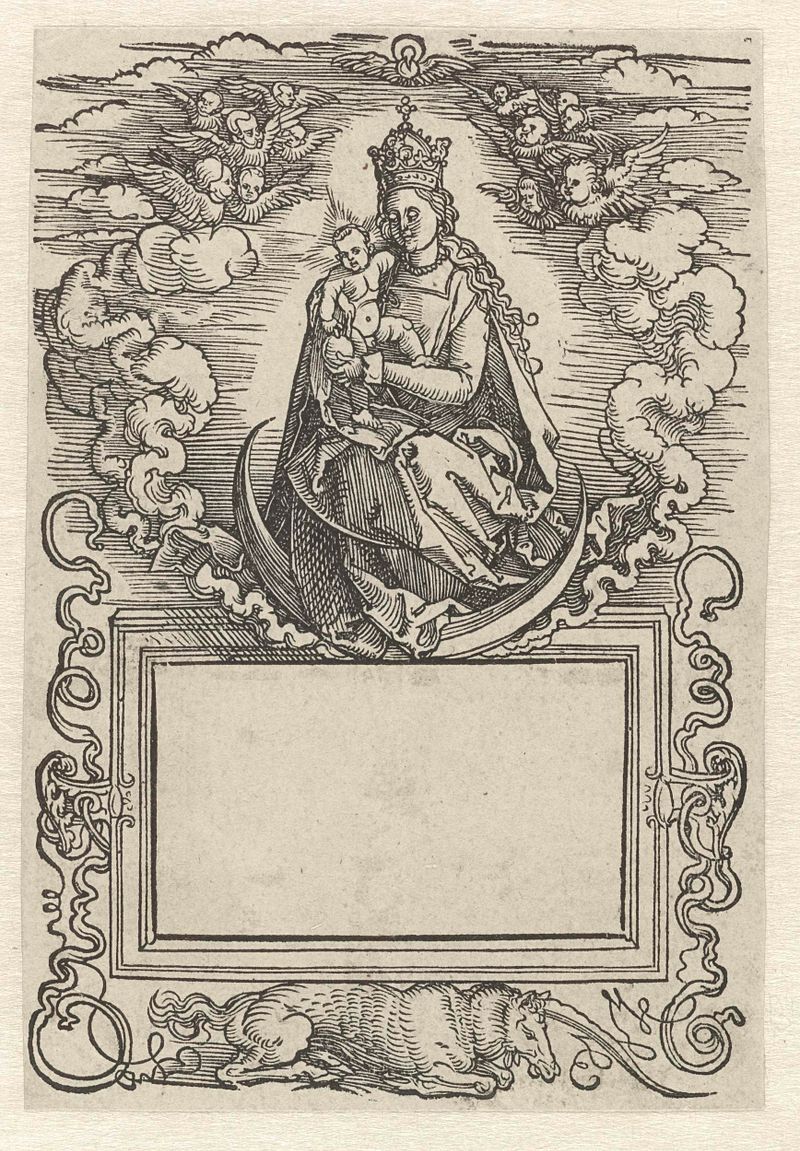
Titelblad met Maria met kind zittend op de maansikkel
Hans Springinklee

De aartsengel Michaël verslaat een duivel
Hans Springinklee
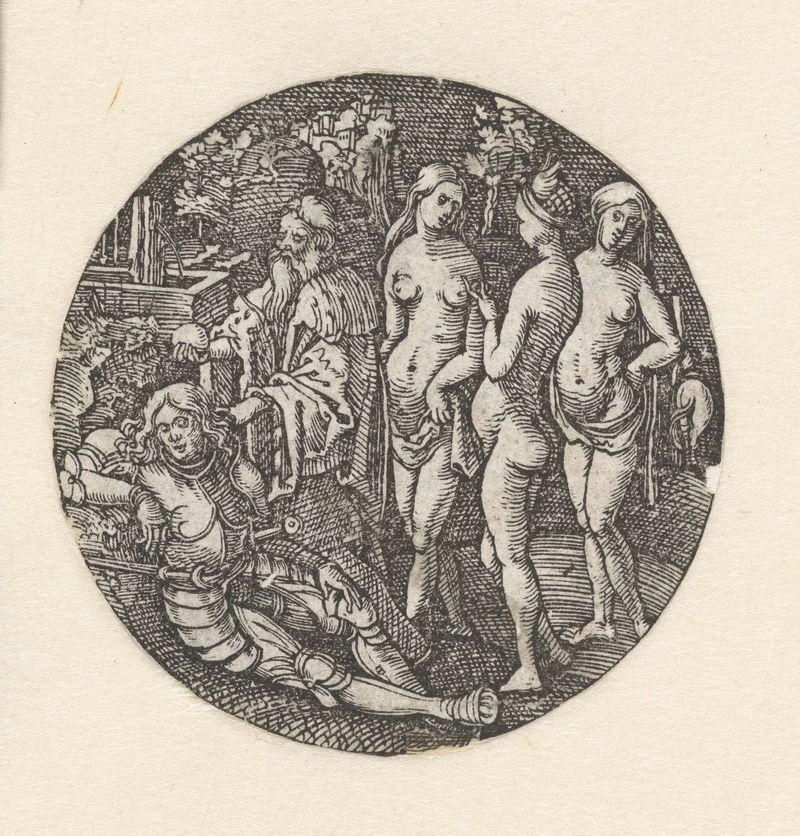
Het oordeel van Paris
Hans Springinklee
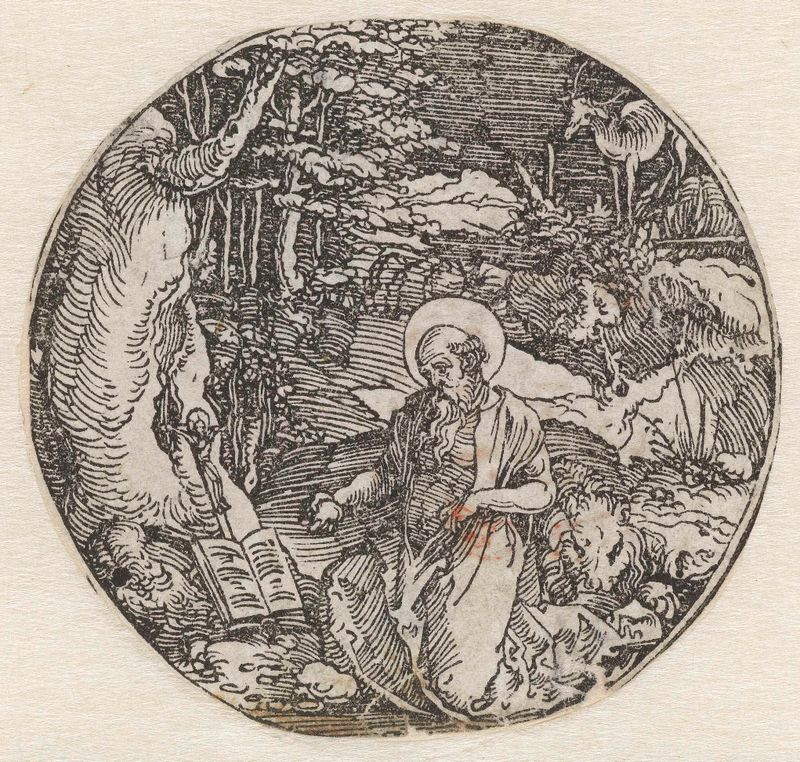
De Heilige Hiëronymus in de wildernis
Hans Springinklee

De geboorte van Christus
Hans Springinklee
More Historical Art
Browse all →
The Night Watch Militia Company of District II under the Command of Captain Frans Banninck Cocq
Rembrandt van Rijn

Lincoln Memorial
Henry Bacon

The Third of May 1808
Francisco de Goya

Isaac and Rebecca, Known as ‘The Jewish Bride’
Rembrandt van Rijn

The Charge of the Mamelukes (1814)
Francisco de Goya

De vier ruiters van de apocalyps
Albrecht Dürer