
De Heilige Martinus deelt zijn mantel met een bedelaar — History & Facts
Could beauty survive in a century of chaos? In an era marked by turmoil, the act of sharing seems to ripple through time, inviting reflection on compassion and human connection. Look closely at the central figures: the noble St. Martin, his garb rich in texture and color, stands poised as he divides his cloak. Notice how the warmth of the fabric contrasts against the cold, muted tones of the beggar’s tattered attire.
The composition draws your eye to the rich blues and golds that envelop Martin, while shadows accentuate the beggar's despair, emphasizing the stark divide between their worlds. The use of light, as it dances across their forms, captures a divine moment of charity. Delve deeper into the painting's emotional core. The shared cloak signifies not just physical warmth but a deeper spiritual connection that transcends societal divides.
The void between the two figures highlights the struggle between privilege and poverty, illustrating a poignant tension that resonates with contemporary audiences. Every brushstroke encapsulates a moment of selflessness, suggesting that even in moments of despair, there exists the potential for beauty and kindness. Created between 1500 and 1516, this work emerged during a time of significant social and religious upheaval in Europe. Hans Springinklee, an artist from the Northern Renaissance, navigated a world where art was evolving, responding to themes of humanism and spirituality.
In this context, the painting captures a timeless message of empathy, urging viewers to recognize the beauty found in acts of generosity amid chaos.
More Artworks by Hans Springinklee
Browse all →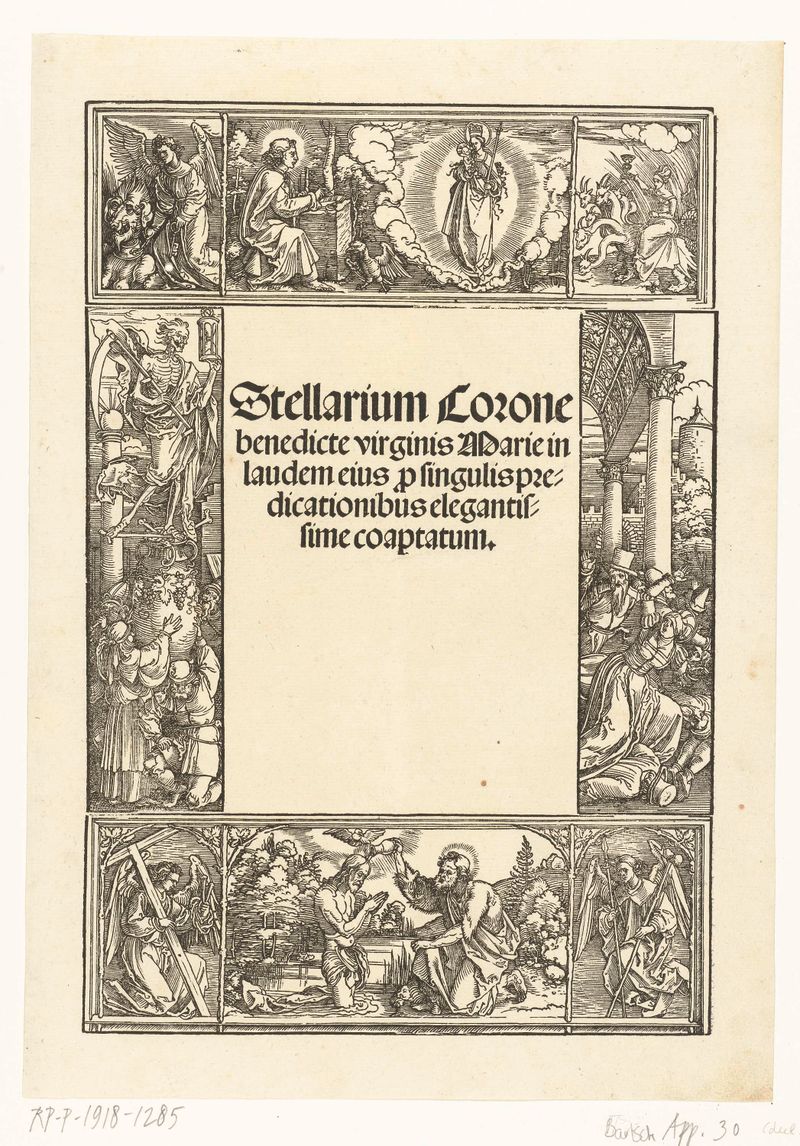
Titelblad met o.a. de doop van Christus en een visioen van Johannes de Evangelist
Hans Springinklee
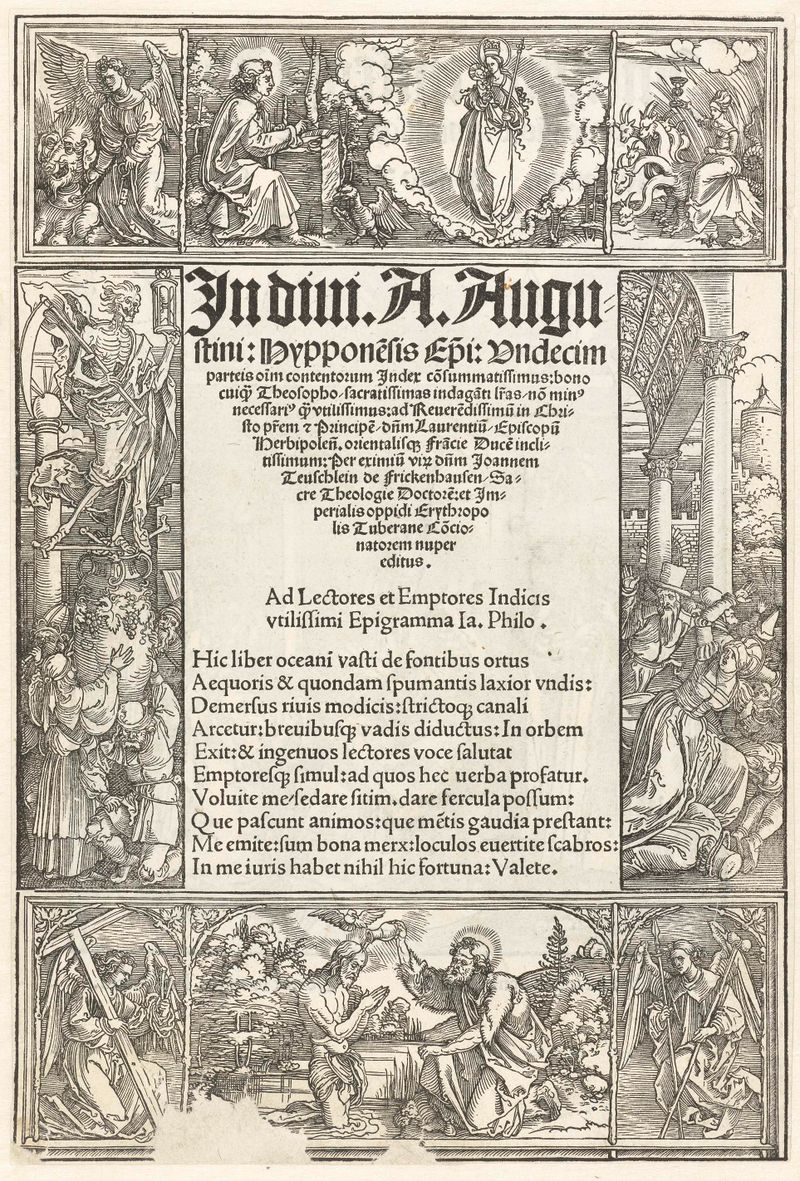
Titelblad met o.a. de doop van Christus en een visioen van Johannes de Evangelist
Hans Springinklee
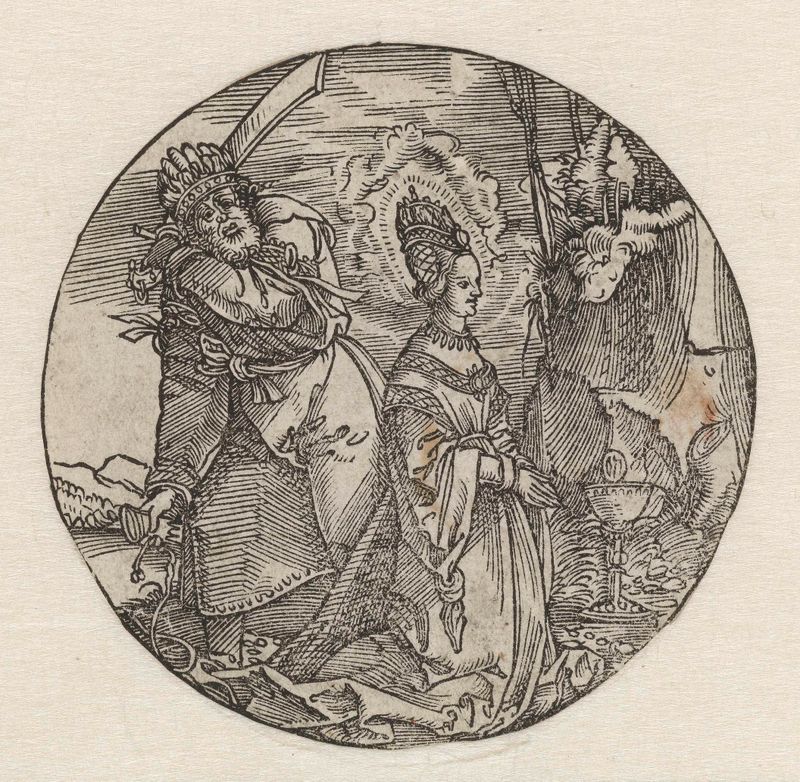
Het martelaarschap van de Heilige Barbara
Hans Springinklee
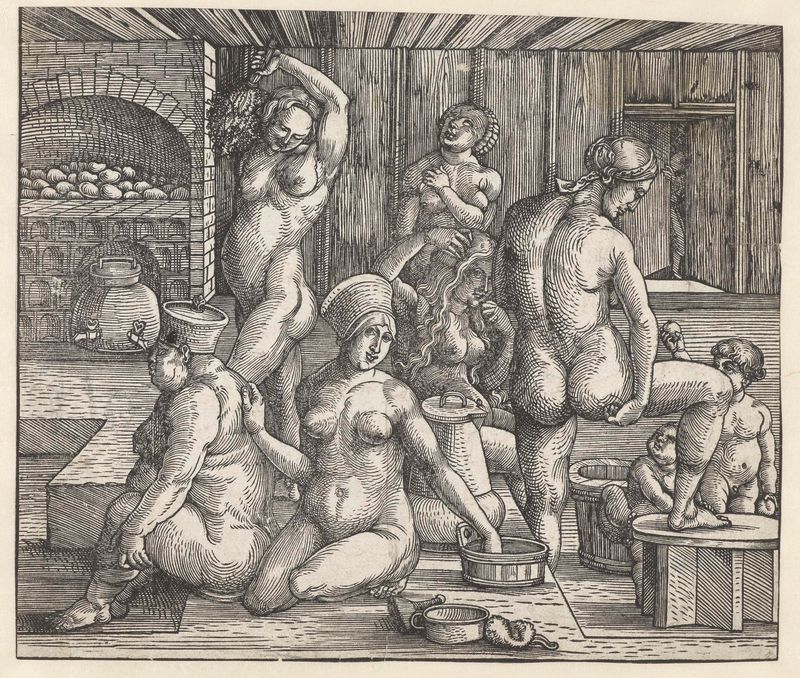
Het vrouwenbad
Hans Springinklee
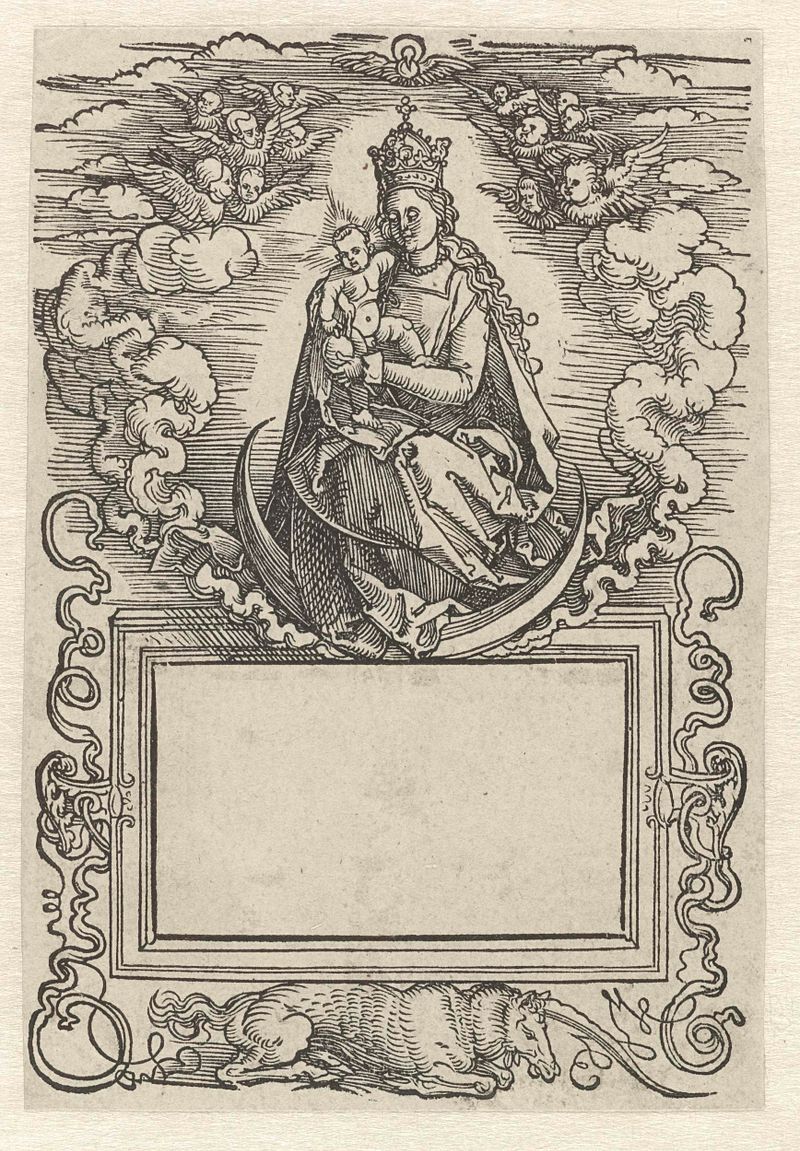
Titelblad met Maria met kind zittend op de maansikkel
Hans Springinklee
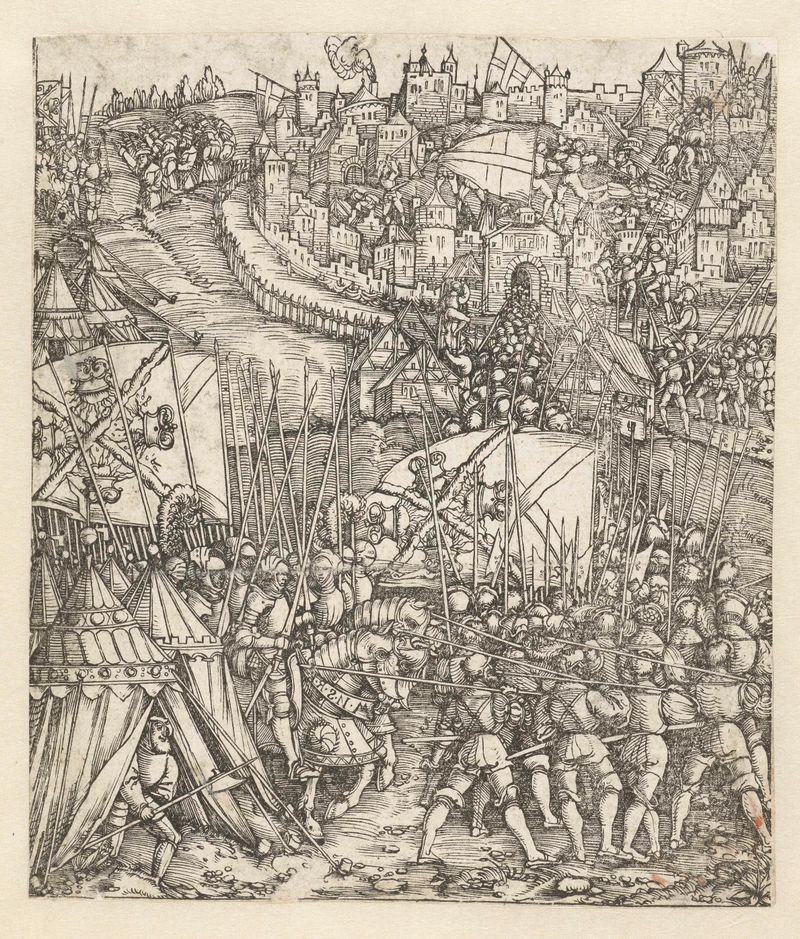
Verovering van Stuhlweissenburg in Hongarije
Hans Springinklee

De aartsengel Michaël verslaat een duivel
Hans Springinklee
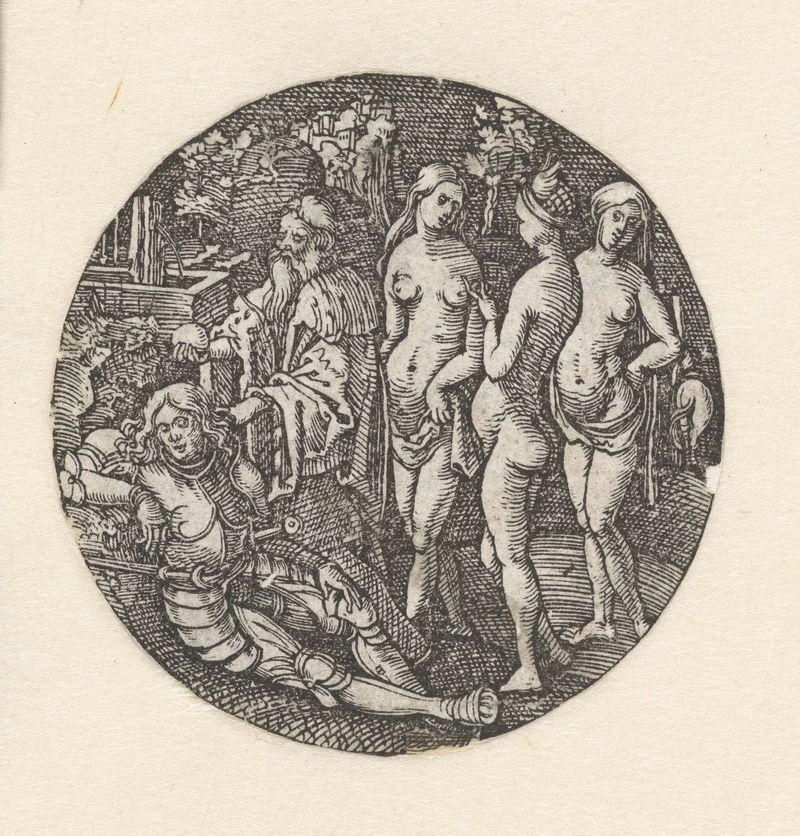
Het oordeel van Paris
Hans Springinklee
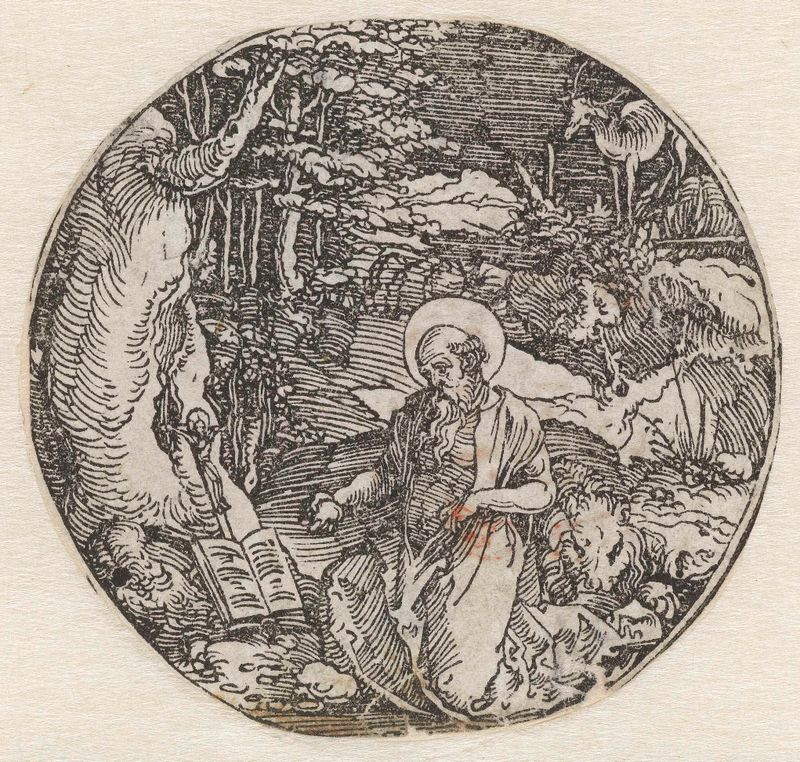
De Heilige Hiëronymus in de wildernis
Hans Springinklee

De geboorte van Christus
Hans Springinklee
More Religious Art
Browse all →
The Return of the Prodigal Son
Rembrandt van Rijn

The Garden of Earthly Delights
El Bosco

Count Orgaz’ funeral
El Greco

The Hundred Guilder Print: the central piece with Christ preaching, the plate arched
Rembrandt van Rijn

The Descent from the Cross
Rogier van der Weyden

The return of the prodigal son
Rembrandt van Rijn