
Het martelaarschap van de Heilige Barbara — History & Facts
In the realm of art, loss is often the uninvited guest, lingering in the shadows of vibrant hues. In Het martelaarschap van de Heilige Barbara, the viewer's gaze is drawn immediately to the figure of Saint Barbara, a radiant presence at the center. Her expression, a blend of stoic grace and deep sorrow, commands attention, while the background's muted tones provide a stark contrast to her illuminated form. Notice how the gold and crimson of her garments flicker against the darker palette, emphasizing both her prominence and her plight.
The intricate details of her martyrdom unfold in the surrounding figures, their gestures amplifying the tension and narrative of the scene. As you examine the painting, consider the symbolism woven through its layers. The tower behind Barbara, a representation of her entrapment, stands as a silent witness to her suffering. The delicate flowers at her feet seem to whisper of fragility and fleeting life, reminding us of beauty amidst tragedy.
Here, loss is not merely a backdrop but a palpable force, framing every brushstroke and hue, inviting reflection on the nature of sacrifice and resilience. Created between 1512 and 1522, this piece emerged in a time when the Northern Renaissance was flourishing, marked by a growing interest in detailed realism and emotional expression. Hans Springinklee was influenced by the socio-religious upheavals of his era, challenging norms and reflecting on the complexities of faith and human experience. This work stands as a testament to his skill and the poignant exploration of loss that permeated both his life and the world of art at the time.
More Artworks by Hans Springinklee
Browse all →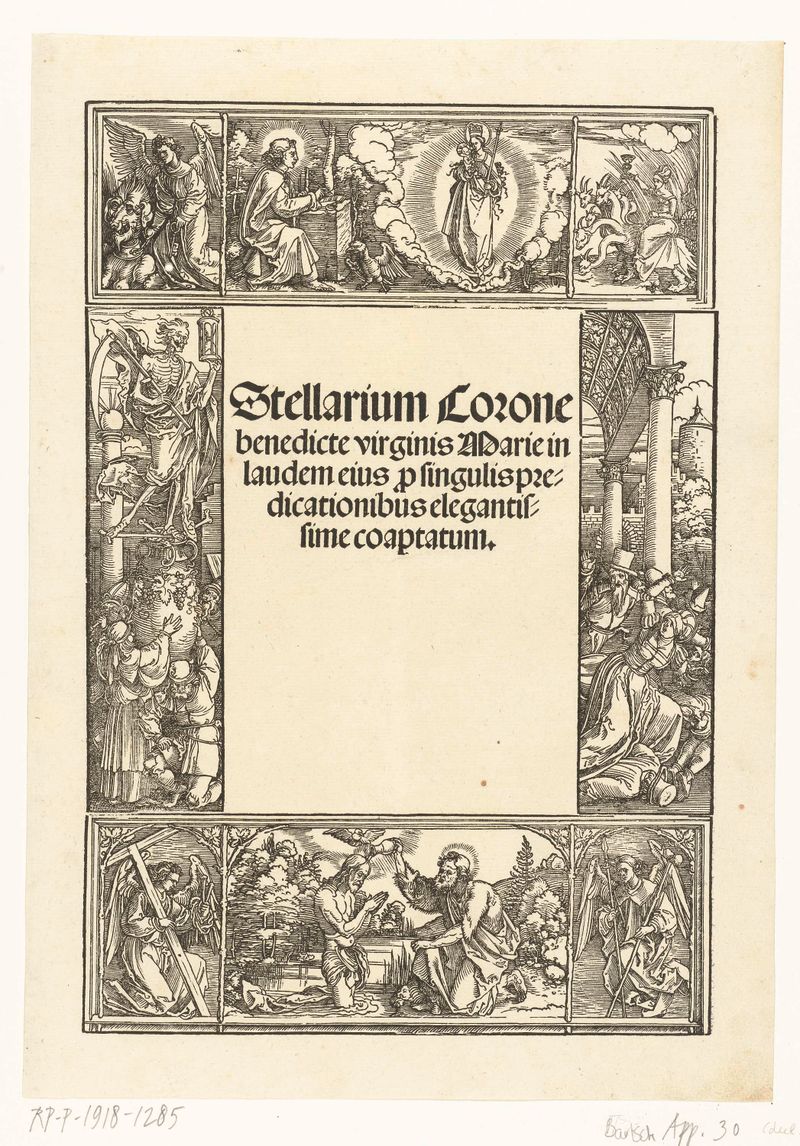
Titelblad met o.a. de doop van Christus en een visioen van Johannes de Evangelist
Hans Springinklee
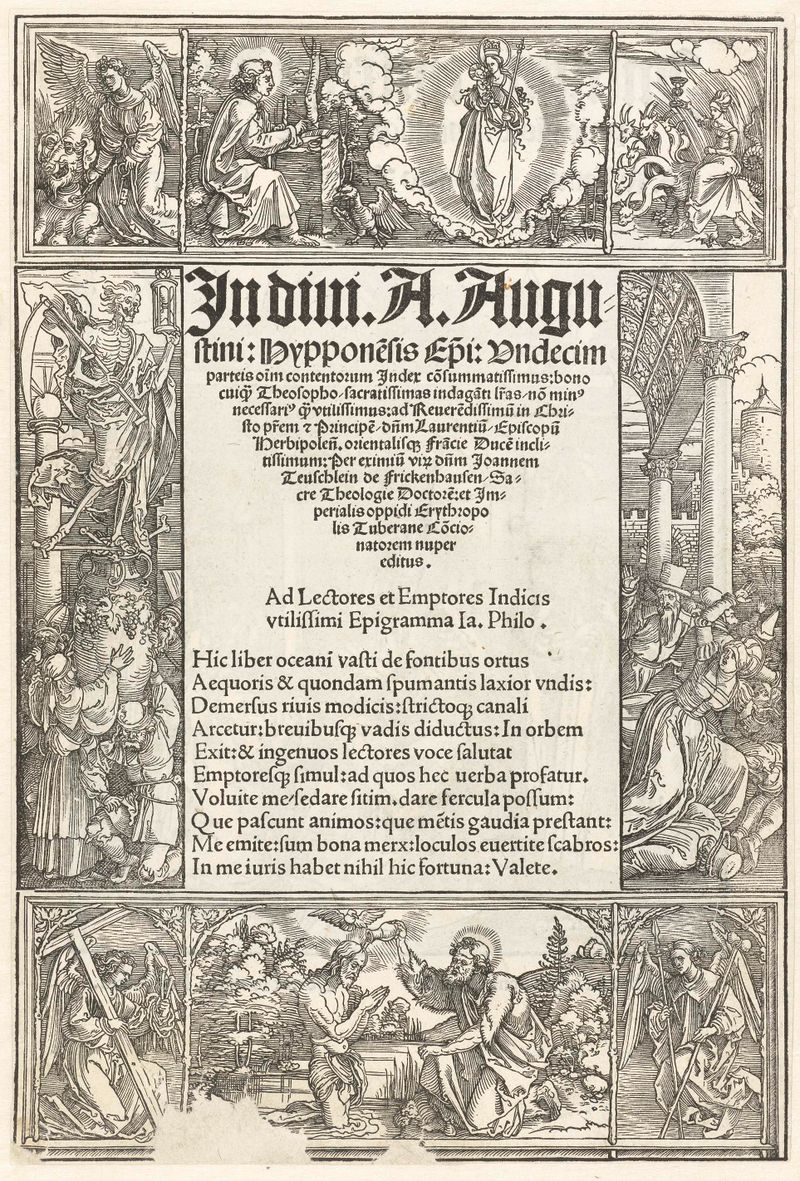
Titelblad met o.a. de doop van Christus en een visioen van Johannes de Evangelist
Hans Springinklee

De Heilige Martinus deelt zijn mantel met een bedelaar
Hans Springinklee
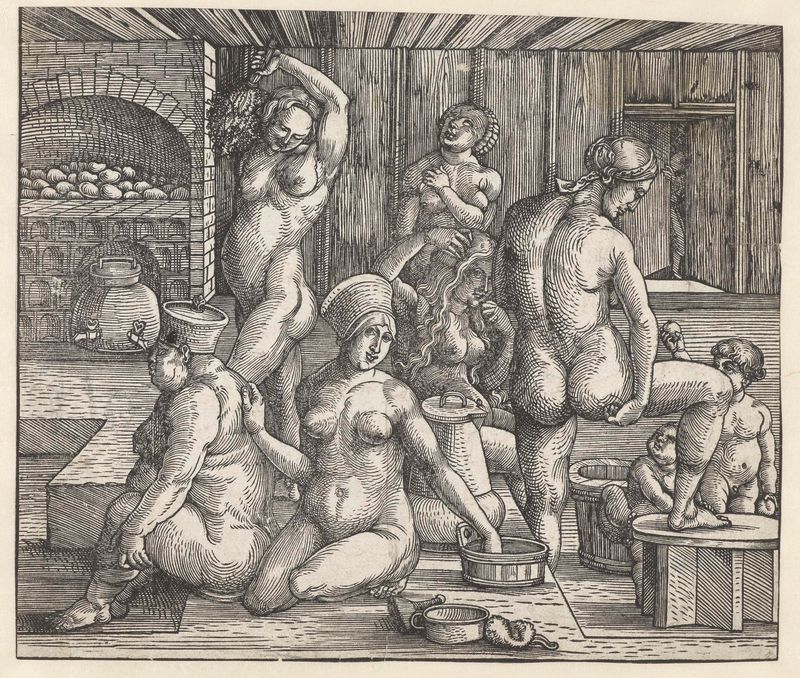
Het vrouwenbad
Hans Springinklee
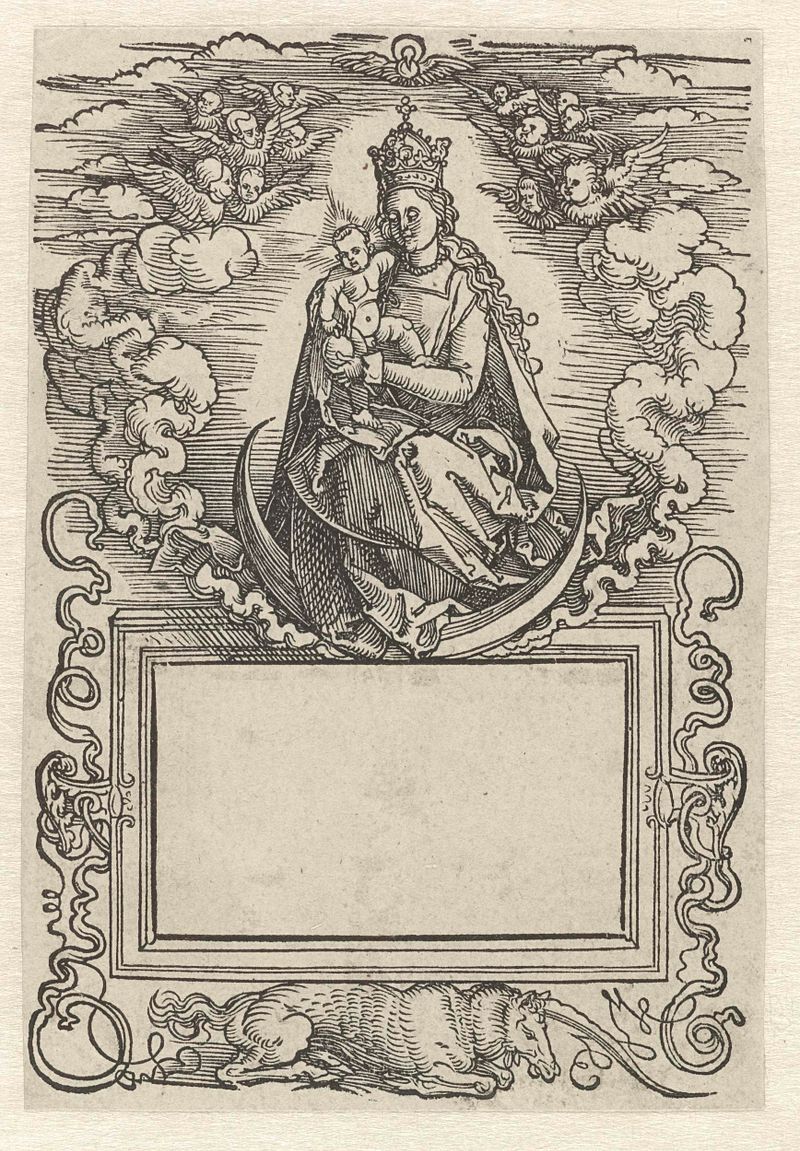
Titelblad met Maria met kind zittend op de maansikkel
Hans Springinklee
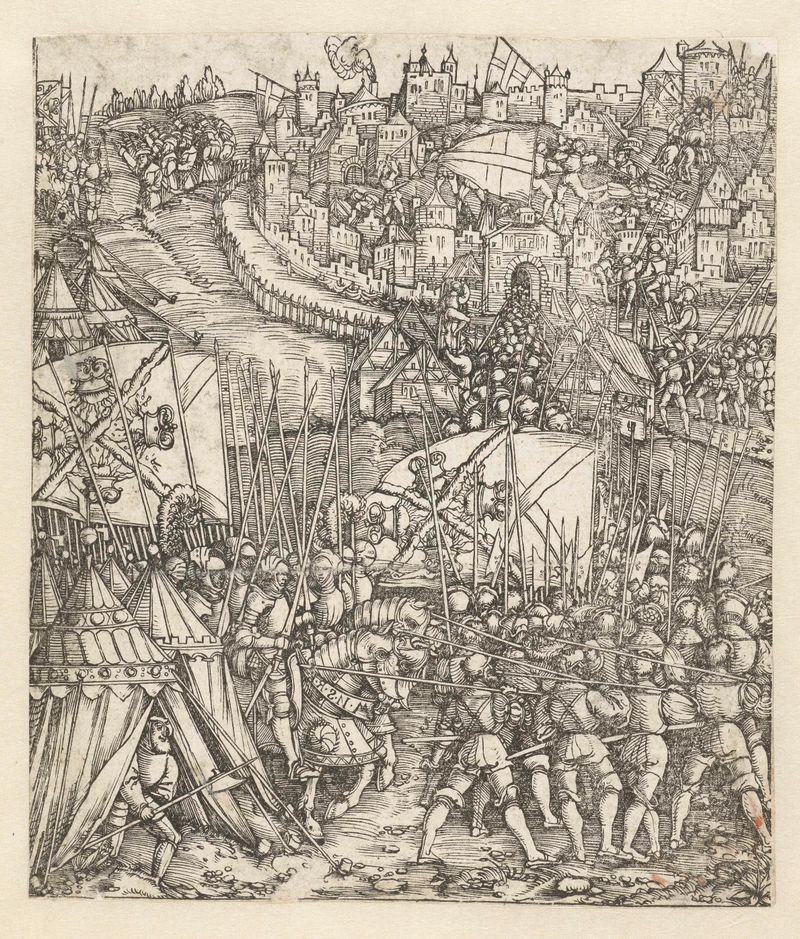
Verovering van Stuhlweissenburg in Hongarije
Hans Springinklee

De aartsengel Michaël verslaat een duivel
Hans Springinklee
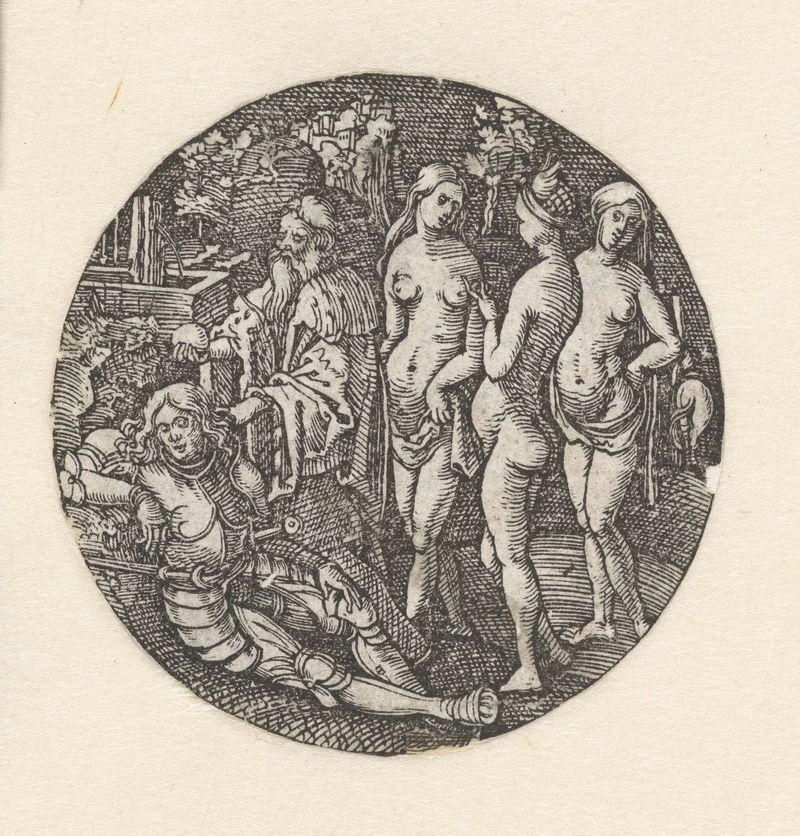
Het oordeel van Paris
Hans Springinklee
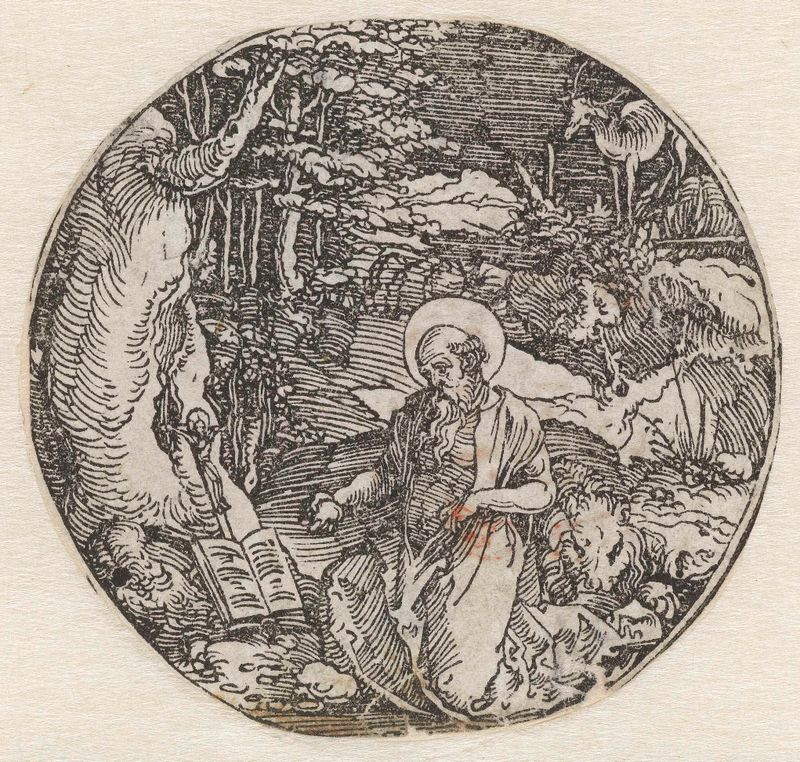
De Heilige Hiëronymus in de wildernis
Hans Springinklee

De geboorte van Christus
Hans Springinklee
More Religious Art
Browse all →
The Return of the Prodigal Son
Rembrandt van Rijn

The Garden of Earthly Delights
El Bosco

Count Orgaz’ funeral
El Greco

The Hundred Guilder Print: the central piece with Christ preaching, the plate arched
Rembrandt van Rijn

The Descent from the Cross
Rogier van der Weyden

The return of the prodigal son
Rembrandt van Rijn