
De geboorte van Christus — History & Facts
Can paint confess what words never could? In De geboorte van Christus, a radiant tableau unfolds, offering a glimpse into the divine moment of birth infused with hope and renewal. Look to the center where the infant Christ lies in a humble cradle, bathed in a soft, golden light that casts a halo around his serene face. Notice how the delicate strokes of the artist reveal the intricate details of the figures surrounding him—Mary’s tender gaze, Joseph’s protective posture, and the ethereal presence of angels hovering above. The muted color palette of deep blues and warm earth tones envelops the scene, allowing the luminosity of the child to emerge as the focal point, symbolizing both innocence and divinity. Amid the joy of birth, a subtle tension pulses through the composition.
The contrasting expressions of awe and reverence on the faces of the onlookers reflect a profound understanding of the significance of this moment, echoing the fears and hopes of humanity. The juxtaposition of the simple stable and the celestial beings speaks to the profound connection between the earthly and the divine—a reminder that hope often emerges in the most unexpected places. Hans Springinklee created this work in 1520 during a period when the Reformation was stirring Europe, challenging traditional religious representations. Working in the heart of Germany, Springinklee sought to convey deeper spiritual truths through his art, emphasizing the birth of Christ not only as a historical event but as a transformative moment for all of humanity.
In this pivotal era, his piece encapsulates the essence of hope, beckoning viewers to contemplate its enduring power.
More Artworks by Hans Springinklee
Browse all →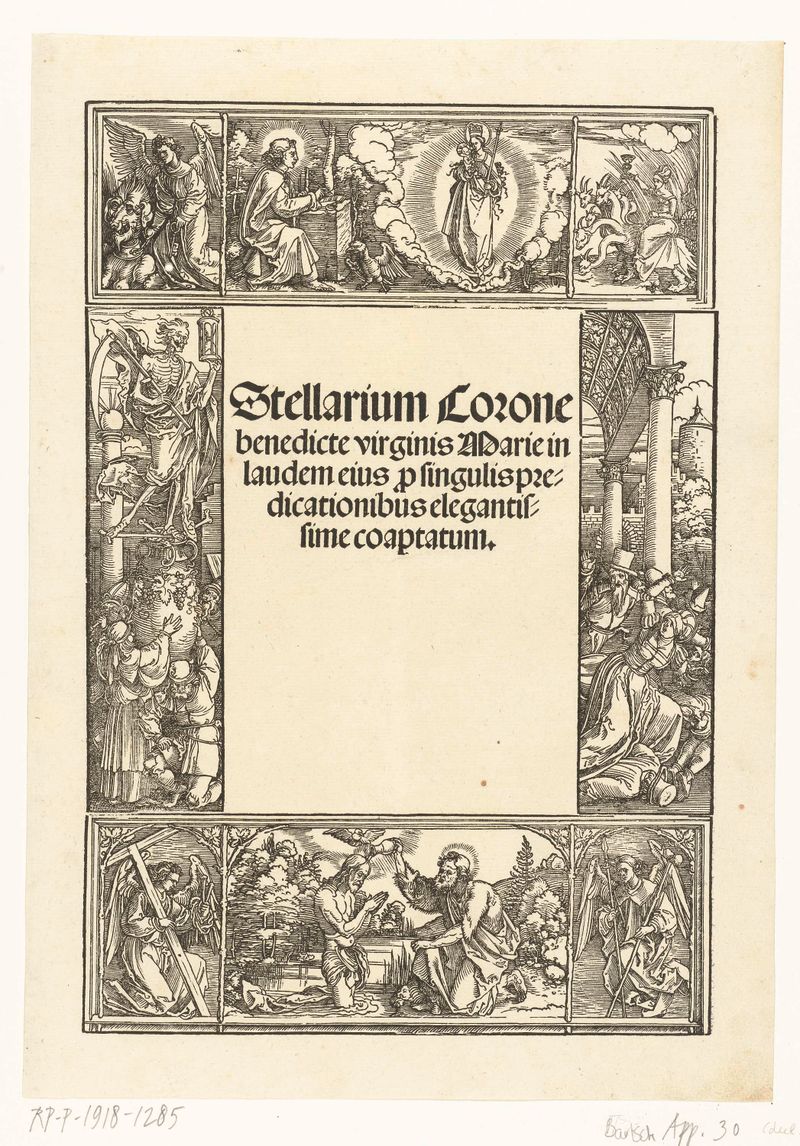
Titelblad met o.a. de doop van Christus en een visioen van Johannes de Evangelist
Hans Springinklee
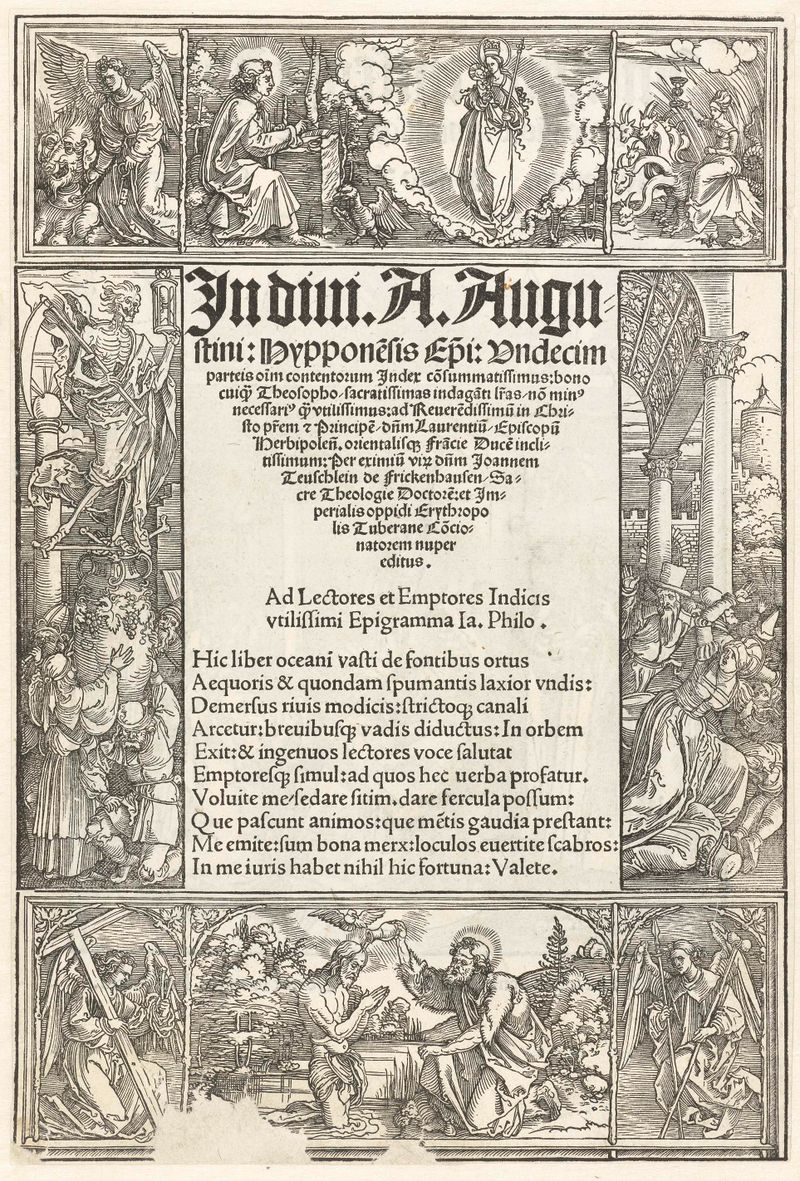
Titelblad met o.a. de doop van Christus en een visioen van Johannes de Evangelist
Hans Springinklee
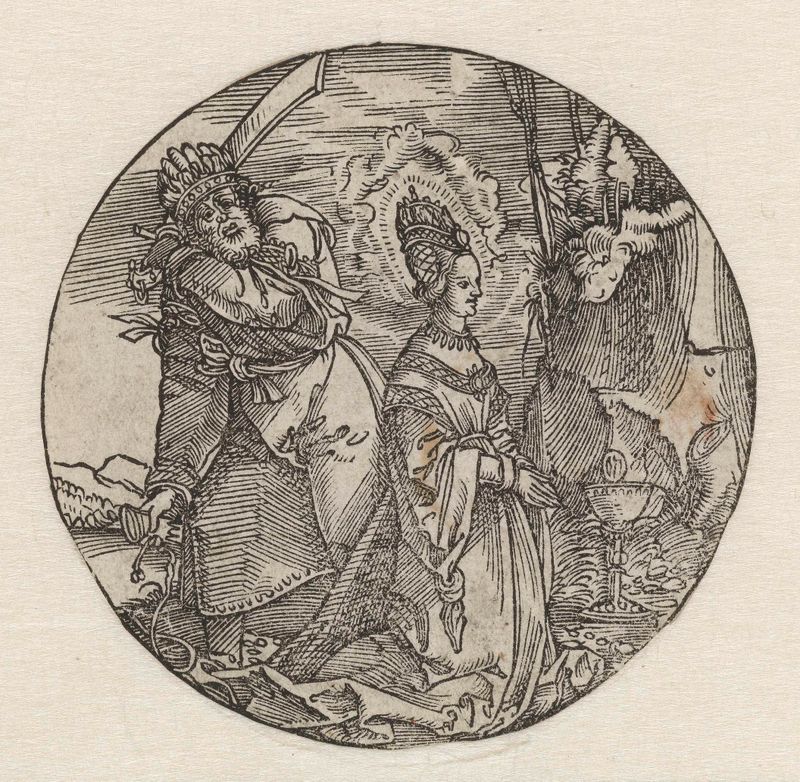
Het martelaarschap van de Heilige Barbara
Hans Springinklee

De Heilige Martinus deelt zijn mantel met een bedelaar
Hans Springinklee
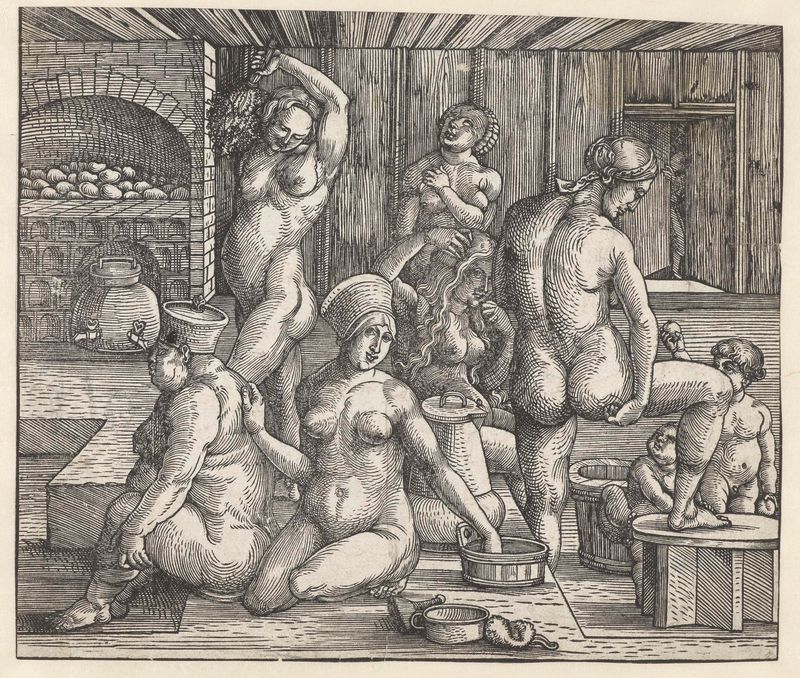
Het vrouwenbad
Hans Springinklee
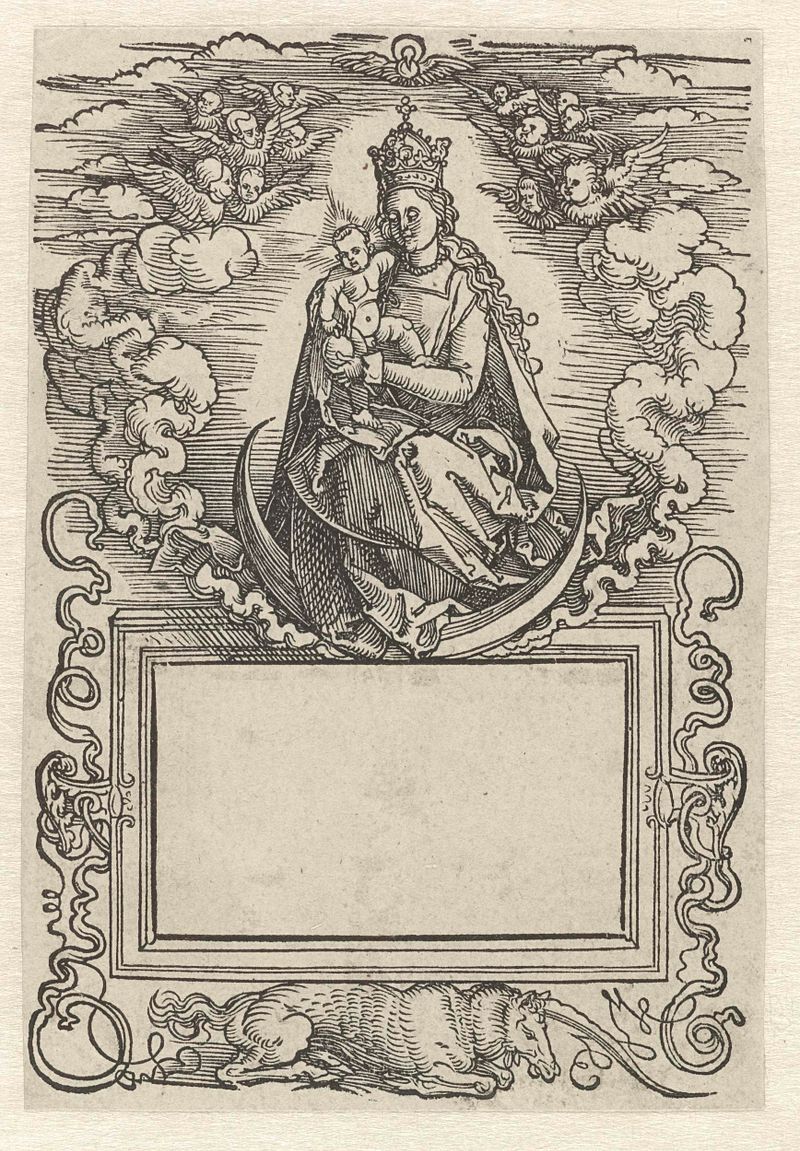
Titelblad met Maria met kind zittend op de maansikkel
Hans Springinklee
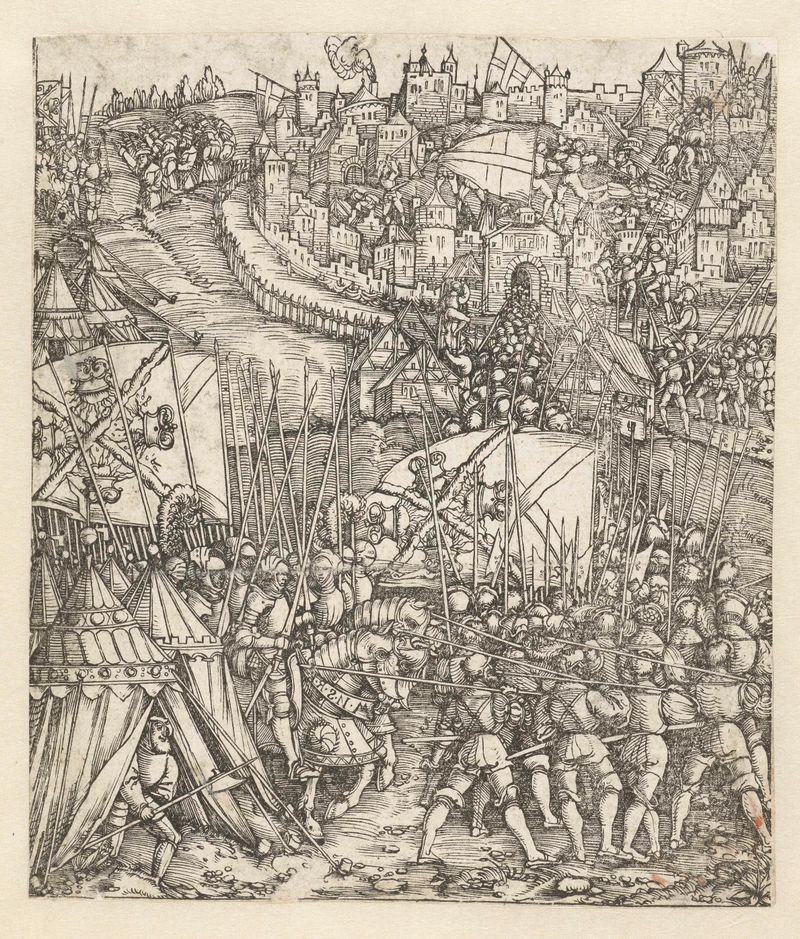
Verovering van Stuhlweissenburg in Hongarije
Hans Springinklee

De aartsengel Michaël verslaat een duivel
Hans Springinklee
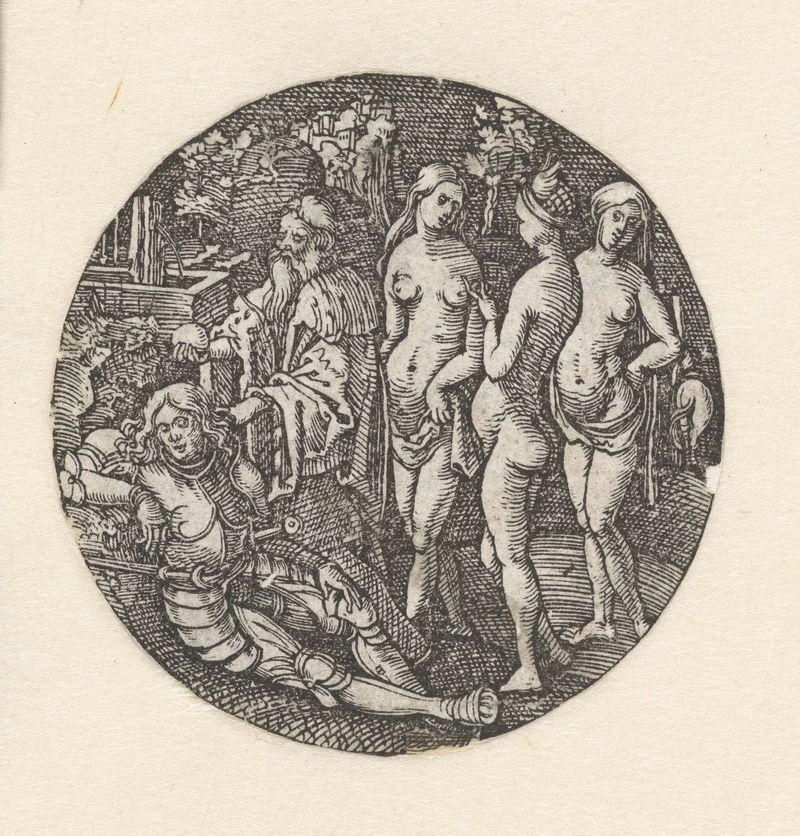
Het oordeel van Paris
Hans Springinklee
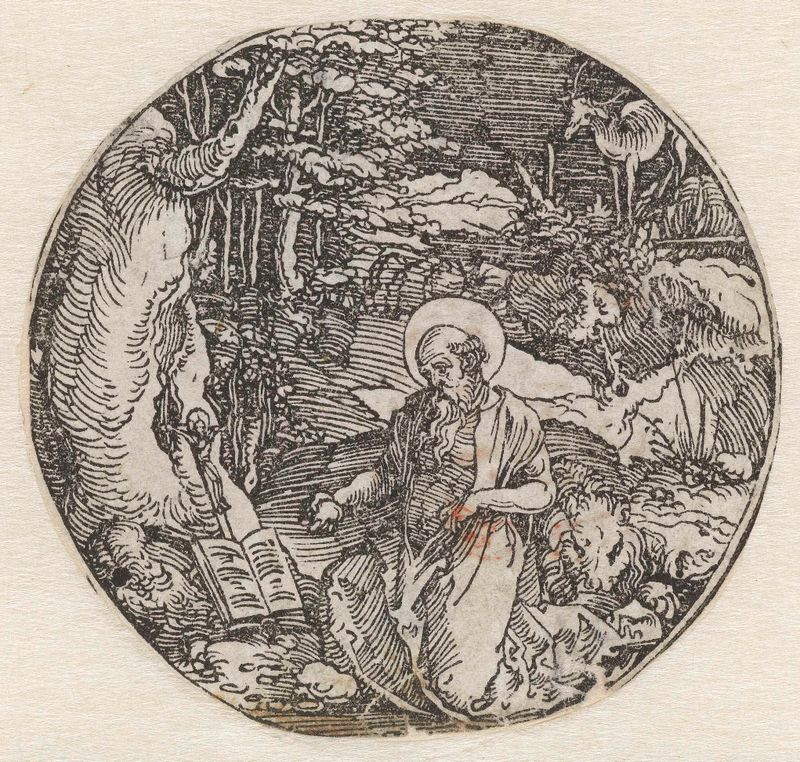
De Heilige Hiëronymus in de wildernis
Hans Springinklee
More Religious Art
Browse all →
The Return of the Prodigal Son
Rembrandt van Rijn

The Garden of Earthly Delights
El Bosco

Count Orgaz’ funeral
El Greco

The Hundred Guilder Print: the central piece with Christ preaching, the plate arched
Rembrandt van Rijn

The Descent from the Cross
Rogier van der Weyden

The return of the prodigal son
Rembrandt van Rijn