
De gravin en de Dood — History & Facts
Is this a mirror — or a memory? In Wenceslaus Hollar's De gravin en de Dood, the fleeting nature of existence intertwines with the persistence of hope, prompting us to confront our fears and desires. First, look to the left where a noblewoman’s gaze is fixed, her expression a delicate blend of contemplation and trepidation. Notice the play of light cascading from a nearby window, illuminating her elegant attire while casting shadows that dance around the skeletal figure representing Death. The artist’s meticulous engraving technique brings texture to her lace collar and the fine lines of the figure, creating a striking contrast between the ephemeral beauty of life and the stark reality of mortality. Delve deeper into the symbolism embedded in the scene; the woman’s poised demeanor in the face of Death suggests a complex relationship with inevitability.
The soft curvature of her hands juxtaposed against the sharp angles of the skull evoke a tension between vulnerability and resilience. Here, hope flickers like a candle in a dark room, a testament to the enduring human spirit amidst the specter of fate. Hollar crafted this poignant piece around 1680, during a period marked by reflection on mortality and the afterlife in the context of Baroque art. Living in the aftermath of the Thirty Years’ War, his work encapsulated the collective grief and desire for solace that permeated society.
As an engraver, he was revered for his skill and precision, bridging the gap between art and the philosophical inquiries of his time.
More Artworks by Wenceslaus Hollar
Browse all →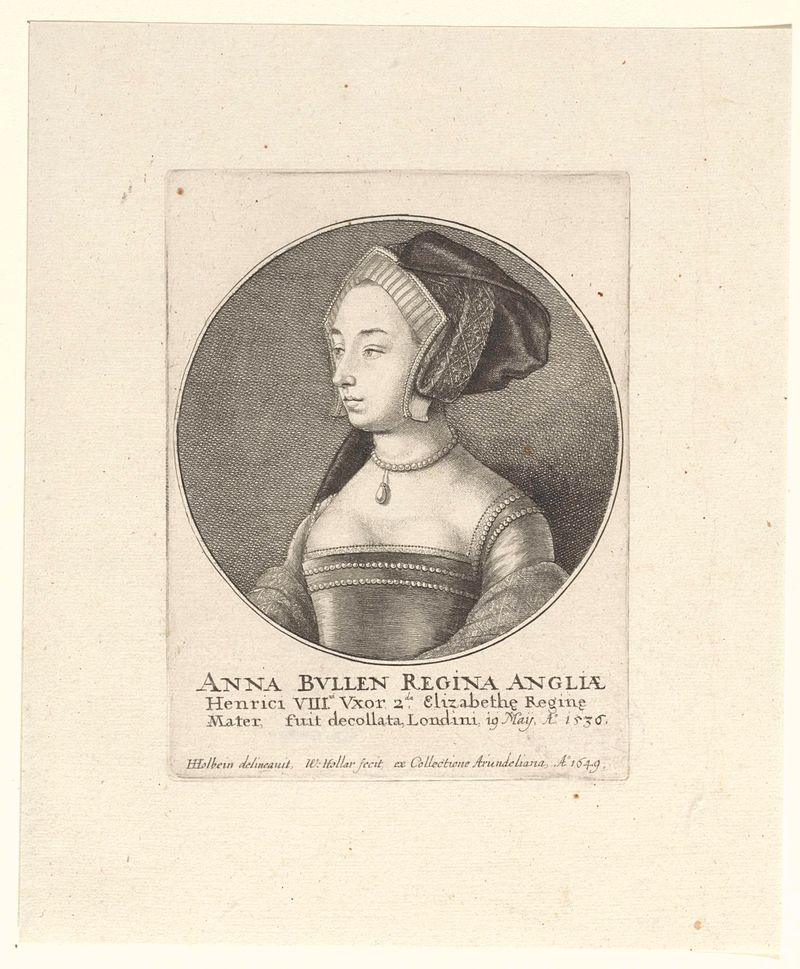
Portret van Anna Boleyn, koningin van Engeland
Wenceslaus Hollar
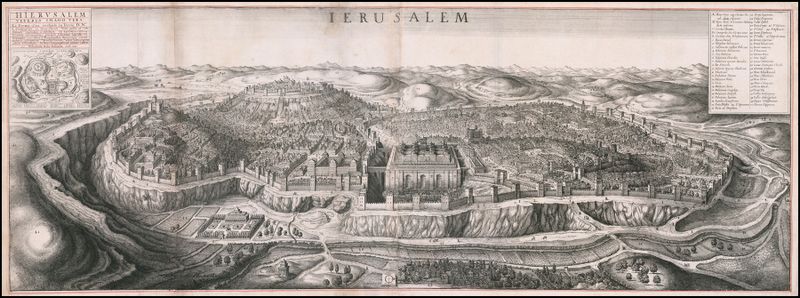
Bird’s eye view of Jerusalem
Wenceslaus Hollar
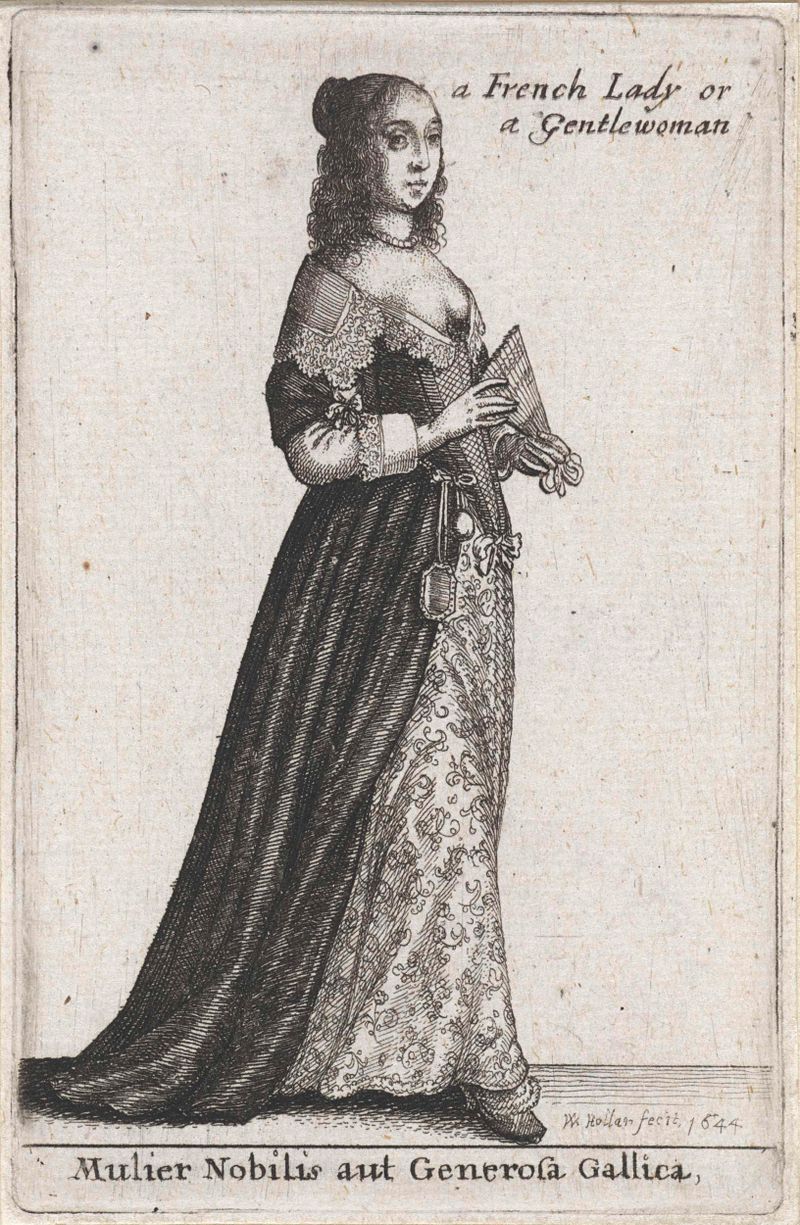
Mulier Nobilis aut Generosa Gallica / a French Lady or Gentlewoman
Wenceslaus Hollar
Titelprent voor: Ornatus Muliebris Anglicanus
Wenceslaus Hollar
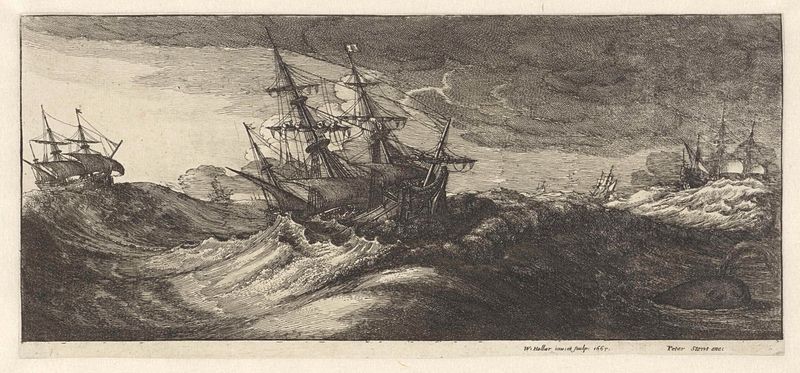
Oorlogsschepen en een walvis in een zeestorm
Wenceslaus Hollar
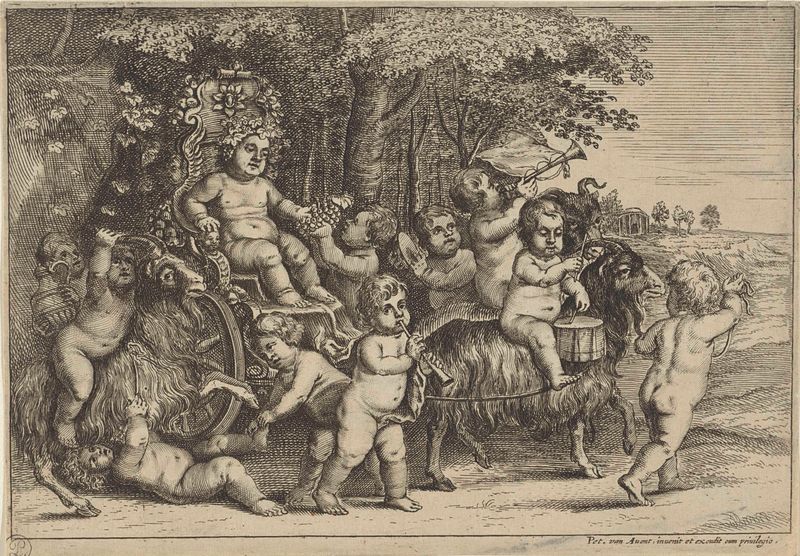
Optocht van bacchant en jongetjes op geiten
Wenceslaus Hollar
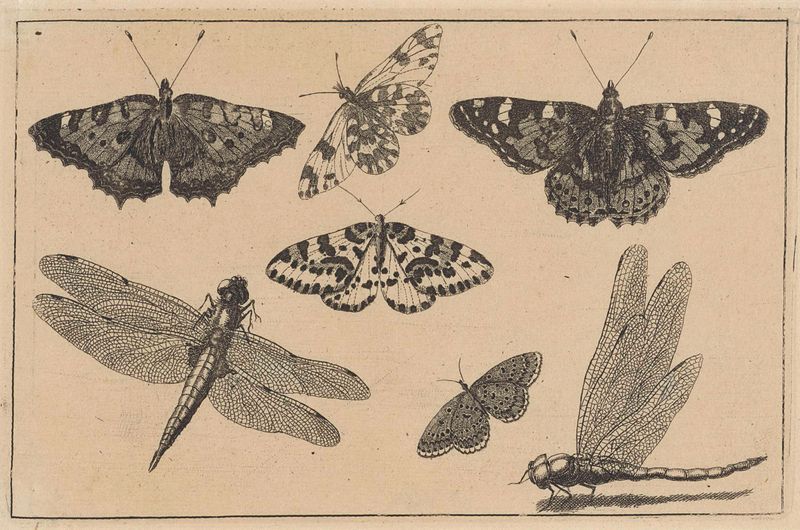
Twee libellen en vijf vlinders
Wenceslaus Hollar
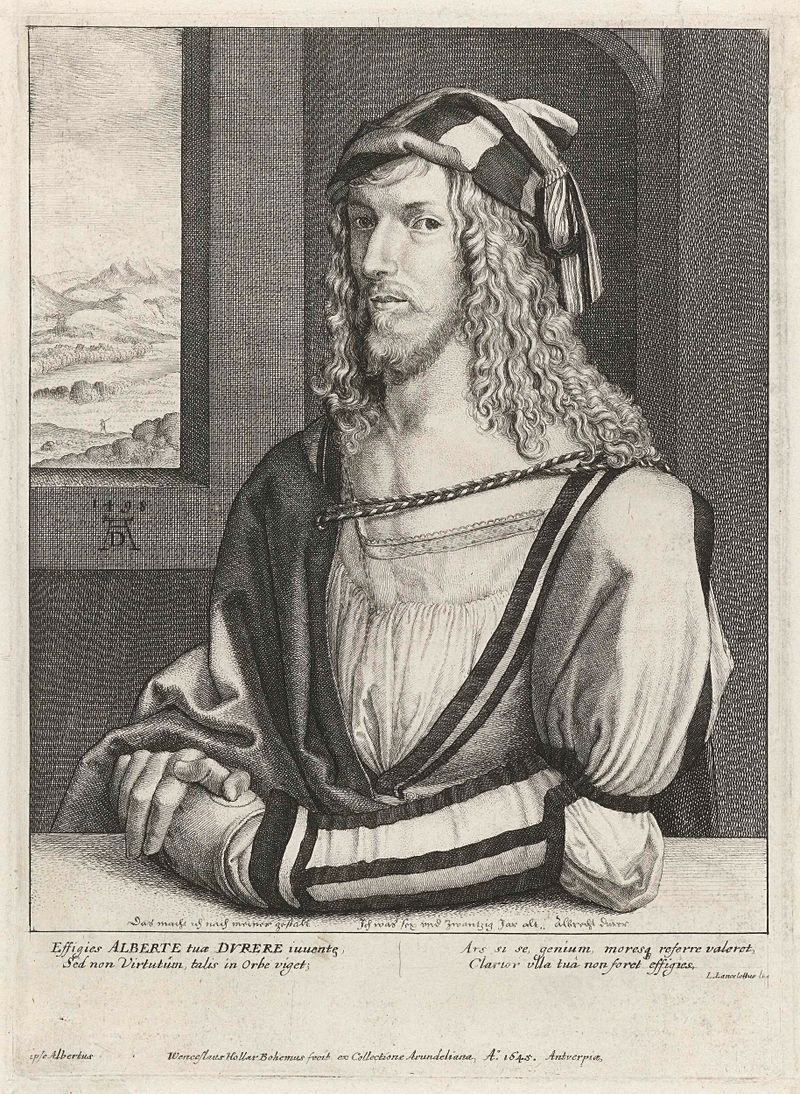
Portret van Albrecht Dürer
Wenceslaus Hollar
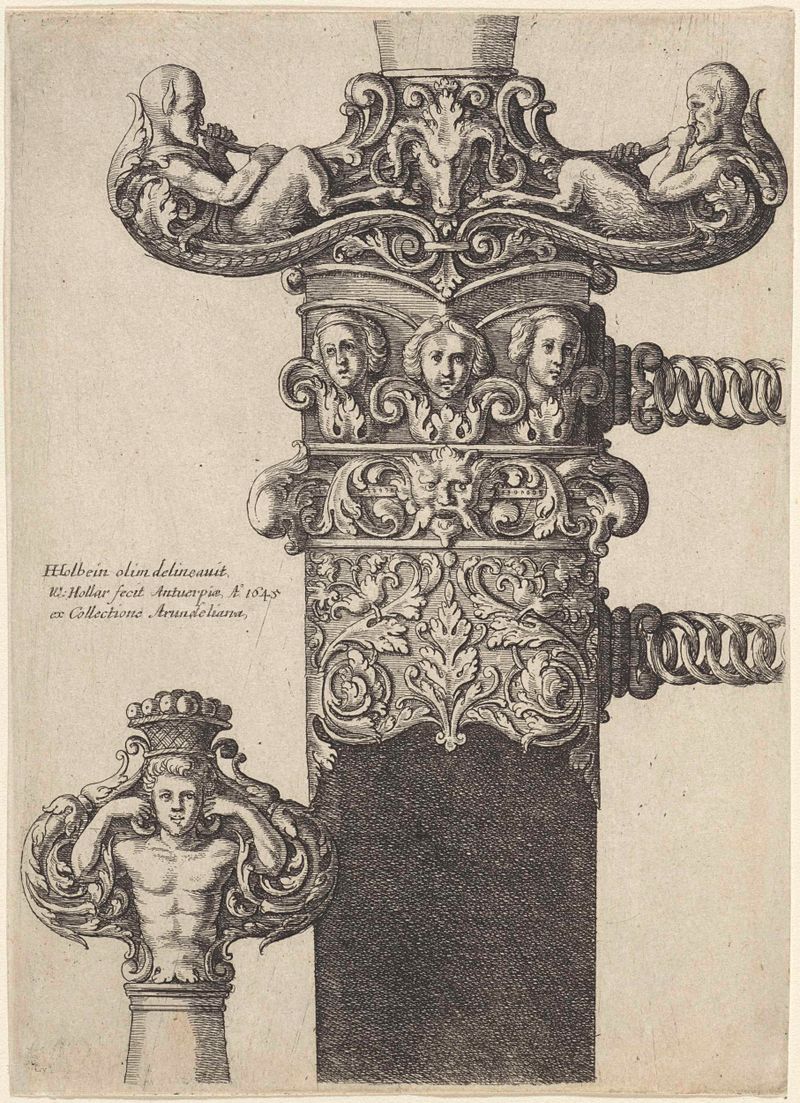
Ornamenteel ontwerp voor een dolk
Wenceslaus Hollar
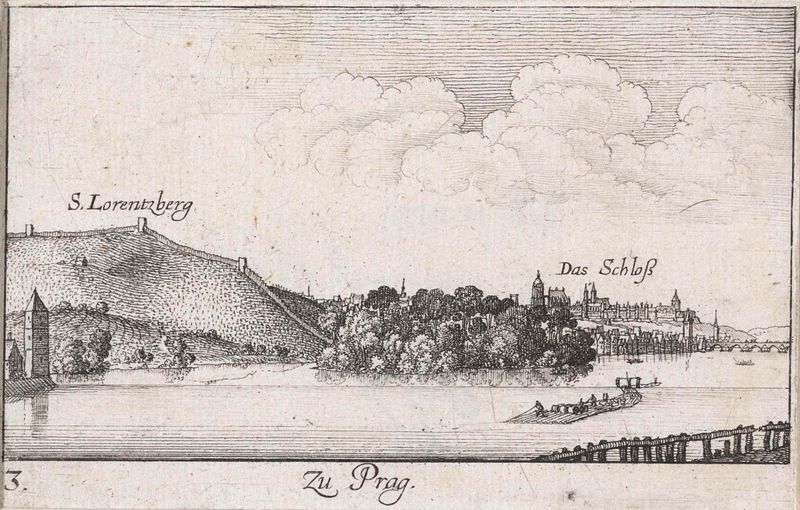
Gezicht op Praag vanaf de Moldau
Wenceslaus Hollar
More Portrait Art
Browse all →
Las meninas
Diego Velázquez

Self-portrait with a Bandaged Ear and Pipe
Unidentified artist

Girl with a Pearl Earring
Johannes Vermeer

The Sampling Officials of the Amsterdam Drapers’ Guild, Known as ‘The Syndics’
Rembrandt van Rijn

The Hundred Guilder Print: the man seen on the back in the lower left corner
Rembrandt van Rijn

Portrait of Dr Gachet
Vincent van Gogh