
De hereniging en vergiffenis van de verloren zoon — History & Facts
In its stillness, it captures a profound truth about human nature, revealing the bruised edges of forgiveness amidst the chaos of our emotions. Violence and tenderness are often intertwined, a duality that demands acknowledgment. Look to the left, where the figures are gathered, each posture echoing the weight of their shared past. The central character, a son returning, is enveloped in a passionate embrace from his father, whose face radiates relief contrasting sharply with the distant frowns of the other figures.
The play of light across their faces reveals an intricate dance of joy and sorrow, with muted earth tones highlighting the somber mood of reconciliation. Each detail, from the son’s disheveled clothing to the tired lines on the father’s face, breathes life into this moment of emotional turbulence. Delve deeper into the tension present in the gazes of the onlookers, caught between disbelief and judgment. The anguish of the brother, left unacknowledged and alone, tantalizes the narrative, suggesting the underlying violence of familial discord.
The artist’s choice to depict this moment of reunion against a backdrop of unresolved conflict captures the layered complexity of human relationships, reminding us that forgiveness can carry the weight of past transgressions. Cornelis Anthonisz painted this work between 1535 and 1545, during a time when the Reformation was stirring profound shifts in social and religious landscapes. Based in Amsterdam, he was immersed in the dialogues of his day, as artists grappled with themes of morality and redemption. This piece reflects not only personal turmoil but also the broader questions of human existence that marked the era.
More Artworks by Cornelis Anthonisz.
Browse all →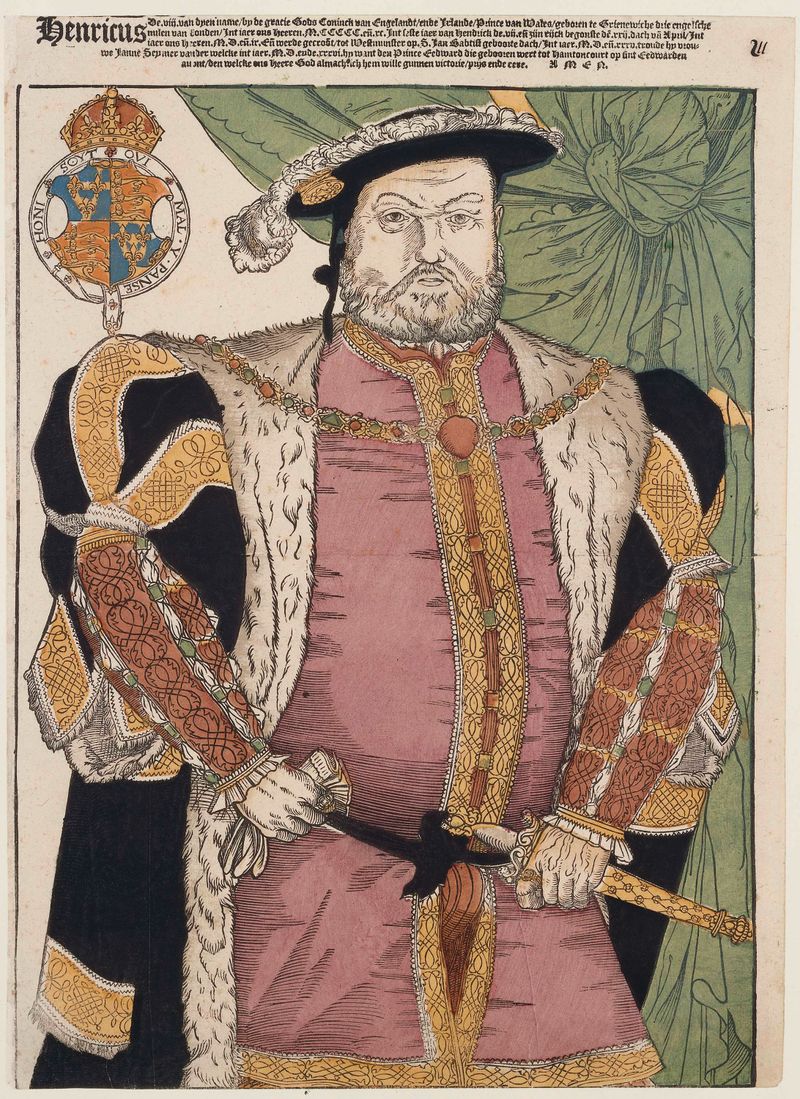
Portret van Hendrik VIII van Engeland
Cornelis Anthonisz.

Portret van Hendrik VIII van Engeland
Cornelis Anthonisz.

Portret van Maarten van Rossum te paard
Cornelis Anthonisz.
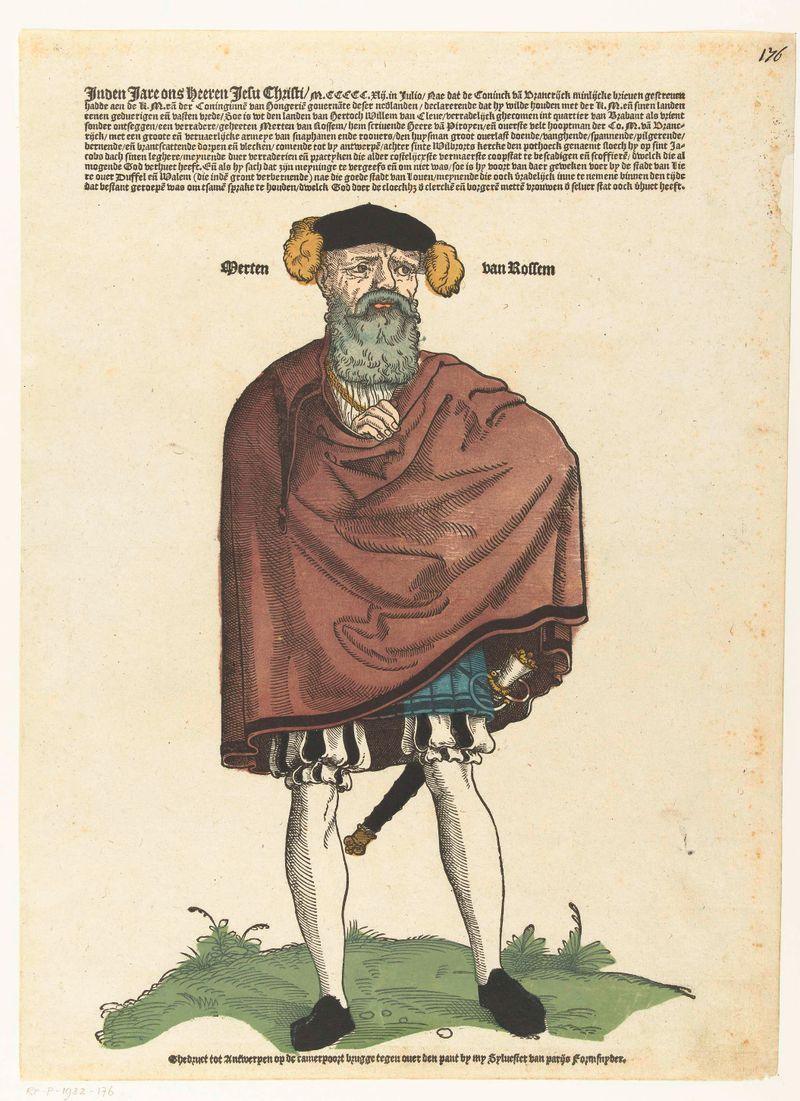
Portret van Maarten van Rossum
Cornelis Anthonisz.

De verloren zoon eet uit de varkenstrog
Cornelis Anthonisz.
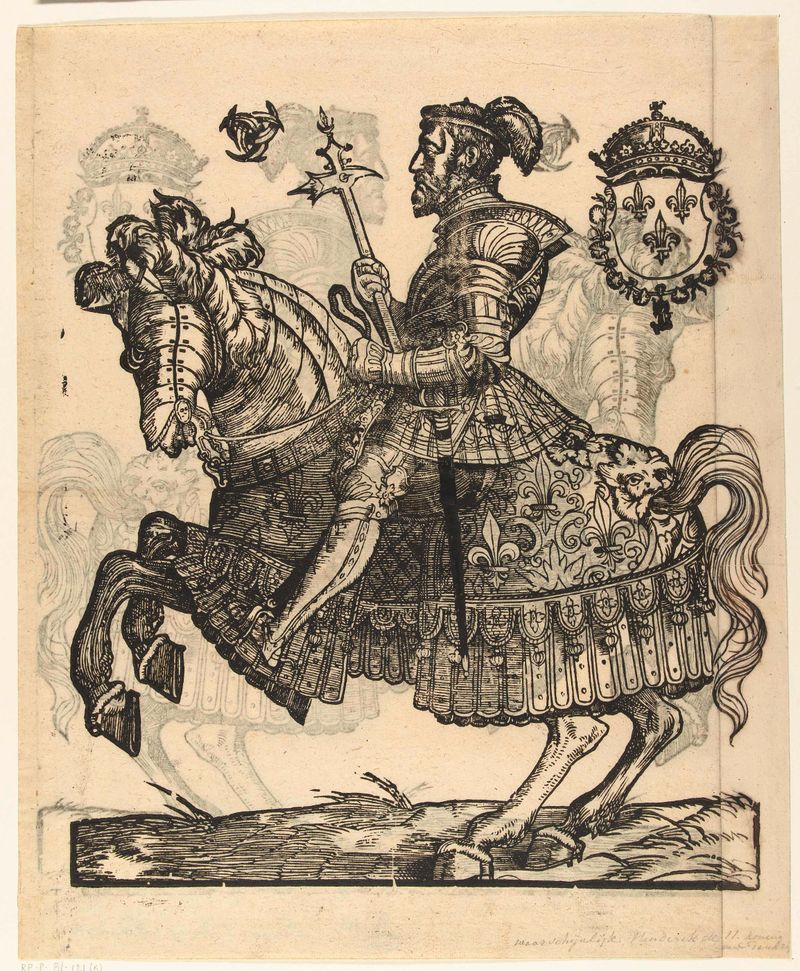
Portret van Hendrik II van Frankrijk te paard
Cornelis Anthonisz.

Portret van hertog Willem van Kleef, Gulik en Berg, graaf van Mark, heer van Ravenstein te paard
Cornelis Anthonisz.

Portret van Karel V te paard
Cornelis Anthonisz.

Portret van Maria van Hongarije te paard
Cornelis Anthonisz.
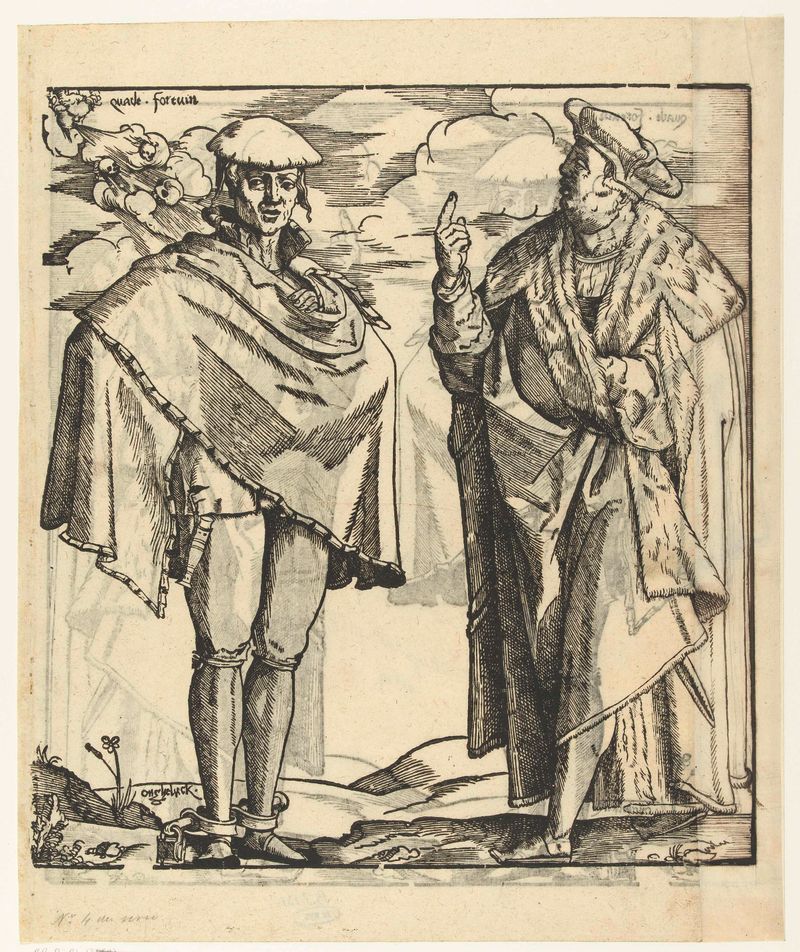
De lichtzinnige jeugd
Cornelis Anthonisz.
More Religious Art
Browse all →
The Return of the Prodigal Son
Rembrandt van Rijn

The Garden of Earthly Delights
El Bosco

Count Orgaz’ funeral
El Greco

The Hundred Guilder Print: the central piece with Christ preaching, the plate arched
Rembrandt van Rijn

The Descent from the Cross
Rogier van der Weyden

The return of the prodigal son
Rembrandt van Rijn