
De kardinaal en de Dood — History & Facts
In De kardinaal en de Dood, the complex interplay of desire and mortality emerges, inviting viewers to reflect on the deeper yearnings that shape the human experience. Look closely at the central figure, the cardinal, whose ornate robes shimmer with hues of crimson and gold. The fabric catches the light, reflecting his high status, yet his gaze is turned away from the viewer, hinting at an inner turmoil. Notice the delicate skeletal figure of Death lurking just behind him, shrouded in shadow.
The contrast between the vibrant attire and the ashen skeletal form creates a striking tension, emblematically linking life’s earthly pleasures with the inevitability of decay. This artwork captures not just a physical confrontation with death but an emotional one. The cardinal's expression betrays a poignant desire—perhaps for power, for legacy, or simply for more time. The juxtaposition of his regal poise and the chilling presence of Death elicits a haunting reminder of the fragility of ambition.
Each intricate detail, from the texture of the cardinal's robes to the macabre elegance of the figure behind him, serves as a metaphor for the conflict between worldly desires and existential truths. Wenceslaus Hollar created this piece around 1680, during a time when he was deeply engaged in printmaking in England after fleeing Prague due to religious conflicts. The art world was transitioning, grappling with Baroque influences and the emerging Enlightenment, making the themes of mortality and desire profoundly relevant. Hollar’s work not only reflects his personal struggles but also resonates with the broader anxieties of a society facing the complexities of life, death, and the pursuit of meaning.
More Artworks by Wenceslaus Hollar
Browse all →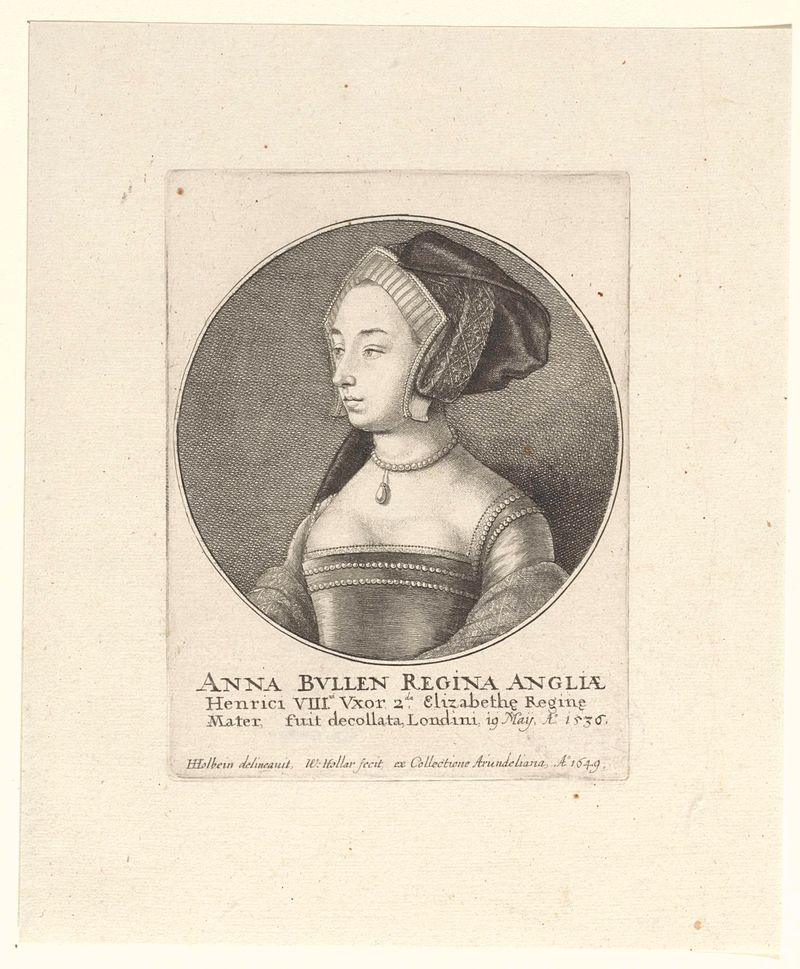
Portret van Anna Boleyn, koningin van Engeland
Wenceslaus Hollar
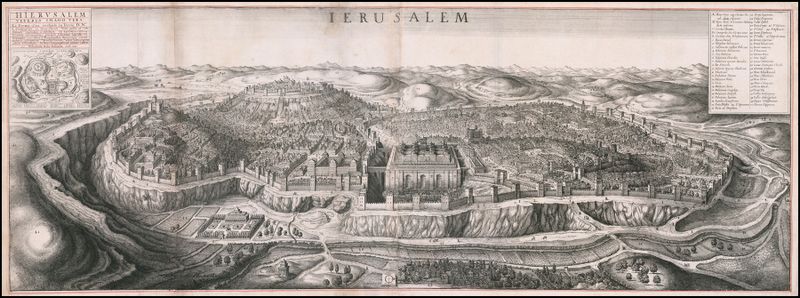
Bird’s eye view of Jerusalem
Wenceslaus Hollar
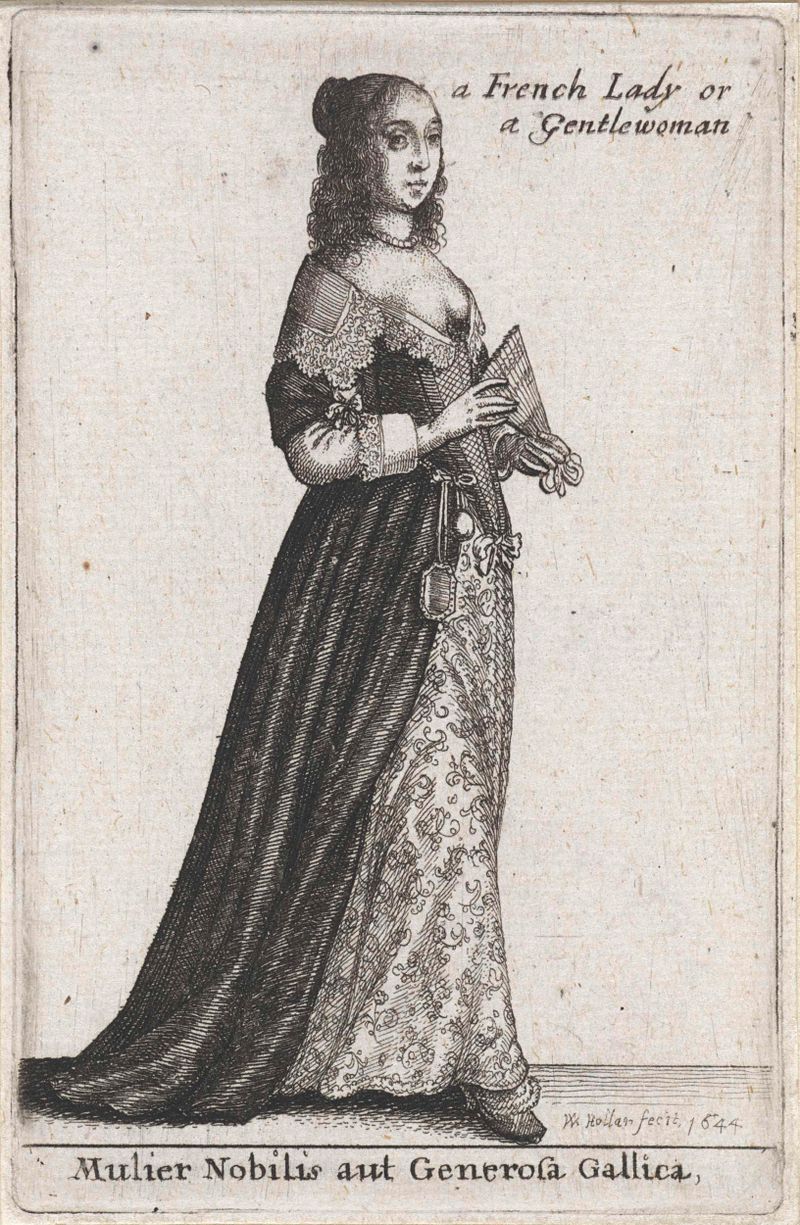
Mulier Nobilis aut Generosa Gallica / a French Lady or Gentlewoman
Wenceslaus Hollar
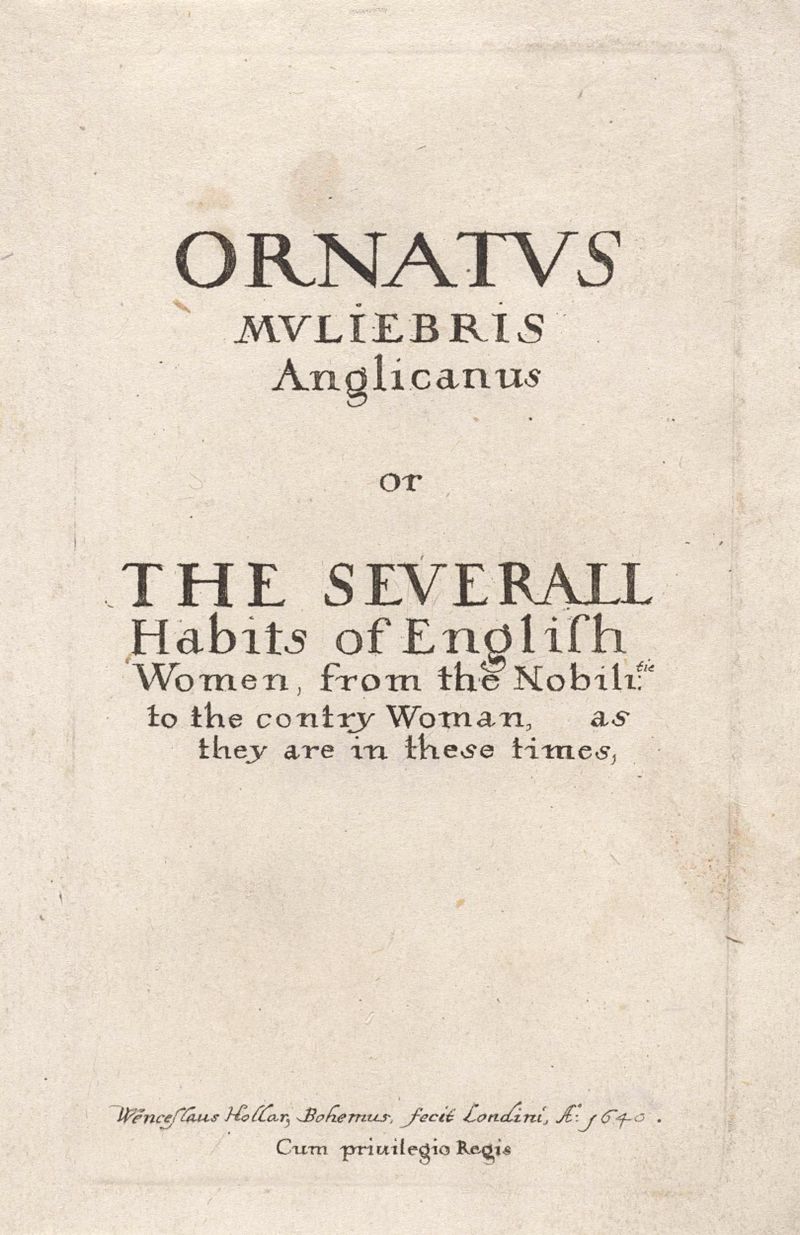
Titelprent voor: Ornatus Muliebris Anglicanus
Wenceslaus Hollar
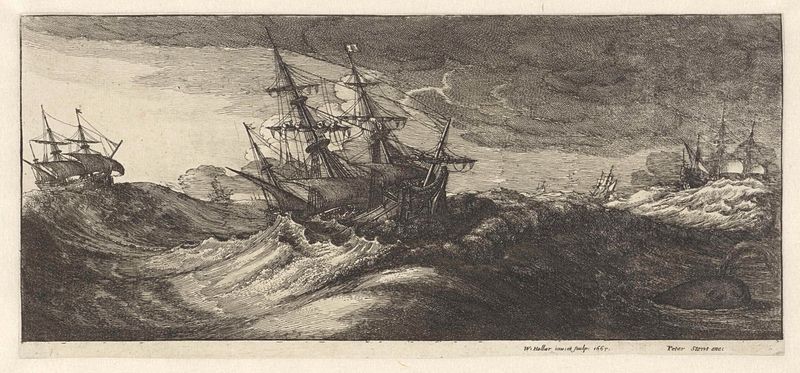
Oorlogsschepen en een walvis in een zeestorm
Wenceslaus Hollar
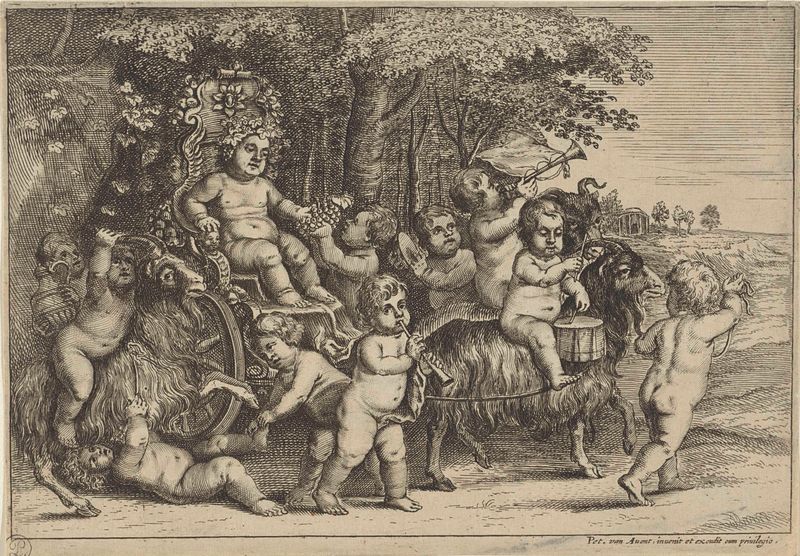
Optocht van bacchant en jongetjes op geiten
Wenceslaus Hollar
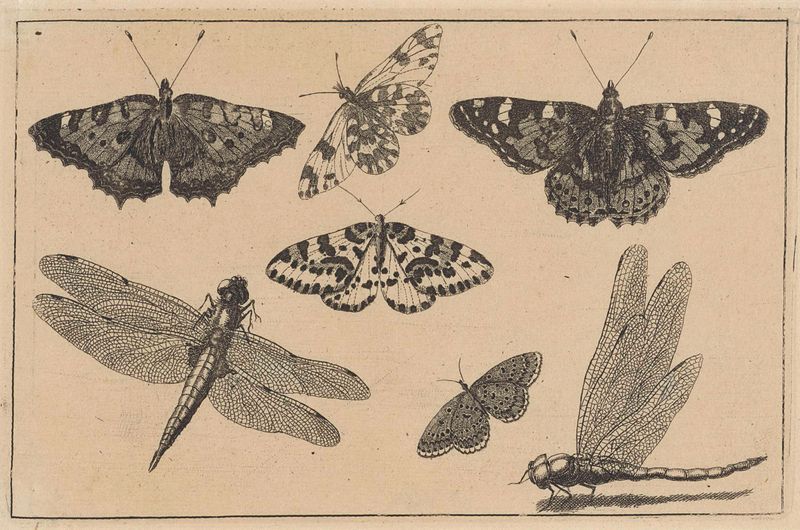
Twee libellen en vijf vlinders
Wenceslaus Hollar
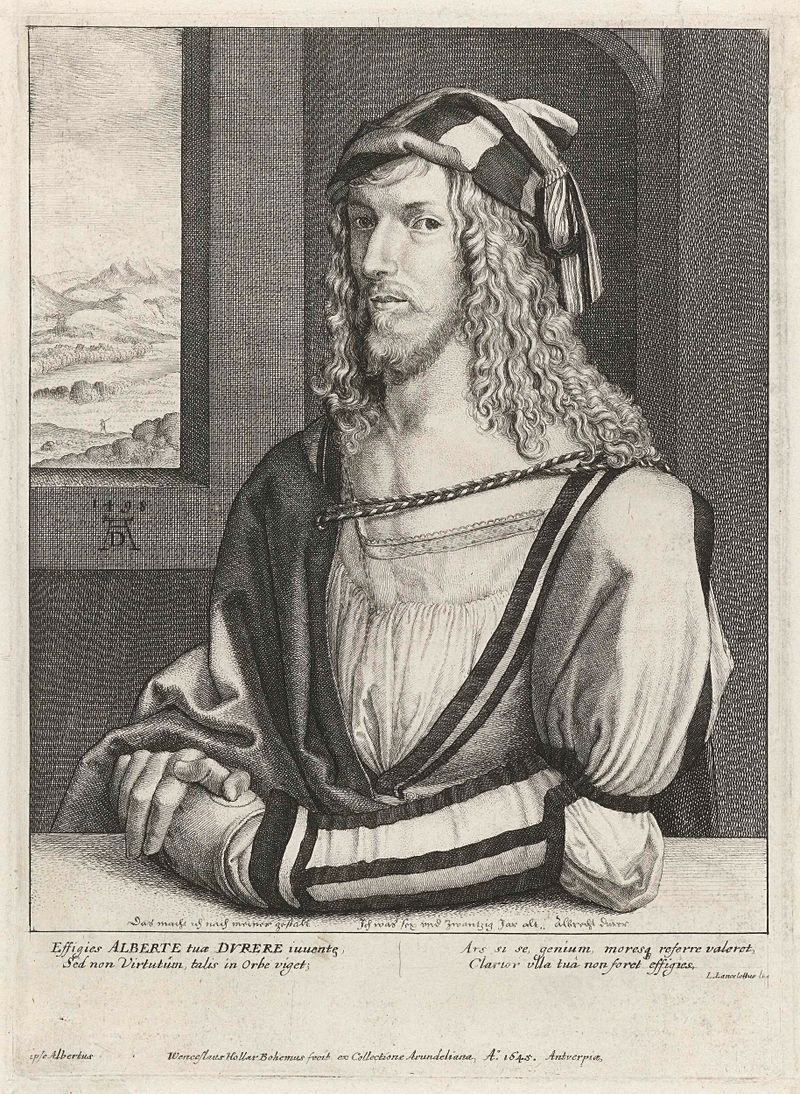
Portret van Albrecht Dürer
Wenceslaus Hollar
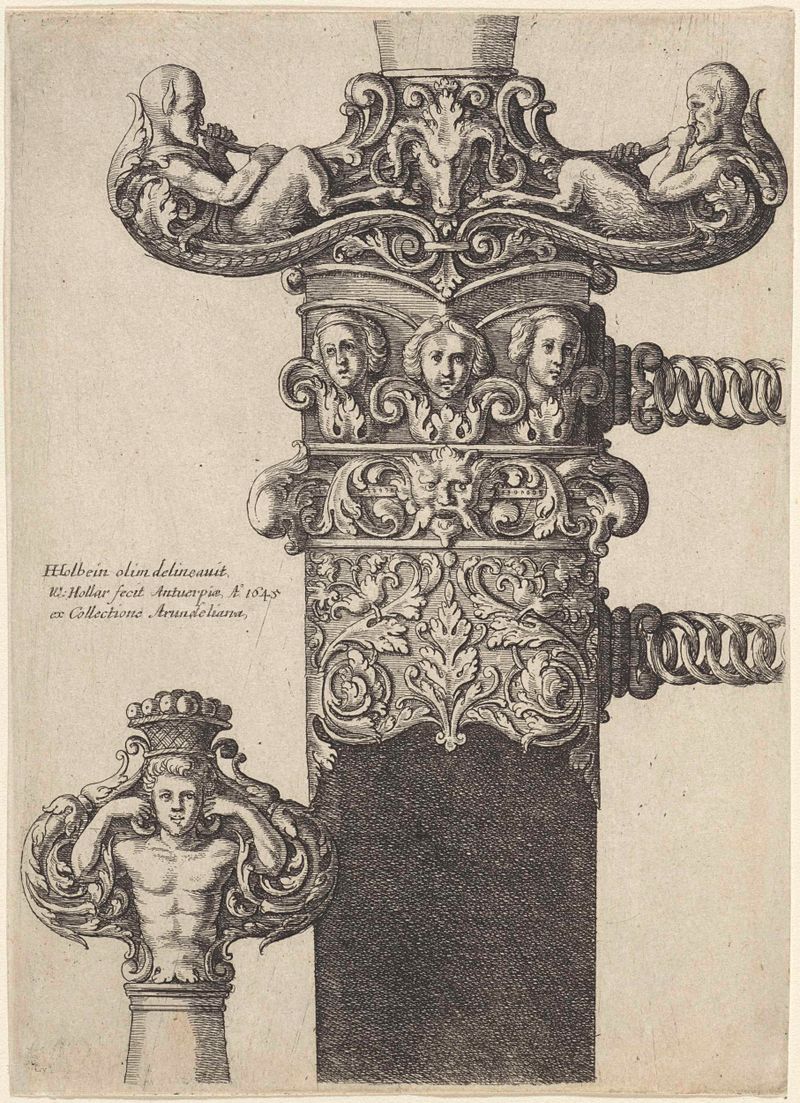
Ornamenteel ontwerp voor een dolk
Wenceslaus Hollar
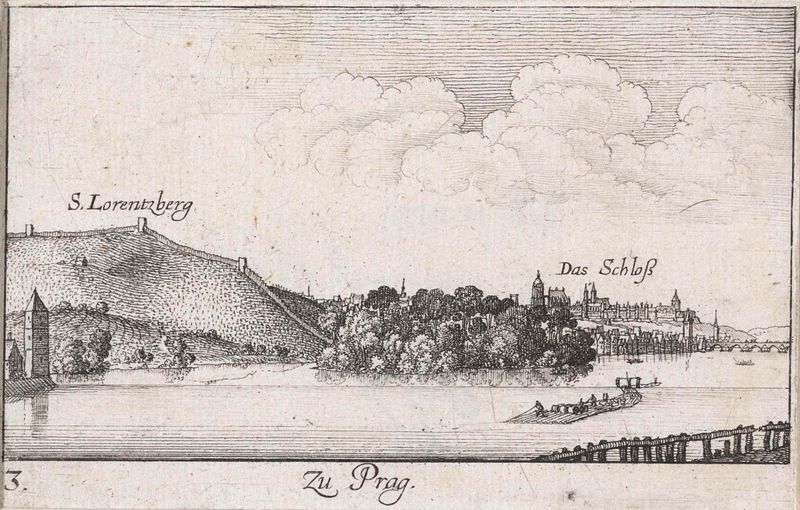
Gezicht op Praag vanaf de Moldau
Wenceslaus Hollar
More Religious Art
Browse all →
The Return of the Prodigal Son
Rembrandt van Rijn

The Garden of Earthly Delights
El Bosco

Count Orgaz’ funeral
El Greco

The Hundred Guilder Print: the central piece with Christ preaching, the plate arched
Rembrandt van Rijn

The Descent from the Cross
Rogier van der Weyden

The return of the prodigal son
Rembrandt van Rijn