
De kardinaal en de Dood — History & Facts
The ephemeral dance between life and death creates an illusion that beckons viewers closer, inviting them to ponder existence itself. Focus on the intricate details of the cardinal’s garments as they shimmer with deep reds and golds, evoking both authority and the weight of mortality. Notice how the figure stands poised, a striking contrast to the skeletal presence looming behind, its bony fingers delicately entwined. The composition masterfully balances these dualities, with swirling drapery framing the encounter, while shadow and light sculpt the forms, enhancing the tension between the sacred and the inevitable. In this work, the cardinal’s gaze meets that of death, creating a palpable tension that resonates beyond the canvas.
The subtle interplay of their expressions — the calm of the cleric against the inevitability of the specter — invites contemplation of faith, fate, and the ephemeral nature of power. Hollar captures the moment before realization, where illusion reigns, teasing viewers to confront their own fears of mortality. Created in 1651, this piece emerged during a period of profound change in Europe, marked by the Thirty Years' War and shifting religious landscapes. Hollar, a Bohemian engraver residing in England, was influenced by the Baroque style, which often explored themes of life and death.
His work reflects the ongoing tension between the sacred and the secular, encapsulating a moment of dialogue between two realms — one of earthly authority and the other of inevitable demise.
More Artworks by Wenceslaus Hollar
Browse all →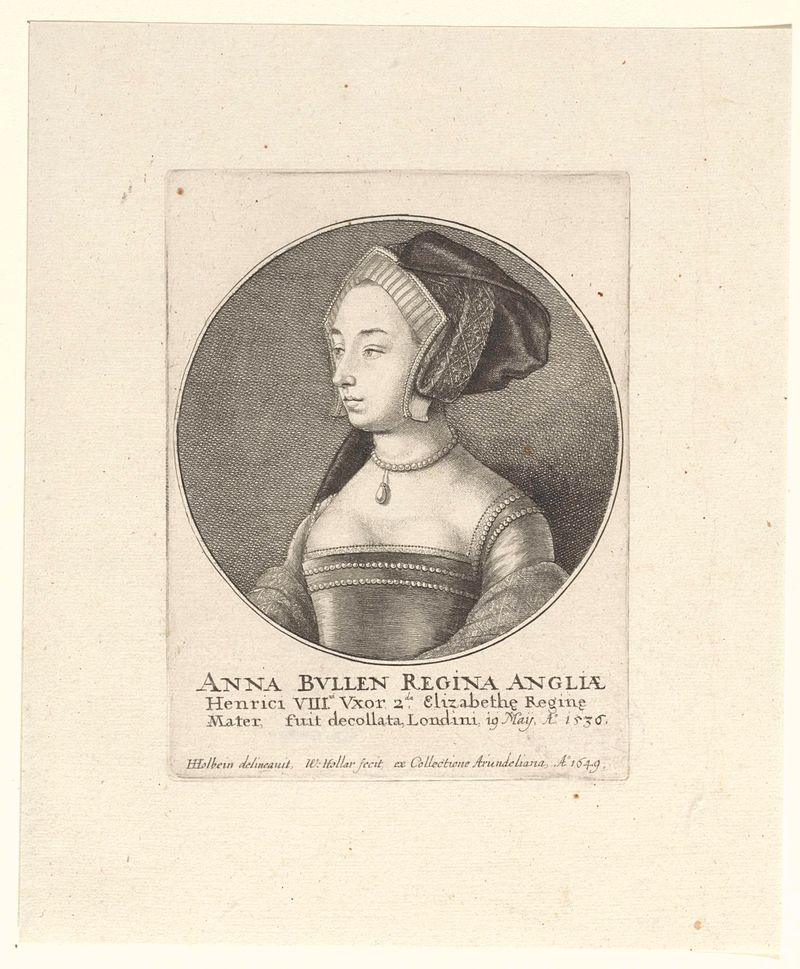
Portret van Anna Boleyn, koningin van Engeland
Wenceslaus Hollar
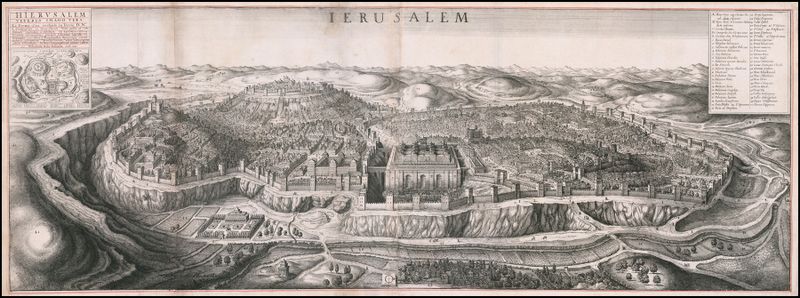
Bird’s eye view of Jerusalem
Wenceslaus Hollar
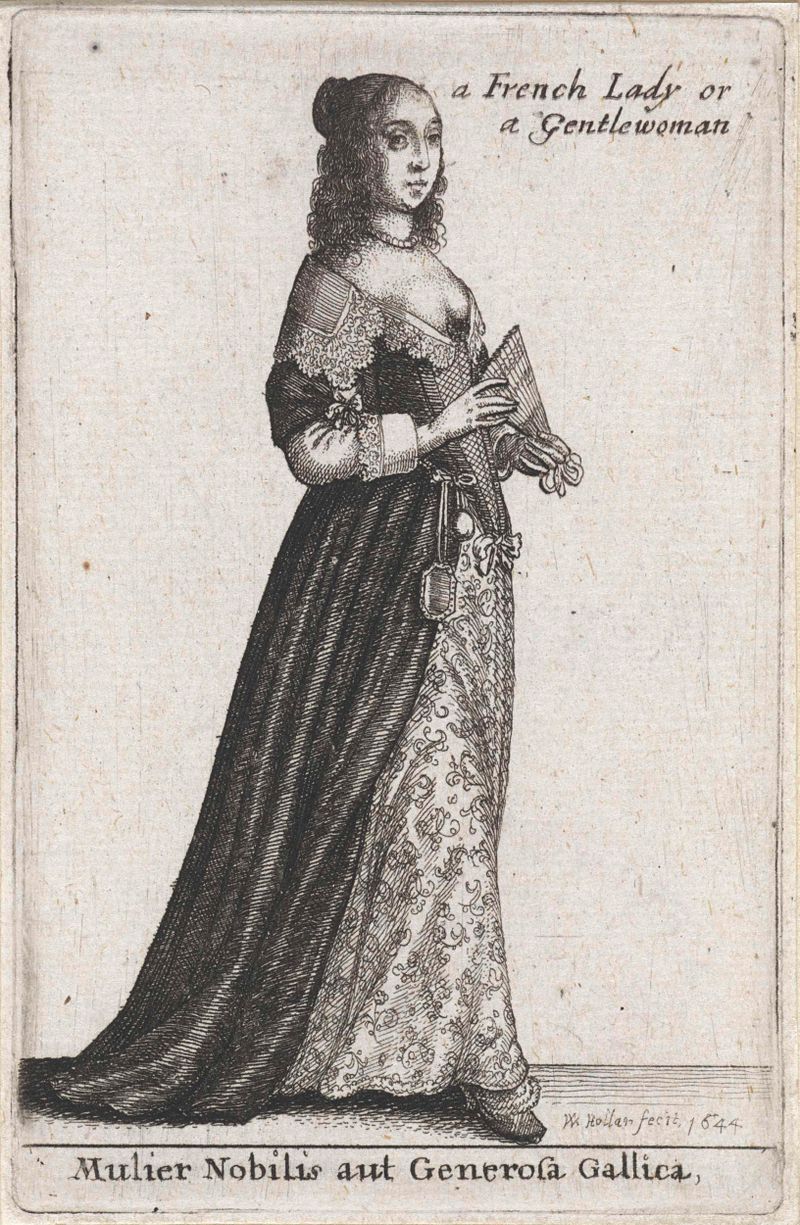
Mulier Nobilis aut Generosa Gallica / a French Lady or Gentlewoman
Wenceslaus Hollar
Titelprent voor: Ornatus Muliebris Anglicanus
Wenceslaus Hollar
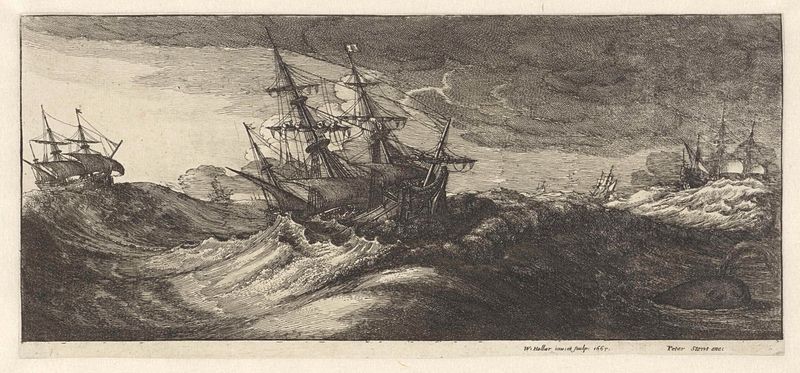
Oorlogsschepen en een walvis in een zeestorm
Wenceslaus Hollar
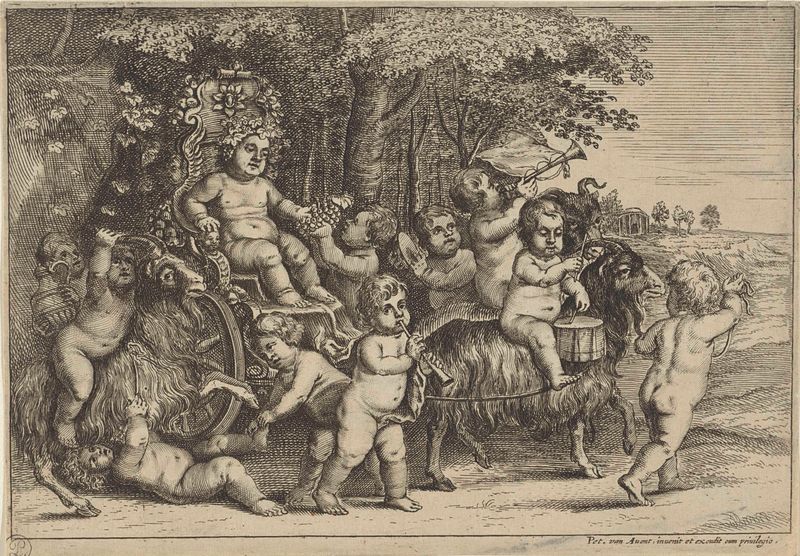
Optocht van bacchant en jongetjes op geiten
Wenceslaus Hollar
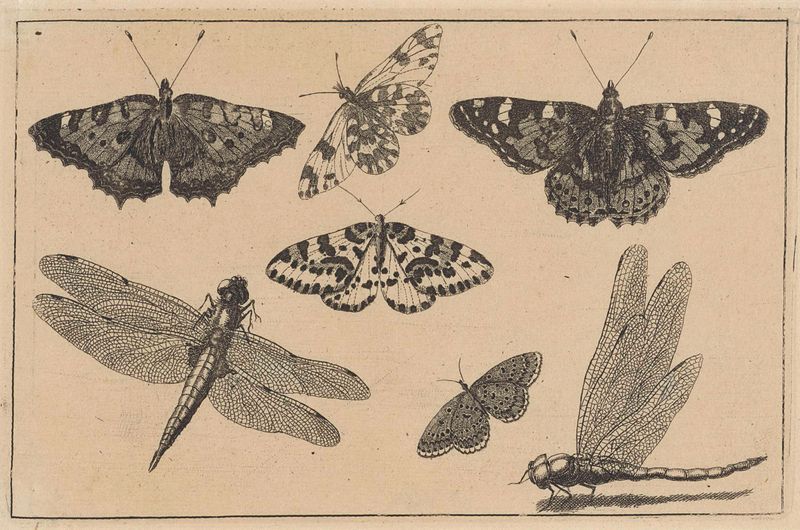
Twee libellen en vijf vlinders
Wenceslaus Hollar
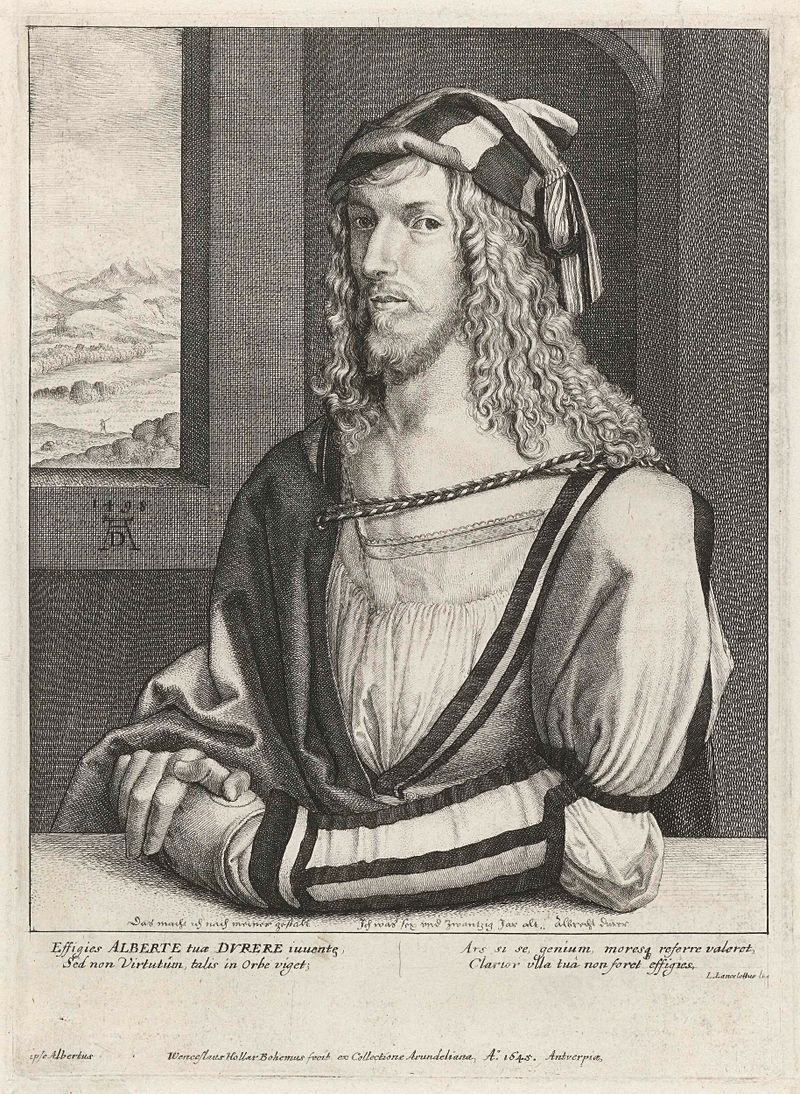
Portret van Albrecht Dürer
Wenceslaus Hollar
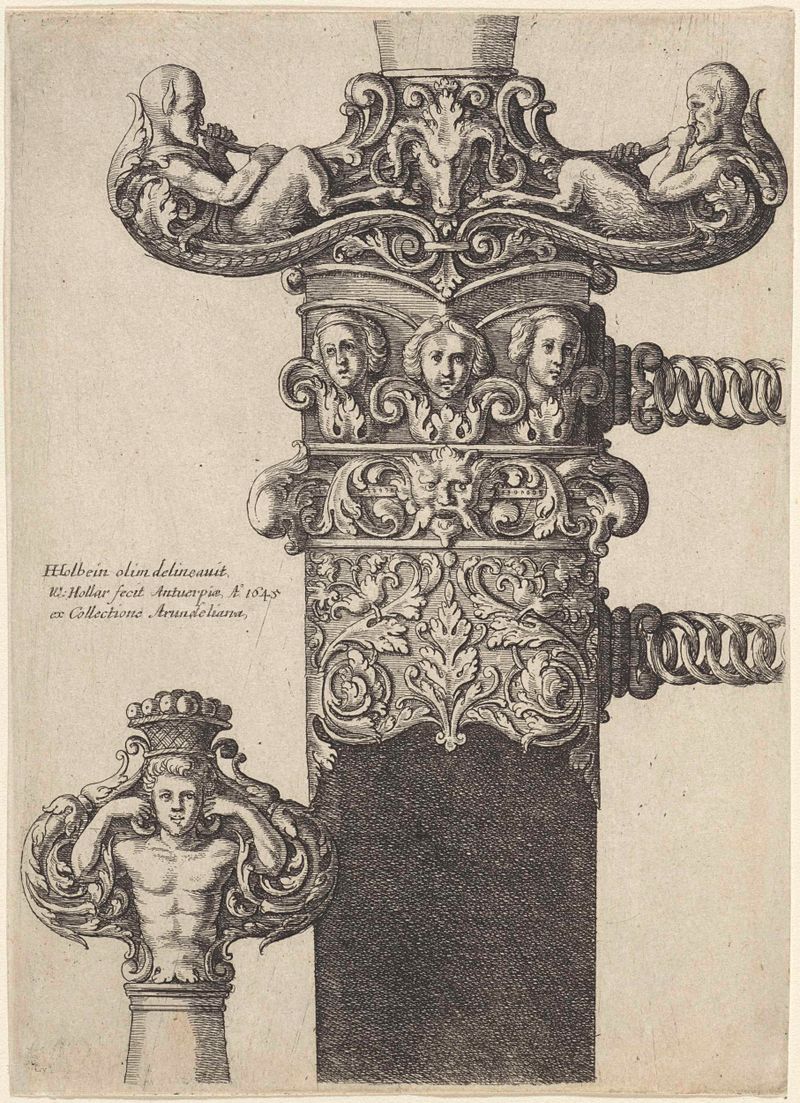
Ornamenteel ontwerp voor een dolk
Wenceslaus Hollar
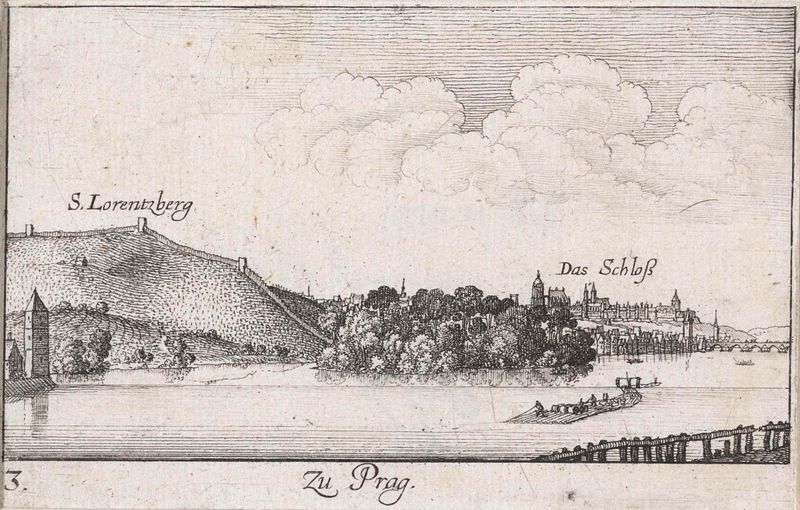
Gezicht op Praag vanaf de Moldau
Wenceslaus Hollar
More Religious Art
Browse all →
The Return of the Prodigal Son
Rembrandt van Rijn

The Garden of Earthly Delights
El Bosco

Count Orgaz’ funeral
El Greco

The Hundred Guilder Print: the central piece with Christ preaching, the plate arched
Rembrandt van Rijn

The Descent from the Cross
Rogier van der Weyden

The return of the prodigal son
Rembrandt van Rijn