
De kleine brug — History & Facts
In the stillness of a moment suspended in time, De kleine brug encapsulates the bittersweet ache of loss. The quiet bridge, a humble connection between two banks, stands testament to the passage of life and the weight of memories clinging to every stone. Look to the left where the bridge arches gracefully over a narrow stream, its reflections shimmering in the water’s gentle embrace. The soft greens and earth tones envelop the scene, creating a sense of natural tranquility that belies the underlying sorrow.
Notice how the sunlight spills softly through the clouds, illuminating patches of vibrant foliage while casting shadows that seem to echo the deeper emotions lurking beneath this serene façade. The subtleties of this landscape reveal layers of meaning. The bridge, a symbol of transition, evokes the fragility of human connection, suggesting that even the most steadfast paths can be fleeting. The delicate balance of light and shadow highlights the tension between hope and grief, reminding the viewer of the inevitability of change and the poignant beauty found in vulnerability. Jacob Isaacksz van Ruisdael painted De kleine brug between 1650 and 1655, during a time when the Dutch Golden Age was flourishing.
He was deeply influenced by the natural world around him, creating landscapes that capture both the majesty and melancholy of nature. This work reflects his artistic maturation, as he explored the emotional depth hidden within the simplicity of rural life.
More Artworks by Jacob Isaacksz van Ruisdael
Browse all →
The Windmill at Wijk bij Duurstede
Jacob Isaacksz van Ruisdael

View of Haarlem from the Northwest, with the Bleaching Fields in the Foreground
Jacob Isaacksz van Ruisdael
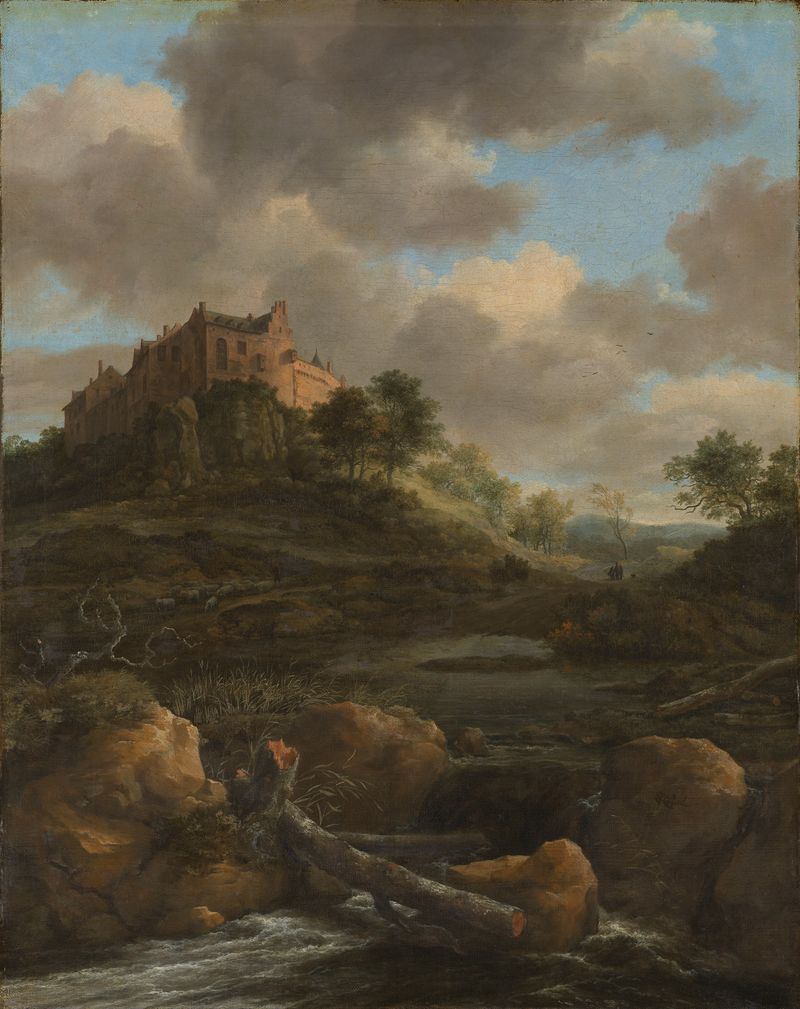
Bentheim Castle
Jacob Isaacksz van Ruisdael

Mountainous Landscape with Waterfall
Jacob Isaacksz van Ruisdael

De drie eiken
Jacob Isaacksz van Ruisdael

Wooded Landscape with a Pond
Jacob Isaacksz van Ruisdael
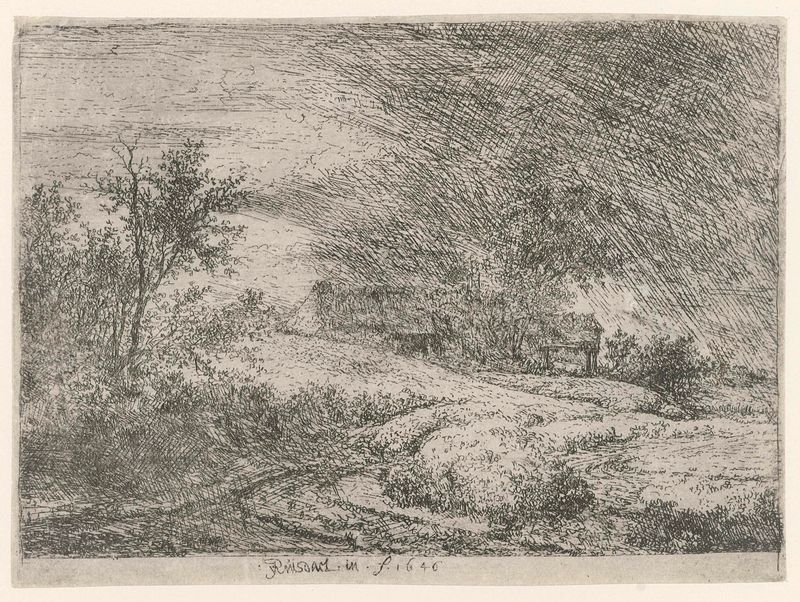
Landschap met een boerderij
Jacob Isaacksz van Ruisdael
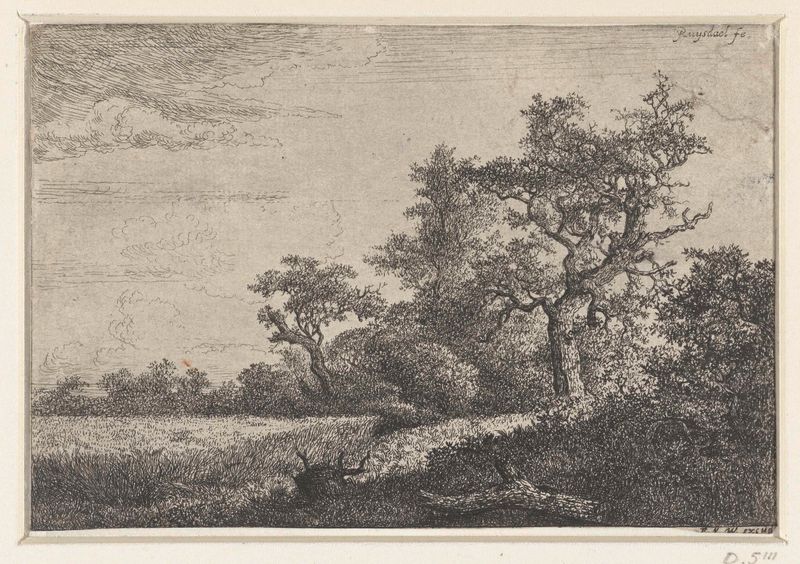
Het korenveld
Jacob Isaacksz van Ruisdael

De grote beuk
Jacob Isaacksz van Ruisdael

Landscape with Waterfall
Jacob Isaacksz van Ruisdael





