
De maaltijd in het huis van Zacheus; Zacheus in de vijgeboom — History & Facts
What secret hides in the quiet of the canvas? Beneath the mundane act of sharing a meal, a deeper turmoil brews, a haunting madness threading through the very fabric of the scene. Look to the left at the figure of Zacheus perched in the fig tree, his eyes wide with anticipation and perhaps a hint of desperation. The warm palette of ochres and deep greens wraps around the gathering, inviting the viewer in yet revealing a tension that contradicts the joviality of the meal below. Notice how the light diffuses through the branches, casting delicate shadows that dance upon the faces of those seated; their expressions range from curiosity to judgment, invoking a complex emotional interplay. Within the seemingly tranquil moment lies a contrast between sanctuary and scrutiny.
The lush fig leaves embrace Zacheus, symbolizing both refuge and isolation, embodying a life lived on the fringes. The gathering below, while appearing harmonious, harbors a sense of collective judgment—each observer grappling with their own preconceptions about the outcast above. This tension hints at underlying themes of acceptance and the madness of societal norms clashing with individual spirit. Created between 1485 and 1491, this work emerged during a period when the artist was establishing his identity in the vibrant artistic milieu of Northern Europe.
The late Gothic style was giving way to the Renaissance, and the Master of Antwerp was navigating these shifts while exploring deeply human themes. In a world grappling with faith and morality, this painting serves as both a reflection of social dynamics and a personal exploration of madness hidden beneath the surface.
More Artworks by Meester van Antwerpen (I)
Browse all →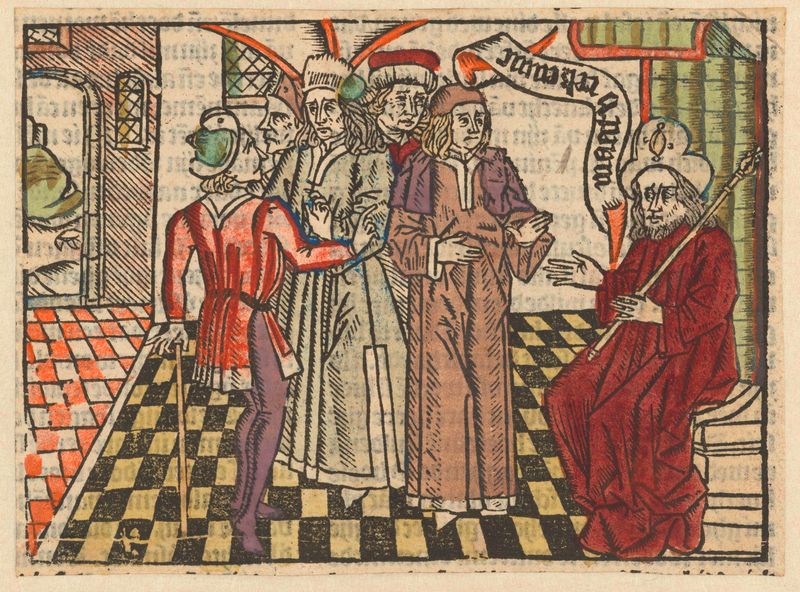
Parabel van de koning en de dienaar die geen vergiffenis schonk
Meester van Antwerpen (I)
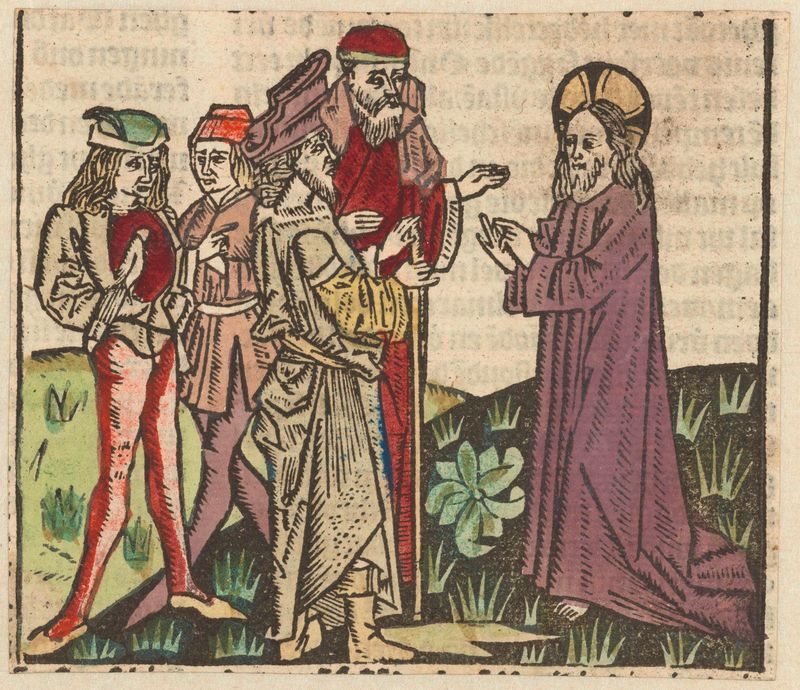
Christus in gesprek met Nicodemus
Meester van Antwerpen (I)
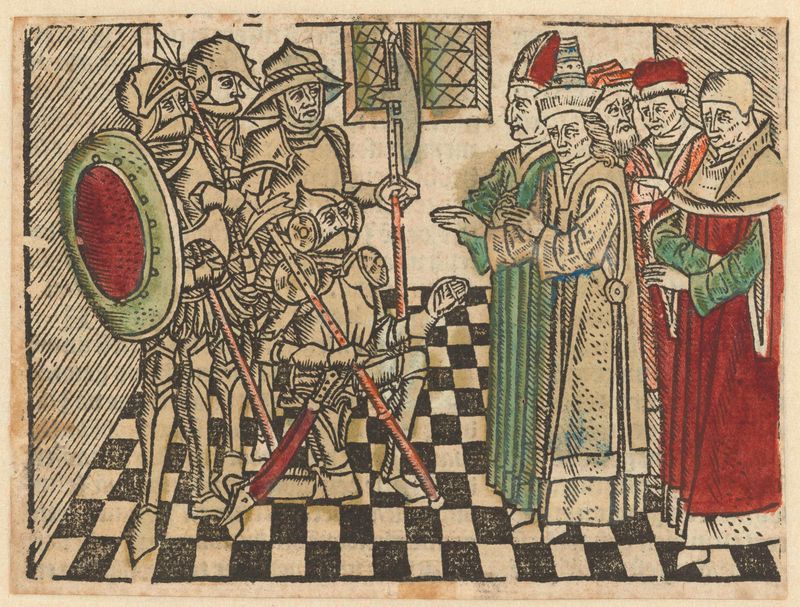
Soldaten berichten de hoge priesters dat Christus is herrezen
Meester van Antwerpen (I)
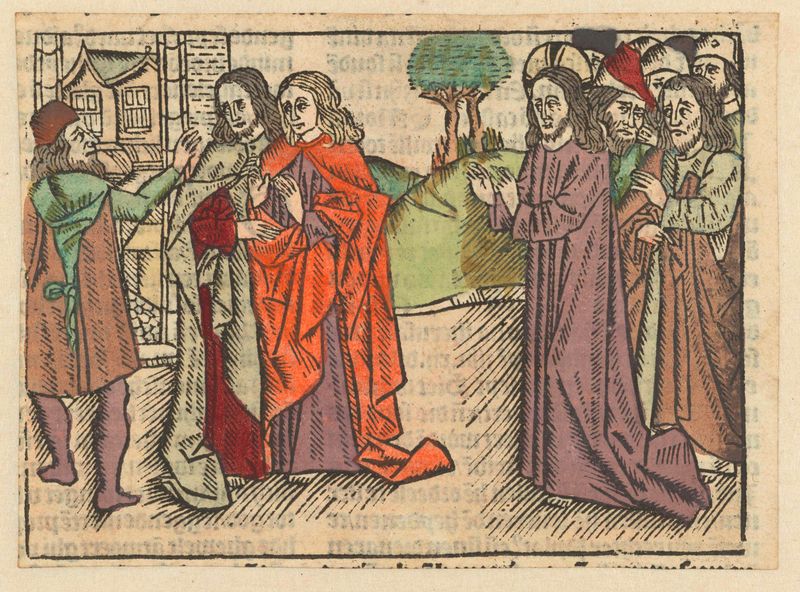
Een Samaritaan weigert Christus te ontvangen
Meester van Antwerpen (I)
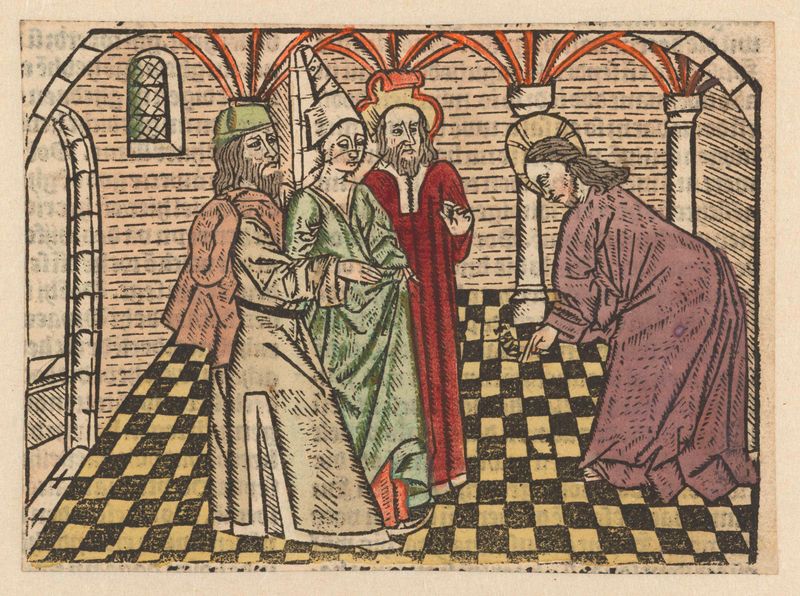
Christus en de overspelige vrouw
Meester van Antwerpen (I)
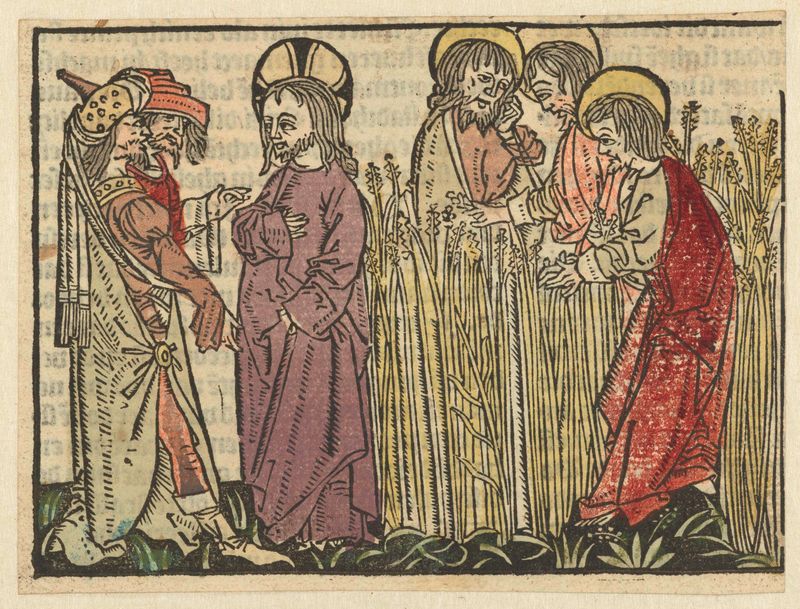
De discipelen plukken en eten aren op de sabbat
Meester van Antwerpen (I)
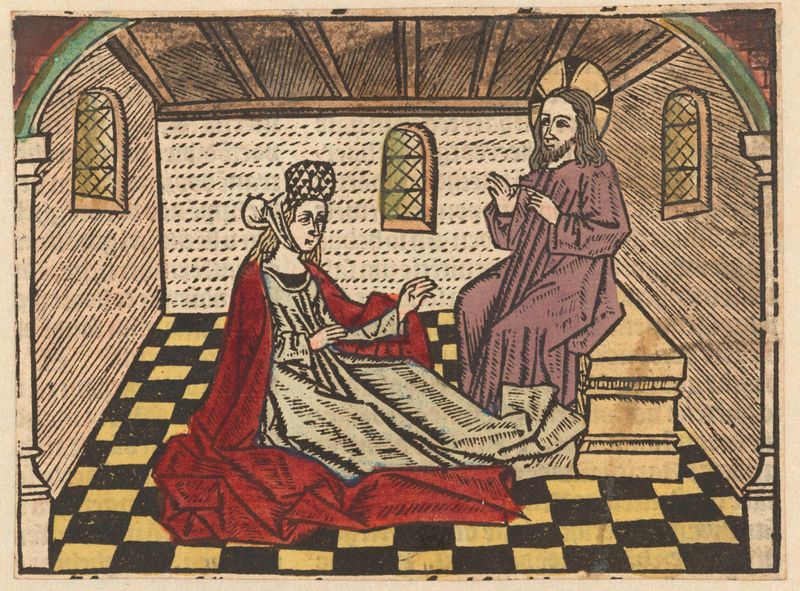
Maria Magdalena luistert naar Christus en bekeert zich
Meester van Antwerpen (I)
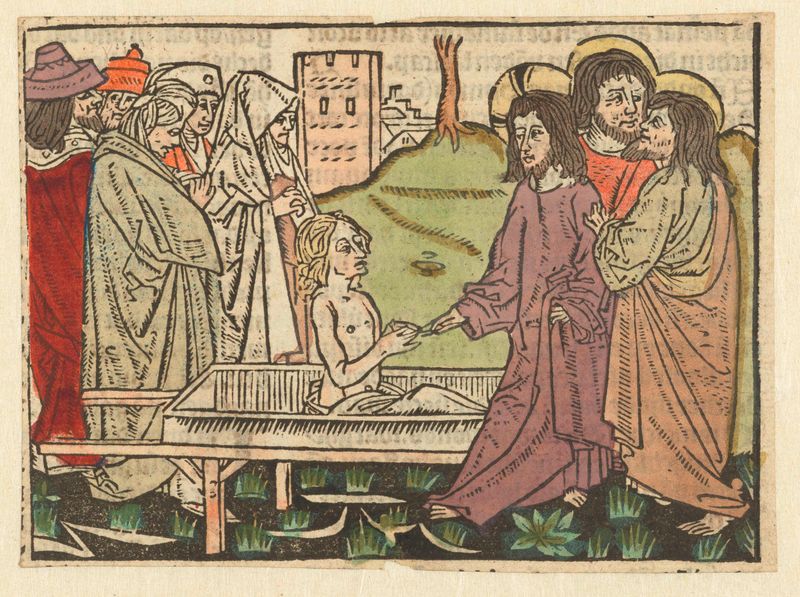
Opwekking van de zoon van de weduwe van Nain
Meester van Antwerpen (I)
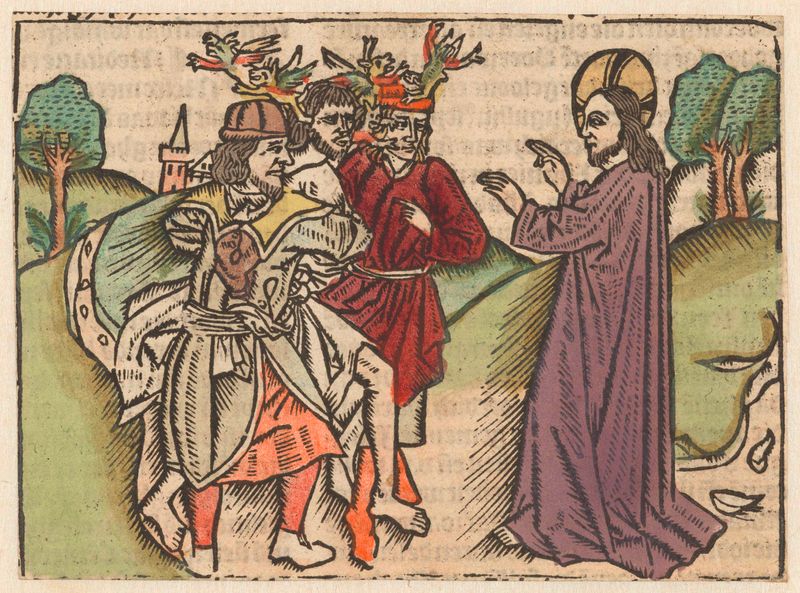
Christus geneest de bezeten man die niet kon spreken
Meester van Antwerpen (I)
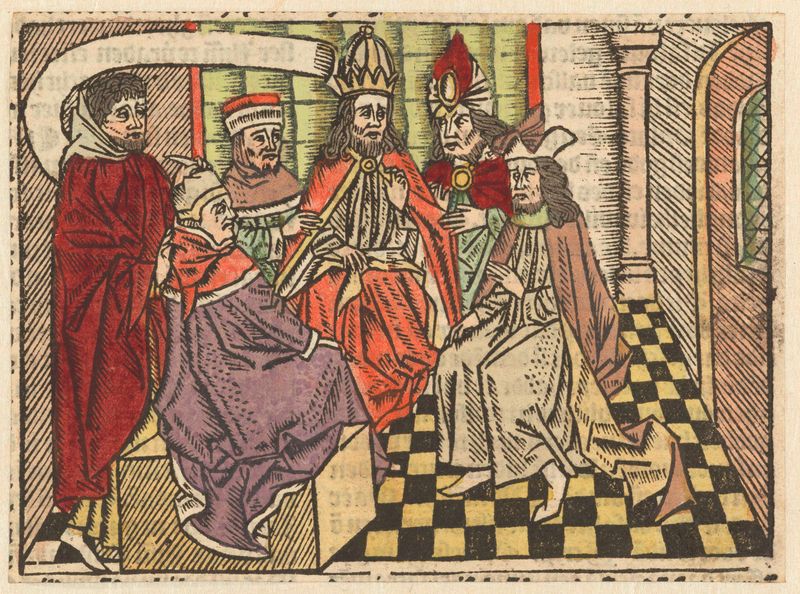
Judas bij de hogepriesters om Christus te verraden
Meester van Antwerpen (I)
More Religious Art
Browse all →
The Return of the Prodigal Son
Rembrandt van Rijn

The Garden of Earthly Delights
El Bosco

Count Orgaz’ funeral
El Greco

The Hundred Guilder Print: the central piece with Christ preaching, the plate arched
Rembrandt van Rijn

The Descent from the Cross
Rogier van der Weyden

The return of the prodigal son
Rembrandt van Rijn