
De monnik en de Dood — History & Facts
Where does light end, and longing begin? In the quiet embrace of De monnik en de Dood, the line blurs with every delicate stroke. Here, the stillness invites contemplation, urging the viewer to ponder their own mortality amid serene beauty. Focus first on the monk, seated in a moment of introspection. His garb, painted in muted earth tones, grounds him in the scene, while the soft play of light cascades down, illuminating his face and cast shadows that evoke a sense of solitude.
Notice how the delicate etching technique renders each fold of his robe with precision, allowing both texture and softness to coexist. The contrast between light and shadow not only highlights the figure but also suggests a deeper, spiritual dialogue with the specter of death hovering nearby. As you delve deeper, consider the poignant tension between life and death depicted in the artwork. The monk’s gaze, directed upwards, signifies a yearning for transcendence, while the faint outline of Death serves as a stark reminder of inevitability.
This duality evokes a profound emotional resonance, encapsulating the serenity found within the contemplation of mortality. In every detail, from the subtle expressions to the nuanced use of light, Hollar invites us to explore our own feelings towards life’s fleeting nature. Wenceslaus Hollar created this piece around 1680 during a period of personal and artistic transition. Residing in England after fleeing the Thirty Years' War, Hollar found inspiration in the Baroque style, which permeated the European art scene at the time.
His experience as an engraver provided him with a unique ability to blend detailed realism with an emotional depth that captures both the gravity of existence and the peace that can accompany acceptance of it.
More Artworks by Wenceslaus Hollar
Browse all →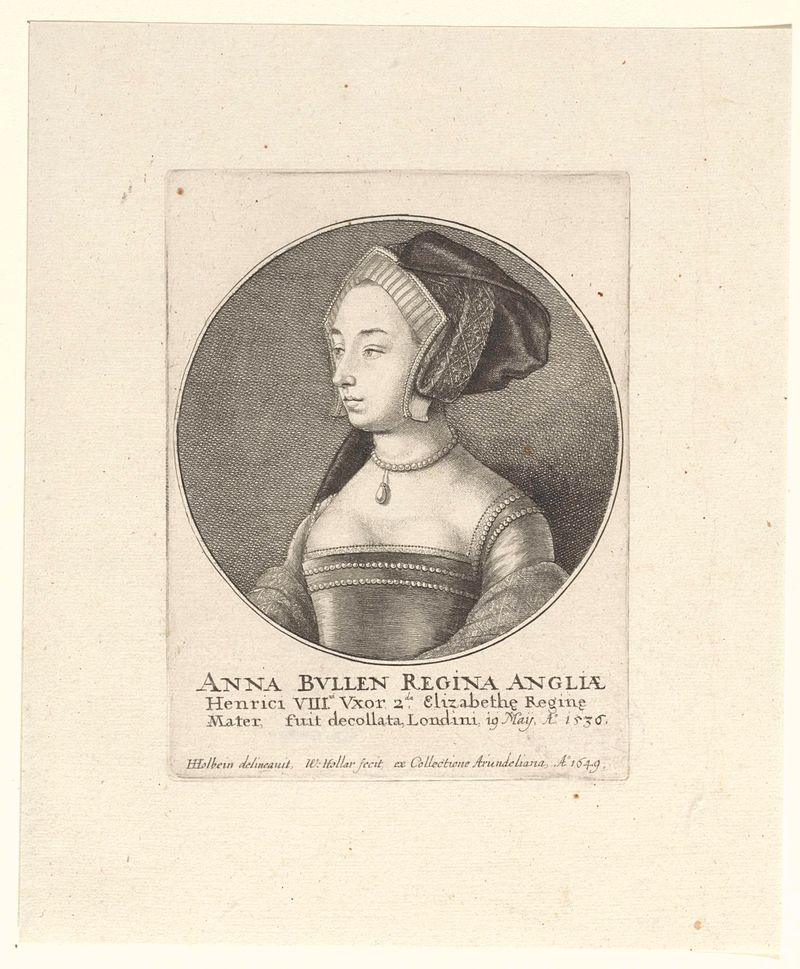
Portret van Anna Boleyn, koningin van Engeland
Wenceslaus Hollar
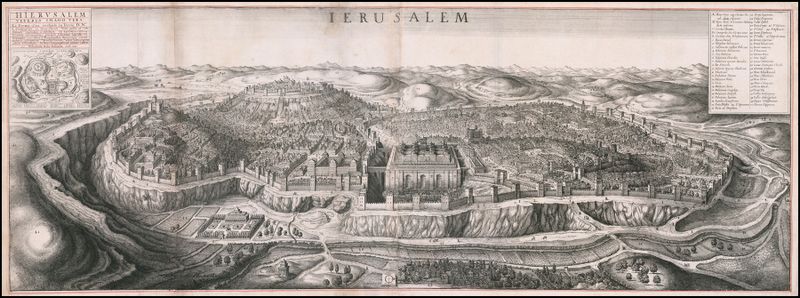
Bird’s eye view of Jerusalem
Wenceslaus Hollar
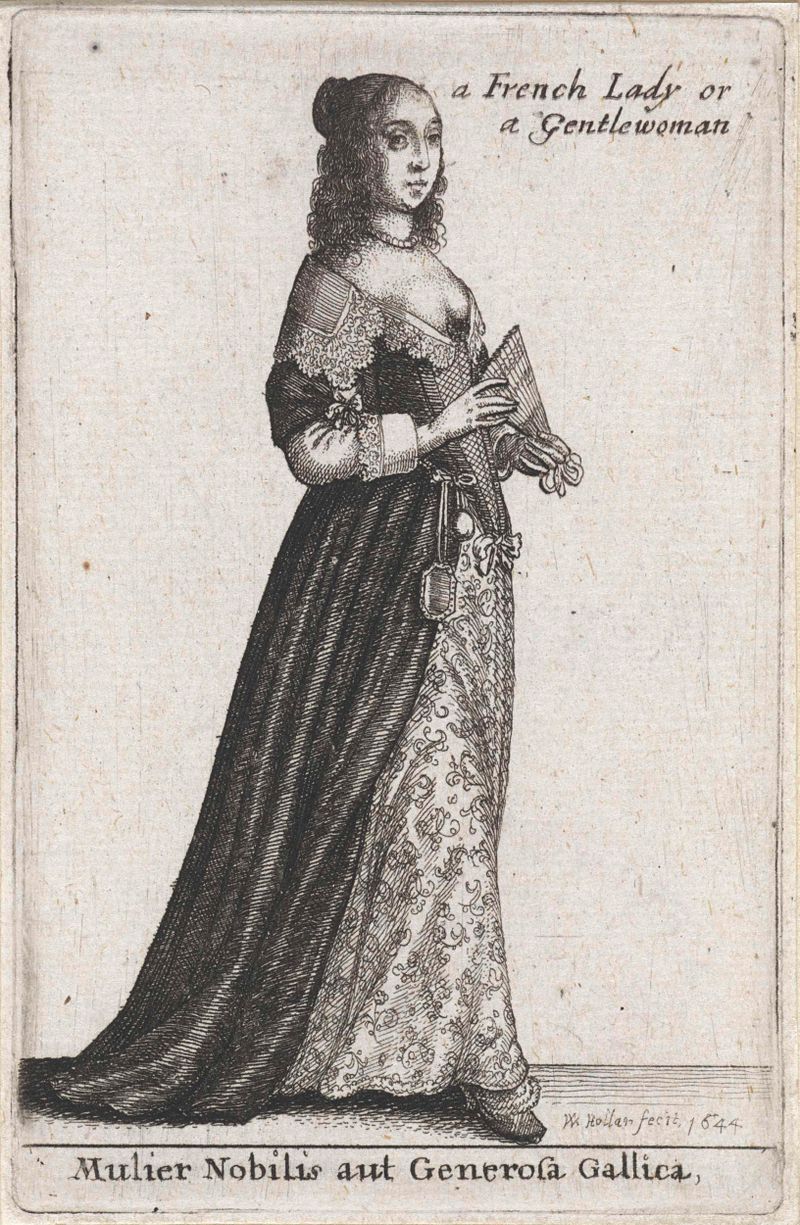
Mulier Nobilis aut Generosa Gallica / a French Lady or Gentlewoman
Wenceslaus Hollar
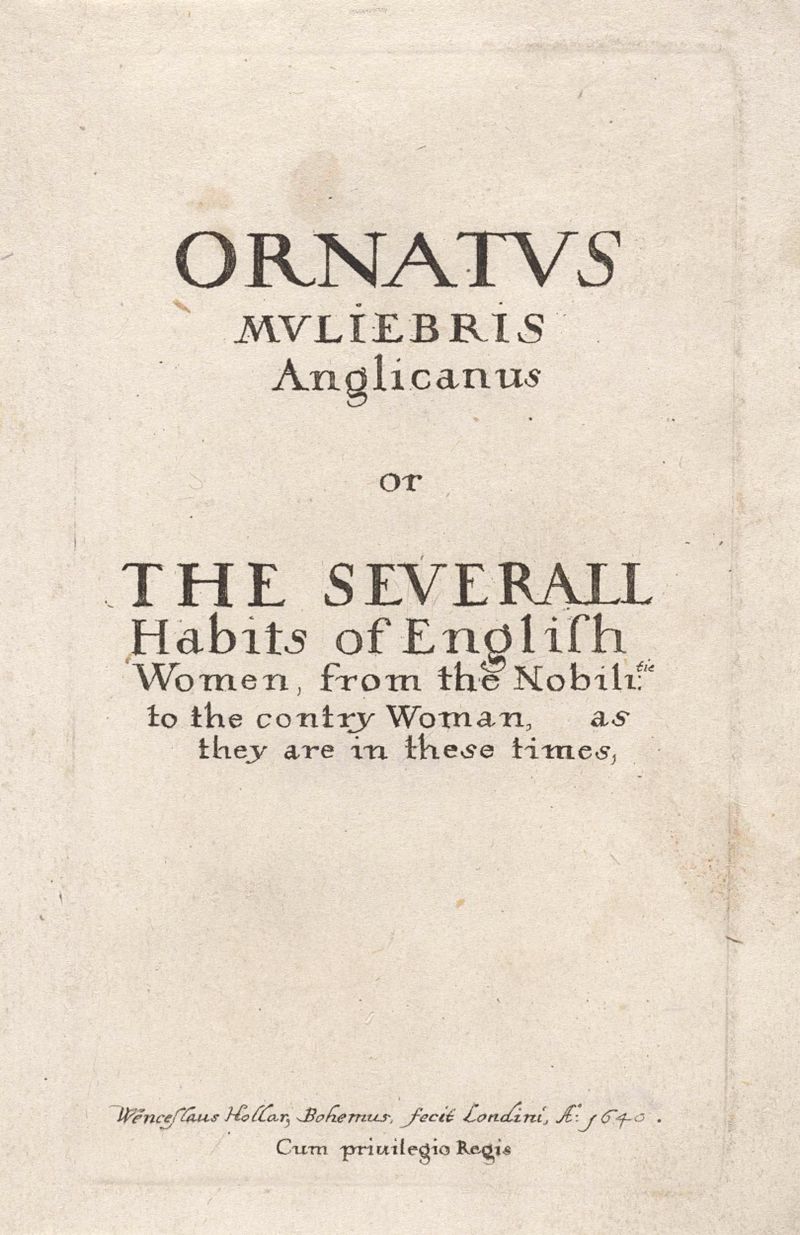
Titelprent voor: Ornatus Muliebris Anglicanus
Wenceslaus Hollar
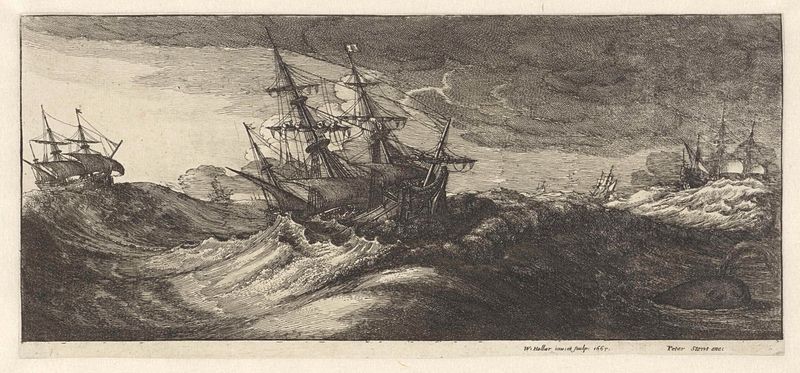
Oorlogsschepen en een walvis in een zeestorm
Wenceslaus Hollar
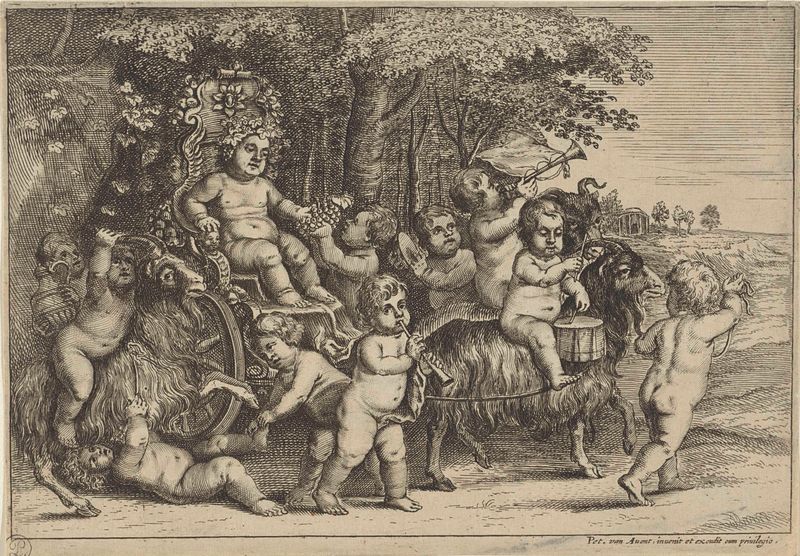
Optocht van bacchant en jongetjes op geiten
Wenceslaus Hollar
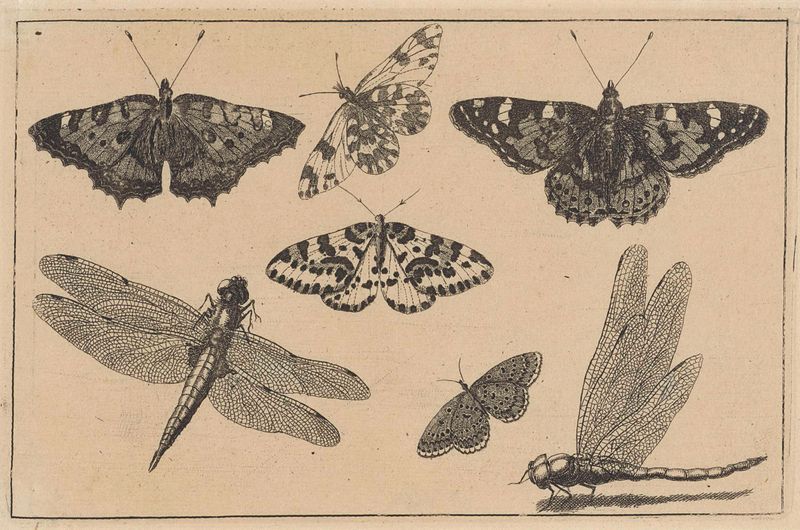
Twee libellen en vijf vlinders
Wenceslaus Hollar
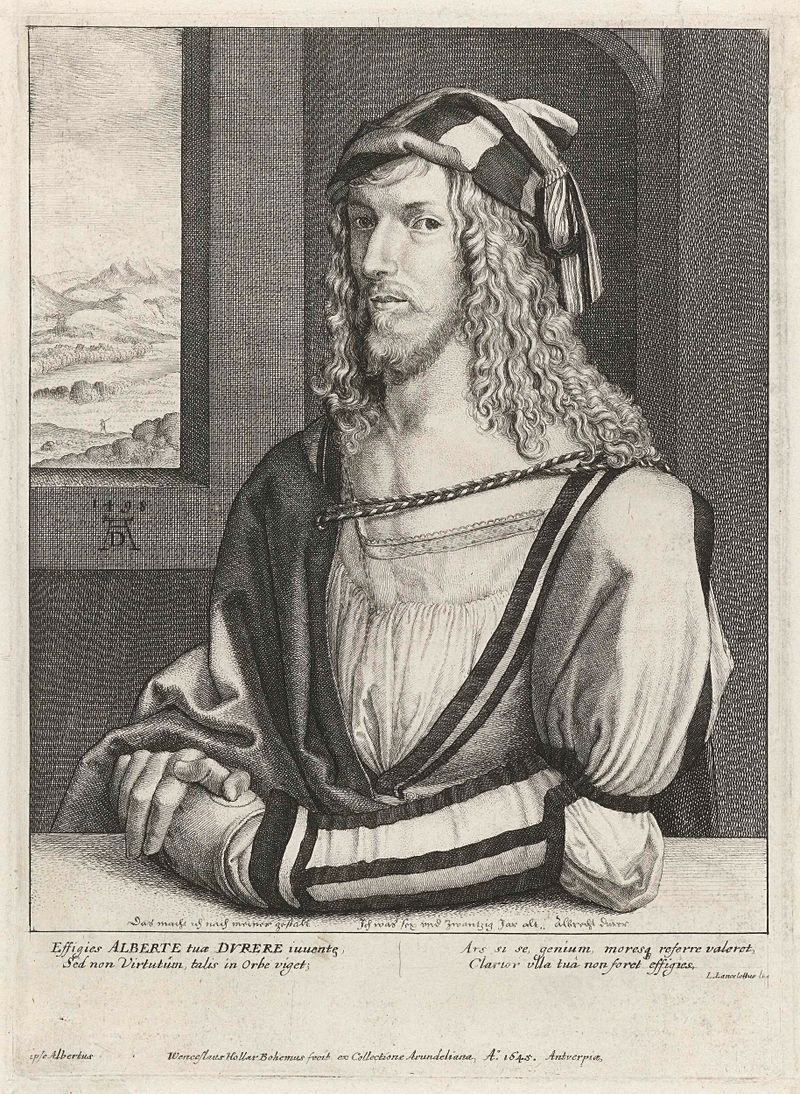
Portret van Albrecht Dürer
Wenceslaus Hollar
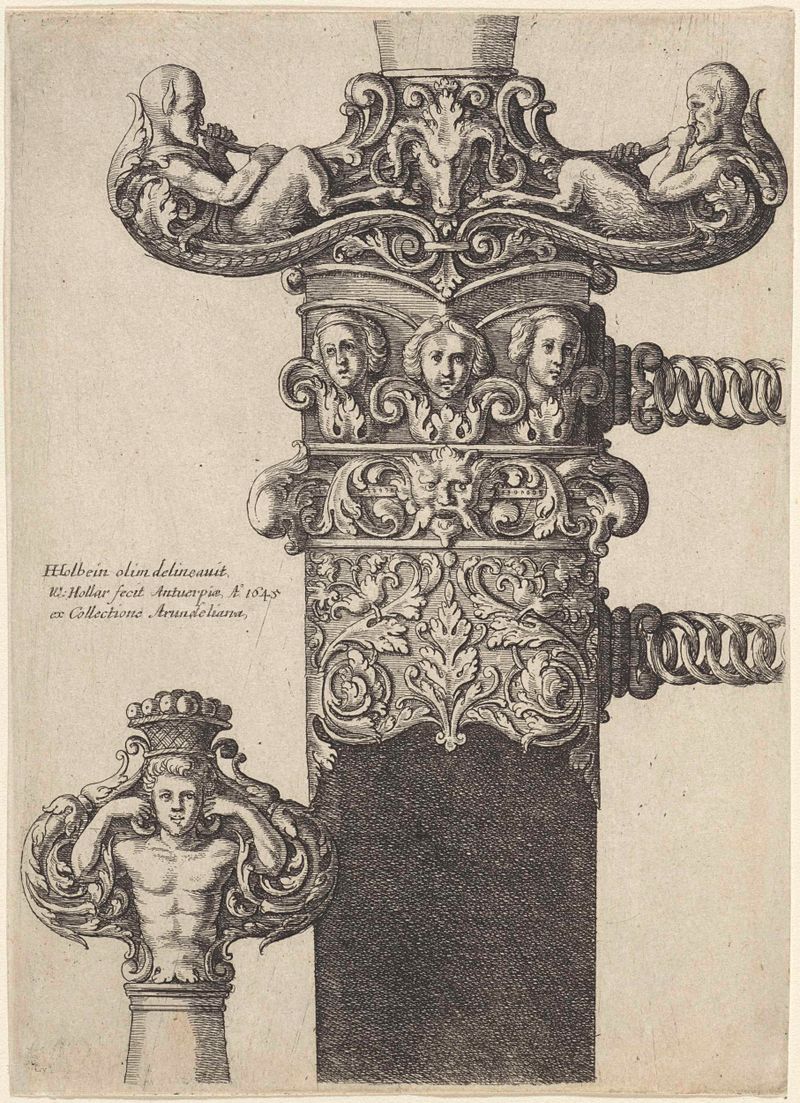
Ornamenteel ontwerp voor een dolk
Wenceslaus Hollar
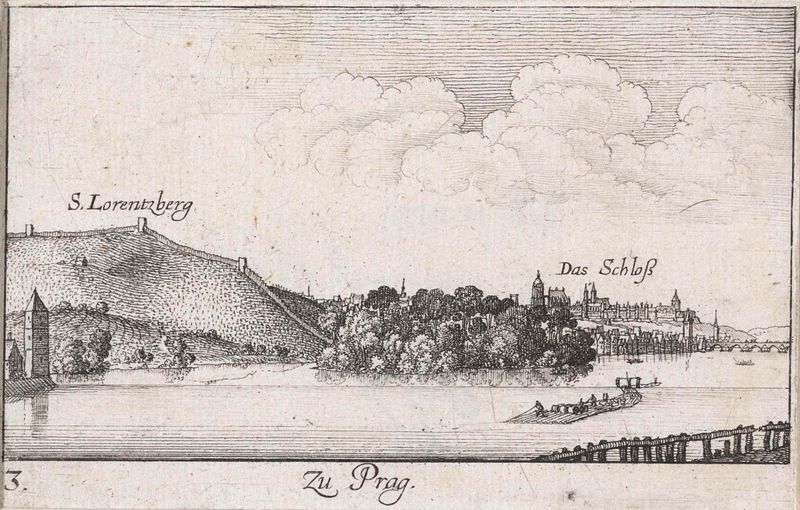
Gezicht op Praag vanaf de Moldau
Wenceslaus Hollar
More Religious Art
Browse all →
The Return of the Prodigal Son
Rembrandt van Rijn

The Garden of Earthly Delights
El Bosco

Count Orgaz’ funeral
El Greco

The Hundred Guilder Print: the central piece with Christ preaching, the plate arched
Rembrandt van Rijn

The Descent from the Cross
Rogier van der Weyden

The return of the prodigal son
Rembrandt van Rijn