
De monnik en de Dood — History & Facts
In the delicate dance of existence, movement embodies the essence of life — ephemeral, yet profound. Look closely at the center of the composition, where the monk, draped in muted robes, turns his gaze towards the skeletal figure of Death. The contrast between the soft browns and muted grays of the monk's clothing and the stark, bone-white of Death’s anatomy draws you in. Notice how the ink lines seem to pulse with energy, bringing a sense of urgency to the stillness of the figures.
The subtle gradation of tones creates a haunting atmosphere, where shadow and light intertwine, revealing the weight of mortality that hangs between them. The tension between the monk and Death unveils a deeper narrative about the inevitability of fate and the contemplation of life. The monk’s outstretched arm suggests a movement of acceptance or perhaps a plea for understanding — a reflection of the human condition in its quest for meaning. In the background, the faint outlines of a landscape symbolize the transient nature of life, while the starkness of Death evokes a contrast that prompts reflection on the dualities of existence: life and death, hope and despair. In 1651, Wenceslaus Hollar created this work against the backdrop of a Europe caught in the throes of war and plague.
Living in England after fleeing his native Prague, he faced the disquiet of his time, pulling from his experiences to create poignant artworks. This piece is a testament to his mastery of line and form, echoing the baroque sensibilities that permeated the art world while encapsulating the existential questions that resounded in both his life and the lives of those around him.
More Artworks by Wenceslaus Hollar
Browse all →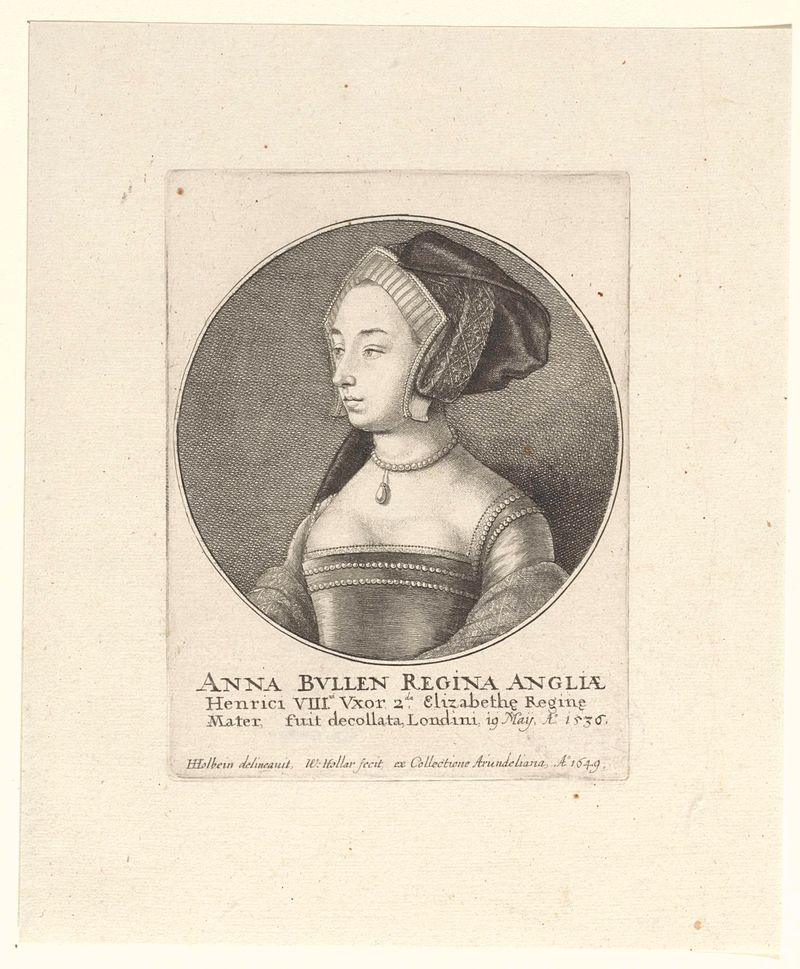
Portret van Anna Boleyn, koningin van Engeland
Wenceslaus Hollar
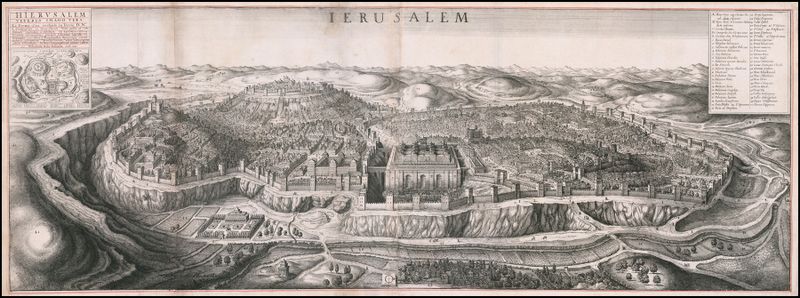
Bird’s eye view of Jerusalem
Wenceslaus Hollar
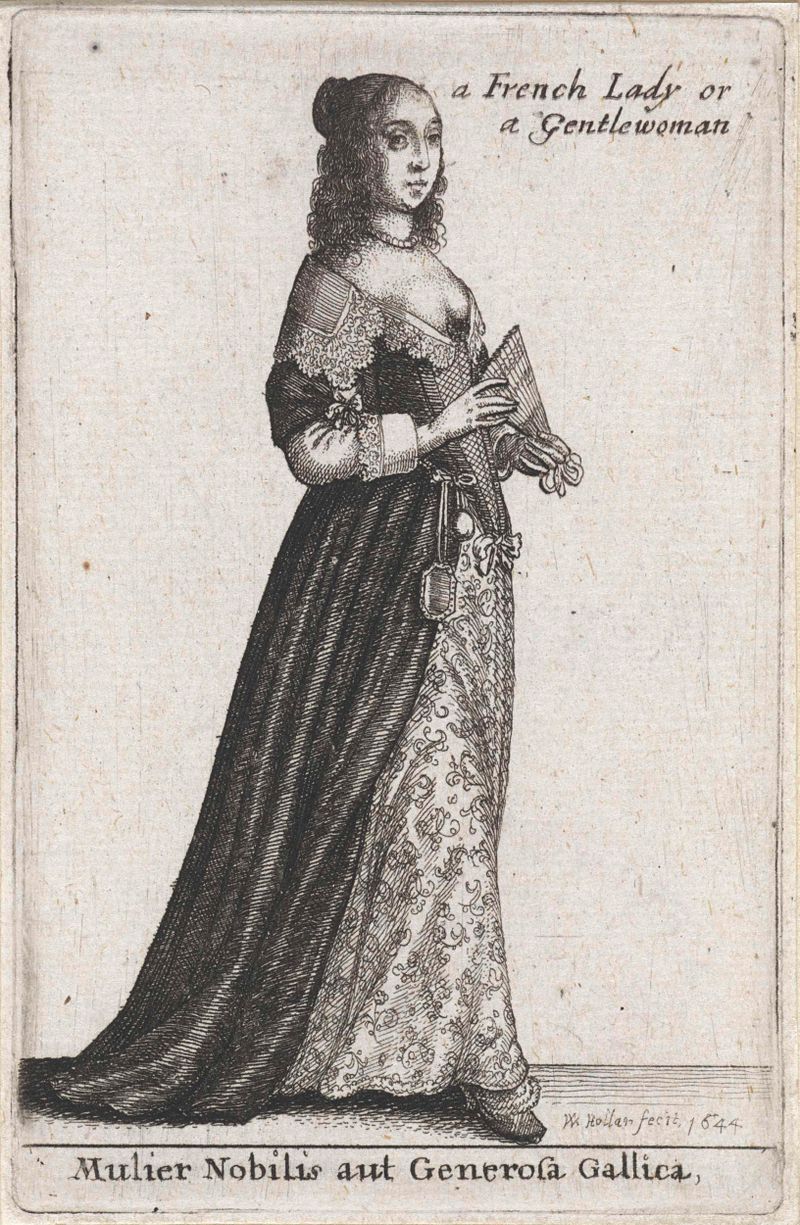
Mulier Nobilis aut Generosa Gallica / a French Lady or Gentlewoman
Wenceslaus Hollar
Titelprent voor: Ornatus Muliebris Anglicanus
Wenceslaus Hollar
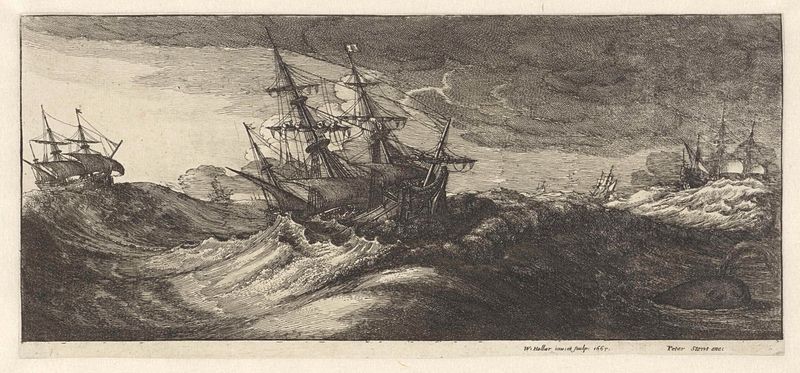
Oorlogsschepen en een walvis in een zeestorm
Wenceslaus Hollar
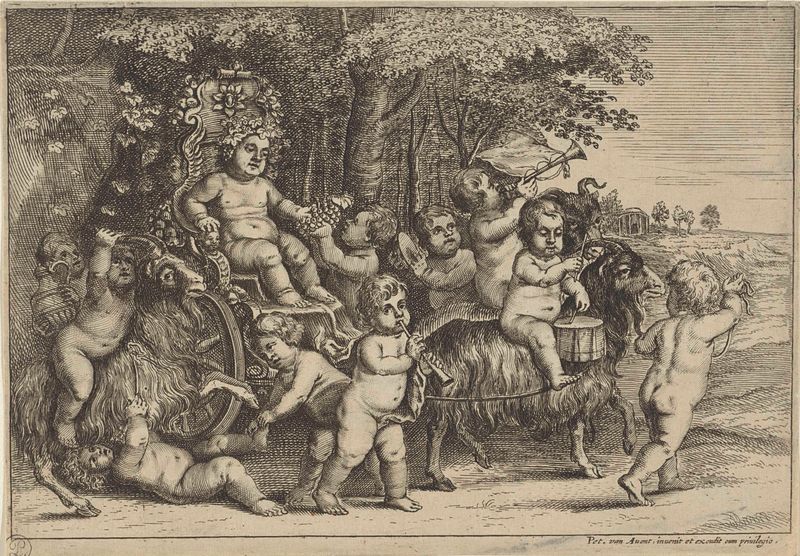
Optocht van bacchant en jongetjes op geiten
Wenceslaus Hollar
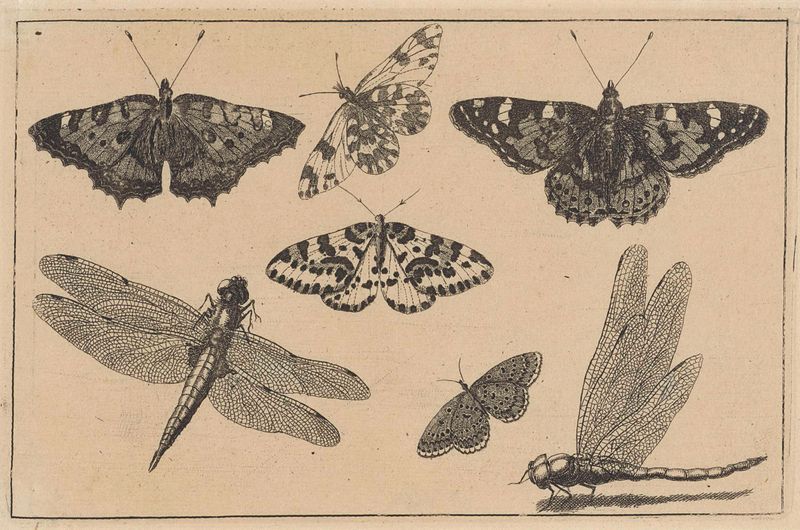
Twee libellen en vijf vlinders
Wenceslaus Hollar
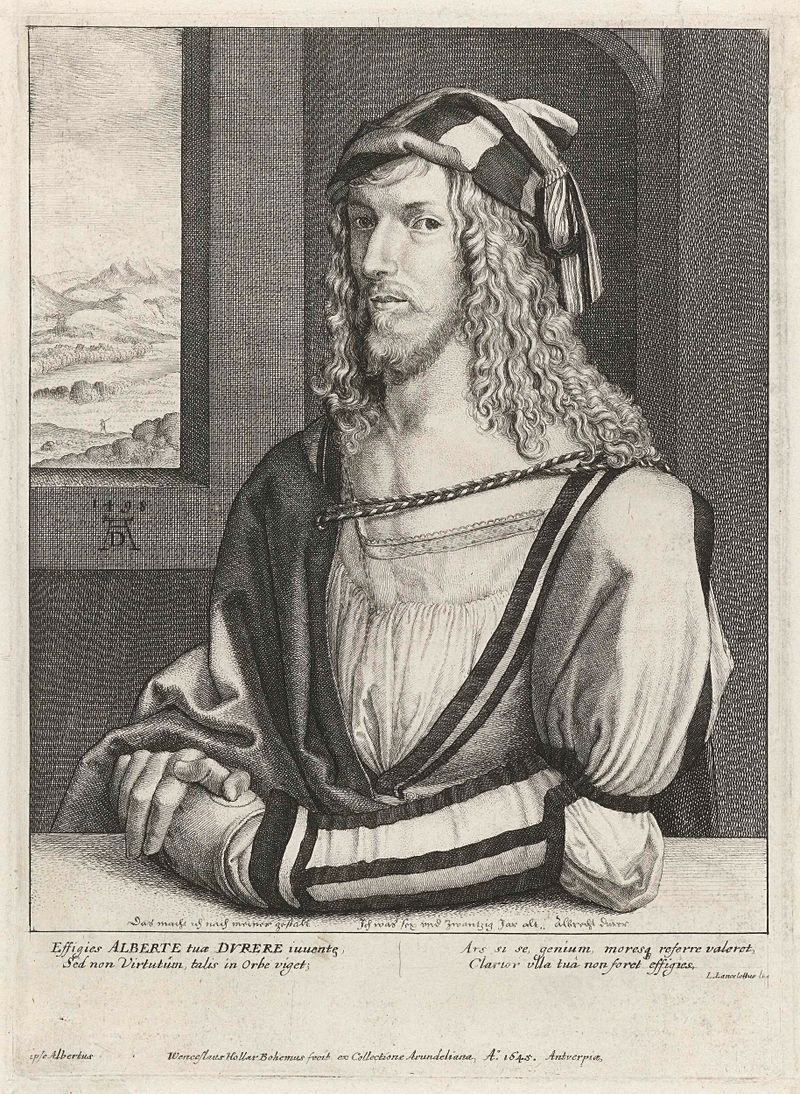
Portret van Albrecht Dürer
Wenceslaus Hollar
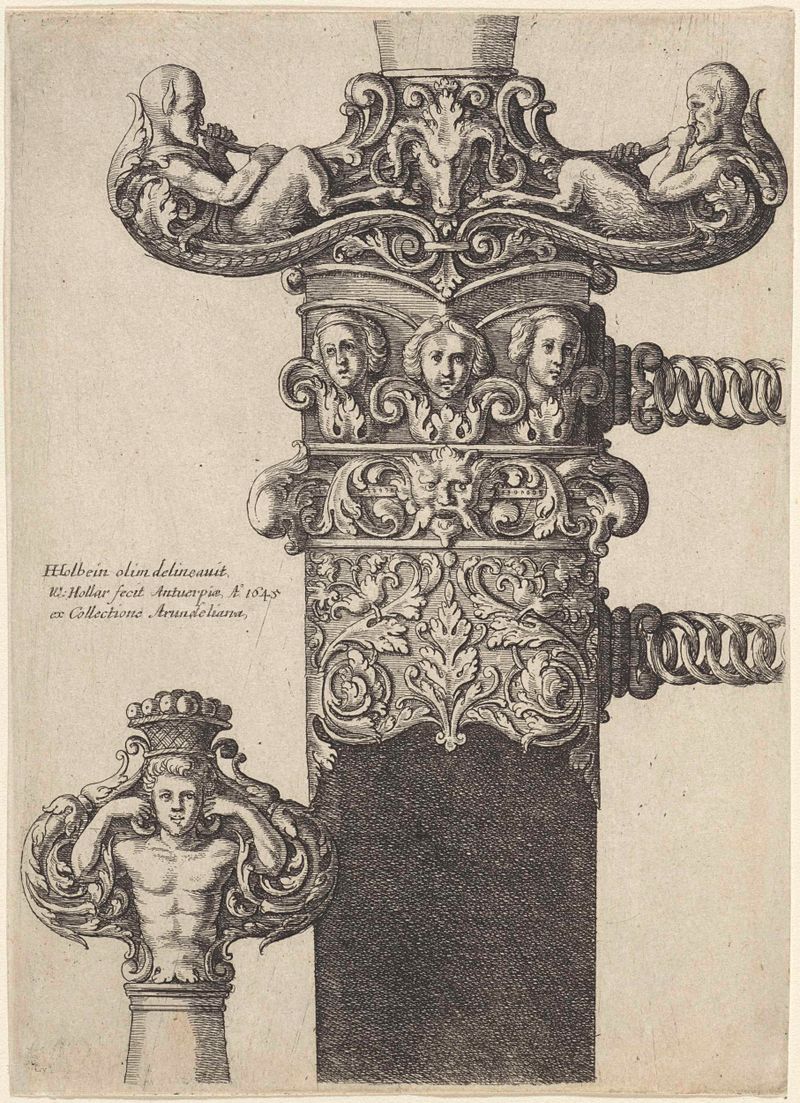
Ornamenteel ontwerp voor een dolk
Wenceslaus Hollar
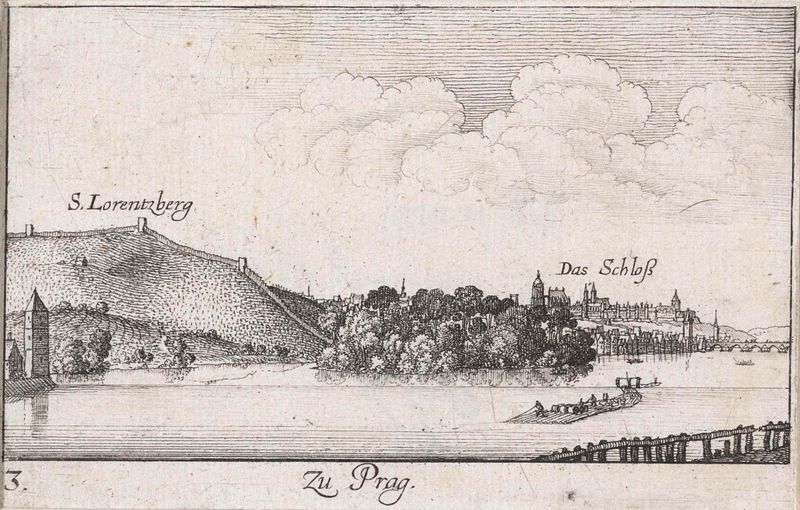
Gezicht op Praag vanaf de Moldau
Wenceslaus Hollar
More Religious Art
Browse all →
The Return of the Prodigal Son
Rembrandt van Rijn

The Garden of Earthly Delights
El Bosco

Count Orgaz’ funeral
El Greco

The Hundred Guilder Print: the central piece with Christ preaching, the plate arched
Rembrandt van Rijn

The Descent from the Cross
Rogier van der Weyden

The return of the prodigal son
Rembrandt van Rijn