
De non en de Dood — History & Facts
In a world that often dismisses the ethereal, how does faith linger in our memories? Look closely at the central figure, a robed man contorted in a moment of introspection. Notice how his gaze drifts heavenward, illuminated by a spectral light that infuses the scene with a sense of transcendence. The contrasting dark tones surrounding him amplify the brilliance of the light, creating a heavenly aura that draws the eye.
Hollar’s intricate lines and delicate textures tell of a masterful hand, evoking both the fragility of existence and the strength of belief. Amidst the somber backdrop, hidden tensions unfold. The juxtaposition of light and shadow speaks to the duality of life and death, inviting viewers to contemplate their own mortality. The figure’s solitude suggests a deep spiritual grappling, a profound confrontation with faith amid uncertainty.
Each detail, from the folds of his garment to the wisps of ethereal light, beckons us to engage with our own beliefs and the mysteries that lie beyond. Wenceslaus Hollar created De non en de Dood in 1651, a tumultuous time marked by religious strife and shifting artistic movements in Europe. Living in London after fleeing the Thirty Years' War, Hollar’s work reflected both personal upheaval and the broader cultural dialogues of the time. The painting resonates with a quest for understanding amid the chaos, intertwining the artist’s experiences with universal themes of faith and existence.
More Artworks by Wenceslaus Hollar
Browse all →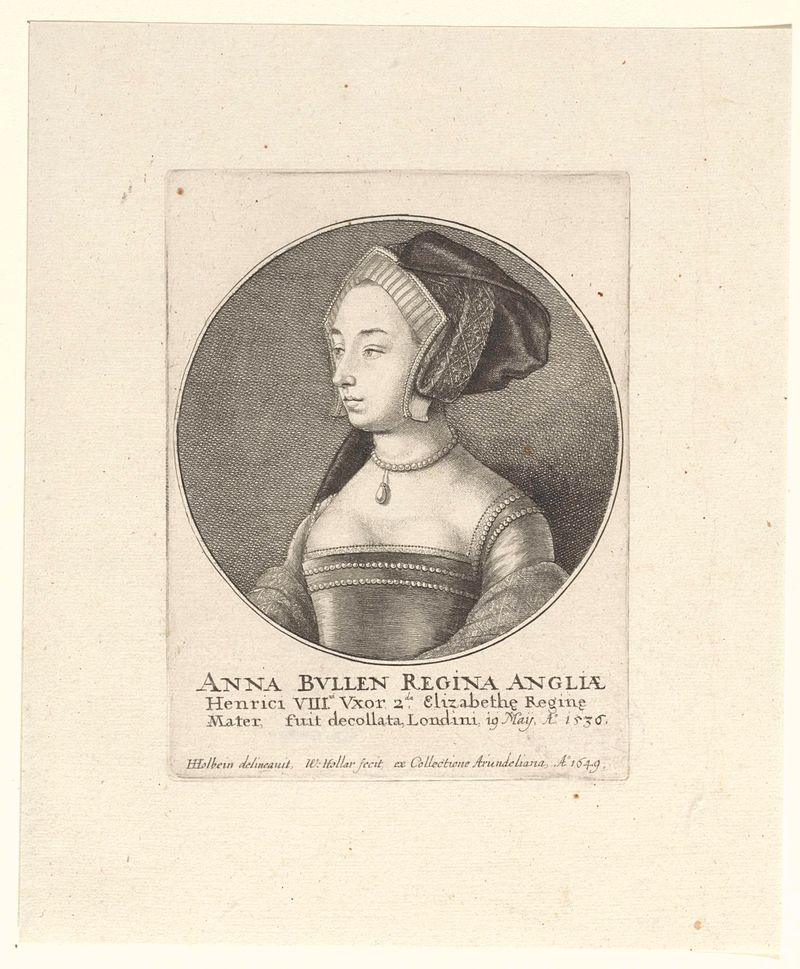
Portret van Anna Boleyn, koningin van Engeland
Wenceslaus Hollar
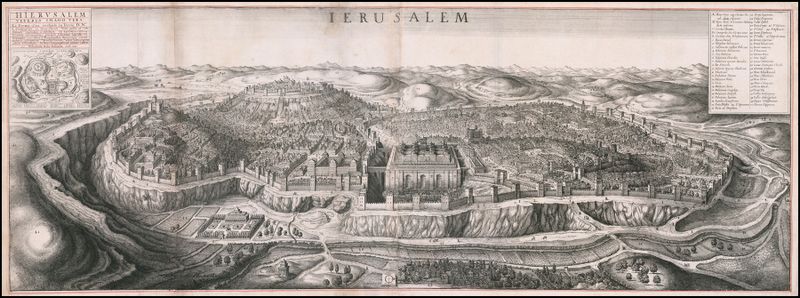
Bird’s eye view of Jerusalem
Wenceslaus Hollar
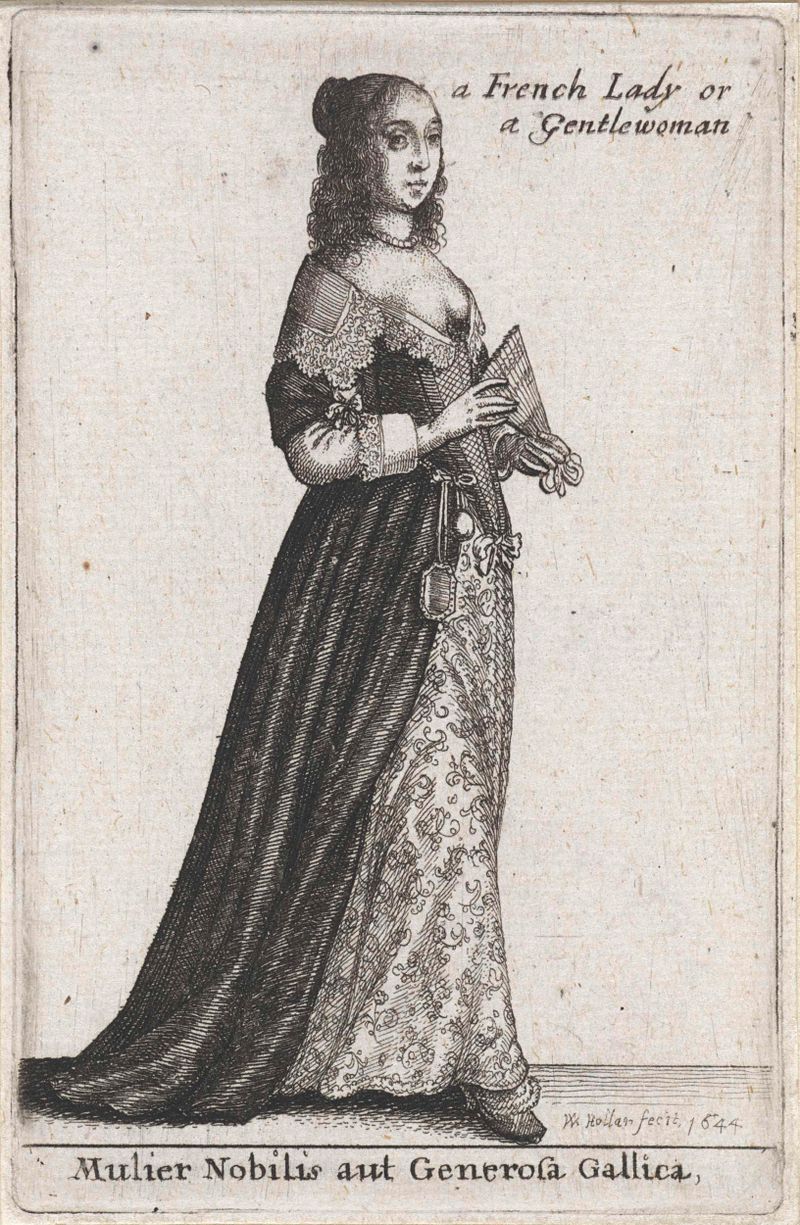
Mulier Nobilis aut Generosa Gallica / a French Lady or Gentlewoman
Wenceslaus Hollar
Titelprent voor: Ornatus Muliebris Anglicanus
Wenceslaus Hollar
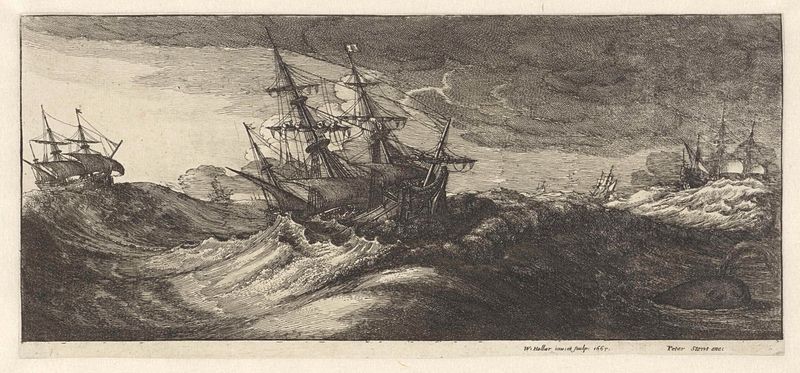
Oorlogsschepen en een walvis in een zeestorm
Wenceslaus Hollar
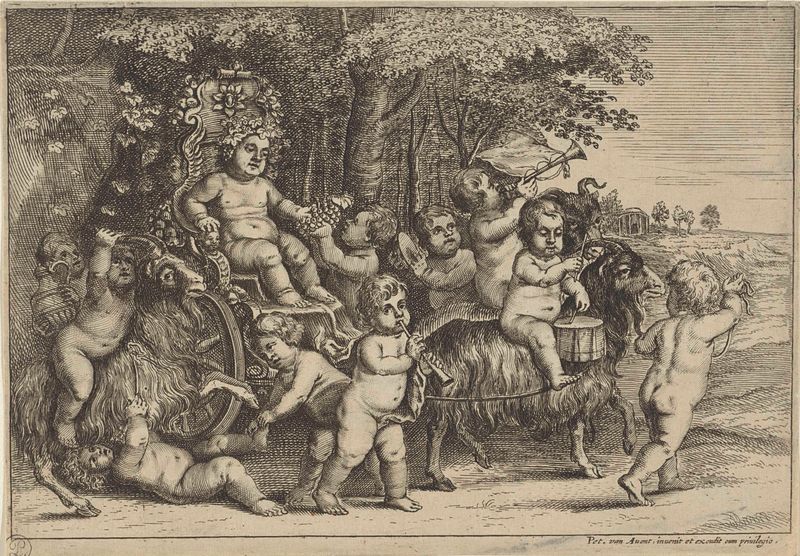
Optocht van bacchant en jongetjes op geiten
Wenceslaus Hollar
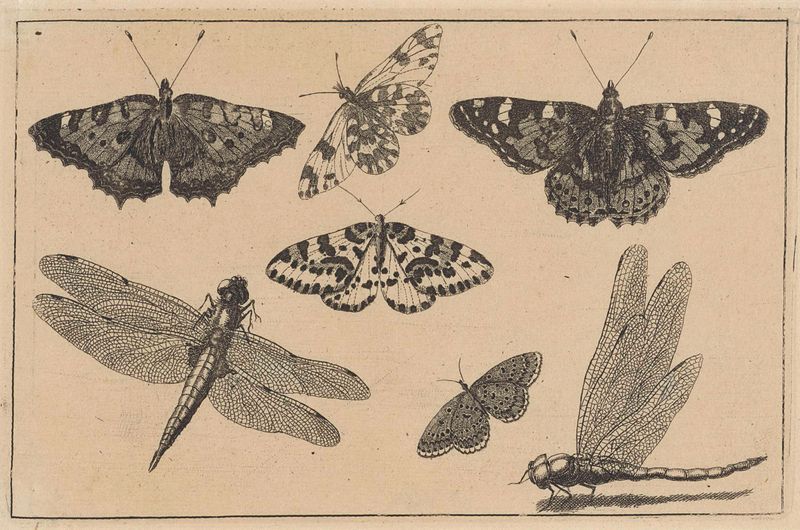
Twee libellen en vijf vlinders
Wenceslaus Hollar
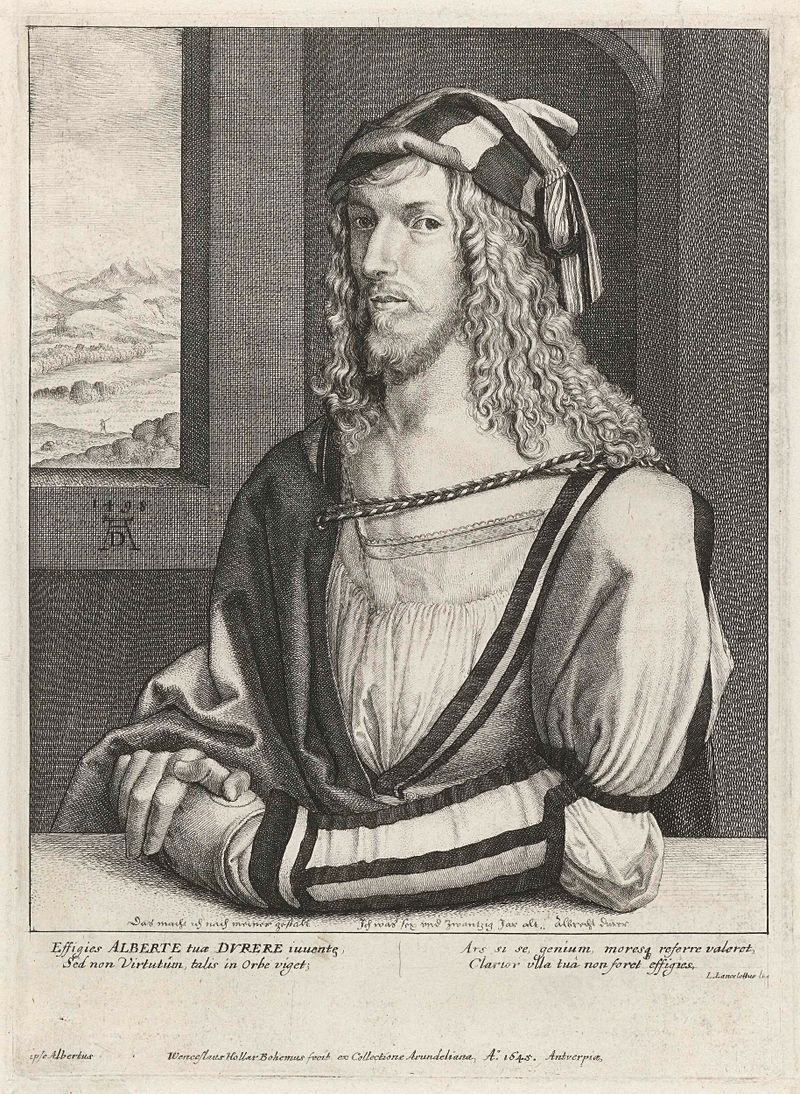
Portret van Albrecht Dürer
Wenceslaus Hollar
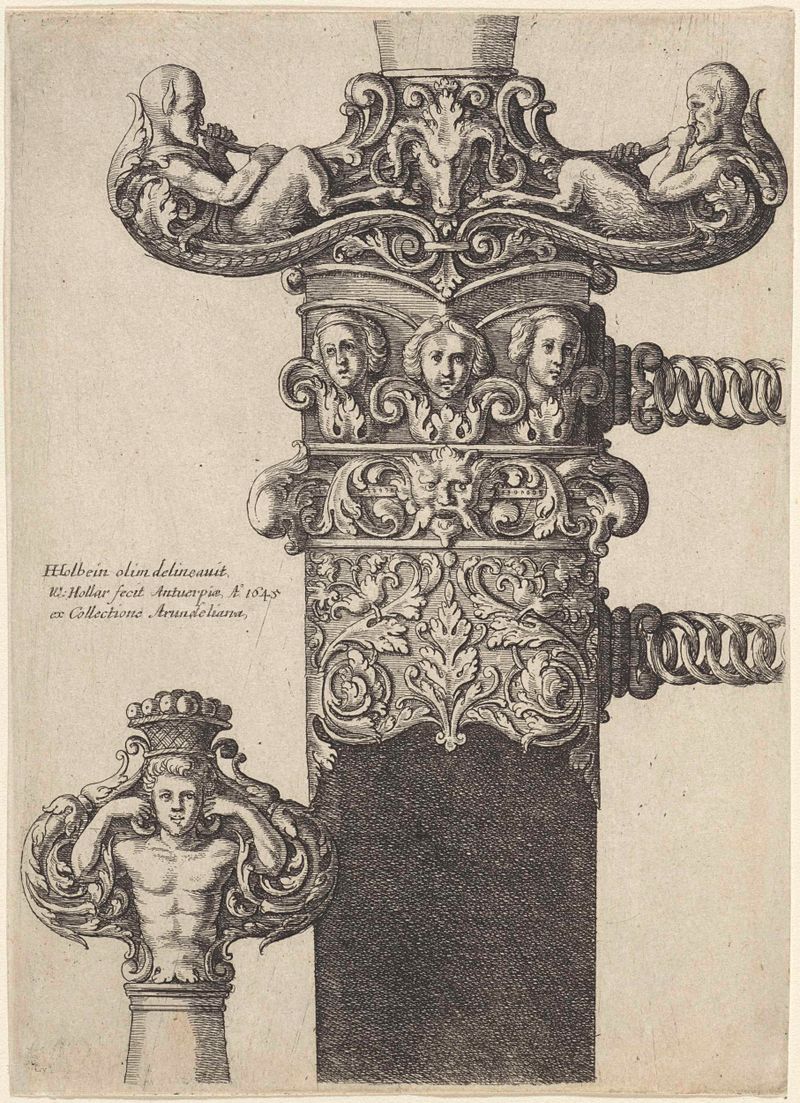
Ornamenteel ontwerp voor een dolk
Wenceslaus Hollar
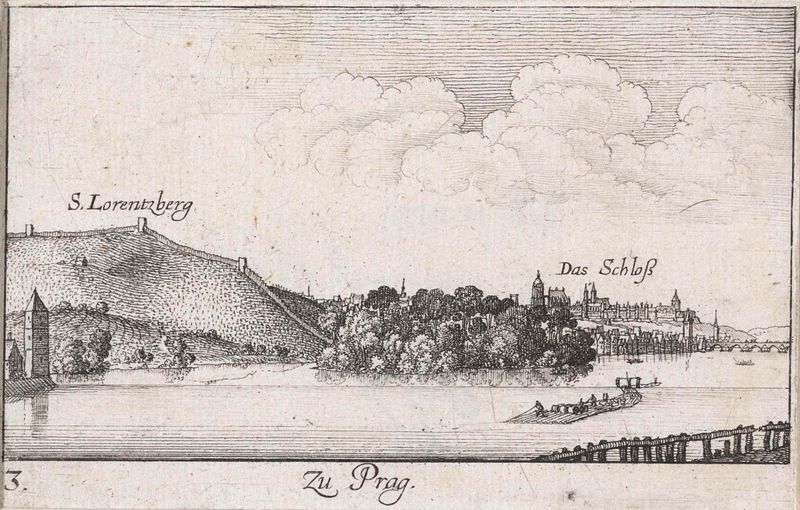
Gezicht op Praag vanaf de Moldau
Wenceslaus Hollar
More Religious Art
Browse all →
The Return of the Prodigal Son
Rembrandt van Rijn

The Garden of Earthly Delights
El Bosco

Count Orgaz’ funeral
El Greco

The Hundred Guilder Print: the central piece with Christ preaching, the plate arched
Rembrandt van Rijn

The Descent from the Cross
Rogier van der Weyden

The return of the prodigal son
Rembrandt van Rijn