
De ongelijke liefde: een oude man met een jonge vrouw — History & Facts
In De ongelijke liefde: een oude man met een jonge vrouw, truth unfurls itself in a delicate yet disquieting manner. The juxtaposition of age and youth, passion and restraint, invites contemplation on the nature of love itself. Look to the left, where the elderly man’s gaunt features and deep-set eyes seem to speak volumes; they capture a life of experience, perhaps even yearning. Notice the soft, almost ethereal quality of the young woman beside him, her youthful glow accentuated by the gentle brushwork that lends her an air of innocence.
The subtle interplay of light and shadow not only defines their physical forms but also highlights the emotional distance between them, suggesting the complexity of their relationship. The contrasting expressions—the man's pensive gaze and the girl’s tender smile—draw the viewer into their disparate worlds. The richness of the colors, with deep browns and soft pastels, contrasts the warm intimacy of their proximity with a stark reminder of societal norms. This tension forms a dialogue about unrequited love, vulnerability, and the societal boundaries that define emotional connections. Created between 1493 and 1497, this piece marks a pivotal moment in Albrecht Dürer’s career, as he navigated the evolving landscape of Northern Renaissance art.
During this period, Dürer was deeply influenced by humanism, reflecting the complexities of human relationships. The artwork encapsulates both personal introspection and broader cultural conversations about love and age, making it a resonant commentary that transcends time.
More Artworks by Albrecht Dürer

Melancholia
Albrecht Dürer

St. George and the dragon.
Albrecht Dürer
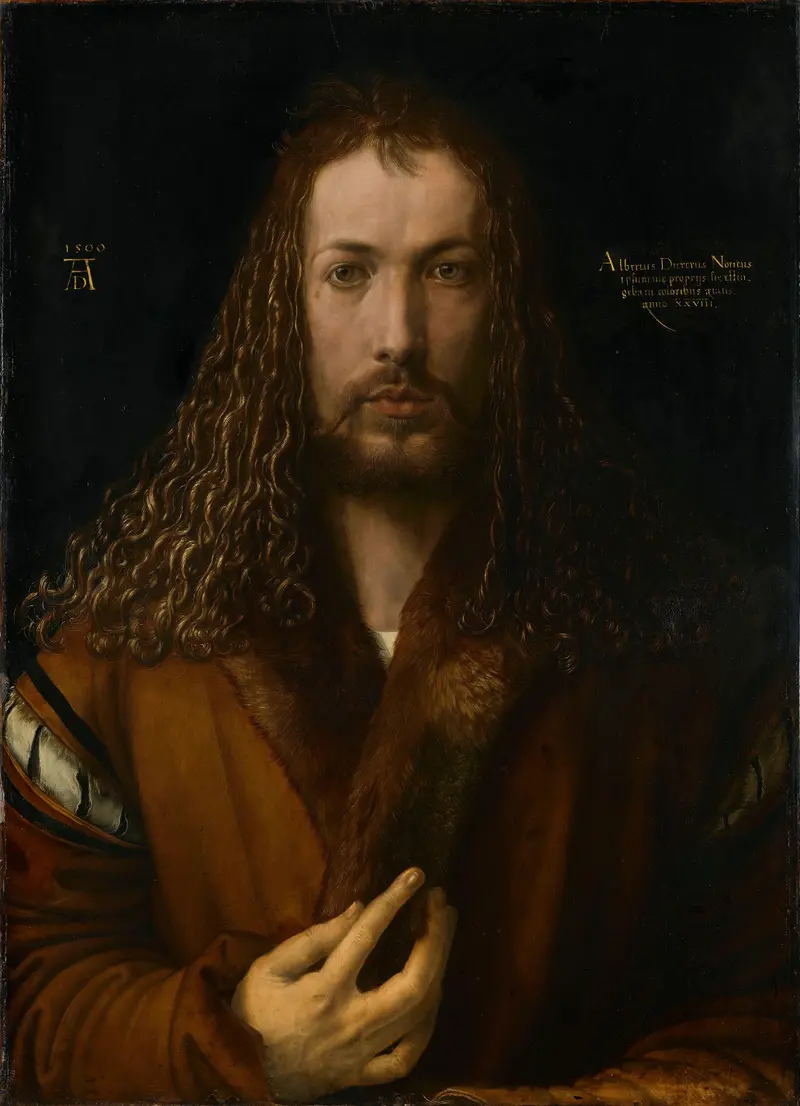
Self-Portrait with Fur-Trimmed Robe
Albrecht Dürer

Wing of a European Roller
Albrecht Dürer
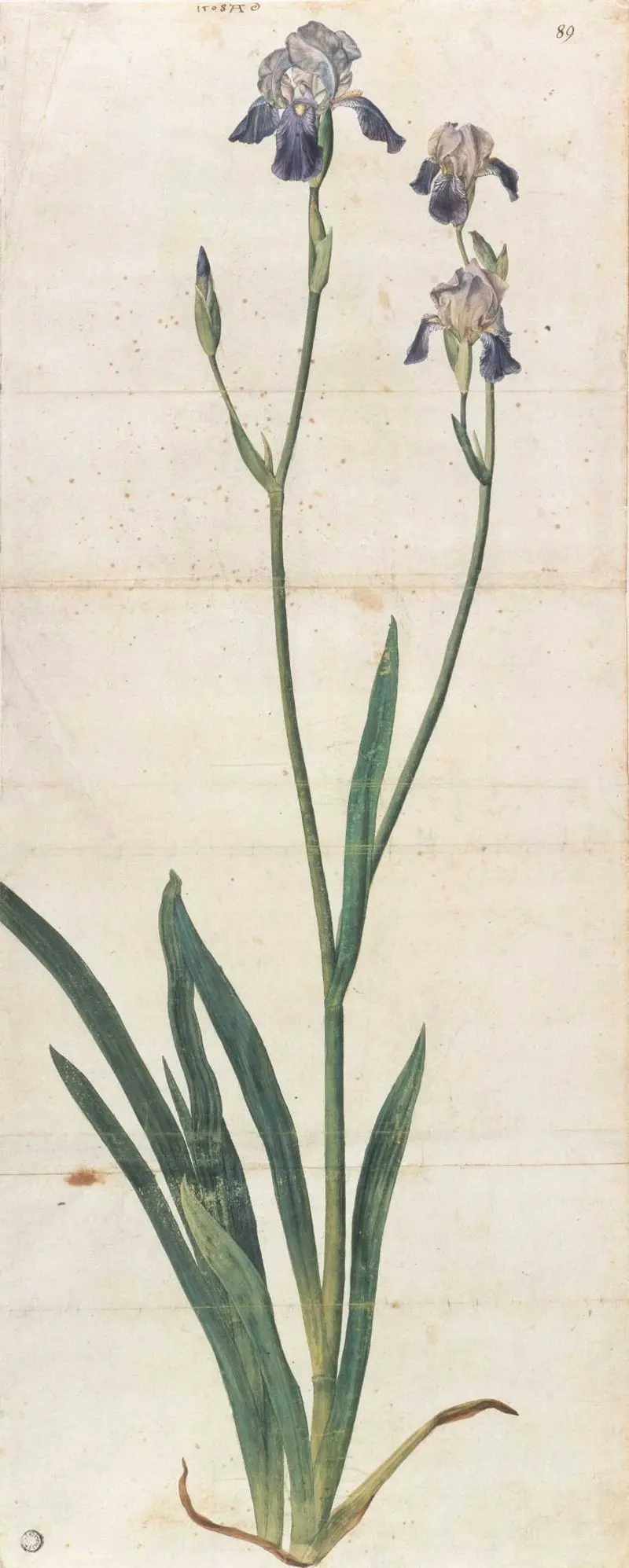
Iris
Albrecht Dürer
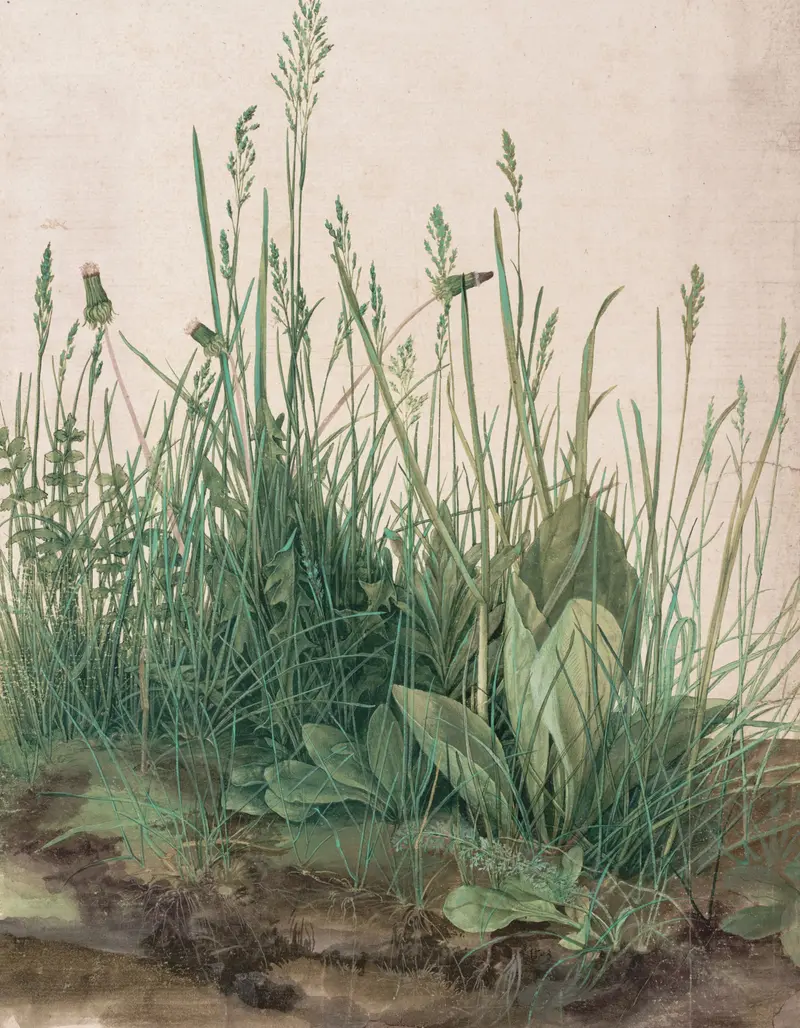
The Great Piece of Turf
Albrecht Dürer
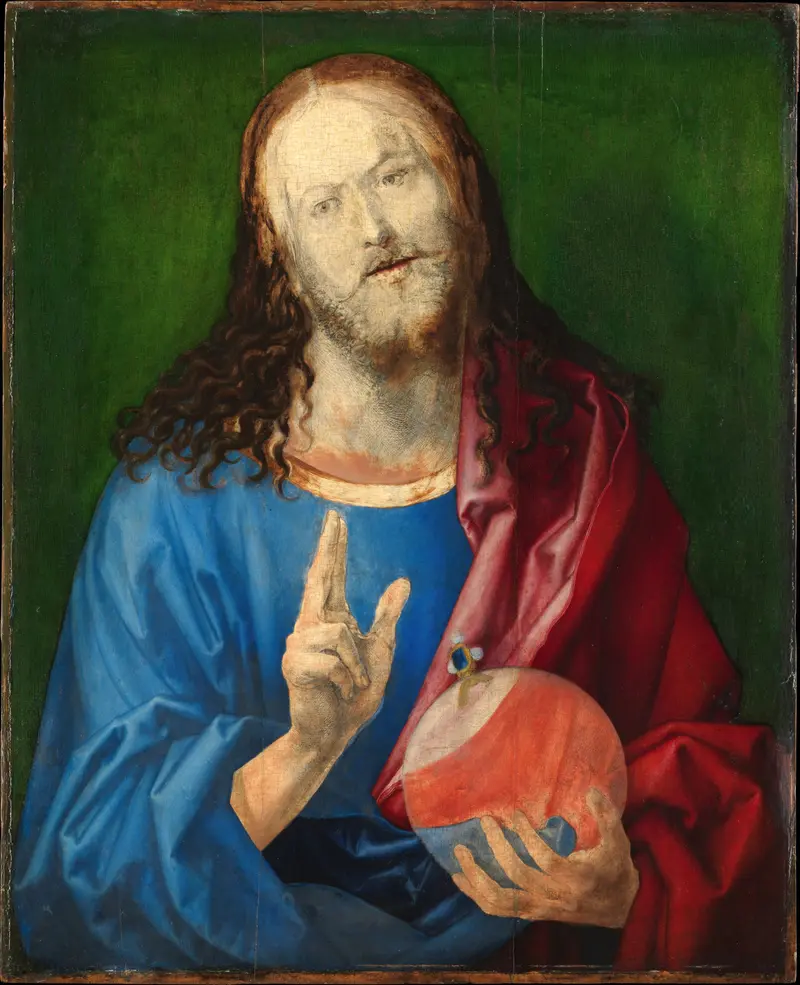
Salvator Mundi
Albrecht Dürer
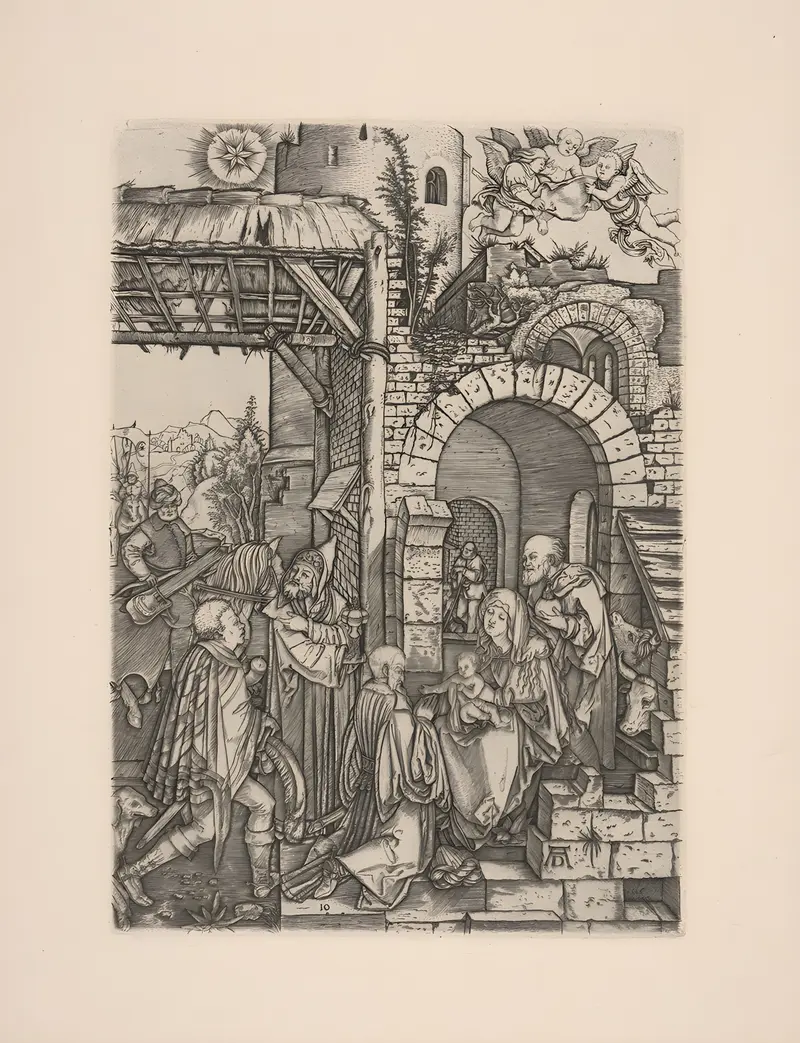
The Adoration of the Magi
Albrecht Dürer
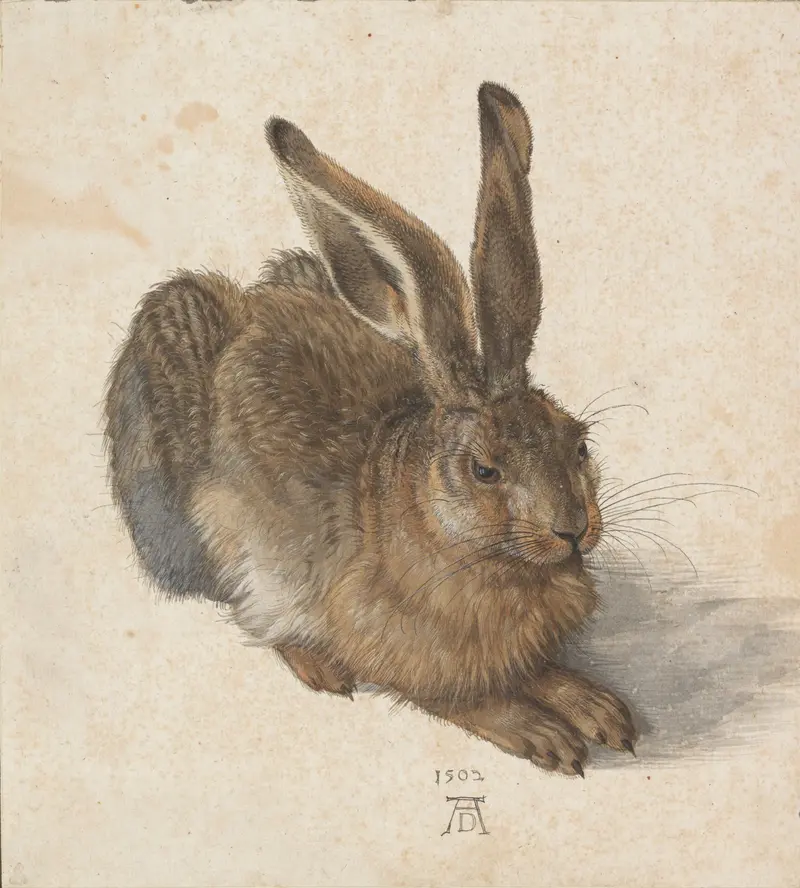
Young Hare
Albrecht Dürer
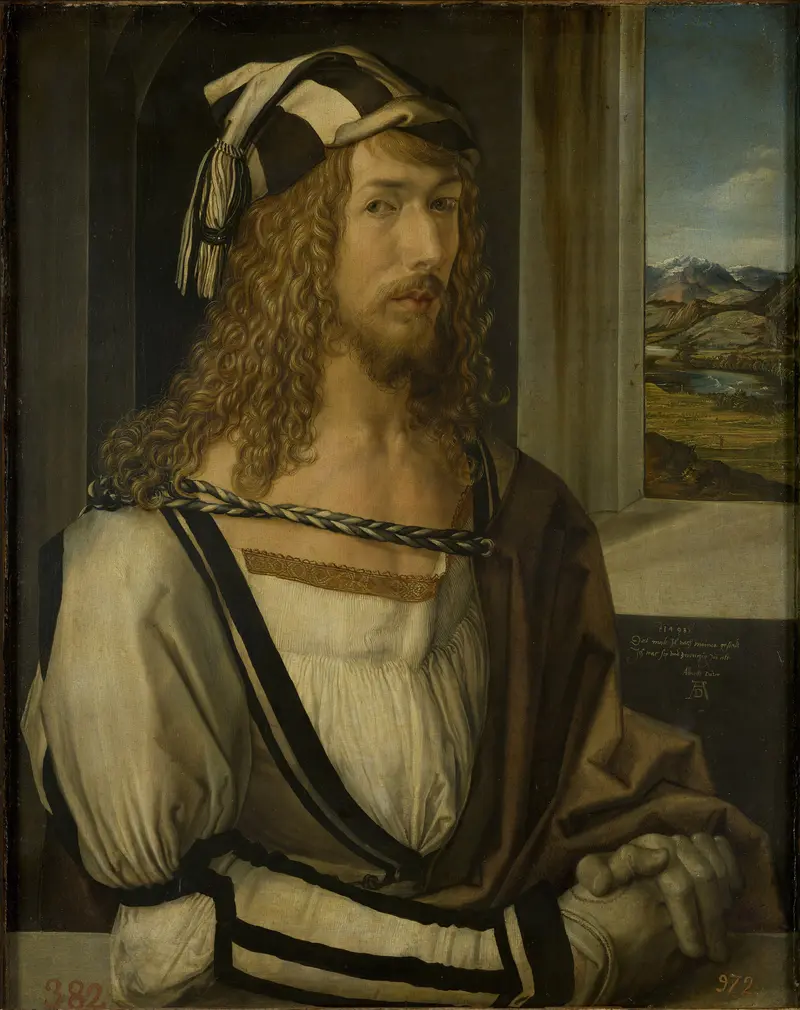
Self-portrait
Albrecht Dürer



