
De paus en de Dood — History & Facts
In De paus en de Dood, Wenceslaus Hollar captures a moment of striking duality, where ecstasy and despair entwine in a delicate dance. The imagery reveals the intricate relationship between life and mortality, urging the viewer to confront the transient nature of existence. Focus on the central figure, the Pope, adorned in resplendent robes that shimmer with a golden hue. His expression, a blend of solemnity and rapture, draws attention, while the skeletal figure of Death lurks ominously at his side.
Notice how the soft light caresses the ornate details of the fabric, contrasting sharply with the stark, skeletal form that embodies loss. Hollar’s meticulous linework and rich textures invite the eye to wander, uncovering layers of symbolism within this intimate confrontation. The tension in the piece lies in the juxtaposition of the Pope's opulence and Death's haunting presence. The gold symbolizes the allure of power and life, while the skeletal figure serves as a reminder of inevitable mortality.
This delicate balance evokes a profound emotional resonance, prompting reflection on the fleeting nature of joy and the sober acceptance of fate. Each element harmonizes, creating a narrative that speaks to the universal experience of grappling with ecstasy amidst the shadow of death. In the late 17th century, Hollar, working primarily in Prague and later in London, was influenced by the Baroque movement and its exploration of human emotion and mortality. It was a time marked by political turmoil and religious upheaval, prompting artists to delve deeper into the complexities of existence.
De paus en de Dood stands as a testament to Hollar's ability to weave intricate narratives through his art, connecting intimately with the anxieties of his era.
More Artworks by Wenceslaus Hollar
Browse all →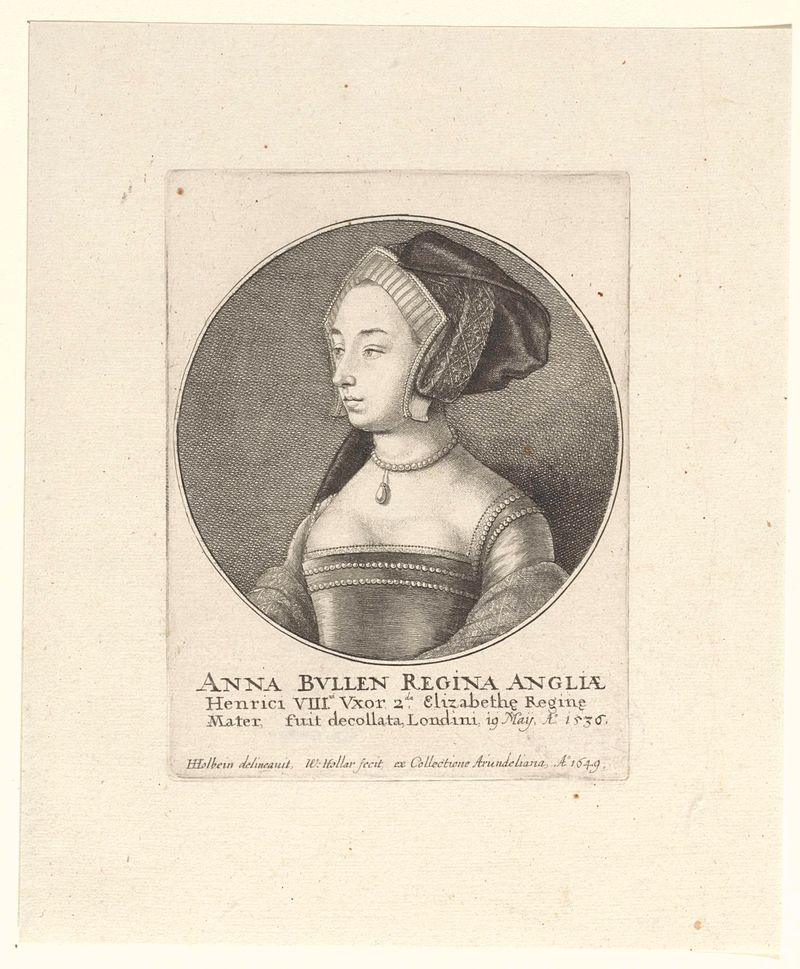
Portret van Anna Boleyn, koningin van Engeland
Wenceslaus Hollar
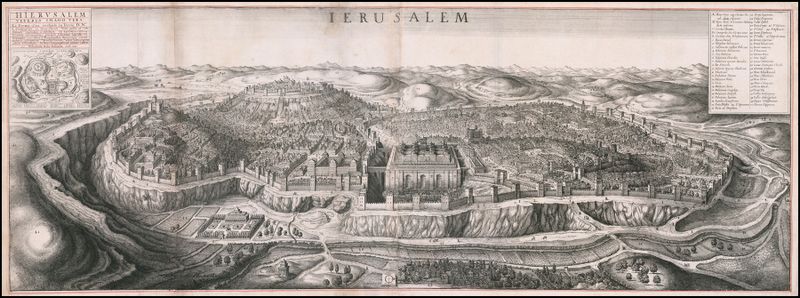
Bird’s eye view of Jerusalem
Wenceslaus Hollar
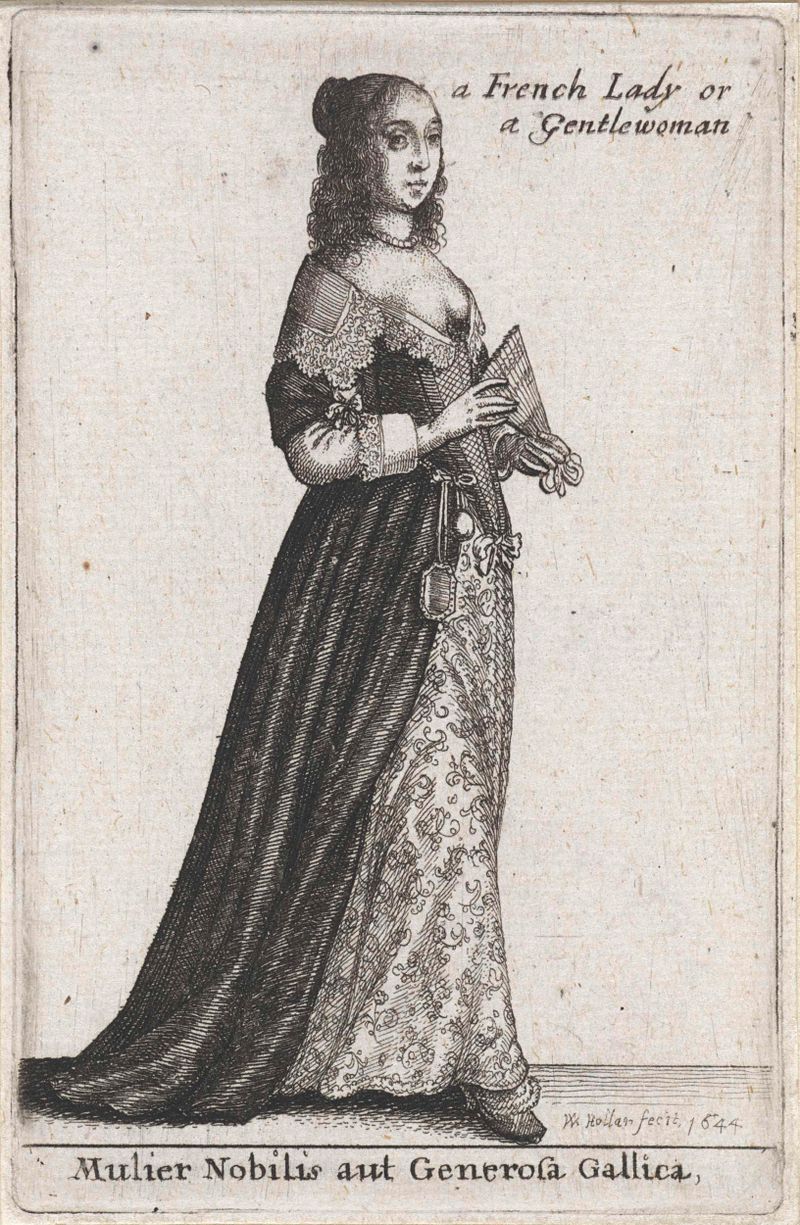
Mulier Nobilis aut Generosa Gallica / a French Lady or Gentlewoman
Wenceslaus Hollar
Titelprent voor: Ornatus Muliebris Anglicanus
Wenceslaus Hollar
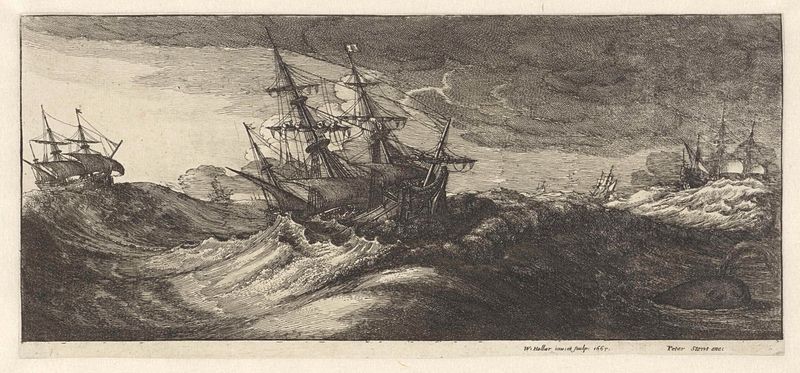
Oorlogsschepen en een walvis in een zeestorm
Wenceslaus Hollar
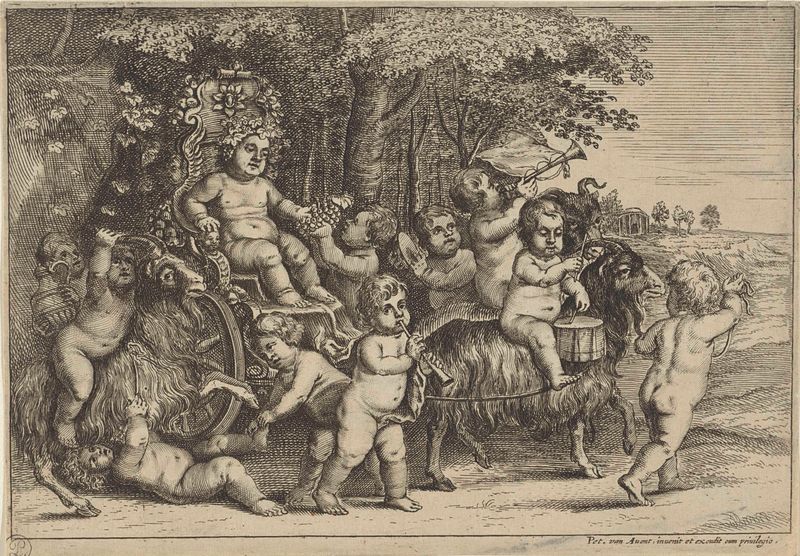
Optocht van bacchant en jongetjes op geiten
Wenceslaus Hollar
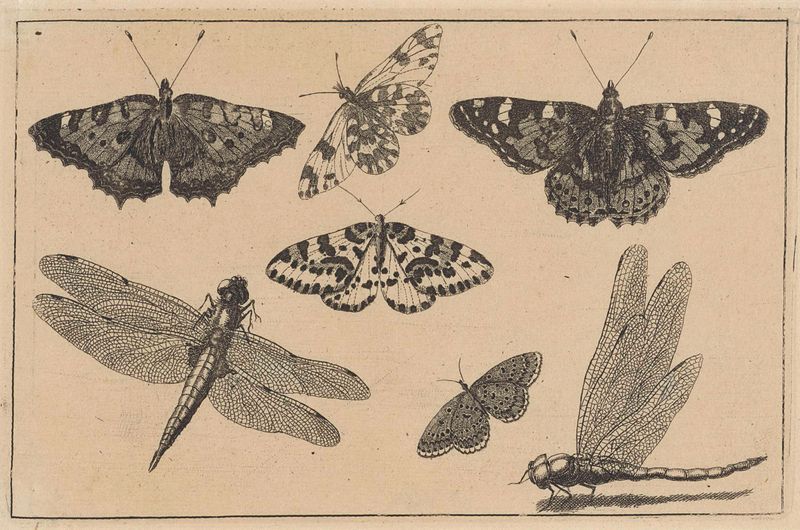
Twee libellen en vijf vlinders
Wenceslaus Hollar
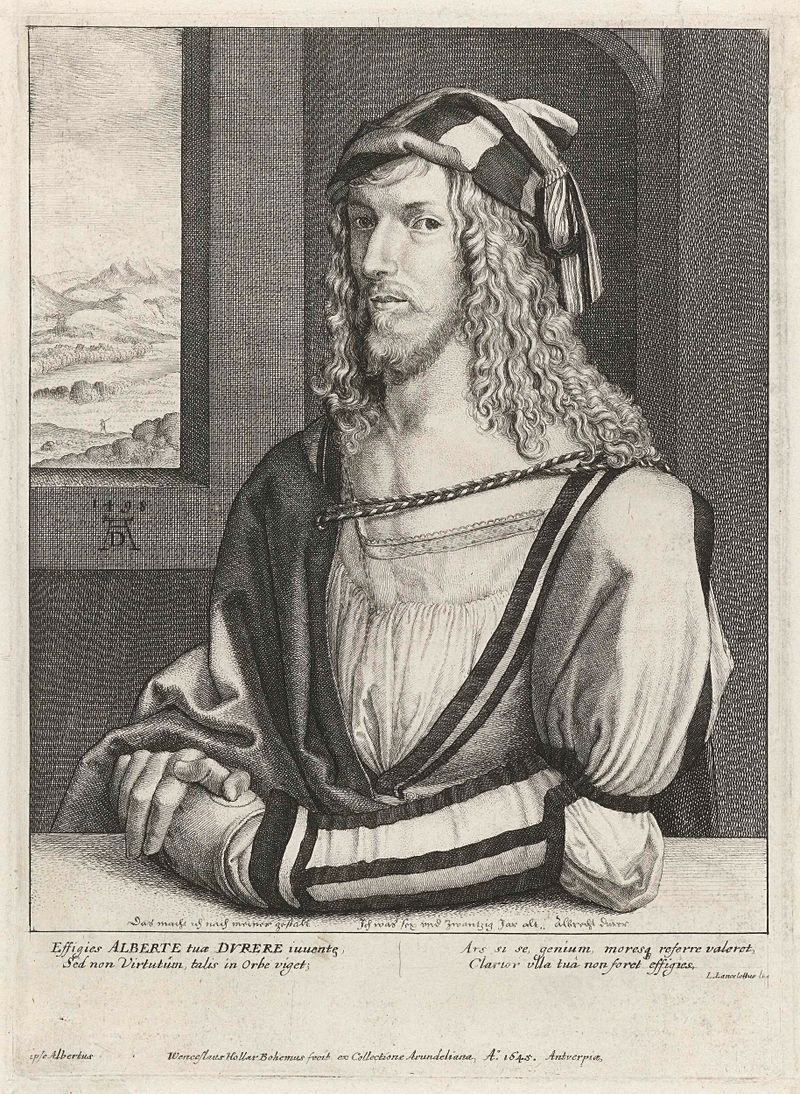
Portret van Albrecht Dürer
Wenceslaus Hollar
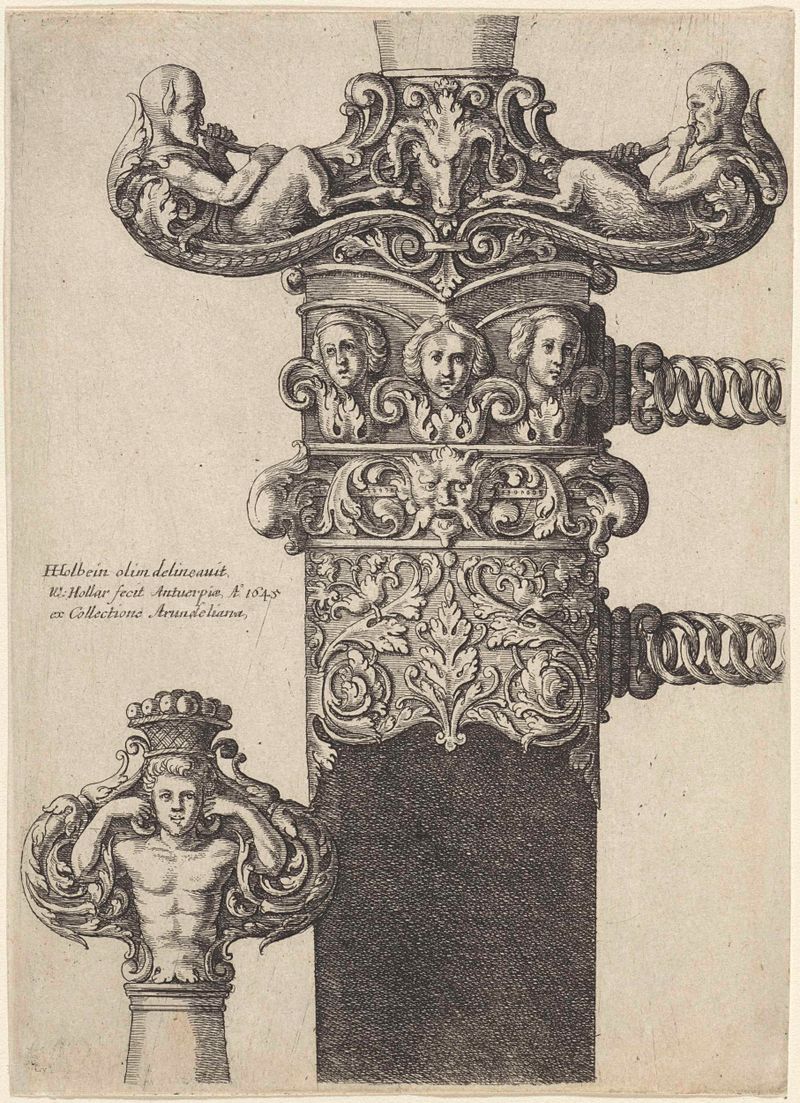
Ornamenteel ontwerp voor een dolk
Wenceslaus Hollar
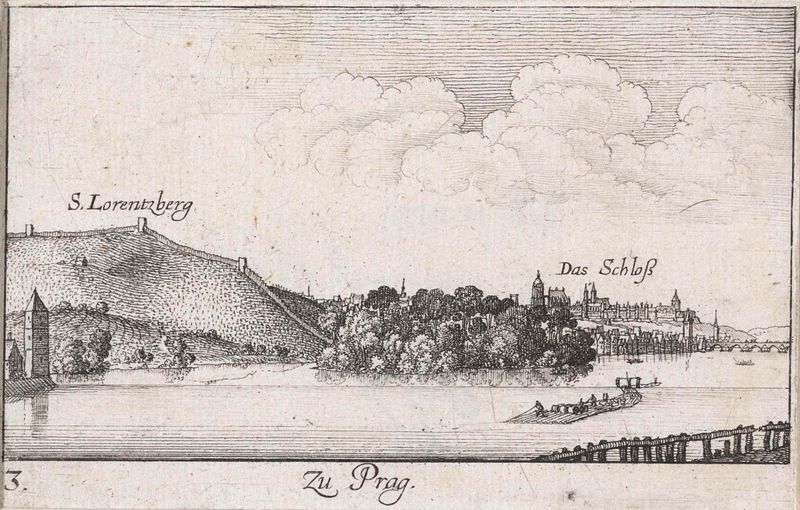
Gezicht op Praag vanaf de Moldau
Wenceslaus Hollar
More Religious Art
Browse all →
The Return of the Prodigal Son
Rembrandt van Rijn

The Garden of Earthly Delights
El Bosco

Count Orgaz’ funeral
El Greco

The Hundred Guilder Print: the central piece with Christ preaching, the plate arched
Rembrandt van Rijn

The Descent from the Cross
Rogier van der Weyden

The return of the prodigal son
Rembrandt van Rijn